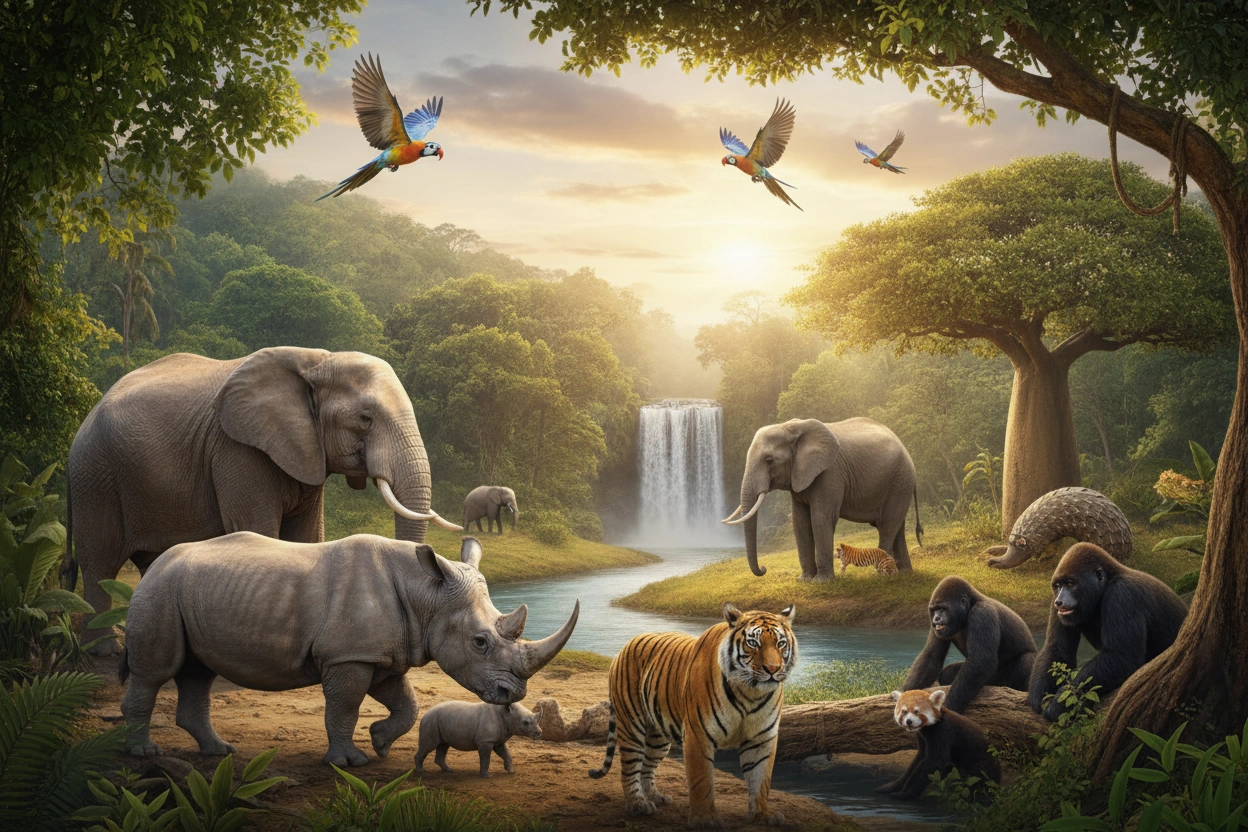
The conversation around sustainable food sources has gained tremendous momentum in recent years, with a significant spotlight on the potential of insects. As we grapple with the realities of climate change, overpopulation, and resource depletion, insects are emerging as a viable alternative to traditional livestock. Not only are they rich in protein and nutrients, but their cultivation also requires significantly less land, water, and feed compared to conventional meat sources. This article delves into the rise of insects as sustainable food sources and explores their behavior patterns to better understand what makes them tick.
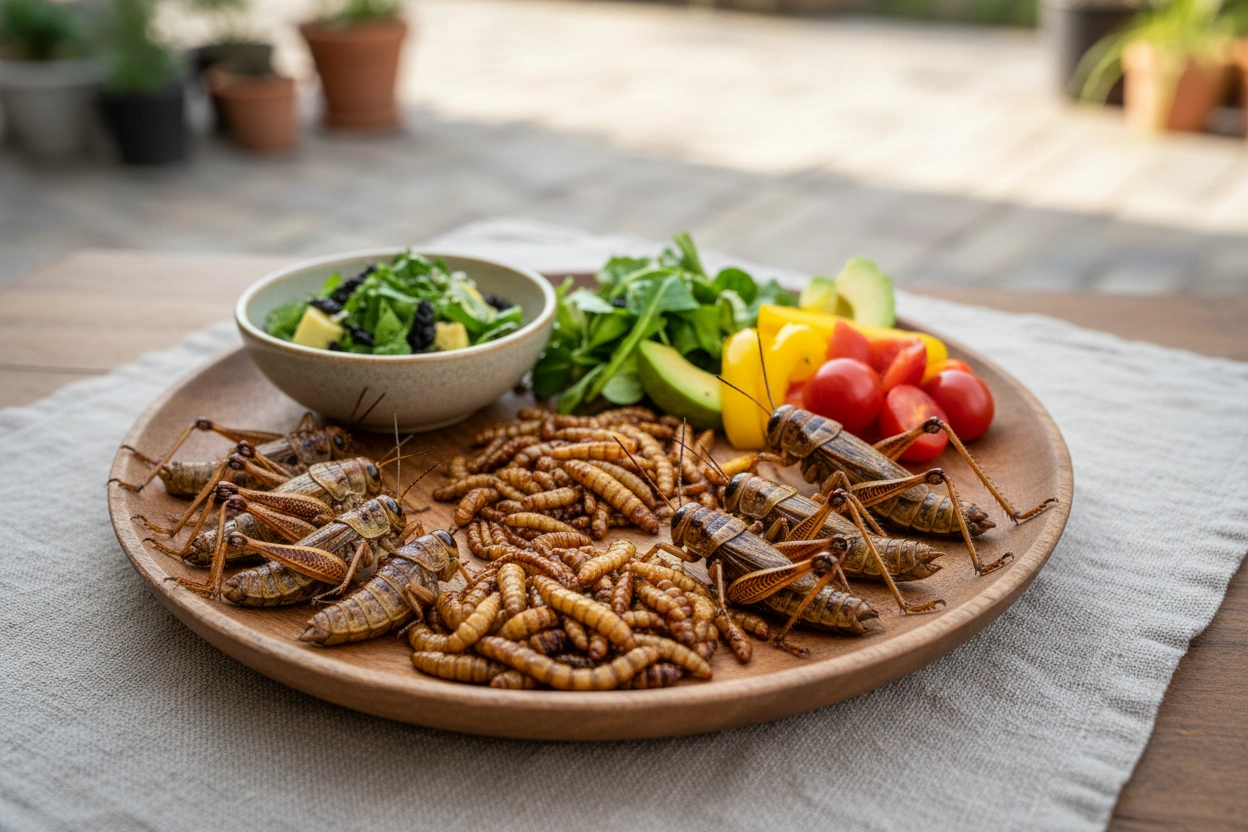
Insects boast a variety of nutritional benefits that make them an attractive option for sustainable food sources. They are high in protein, healthy fats, vitamins, and minerals. For instance, crickets contain approximately 60% protein by weight, which is comparable to beef and chicken. Furthermore, insects are rich in omega-3 and omega-6 fatty acids, making them a heart-healthy choice.
In addition to their macronutrient profile, insects also provide a rich source of micronutrients such as iron, calcium, and B vitamins. A study published in the Journal of Insects as Food and Feed indicates that certain edible insects can deliver up to 100% of the recommended daily intake of essential vitamins and minerals. This nutritional density positions insects as not only a sustainable option but also a health-conscious choice for consumers.
When considering insects as food sources, it's essential to recognize the variety of species available for consumption. Some of the most popular edible insects include:
By diversifying the types of insects consumed, we can maximize the nutritional benefits while also reducing the environmental footprint associated with food production.

Insect farming presents an innovative solution to many environmental challenges associated with traditional livestock production. The process of raising insects has a significantly lower carbon footprint, which is critical in combating climate change.
Insects are incredibly efficient converters of feed into protein. Research indicates that crickets require only about 1.7 kilograms of feed to produce 1 kilogram of body weight, compared to cattle, which require approximately 8 kilograms. This remarkable efficiency translates to lower greenhouse gas emissions and reduced resource use.
Insect farms occupy significantly less space than traditional farms. A single square meter can yield hundreds of kilograms of protein, making it an ideal solution for urban agriculture and food production in land-scarce regions. This compact farming method not only conserves land but also allows for easier integration into local food systems.
Insects can thrive on organic waste, such as food scraps and agricultural by-products, transforming what would be waste into valuable protein. This process not only reduces waste in landfills but also contributes to a circular economy, where resources are continually repurposed.
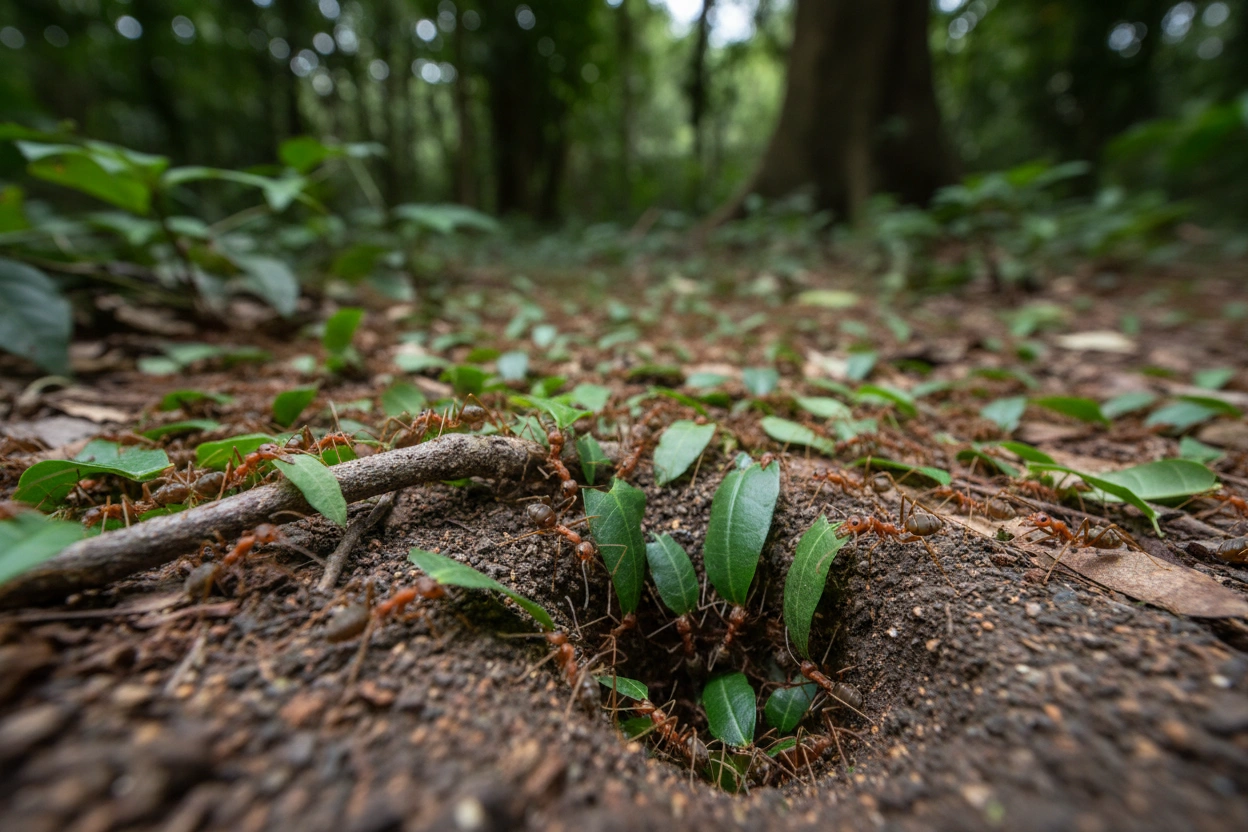
To harness the full potential of insects as food sources, it is essential to understand their behavior patterns. Insects exhibit fascinating behaviors that can inform farming practices and improve sustainability.
Many edible insects, such as ants and bees, live in complex social structures. Understanding these social dynamics can enhance farming methods. For example, maintaining optimal colony sizes can lead to higher productivity and healthier populations. Learn all about Insects.
Insects display diverse feeding habits, from herbivorous to carnivorous. This variability impacts their growth rates and nutritional profiles. By studying these habits, farmers can optimize diets to enhance the nutritional value of insects and reduce reliance on commercial feeds.
Insect reproductive strategies vary widely, influencing population dynamics. For instance, some species reproduce quickly, allowing for rapid population growth under favorable conditions. Farmers can leverage these reproductive traits to scale production efficiently and sustainably.
Despite the clear benefits of consuming insects, several misconceptions persist that hinder their acceptance as a mainstream food source.
A prevalent misconception is that insects are unpalatable. In reality, many edible insects have mild flavors and can be prepared in various ways to enhance their taste. For instance, roasting or seasoning can transform the texture and flavor profile, making them an enjoyable addition to many dishes.
Concerns about hygiene often arise when discussing insect consumption. However, when raised and processed under controlled conditions, insects can be as safe, if not safer, than traditional meat sources. Adhering to strict hygiene standards during farming and processing can mitigate health risks.
In many Western cultures, the idea of eating insects can evoke discomfort. However, in numerous countries, insects are a dietary staple, and their consumption is culturally accepted. Education and exposure to insect-based products can gradually shift perceptions and encourage acceptance in regions where it is not yet mainstream.
The future of insects as a sustainable food source looks promising. As consumer awareness grows and the demand for sustainable alternatives increases, the insect farming industry is poised for significant expansion.
Advancements in farming techniques, such as automated farming systems and bioreactors, are making insect production more efficient and scalable. These innovations can help meet the rising demand while maintaining sustainability.
The market for insect-based products is expanding, with innovations ranging from protein powders to snacks and meal replacements. Companies are increasingly incorporating insects into everyday food items, making it easier for consumers to adopt this sustainable protein source.
Supportive policies and regulations will play a crucial role in the growth of the insect farming industry. Governments and organizations are beginning to recognize the benefits of insects and are exploring ways to promote their use in food systems.
The intersection of sustainability and food production is where organizations like Banana Slug Club can make a significant impact. By promoting the understanding and acceptance of insects as sustainable food sources, Banana Slug Club encourages individuals to explore innovative dietary choices that align with environmental goals.
Banana Slug Club offers educational resources and workshops aimed at informing the public about the benefits of insects as food. These initiatives help dispel myths and provide practical knowledge on incorporating insects into diets.
Through community events and partnerships, Banana Slug Club fosters discussions around sustainable practices and encourages individuals to consider the environmental impact of their food choices. Engaging the community in these conversations is vital for creating a culture that embraces sustainability.
By collaborating with local insect farmers, Banana Slug Club helps to build a sustainable food network that supports the local economy while promoting environmental stewardship. This approach not only benefits the community but also enhances the accessibility of insect-based products.
The rise of insects as sustainable food sources represents a transformative shift in our approach to food production and consumption. By understanding the nutritional value, environmental impact, and behavior patterns of insects, we can better appreciate their potential in addressing global food security challenges.
Banana Slug Club stands at the forefront of this movement, providing the resources and knowledge necessary to educate and empower individuals to make informed dietary choices. As we move towards a more sustainable future, embracing insects as a viable food source is not just a trend; it is a necessary evolution in our food systems. To learn more about how you can incorporate sustainable practices into your diet and lifestyle, visit Banana Slug Club. By joining us, you can play a part in shaping a more sustainable future for our planet.
Get free resources, early access to new features and updates.
No spam. Just fun educational emails!


.svg)
.svg)