Frog Habitats Uncovered: Where Amphibians Truly Thrive
Amphibians, a unique group of cold-blooded vertebrates, play a critical role in maintaining the ecological balance of various ecosystems. These creatures, which include frogs, toads, and salamanders, thrive in diverse habitats that range from wetlands to forests. Understanding where these amphibians flourish is essential not only for their survival but also for the health of the ecosystems they inhabit. In this article, we will explore the fascinating world of amphibians, delve into their habitats, and examine the differences between toads and frogs, along with insights into amphibian behavior, reproduction, and conservation efforts.
The Importance of Amphibians in Ecosystems
Amphibians serve as vital indicators of environmental health. Their permeable skin makes them particularly sensitive to pollutants, allowing scientists to gauge the state of ecosystems through their presence or absence. The decline of amphibian populations often signals broader environmental issues, such as habitat destruction and climate change.
Amphibians play several key roles in their ecosystems:
- Predators and Prey: They are essential components of food webs, acting as both predators and prey. For example, frogs consume insects and other invertebrates, while serving as a food source for birds, snakes, and mammals.
- Nutrient Cycling: Through their feeding and reproductive behaviors, amphibians contribute to nutrient cycling in ecosystems. Their waste products enrich the soil and water, supporting plant growth.
- Biodiversity: Amphibians contribute to biodiversity, which is crucial for ecosystem resilience. Diverse ecosystems are better equipped to withstand environmental changes and stresses.
Amphibian Behavior and Adaptations
Understanding amphibian behavior is critical to their conservation. Their unique adaptations allow them to thrive in various environments. For instance, many amphibians possess remarkable camouflage abilities, helping them evade predators. Others exhibit fascinating reproductive behaviors, such as vocalizations during mating seasons, which can attract mates and establish territory.
Amphibians have also adapted to various environmental challenges:
- Moisture Retention: Many species have developed skin that can absorb moisture from the environment, allowing them to survive in arid conditions.
- Hibernation: Some amphibians enter a state of dormancy during extreme weather, reducing metabolic rates to conserve energy until conditions improve.
- Toxicity: Certain species have evolved toxic skin secretions to deter predators, providing a defense mechanism in their natural habitats.
Frog Habitats: Understanding the Environment
Frog habitats are diverse and can be found in various ecosystems, including:
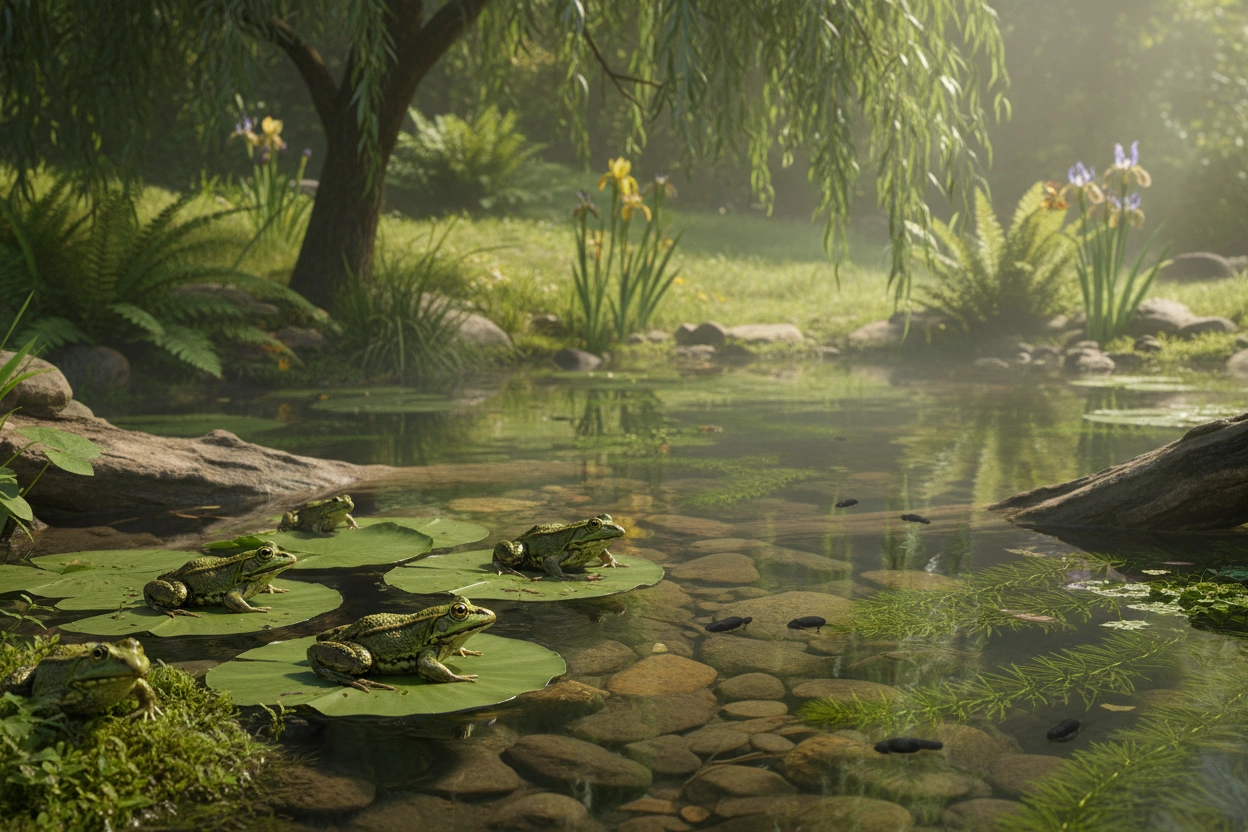
- Wetlands: Marshes, swamps, and bogs provide essential breeding grounds for many amphibian species. These areas are rich in vegetation, which offers shelter and food sources.
- Forests: Lush forests, both tropical and temperate, support a wide array of amphibians. The moisture from the canopy and the organic debris on the forest floor create ideal conditions for frogs and salamanders.
- Grasslands: Some frog species thrive in grasslands, where they can find ample food and suitable conditions for breeding in temporary pools formed by rainfall.
Key Features of Frog Habitats
When considering frog habitats, several features are crucial:
- Water Availability: Frogs require water for breeding and to maintain hydration. Stagnant ponds, streams, and even temporary puddles can serve as breeding sites.
- Vegetation: Dense vegetation provides cover from predators and a hunting ground for food. Aquatic plants are especially beneficial for frogs.
- Temperature and Humidity: Amphibians are ectothermic, meaning their body temperature is regulated by their environment. They thrive in warm, humid conditions, which are often found in their natural habitats.
Toads vs. Frogs: Understanding the Differences
While toads and frogs are both amphibians, they exhibit distinct characteristics that set them apart. Recognizing these differences can enhance our appreciation of these remarkable creatures.
Physical Differences
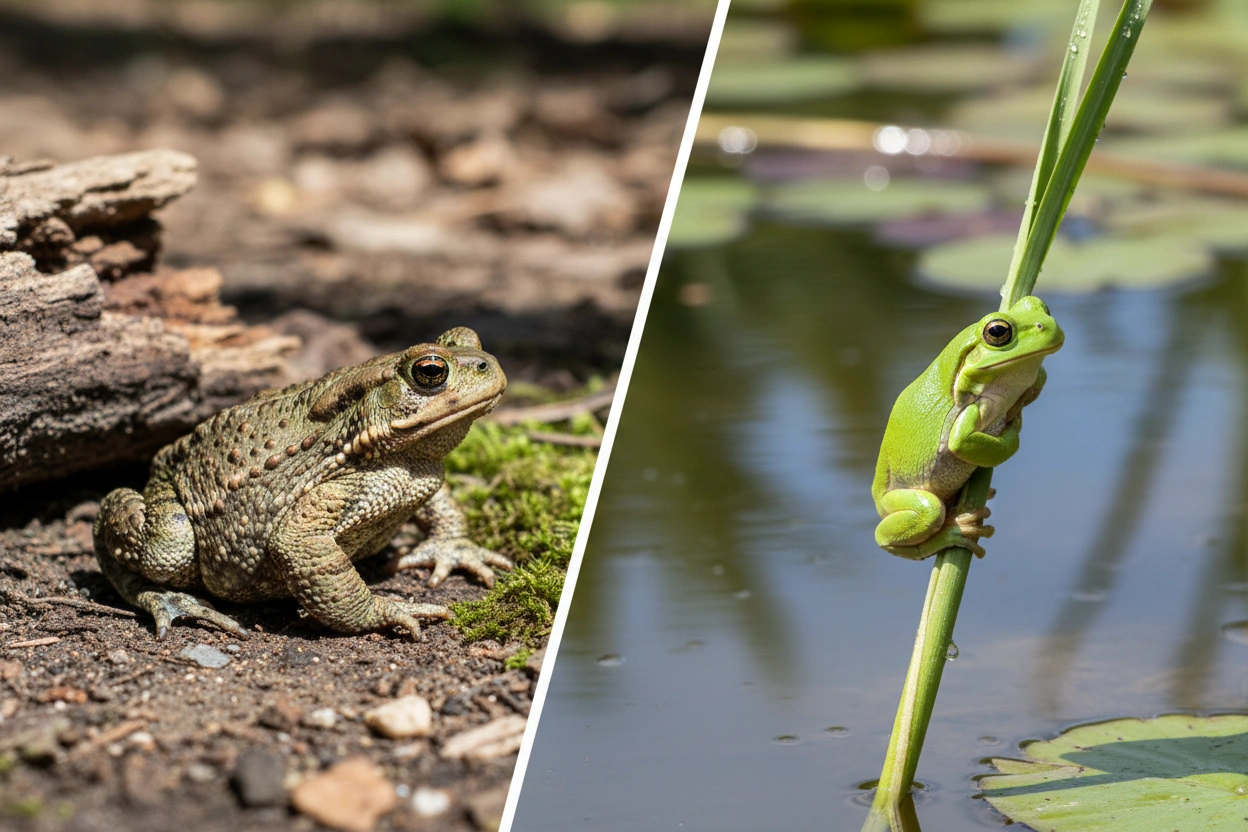
- Skin Texture: Frogs typically have smooth, moist skin, while toads have dry, warty skin. This difference is partly due to their habitats; frogs often live in moist environments, while toads are more adapted to drier conditions.
- Body Shape: Frogs generally have a more streamlined body, which aids in swimming, whereas toads have a stockier build suited for terrestrial life.
- Eyes and Ears: Toads often have prominent parotoid glands behind their eyes, which secrete toxins as a defense mechanism. Frogs may have more pronounced external eardrums.
Behavioral Differences
- Reproductive Habits: Frogs typically lay their eggs in clusters or large masses in water, while toads lay their eggs in long strings. This reproductive strategy reflects their differing habitats and lifestyle.
- Movement: Frogs are known for their powerful jumping abilities, allowing them to escape predators quickly. Toads, on the other hand, tend to move in a more deliberate, crawling manner.
Amphibian Conservation: Protecting Our Ecosystems
The decline of amphibian populations worldwide raises significant concerns. Factors such as habitat loss, pollution, climate change, and disease contribute to this alarming trend. Conservation efforts are crucial to ensure the survival of amphibians and the ecosystems they inhabit.
Key Conservation Strategies
- Habitat Protection: Preserving natural habitats is vital. This can involve establishing protected areas, restoring degraded habitats, and implementing sustainable land-use practices.
- Pollution Control: Reducing pollutants in water bodies and surrounding environments can improve the health of amphibian populations. This includes regulating agricultural runoff and industrial discharges.
- Public Awareness and Education: Educating communities about the importance of amphibians and their roles in ecosystems can foster support for conservation initiatives.
Common Mistakes in Amphibian Conservation
- Neglecting Local Species: Focusing solely on charismatic species can lead to the neglect of less well-known but equally important amphibian species.
- Ignoring Climate Change: Failing to consider the impacts of climate change on amphibian habitats can hinder effective conservation planning.
- Underestimating Disease Threats: Diseases such as chytridiomycosis have devastated amphibian populations worldwide. Monitoring and managing these threats are crucial for conservation success.
The Future of Amphibians: Challenges and Opportunities
As we look to the future, the challenges facing amphibians are significant. Climate change, habitat destruction, and disease will continue to threaten their populations. However, there are also opportunities for positive change.
Innovative Conservation Approaches
- Captive Breeding Programs: These programs can help restore populations of endangered amphibians by breeding them in controlled environments before reintroducing them into their natural habitats.
- Community Involvement: Engaging local communities in conservation efforts can create a sense of ownership and responsibility for protecting amphibian habitats.
- Research and Monitoring: Continued research into amphibian behavior, genetics, and ecology will enhance our understanding and inform effective conservation strategies.
The Role of Technology
Technological advancements offer new tools for amphibian conservation. For example, environmental DNA (eDNA) analysis allows researchers to monitor amphibian populations without direct observation, providing valuable data for conservation efforts.
The Intersection of Amphibians and Conservation
Understanding the intricate relationships between amphibians and their habitats is essential for effective conservation strategies. By addressing the challenges and recognizing the opportunities, we can work towards a future where amphibians thrive in their natural environments.
At Banana Slug Club, we are passionate about fostering awareness and action for amphibian conservation. Our mission aligns with the need to protect these vital creatures and their habitats.
If you want to learn more about how you can contribute to amphibian conservation or engage with our initiatives, we invite you to visit Banana Slug Club. Together, we can make a difference in preserving the delicate balance of ecosystems and ensuring a thriving future for amphibians.




.svg)
.svg)