Insects are often overlooked in discussions of biodiversity and ecological balance, yet they play a pivotal role in many aspects of life, including medicine. As we delve into the intricate relationship between insects and modern medicine, we uncover how these tiny creatures contribute to advancements in healthcare and pharmaceuticals. Insects not only serve as subjects of research but also provide critical resources that can be harnessed for medicinal purposes.
In 2026, the importance of insect species identification is more pronounced than ever, especially considering the ongoing challenges posed by climate change and the decline of pollinator insects. Understanding insect species identification and their behavior patterns can significantly contribute to developing sustainable solutions in medicine and beyond. This article explores the multifaceted roles of insects in medicine, their conservation, and why they matter for our planet.

Insects serve as bioindicators, providing valuable insights into environmental health. Their presence, absence, or population fluctuations can indicate changes in ecosystem health. For instance, specific insect species are sensitive to pollution, which makes them excellent indicators of the quality of soil and water. Researchers utilize these traits to assess the impact of environmental changes on human health and devise strategies for mitigating negative effects.
The study of insects has led to the discovery of various bioactive compounds with potential medicinal applications. For example, the venom of certain insects, such as bees and wasps, contains peptides that exhibit antimicrobial properties. Researchers are investigating these substances for their potential to develop new antibiotics, particularly in the face of rising antibiotic resistance.
Many cultures have utilized insects in traditional medicine for centuries. In countries like China and India, insects such as silkworms and certain beetles are incorporated into traditional remedies. For example, the use of silkworm powder is prevalent in herbal medicine for its purported health benefits, including anti-inflammatory and immune-boosting properties.
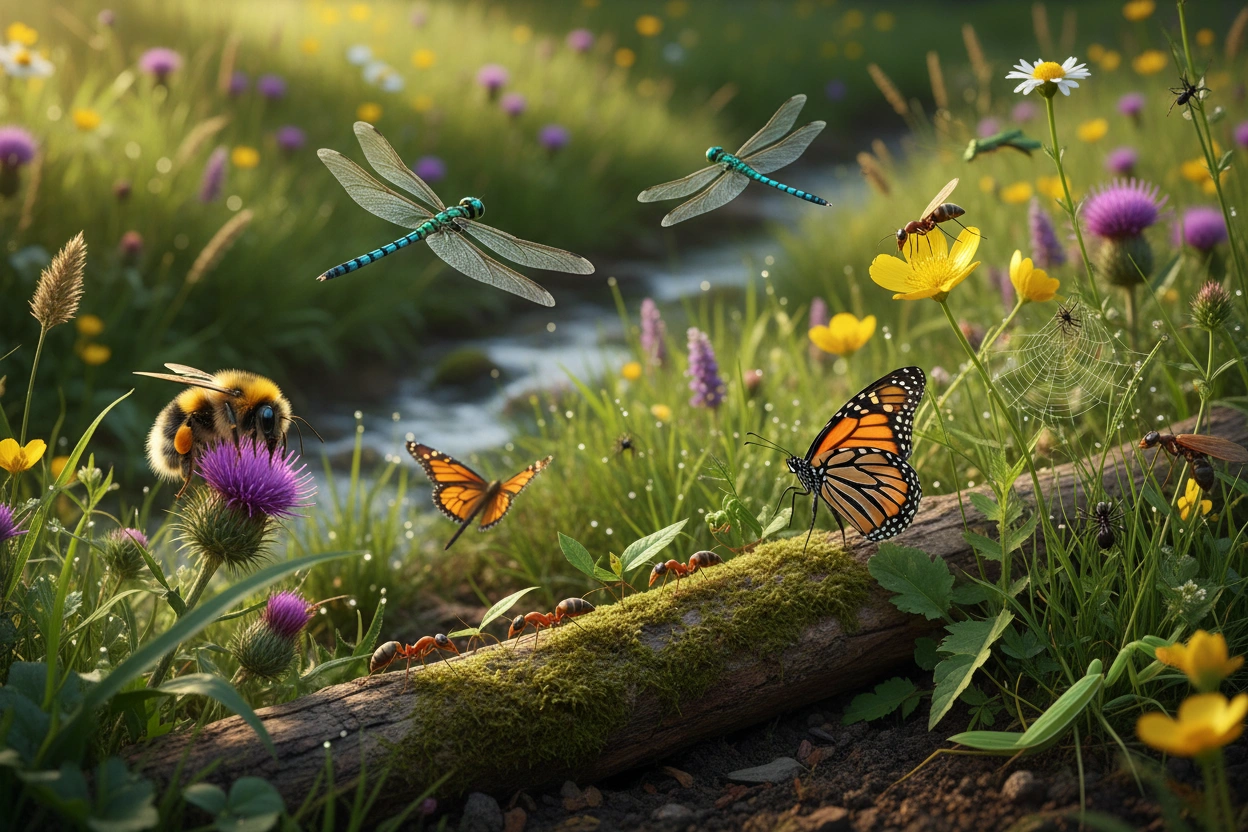
In recent years, there has been a significant decline in insect populations globally, with studies indicating that nearly 40% of insect species are experiencing population reductions. This decline threatens not only the insects themselves but also the broader ecosystems they support. Insects are vital for pollination, nutrient cycling, and serving as food sources for other species.
Efforts to conserve insect populations are increasingly recognized as essential to maintaining biodiversity and ecosystem health. Conservation strategies include habitat restoration, sustainable agricultural practices, and public awareness campaigns. These initiatives not only protect insects but also enhance their roles in ecosystems, including their contributions to medicine.
Citizen science initiatives have emerged as powerful tools for monitoring insect populations and promoting conservation efforts. Engaging the public in data collection can enhance our understanding of insect biodiversity and behavior patterns. Projects like butterfly counts and insect surveys enable communities to contribute to scientific research while raising awareness about the importance of insects in ecosystems.

Insects play a crucial role in agriculture, particularly as pollinators and natural pest controllers. For instance, pollinator insects like bees are responsible for the majority of flowering plant reproduction, which directly impacts food production. Understanding insect behavior patterns can lead to improved agricultural practices that enhance crop yields while minimizing reliance on chemical pesticides.
Insects are significantly affected by climate change, which alters their habitats and behaviors. Changes in temperature and precipitation patterns can disrupt the lifecycle of insects, affecting their roles in ecosystems and agriculture. Understanding these impacts is vital for developing strategies to mitigate climate change effects on insect populations and, by extension, agriculture and medicine.
Insects are increasingly recognized as sustainable food sources due to their high nutritional value and low environmental impact. Incorporating insects into diets can contribute to food security and nutritional advancement, particularly in regions facing food scarcity. The nutritional benefits of insects include high protein content, essential vitamins, and minerals.
A prevalent misconception is that all insects are pests. While some insects can be harmful to crops or human health, the vast majority play beneficial roles in ecosystems. Understanding the distinction between harmful and beneficial insects is essential for promoting conservation efforts and sustainable agricultural practices.
Another common misconception is that the decline of insects does not significantly impact human life. However, the loss of insect biodiversity can have far-reaching consequences for ecosystems, agriculture, and public health. Raising awareness about the importance of insects is crucial for garnering support for conservation initiatives.
The future of insect research in medicine is promising, with ongoing studies exploring new applications of insect-derived compounds. Innovations such as synthetic biology and genetic engineering may lead to the development of novel pharmaceuticals derived from insect genes. The potential for discovering new treatments is vast, as researchers continue to explore the untapped resources insects offer.
To fully harness the potential of insects in medicine, interdisciplinary collaboration is essential. Combining expertise from entomology, pharmacology, and environmental science can lead to comprehensive solutions that address public health challenges. Collaborative research efforts can foster innovative approaches to utilizing insects for medicinal purposes.
Increasing public awareness about the importance of insects in medicine and ecosystems is crucial for fostering support for conservation efforts. Educational initiatives can encourage individuals to appreciate the roles insects play in our lives and the need to protect their habitats. Empowering communities through education can lead to grassroots conservation movements that positively impact insect populations.
As we explore the many ways insects advance modern medicine, it becomes evident that their conservation is crucial not only for biodiversity but also for human health. The intricate connections between insects, ecosystems, and medicine highlight the importance of understanding and protecting these remarkable creatures. As we face global challenges such as climate change and biodiversity loss, embracing the insect revolution is more important than ever.
The Banana Slug Club is committed to promoting awareness and education about the vital roles insects play in our world. By supporting insect conservation efforts and advocating for sustainable practices, we can help ensure that these essential creatures continue to thrive.
Engaging with the Banana Slug Club can provide valuable resources and insights into how you can contribute to insect conservation and understand their significance in medicine. Together, we can foster a deeper appreciation for the incredible contributions of insects and work towards a sustainable future.
Visit Banana Slug Club to learn more about how you can get involved in conservation efforts and explore the fascinating world of insects.
Get free resources, early access to new features and updates.
No spam. Just fun educational emails!


.svg)
.svg)