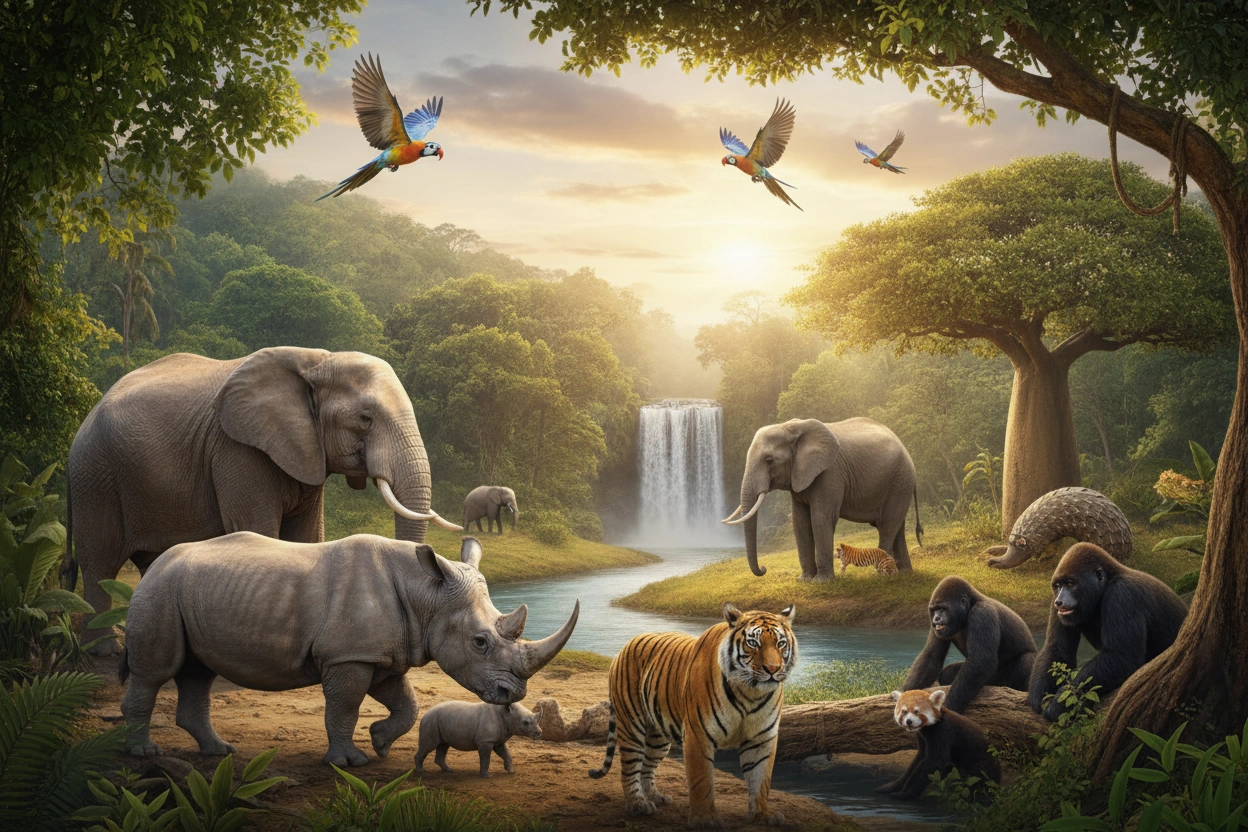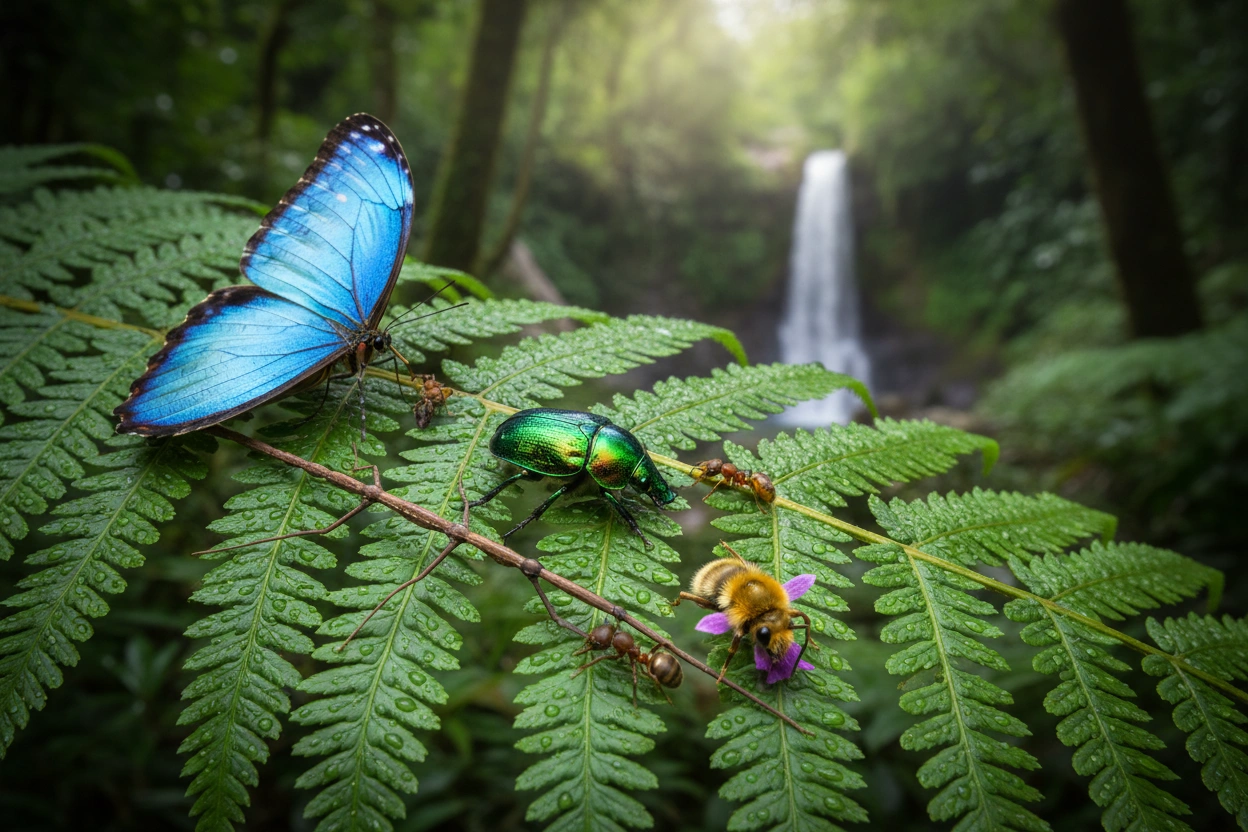
Insects constitute a staggering portion of the Earth’s biodiversity, with estimates suggesting that there are over 10 million species worldwide. These small creatures play critical roles in maintaining ecological balance, from pollination to decomposition. However, the alarming decline in insect populations due to habitat loss, climate change, and pesticide use has raised serious concerns about the future of ecosystems and food security. This article delves into the importance of insect conservation, explores the benefits of insects as food sources, and provides a complete guide to understanding how we can support these vital organisms.

Insects are often viewed as nuisances or pests, but their contributions to the environment and human society are immense. Understanding why insect biodiversity matters is crucial for fostering a more harmonious relationship with these creatures.
Insects contribute to a variety of ecosystem services that are essential for the health of our planet that are essential for the health of our planet. These services include:
Pollination: Many flowering plants depend on insects for reproduction. In fact, it is estimated that one-third of the food we consume relies on insect pollination. Crops such as fruits, vegetables, and nuts are particularly dependent on this service.
Decomposition and Nutrient Cycling: Insects play a vital role in breaking down organic matter, such as dead plants and animals. By doing so, they recycle nutrients back into the soil, which is crucial for plant growth and maintaining soil health.
Soil Aeration: Many insects, such as ants and beetles, contribute to soil aeration through their burrowing activities. This process enhances water infiltration and root growth, leading to healthier ecosystems.
Despite their importance, insect populations are declining at an alarming rate. Several key factors contribute to this decline:
Habitat Loss: Urbanization, deforestation, and agriculture are leading to significant loss of habitats for many insect species. As natural environments are destroyed, insects lose their homes and food sources.
Climate Change: Changes in temperature and weather patterns can disrupt insect life cycles and habitats. For instance, some species may struggle to survive in warmer climates, while others may thrive, leading to imbalances in ecosystems.
Pesticide Use: The widespread use of pesticides in agriculture has been linked to declining insect populations. These chemicals can be harmful not only to target species but also to beneficial insects, leading to a decrease in biodiversity.
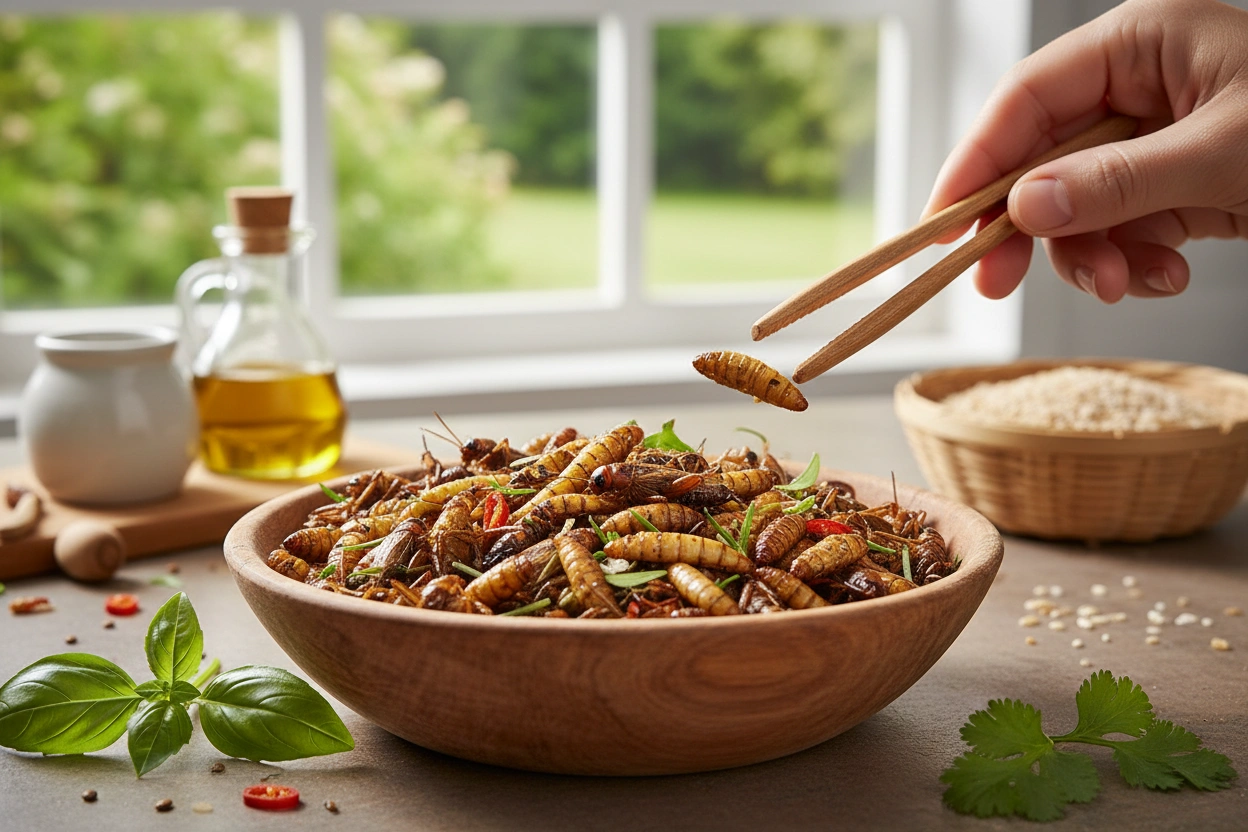
Insects are not only vital for the environment but also present an innovative solution to food security challenges. With the global population projected to reach nearly 10 billion by 2050, the demand for sustainable food sources is more pressing than ever.
Insects are a rich source of nutrients, making them a viable alternative to traditional livestock. Here are some key nutritional benefits:
High Protein Content: Many insects contain up to 80% protein by dry weight, making them an excellent source of protein for human consumption.
Healthy Fats: Insects are rich in healthy fats, including omega-3 and omega-6 fatty acids, which are essential for maintaining heart health.
Vitamins and Minerals: Insects provide various vitamins and minerals, including B vitamins, iron, and zinc, which are crucial for overall health.
Insect farming is an environmentally friendly alternative to conventional livestock farming. The benefits of raising insects include:
Lower Greenhouse Gas Emissions: Insect farming produces significantly fewer greenhouse gases compared to traditional meat production, making it a more sustainable option.
Reduced Water Use: Insects require far less water than cattle or pigs, thus conserving precious water resources.
Efficient Feed Conversion: Insects convert feed into protein more efficiently than traditional livestock, requiring less land and resources to produce the same amount of protein.
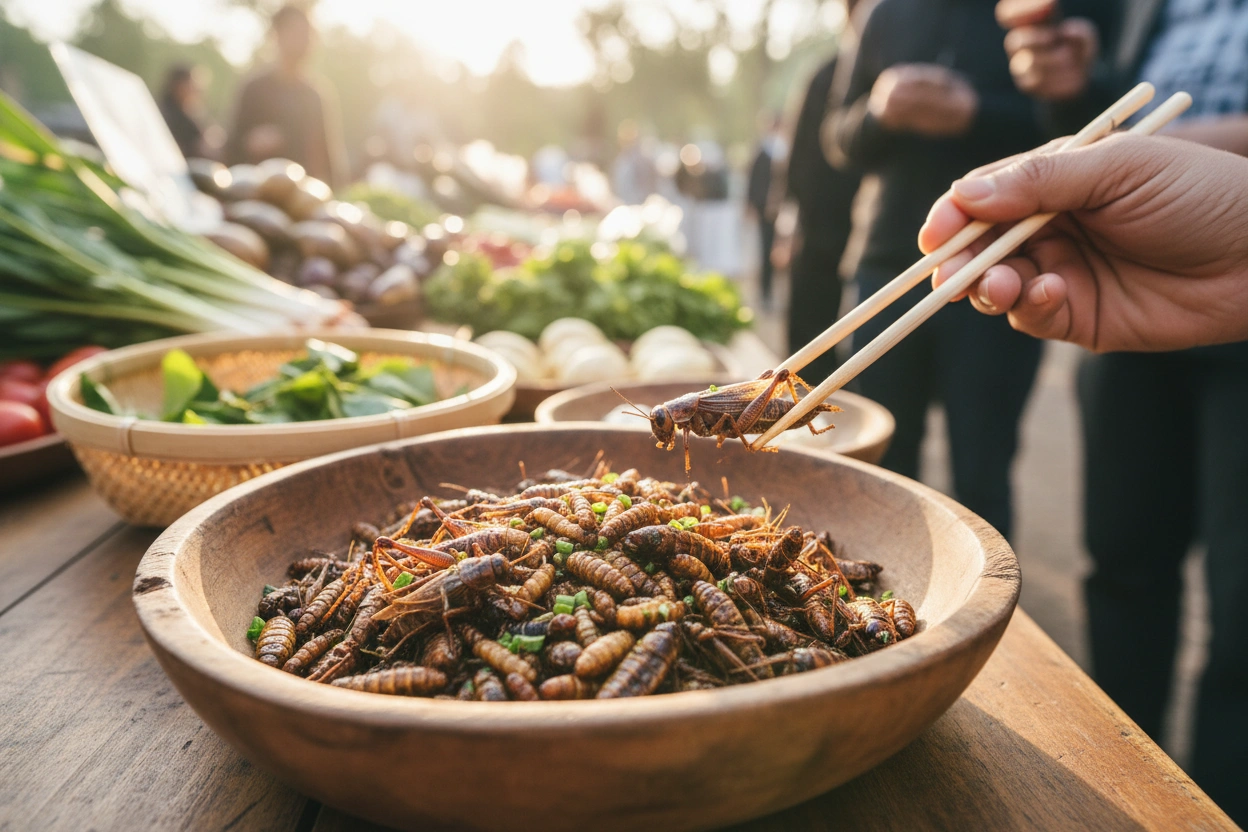
Exploring the role of insects as food sources requires understanding their cultivation, preparation, and culinary uses. Here’s a comprehensive guide to get started.
When considering insects for consumption, it is essential to choose the right species. Popular edible insects include:
Crickets: Rich in protein and easy to farm, crickets are versatile and can be used in various recipes.
Mealworms: High in protein and healthy fats, mealworms can be added to snacks, baked goods, and even smoothies.
Grasshoppers: Known for their crunchy texture, grasshoppers are often enjoyed as a snack in many cultures.
Cultivating insects can be done on a small scale at home or in larger, commercial operations. Here are some steps to consider:
Select a Suitable Species: Choose insects that are easy to rear and have a high nutritional value.
Create the Right Environment: Ensure proper temperature, humidity, and ventilation for the insects to thrive.
Source Quality Feed: Provide a balanced diet using organic waste or commercially available feeds designed for insects.
Maintain Hygiene: Keep the rearing environment clean to prevent diseases and promote healthy growth.
Insects can be prepared and enjoyed in various ways. Here are some ideas to incorporate them into your diet:
Roasted Snacks: Roasting insects with spices can create a crunchy snack that is both nutritious and delicious.
Flour Substitutes: Grinding dried insects into flour can be used to enhance the nutritional profile of baked goods.
Soups and Stews: Adding insects to soups and stews can provide an extra protein boost and unique flavor.
Despite the numerous benefits of consuming insects, there are still misconceptions that prevent widespread acceptance. Here are some of the most common myths and the truths behind them.
Many people believe that insects are dirty and carry diseases. However, when raised in controlled environments, insects are clean and safe to eat. Proper cooking methods also eliminate any potential pathogens.
While some may be apprehensive about the taste of insects, they can be prepared in a variety of ways to enhance their flavor. Many people describe the taste as nutty or earthy, which can be appealing when incorporated into different dishes.
Contrary to this belief, insect farming can be scaled to meet global demand. With advancements in technology and farming practices, insect production can be increased to provide a sustainable protein source for future generations.
As the threats to insect populations continue to grow, conservation efforts have become increasingly important. Here are some strategies to help protect insect biodiversity.
One of the most effective ways to conserve insect populations is to protect and restore their natural habitats. This can be achieved through:
Reforestation: Planting native trees and restoring forests can provide essential habitats for various insect species.
Creating Pollinator Gardens: Establishing gardens with native plants can support pollinator populations and contribute to biodiversity.
Promoting sustainable agricultural practices can significantly impact insect conservation. Here are some approaches to consider:
Reducing Pesticide Use: Encourage farmers to adopt integrated pest management strategies that minimize chemical use.
Supporting Organic Farming: Organic farming practices often promote biodiversity and create healthier ecosystems.
Educating Communities: Raising awareness about the importance of insects and their roles can foster greater appreciation and support for conservation efforts.
Insects are not just fascinating creatures; they are integral to our ecosystems and can provide sustainable food sources for the future. The ongoing decline in insect populations poses significant risks, but through conservation efforts and embracing insects as food, we can work towards a more sustainable world.
Banana Slug Club recognizes the importance of insects in our ecosystems and promotes education and action towards their conservation. By understanding and supporting insect biodiversity, we can all contribute to a healthier planet.
To learn more about how you can get involved in conservation efforts or explore sustainable food options, visit Banana Slug Club. Together, we can make a difference in preserving our planet's rich biodiversity.
Get free resources, early access to new features and updates.
No spam. Just fun educational emails!


.svg)
.svg)