Discover the Role of Pollinator Insects in Your Home Garden

No items found.
Updated on:
December 20, 2025
The Importance of Insects in Your Home Garden
Updated on:
December 20, 2025

Discover the Role of Pollinator Insects in Your Home Garden

In recent years, the importance of insects in our ecosystems has gained significant recognition, particularly in the context of home gardening. Pollinator insects, such as bees, butterflies, and beetles, play a crucial role in the health and productivity of gardens. Understanding their function can transform your gardening practices, leading to more vibrant, productive spaces. In this article, we will explore the multifaceted roles of insects in your home garden, emphasizing their contribution to biodiversity, the ecosystems they inhabit, and how you can support these vital creatures.

The Vital Contribution of Insects to Biodiversity

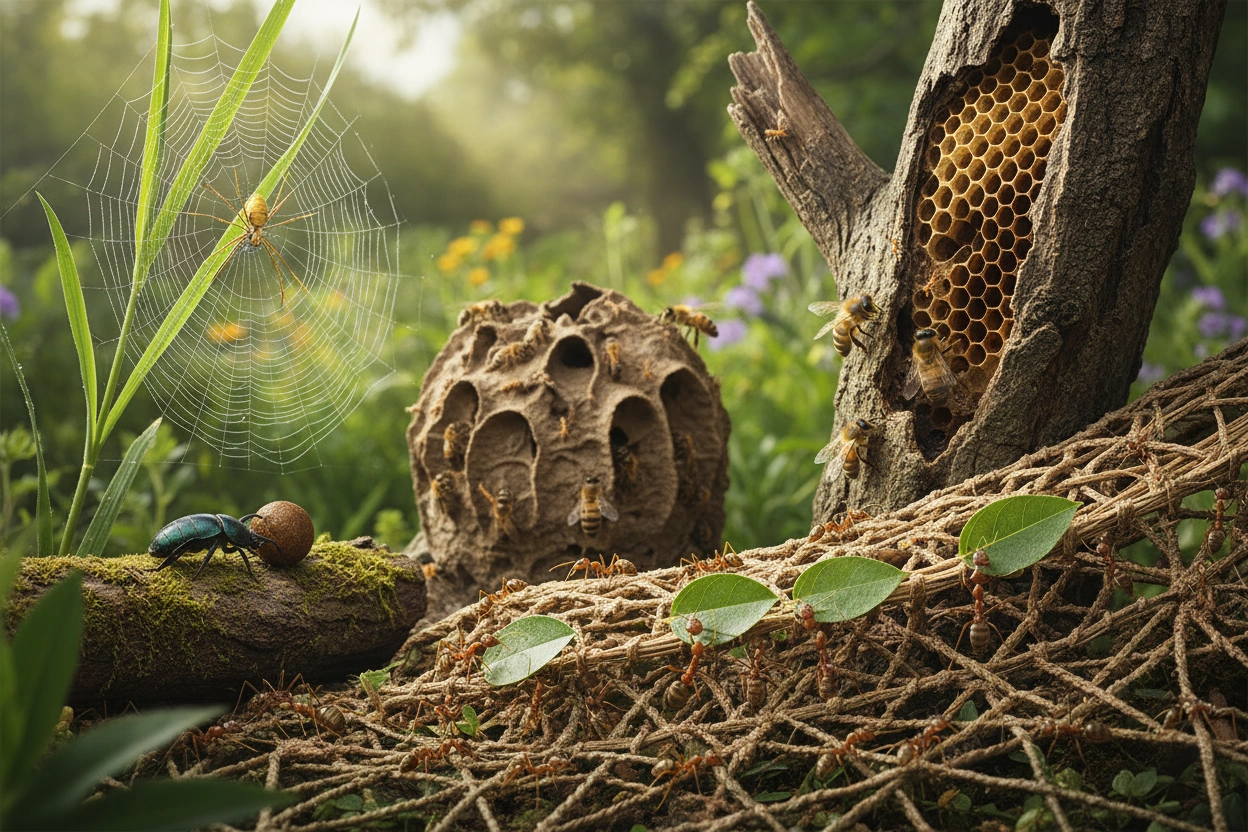
Professional image illustrating The Vital Contribution of Insects to Biodiversity

The Role of Pollinators in Plant Reproduction

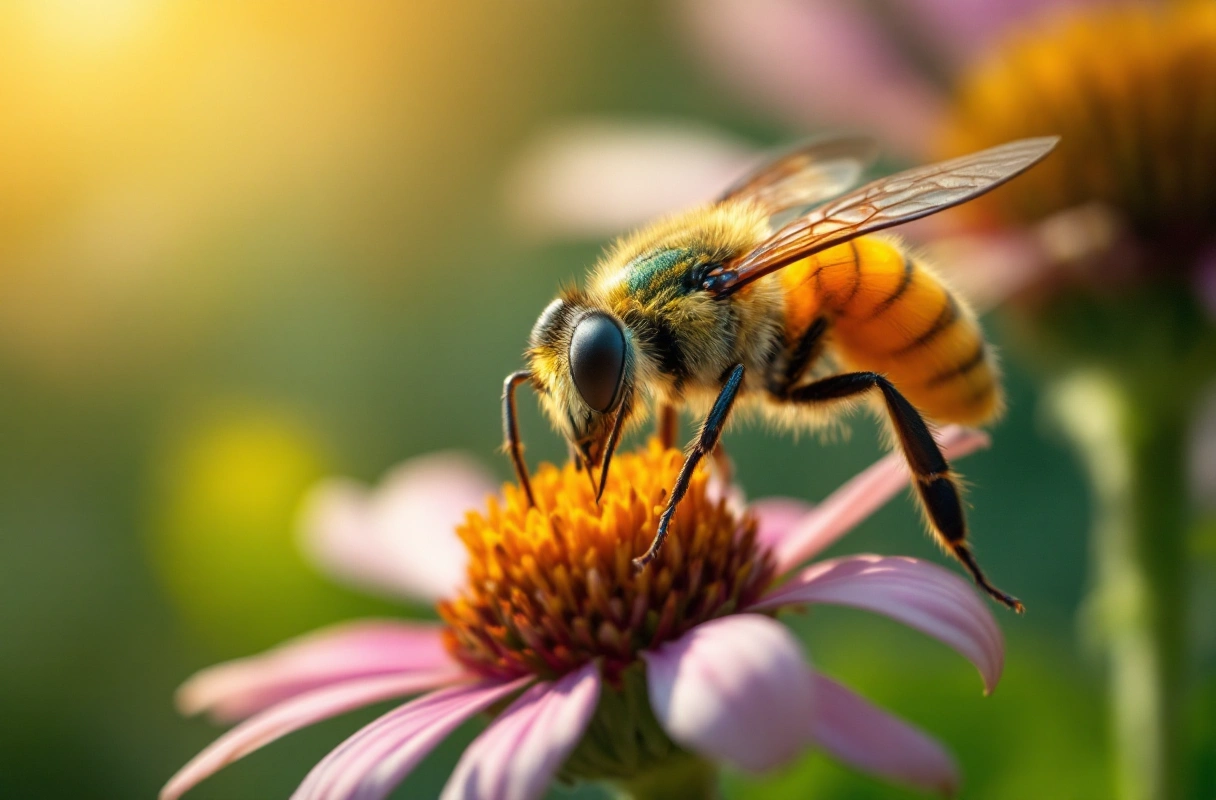
Pollinators are essential for the reproduction of many flowering plants. When insects visit flowers to collect nectar and pollen, they inadvertently transfer pollen from one flower to another, facilitating fertilization. This process is vital for producing fruits and seeds, which in turn support the entire food chain. Without pollinators, many plants would struggle to reproduce, leading to a decline in plant diversity.

  • Bees, particularly honeybees and bumblebees, are among the most effective pollinators due to their hairy bodies that collect pollen efficiently.
  • Butterflies and moths are also significant pollinators, especially for plants that bloom during the day and have brightly colored flowers.
  • Beetles, while less discussed, also contribute to pollination, particularly for ancient plants that evolved before bees.

Enhancing Ecosystem Resilience

The presence of diverse insect species in your garden contributes to the overall resilience of the ecosystem. Healthy insect populations can help regulate pests, promote plant health, and maintain soil fertility. A diverse insect community creates a balanced ecosystem where various species can thrive.
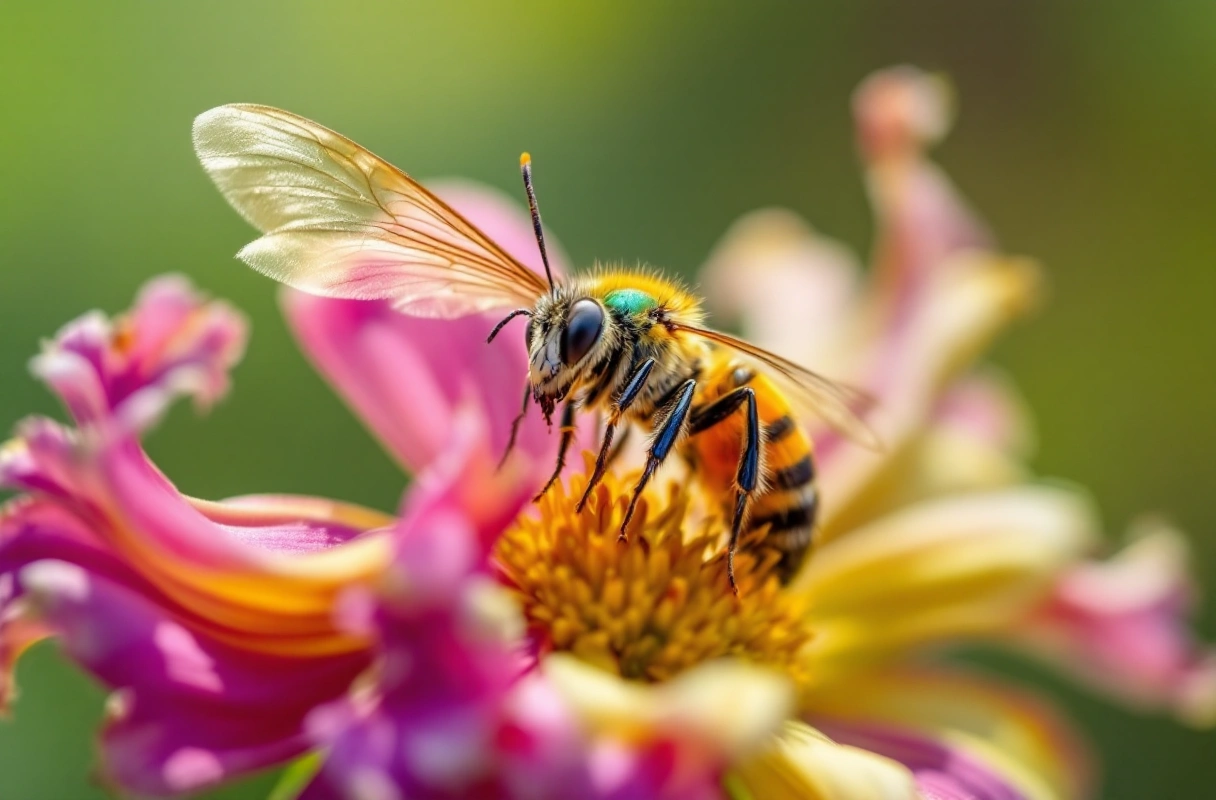
  • Predatory insects, such as ladybugs and lacewings, can keep pest populations in check, reducing the need for chemical pesticides.
  • Decomposers like ants and certain beetles break down organic matter, returning nutrients to the soil and promoting healthy plant growth.
  • A rich diversity of insects can also attract birds and other wildlife, enhancing the ecological balance of your garden.

How to Create a Pollinator-Friendly Garden

Professional image illustrating How to Create a Pollinator-Friendly Garden

Selecting the Right Plants

Choosing the right plants is crucial for attracting and supporting pollinator insects. Native plants, in particular, are well-suited for local pollinators as they have co-evolved with them.

  1. Research local native plants that thrive in your region.
  2. Incorporate a variety of flowering plants that bloom at different times to provide a continuous food source.
  3. Opt for plants with diverse flower shapes and colors to attract various types of pollinators.

Providing Essential Habitats

Creating habitats for pollinators in your garden is essential for their survival. This includes providing nesting sites and shelter from predators.

  • Leave patches of bare soil for ground-nesting bees.
  • Create brush piles or leave dead wood to provide shelter for various insects.
  • Consider installing bee hotels to support solitary bee species.

Reducing Pesticide Use

Chemical pesticides can be harmful to pollinators and should be used sparingly. Instead, consider natural alternatives and integrated pest management practices.
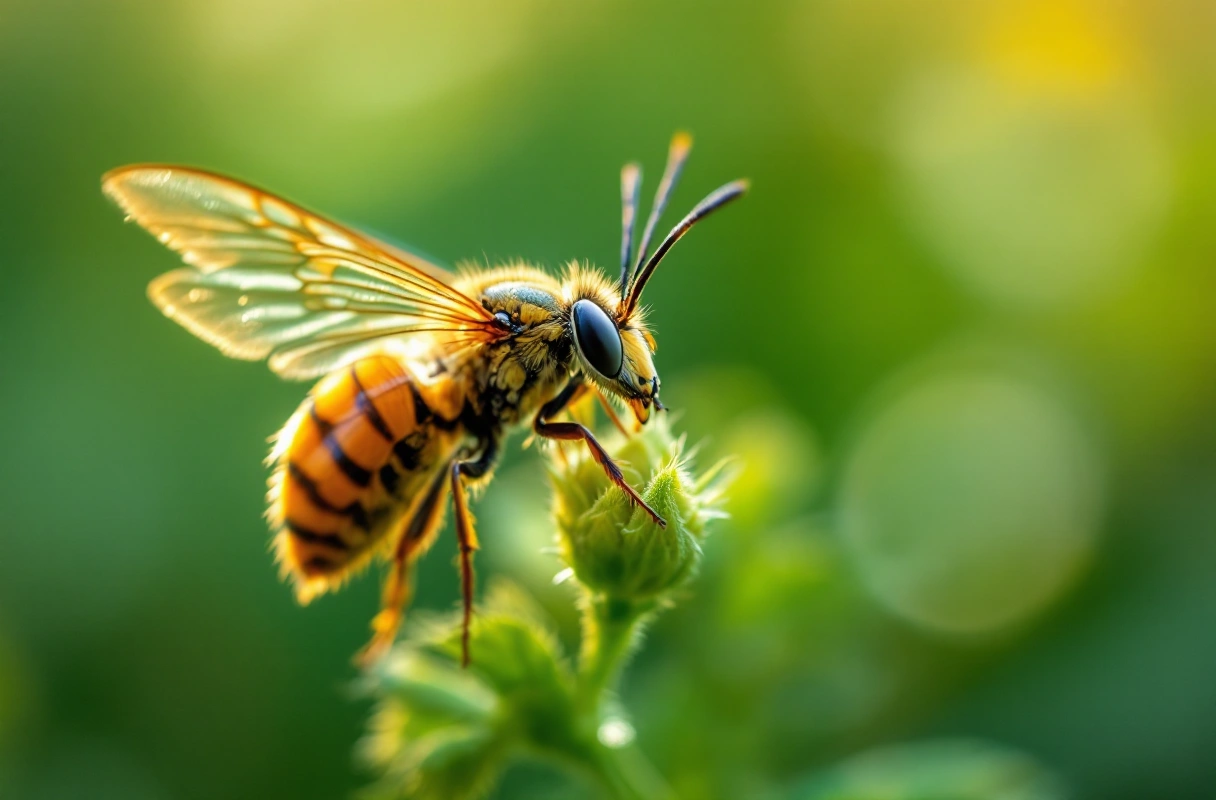
  1. Monitor your plants regularly for pests and diseases to intervene early.
  2. Use organic pest control methods, such as neem oil or insecticidal soap, which are less harmful to beneficial insects.
  3. Encourage beneficial insects by planting companion plants that attract them.

Common Misconceptions About Insects in Gardens

Professional image illustrating Common Misconceptions About Insects in Gardens

Misconception: All Insects Are Pests

One of the most prevalent misconceptions is that all insects are harmful to gardens. In reality, many insects play beneficial roles that are essential for a thriving garden ecosystem.

  • Pollinators are crucial for plant reproduction.
  • Predatory insects help control pest populations.
  • Decomposers enrich the soil, promoting plant health.

Misconception: Insects Are Only Important in Agricultural Settings

Another misconception is that the role of insects is limited to large-scale agricultural practices. Home gardens can benefit significantly from insect activity.

  • Pollinators enhance the yield of homegrown fruits and vegetables.
  • A diverse insect population can improve soil health, leading to more robust plant growth.
  • Home gardens can serve as important habitats for local insect populations, contributing to broader ecological health.

The Impact of Climate Change on Insects and Biodiversity

Altered Habitats and Migration Patterns

Climate change is altering habitats and the availability of resources for insects. As temperatures rise, many species are forced to adapt to new conditions or migrate to more suitable environments.

  • Pollinators may arrive at flowers earlier than usual, leading to mismatches between plant blooming times and insect activity.
  • Changes in precipitation patterns can affect the availability of water and food sources for insects.

Supporting Resilience Through Gardening Practices

Gardeners can play a crucial role in mitigating the effects of climate change on insect populations. By adopting sustainable gardening practices, you can help create resilient ecosystems.

  1. Embrace organic gardening techniques that build soil health and promote biodiversity.
  2. Use water-efficient gardening methods, such as drip irrigation, to conserve resources.
  3. Plant a diverse array of species to enhance ecosystem resilience against climate fluctuations.

The Future of Insects in Home Gardens

Trends in Gardening Practices

As awareness of the importance of insects grows, so too does the trend towards more ecologically friendly gardening practices. Home gardeners are increasingly looking for ways to support pollinator populations and enhance biodiversity.

  • The rise of permaculture emphasizes sustainable practices that mimic natural ecosystems.
  • Community gardening initiatives often include education on the importance of insects and biodiversity.
  • Many gardeners are adopting organic practices to avoid harmful chemicals, benefiting both insects and the environment.

The Role of Technology in Supporting Insect Populations

Advancements in technology are providing new ways to support insect populations in home gardens. From apps that help identify pollinators to tools for monitoring garden health, technology is enhancing our understanding and management of garden ecosystems.

  • Mobile applications can assist in identifying plant species and their associated pollinators.
  • Garden monitoring systems can track soil health and moisture levels, helping gardeners make informed decisions.

The Intersection of Insects and Community Gardening

Community gardens offer unique opportunities to enhance biodiversity and promote pollinator health. These shared spaces can be designed to attract and support insect populations while also serving educational purposes.

Engaging the Community

Community gardening initiatives can foster a greater appreciation for insects and their roles in ecosystems. Workshops and events can educate participants about the importance of pollinators.

  • Organizing planting days focused on native plants can help increase local biodiversity.
  • Educational sessions on sustainable gardening practices can empower community members to take action in their own gardens.

Collaboration for Greater Impact

Collaborating with local organizations can enhance the effectiveness of community gardening efforts. Partnering with environmental groups can provide resources and expertise to support pollinator-friendly practices.

  1. Seek partnerships with local conservation organizations for workshops and resources.
  2. Engage schools in gardening programs to educate younger generations about the importance of insects.
  3. Organize events that promote awareness of the critical role of pollinators in food production.

Embracing Insects in Your Gardening Journey

The role of insects in home gardens cannot be overstated. By understanding their contributions to biodiversity and ecosystem health, gardeners can create flourishing environments that support these vital creatures. Whether through selecting the right plants, providing habitats, or reducing pesticide use, there are many actionable steps you can take to enhance your garden's insect population.

Harnessing the Power of the Banana Slug Club

As you embark on your journey to create a pollinator-friendly garden, consider how the Banana Slug Club can assist you in your efforts. By providing resources, educational materials, and community support, the Banana Slug Club is dedicated to promoting biodiversity and the vital roles insects play in our ecosystems.

Visit Banana Slug Club to explore how you can further enhance your gardening practices and contribute to the health of local insect populations. Your efforts not only benefit your garden but also support the broader ecological landscape, ensuring a vibrant and sustainable future for all.

Join the Banana Slug Club!

Get free resources, early access to new features and updates.
No spam. Just fun educational emails!