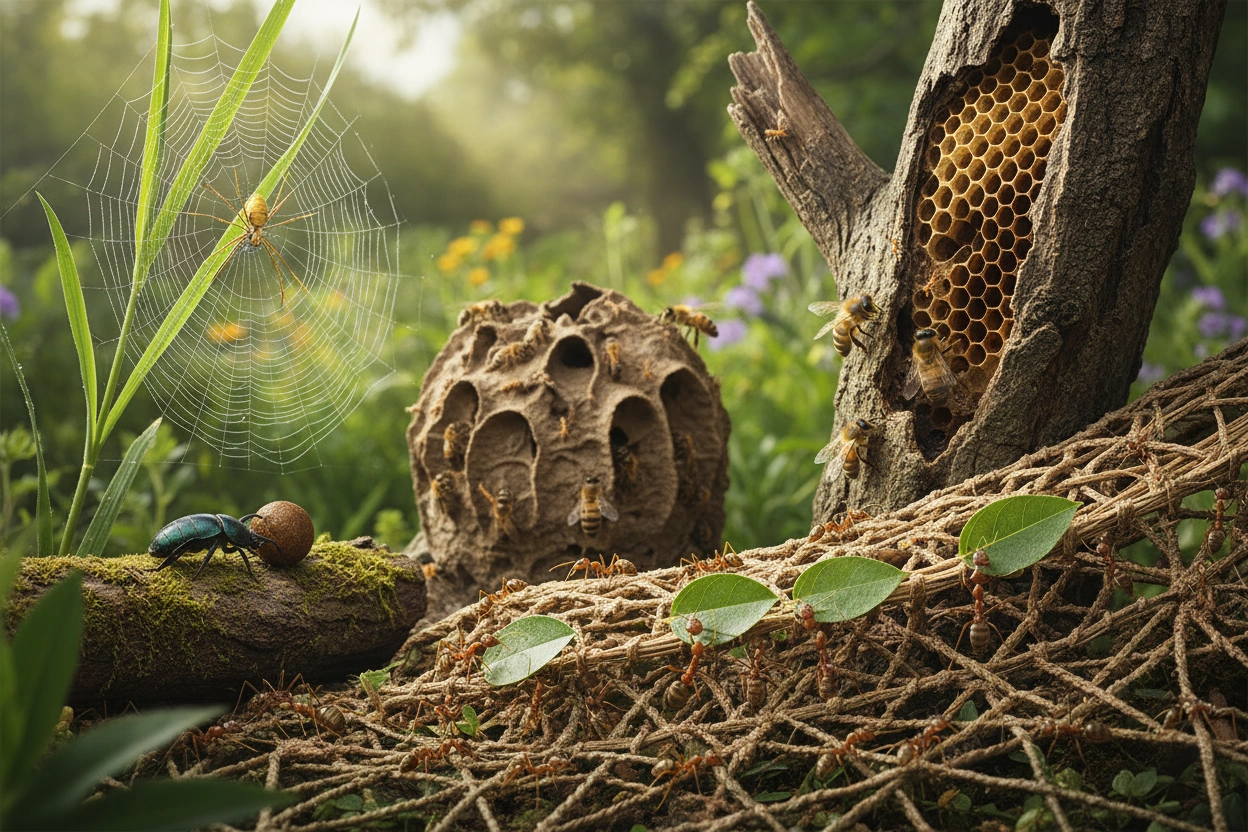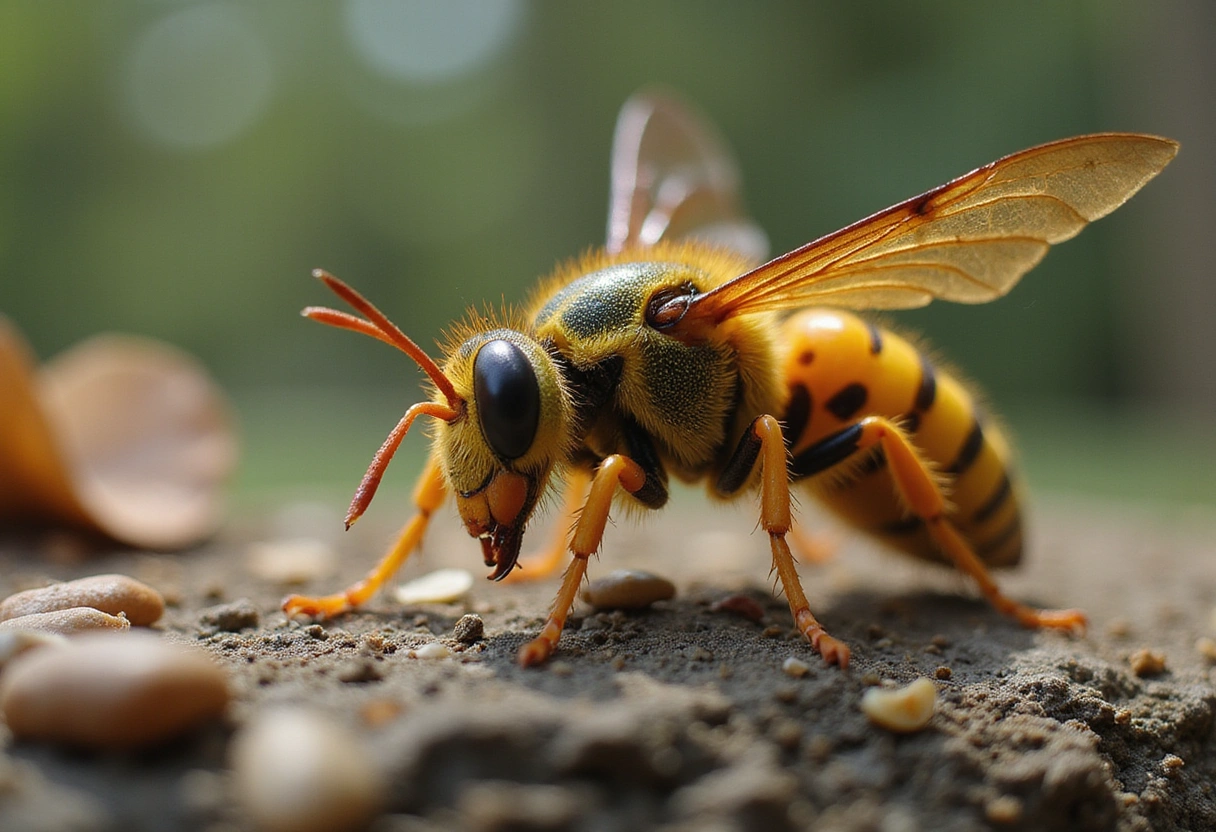
Insects have long been the underappreciated backbone of our ecosystems, yet their contributions extend far beyond mere biodiversity. The role of insects in medicine and human health is a fascinating and often overlooked area of study. As we delve into this subject, we will uncover how insects contribute not only to medical advancements but also to the health of ecosystems, which in turn supports human well-being. This exploration will reveal the intricate connections between insects and our health, highlighting the importance of these tiny creatures in a world increasingly reliant on natural solutions.
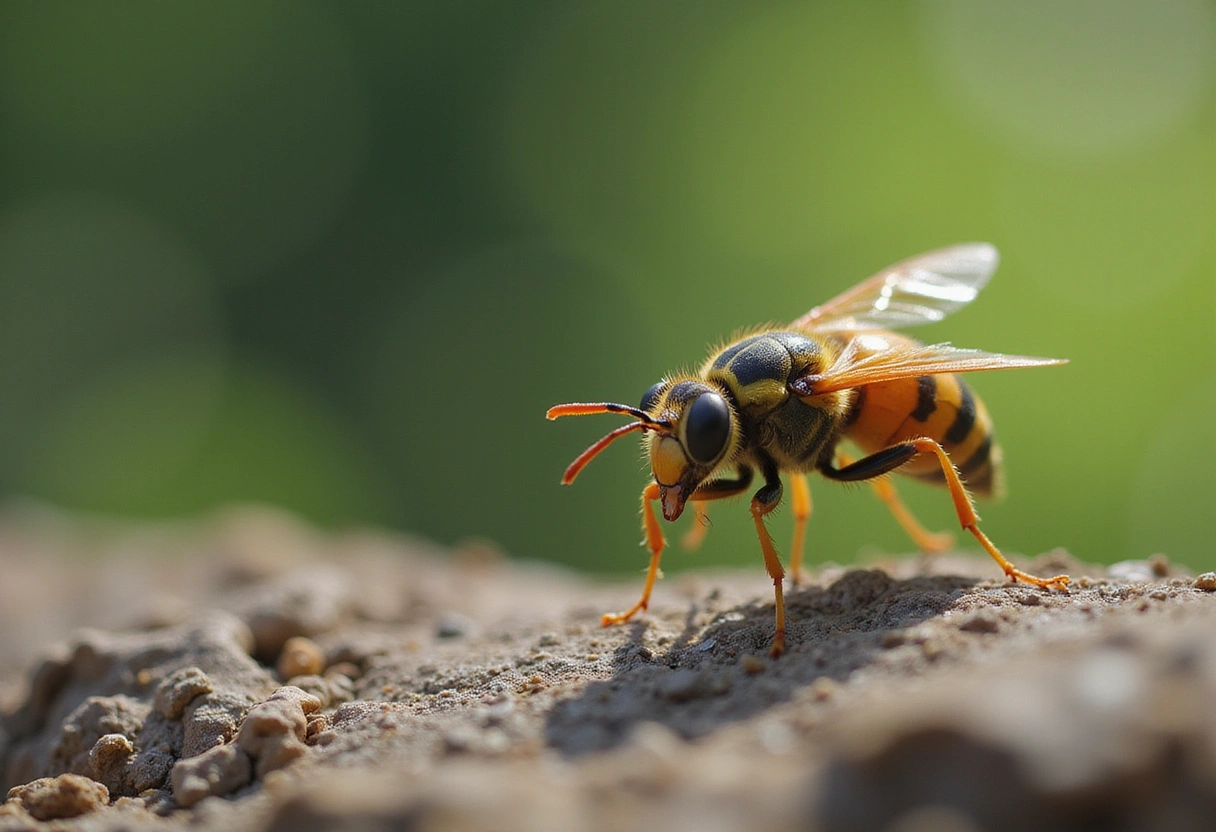
Insects have been utilized in medicine for centuries, with practices such as traditional Chinese medicine incorporating various insect species for their healing properties. In recent years, scientific research has expanded our understanding of the medicinal applications of insects, leading to innovative treatments and therapies.
The discovery of bioactive compounds in insects has opened up new avenues for pharmaceutical development. Many insects produce substances that possess antimicrobial, anti-inflammatory, and analgesic properties. For instance, the venom of certain wasps and bees contains peptides that have been studied for their potential in pain management and inflammation reduction.
Antimicrobial Properties: Research has shown that compounds derived from insect secretions can combat antibiotic-resistant bacteria. For example, the secretions from the larvae of the wax moth have demonstrated significant antimicrobial activity against various pathogens.
Anticancer Agents: Certain beetles and ants produce substances that have shown promise in cancer treatment. Studies have indicated that these compounds can inhibit tumor growth and induce apoptosis in cancer cells.
Insects serve as invaluable models for studying human diseases due to their genetic similarities and rapid life cycles. The fruit fly, Drosophila melanogaster, is a prime example; it has been instrumental in genetic research and has helped scientists uncover fundamental biological processes that are applicable to human health.
Genetic Research: The genetic makeup of insects can provide insights into the mechanisms of diseases such as Alzheimer's and Parkinson's. By manipulating genes in fruit flies, researchers can observe the effects of these changes on biological functions, paving the way for potential treatments.
Disease Transmission Studies: Insects, particularly mosquitoes, are vectors for numerous diseases like malaria and dengue fever. Studying these insects helps scientists understand transmission dynamics and develop effective control strategies.
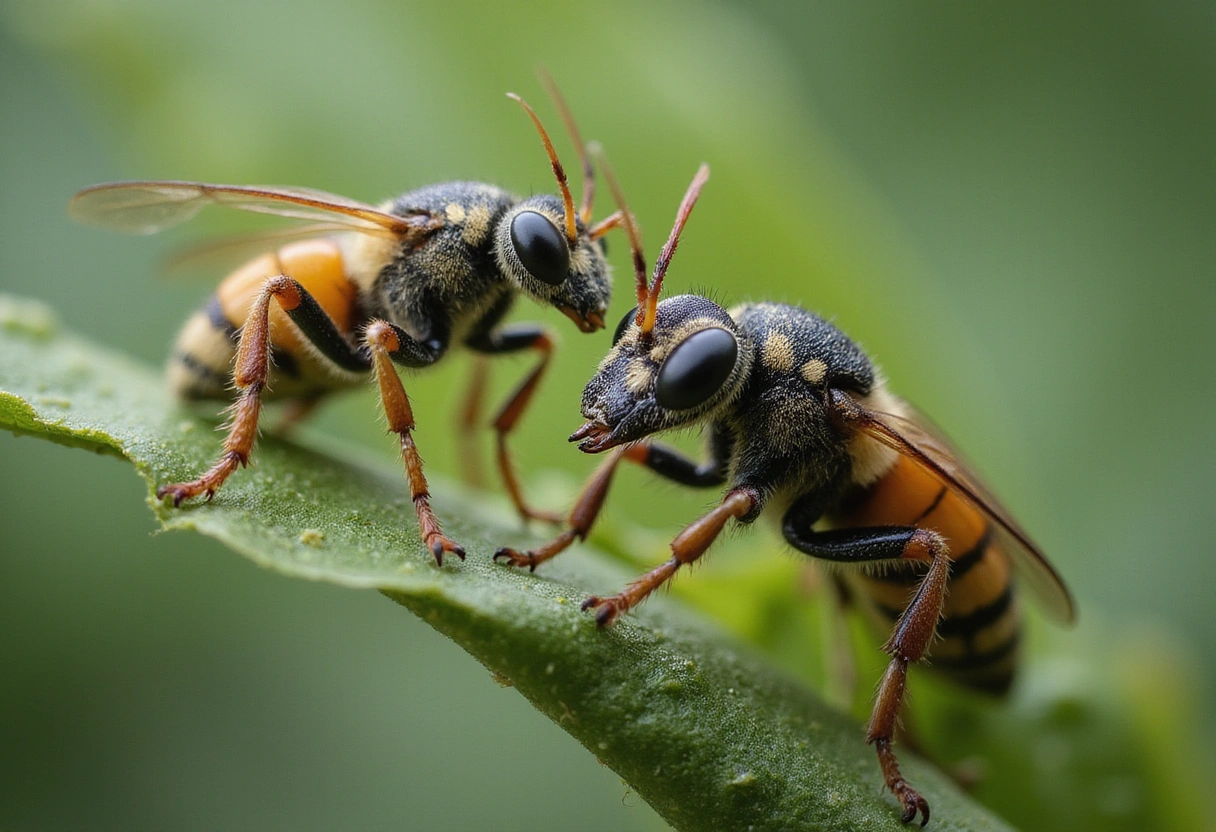
Insects play a crucial role in maintaining biodiversity within ecosystems. Their activities support various ecological functions that are vital for the health of our planet.
One of the most significant contributions of insects to ecosystems is their role in pollination. Approximately 75% of flowering plants depend on insect pollinators, such as bees, butterflies, and beetles, to reproduce. This relationship is essential for food production and maintaining plant diversity.
Food Production: Insects are responsible for pollinating many crops that humans rely on for food. Without these pollinators, the agricultural industry would face severe challenges, leading to food shortages and economic instability.
Ecosystem Health: Pollination contributes to the genetic diversity of plant populations, which is vital for ecosystem resilience. Diverse plant life supports various animal species, creating balanced ecosystems.
Insects also play a significant role in soil health and nutrient cycling. Decomposers, such as beetles and termites, break down organic matter, returning vital nutrients to the soil and promoting plant growth.
Nutrient Recycling: By decomposing organic materials, insects help maintain soil fertility, which is essential for agriculture and natural ecosystems. Healthy soils support robust plant life, which in turn provides habitats for other organisms.
Soil Aeration: Insects like ants and beetles contribute to soil aeration through their burrowing activities. This aeration improves water infiltration and root growth, enhancing plant health and productivity.

Despite the significant benefits insects provide, several misconceptions persist regarding their role in medicine and human health.
Many people view insects primarily as pests, failing to recognize their potential benefits. While certain insects can cause harm, such as crop damage or disease transmission, the majority of insect species play critical roles in maintaining ecological balance and supporting human health.
Balanced Ecosystems: Insects contribute to the food web, supporting various animal species and promoting biodiversity. This balance is crucial for ecosystem stability and resilience against environmental changes.
Potential Solutions: As global health challenges, such as antibiotic resistance and chronic diseases, become more pressing, insects may offer innovative solutions. Harnessing their natural properties could lead to breakthroughs in medical treatments.
Another common misconception is the safety of using insect-derived products in medicine. While concerns about allergies and toxicity exist, many insect-derived substances have been thoroughly tested and found to be safe for human use. Insect-derived products in medicine.
Regulatory Standards: Insect-based products are subject to rigorous testing and regulatory standards, ensuring their safety and efficacy before they reach consumers.
Traditional Uses: Many cultures have safely used insect-derived remedies for generations, demonstrating their potential as viable therapeutic options.
To fully leverage the benefits of insects in medicine and human health, several actionable strategies can be implemented.
Investing in research focused on the medicinal properties of insects can lead to significant advancements in healthcare.
Raising awareness about the benefits of insects can help shift public perception and encourage acceptance of insect-based products.
Promoting sustainable practices in agriculture and pest management can enhance the benefits of insects while minimizing harm.
The intricate relationship between insects, ecosystems, and human health is a testament to the importance of these creatures in our lives. By recognizing the invaluable contributions of insects to medicine and the health of our ecosystems, we can foster a greater appreciation for their role in sustaining our planet.
As we have explored, insects are not merely pests but essential allies in the fight for better health and environmental sustainability. The Banana Slug Club is dedicated to educating nature enthusiasts, students, and children about the fascinating world of insects and their contributions to science and ecology. By engaging with our community, you can learn more about the critical roles insects play and how you can help protect their habitats.
We invite you to visit our website for more information and resources on how to get involved with the Banana Slug Club. Together, we can cultivate a deeper understanding of the natural world and inspire the next generation of scientists and conservationists. Embrace the world of insects and discover how these tiny creatures can lead us to a healthier future.
Get free resources, early access to new features and updates.
No spam. Just fun educational emails!


.svg)
.svg)