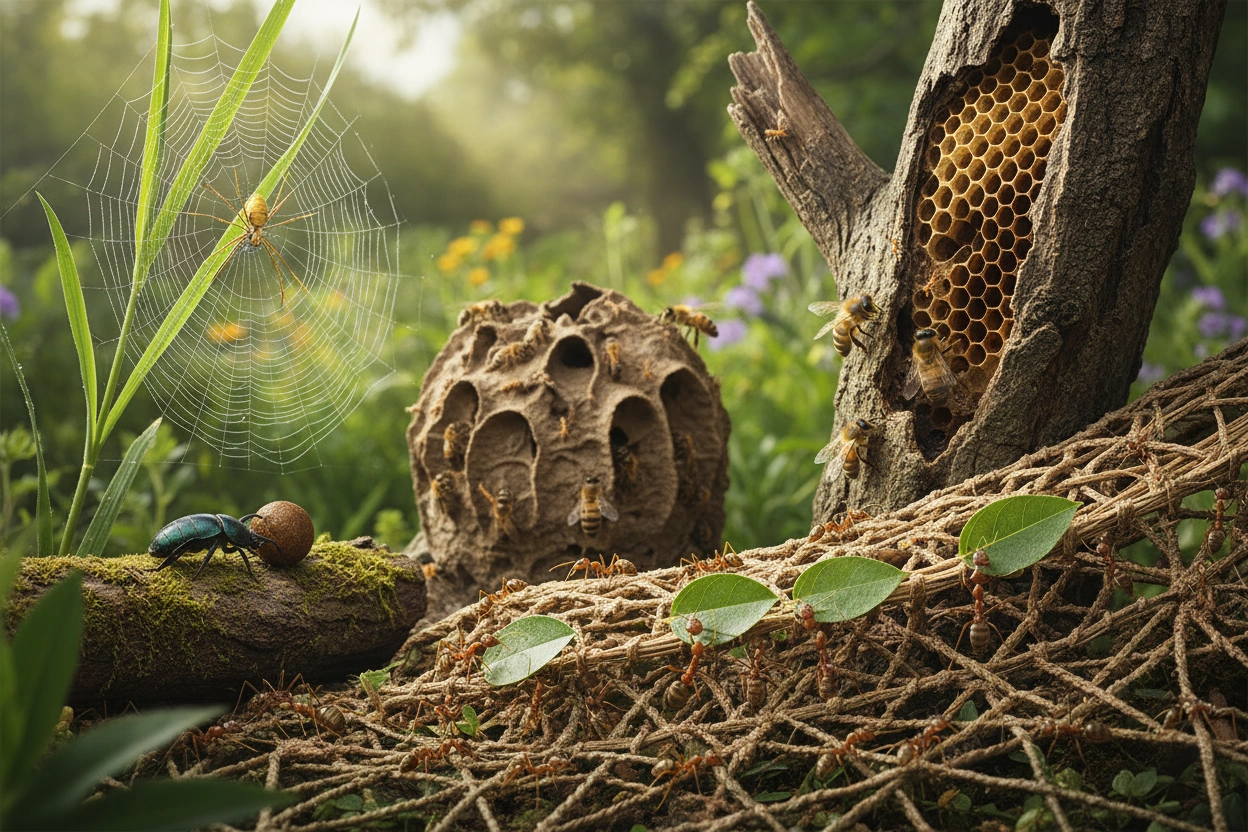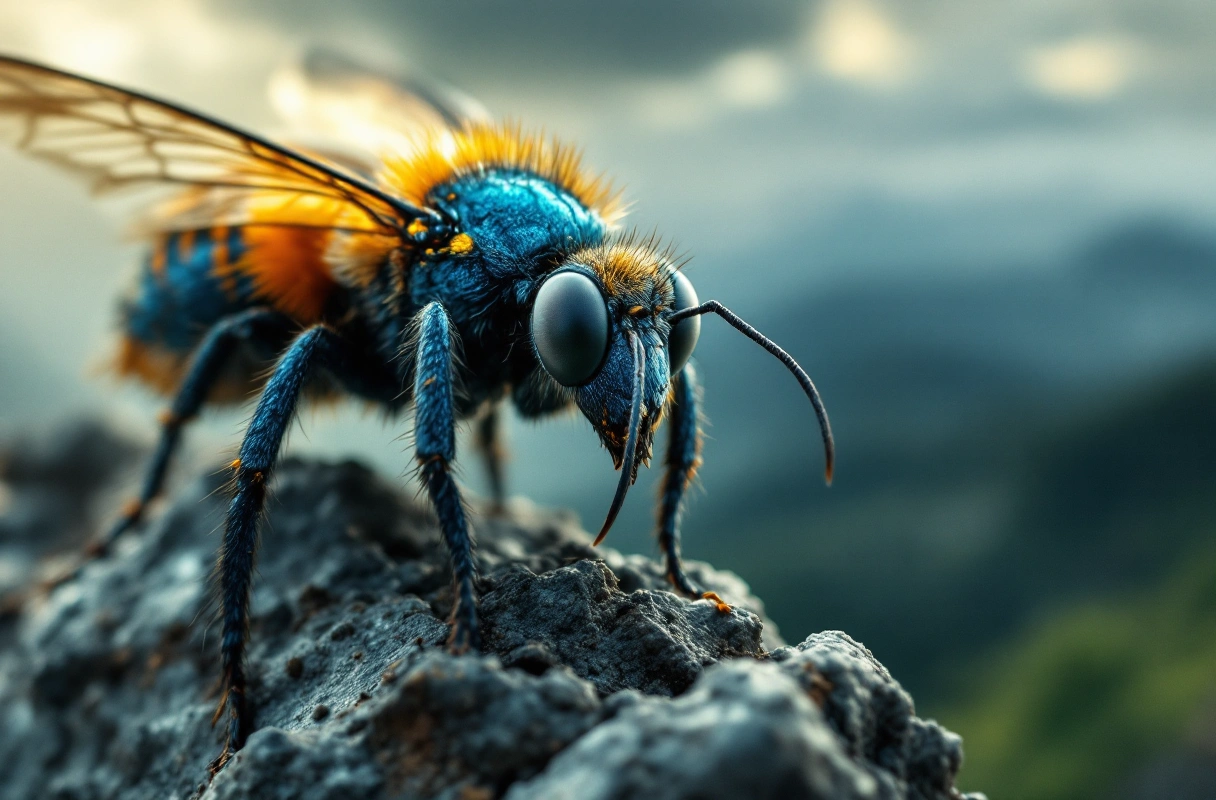
Insects play a crucial role in the ecosystem, serving as pollinators, decomposers, and a food source for many animals. Their significance extends beyond mere biodiversity; they are pivotal in climate change adaptation strategies. As we grapple with the impacts of climate change, understanding how insect species can adapt and contribute to ecosystem resilience becomes increasingly important. This article delves into the fascinating world of insects, their role in climate adaptation, and highlights ten remarkable insect species that exemplify these traits.
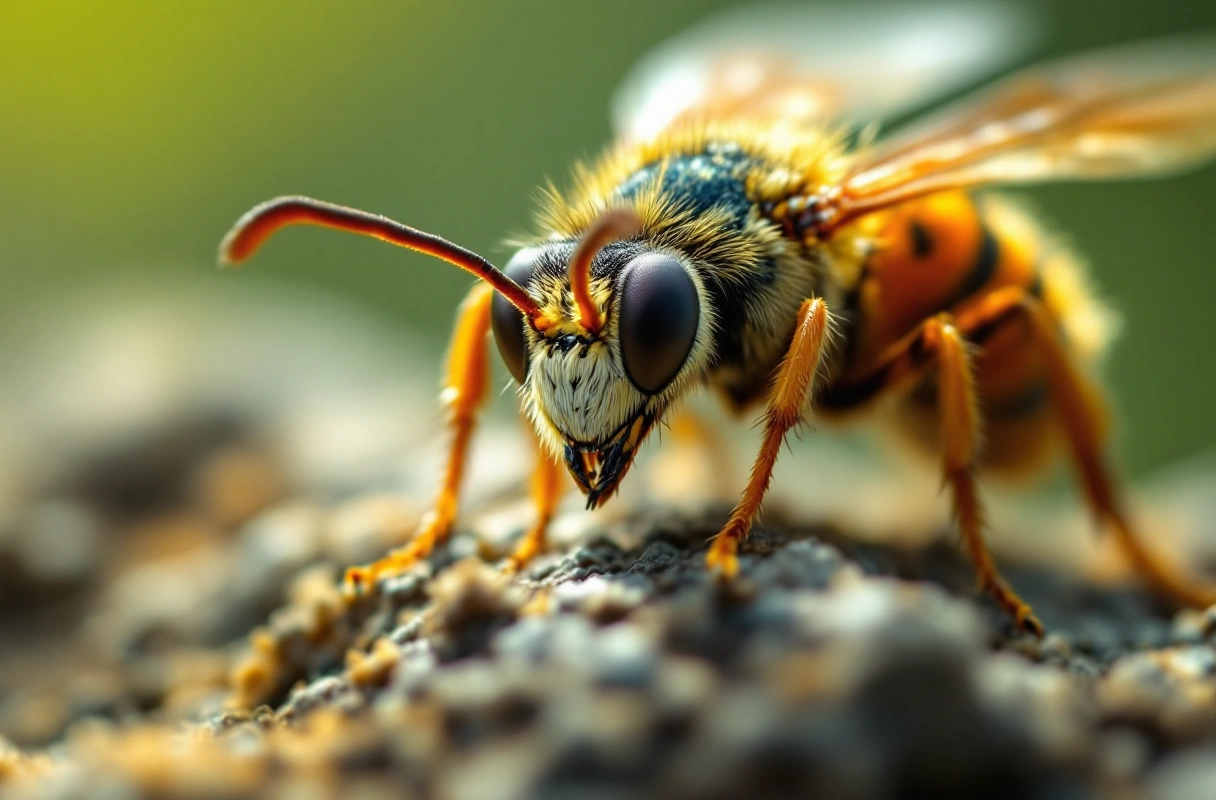
Insects are not just small creatures scurrying around; they are vital components of healthy ecosystems. They contribute to nutrient cycling, soil formation, and plant growth through their activities. For instance, insects like ants aerate the soil, facilitating water infiltration and root growth. This aeration is particularly crucial in areas facing soil degradation due to climate change.
Moreover, insects play a significant role in their role in pollination. Approximately 75% of flowering plants depend on insect pollinators, including bees, butterflies, and beetles, for reproduction. As climate patterns shift, these insects are adapting their behaviors and life cycles to ensure the continuation of plant species. Understanding these adaptations can help us develop strategies to mitigate the impacts of climate change on food production and biodiversity.
Insects are adapting to climate change in various ways, including shifts in their geographical distribution, changes in life cycles, and alterations in behavior. For instance, warmer temperatures may cause certain insect species to migrate to cooler areas, thereby affecting local ecosystems and food webs. Additionally, some insects are altering their reproductive cycles to synchronize with the blooming of plants, ensuring that they have sufficient food resources during critical life stages.
Geographical Distribution: Many insect species are shifting their ranges poleward or to higher elevations in response to rising temperatures. This migration can disrupt existing ecosystems and lead to the extinction of local species that cannot adapt quickly enough.
Life Cycle Changes: Insects are experiencing changes in their development times. Warmer temperatures can accelerate growth rates, leading to more generations per season. For example, some butterfly species are emerging earlier in the spring than they did a few decades ago, which can misalign their life cycles with the availability of food plants.
Behavioral Adaptations: Insects are also changing their behaviors in response to climate impacts. For instance, many bees are altering their foraging patterns and times to optimize their energy use in warmer conditions. These behavioral adaptations are essential for their survival and can have cascading effects on plant pollination and ecosystem health.
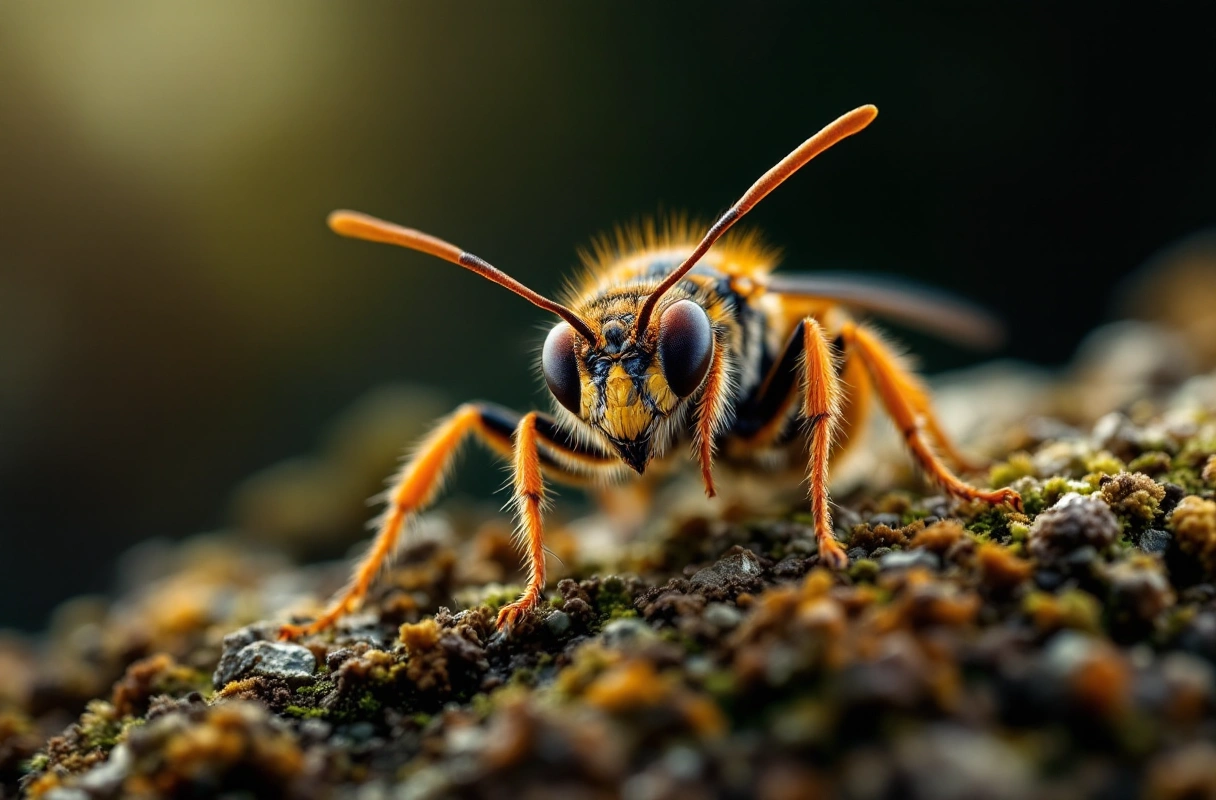
Insects are incredibly diverse, with millions of species identified and countless more yet to be discovered. Here are ten remarkable insect species that showcase unique adaptations and contributions to their ecosystems.
The Monarch butterfly is renowned for its long migratory journey from North America to central Mexico. This species has adapted its life cycle to synchronize with the blooming of milkweed, its primary food source for larvae. As climate change alters weather patterns, Monarchs are adjusting their migration routes and timing, making them a vital indicator of ecological health.
Leafcutter ants are fascinating for their complex social structures and mutualistic relationships with fungi. They cut leaves and transport them to their nests, where they cultivate fungi, which serves as their primary food source. Their ability to adapt to changing environments makes them resilient to climate fluctuations, showcasing the interplay between insects and their ecosystems.
Honeybees are critical pollinators for many crops and wildflowers. They are adapting to climate change by altering their foraging habits and hive behaviors. The decline of honeybee populations due to climate-related stressors underscores the importance of protecting these insects for food security and biodiversity.
The desert locust is known for its swarming behavior, which can devastate crops. Climate change influences locust population dynamics and swarming patterns, making them a significant concern for agricultural systems. Understanding their life cycle and adaptability can help mitigate their impact on food production.
The bombardier beetle is famous for its unique defense mechanism, which involves ejecting a hot chemical spray to deter predators. This remarkable adaptation allows it to thrive in various environments, showcasing the resilience of insect species in the face of ecological challenges.
Dragonflies are not only beautiful but also serve as indicators of environmental health. Their sensitivity to water quality makes them crucial for monitoring aquatic ecosystems. As climate change affects water bodies, studying dragonfly populations can provide insights into the broader impacts on biodiversity.
Fireflies are known for their bioluminescence and are vital for maintaining healthy ecosystems as pollinators. Changes in temperature and humidity can impact their mating behaviors and habitat availability. Their adaptability to changing conditions is a testament to the resilience of insect species.
Cicadas are famous for their periodic emergence, with some species appearing every 13 or 17 years. Climate change can affect their life cycles and emergence patterns. Understanding these changes can help scientists predict ecological impacts and manage ecosystems more effectively.
The silk moth is a prime example of how insects contribute to human economies. They are cultivated for silk production, which is influenced by temperature and humidity. As climate change alters these conditions, understanding their life cycle adaptations is essential for sustainable silk production.
Termites play a crucial role in nutrient cycling and soil health. Their ability to decompose organic matter and improve soil structure is vital for ecosystem resilience. As climate change affects their habitats, studying termite behavior can provide insights into maintaining healthy ecosystems.

The role of insects in climate change adaptation cannot be overstated. As keystone species, their ability to adapt to shifting environmental conditions can significantly influence influence ecosystem resilience and functionality. By studying insects, researchers can gain valuable insights into broader ecological trends and develop strategies to enhance biodiversity and sustainability.
Despite their importance, there are several misconceptions surrounding insects and their role in climate change. Understanding these can help foster a better appreciation of their contributions and the challenges they face.
Insects are pests: While some insects can be harmful, many are essential for pollination, decomposition, and maintaining ecological balance. Recognizing their positive contributions is crucial for biodiversity conservation.
Climate change only affects larger animals: Insects are often overlooked in discussions about climate change impacts. However, they are highly sensitive to environmental changes and can serve as indicators of ecological health.
Adaptation is solely a biological process: While many insect adaptations are biological, behavioral changes also play a significant role. Understanding both aspects is essential for developing effective conservation strategies.
To support insects in adapting to climate change, individuals and communities can take several practical steps:
Create Pollinator Gardens: Planting native flowers and avoiding pesticides can provide essential habitats for pollinators like bees and butterflies.
Support Sustainable Agriculture: Choosing sustainably produced food can reduce the impact of agriculture on insect populations and their habitats.
Educate Others: Raising awareness about the importance of insects can help foster a culture of conservation and encourage others to take action.
Participate in Citizen Science: Engaging in local biodiversity monitoring programs can contribute valuable data to researchers studying insect populations and their responses to climate change.
Advocate for Policy Change: Supporting policies that protect habitats and promote biodiversity can create a more favorable environment for insects to thrive.
The exploration of insects and their role in climate change adaptation reveals a complex interplay between these remarkable creatures and their environments. As we strive to understand and mitigate the impacts of climate change, the insights gained from studying insects are invaluable.
Banana Slug Club is dedicated to promoting education and conservation efforts that highlight the importance of biodiversity, including the fascinating world of insects. By engaging with our community, you can learn more about how to support insect populations and contribute to a sustainable future.
Visit Banana Slug Club to discover more about our initiatives, resources, and how you can get involved in making a difference. Together, we can foster a deeper appreciation for insects and their critical role in our ecosystems.
Get free resources, early access to new features and updates.
No spam. Just fun educational emails!


.svg)
.svg)