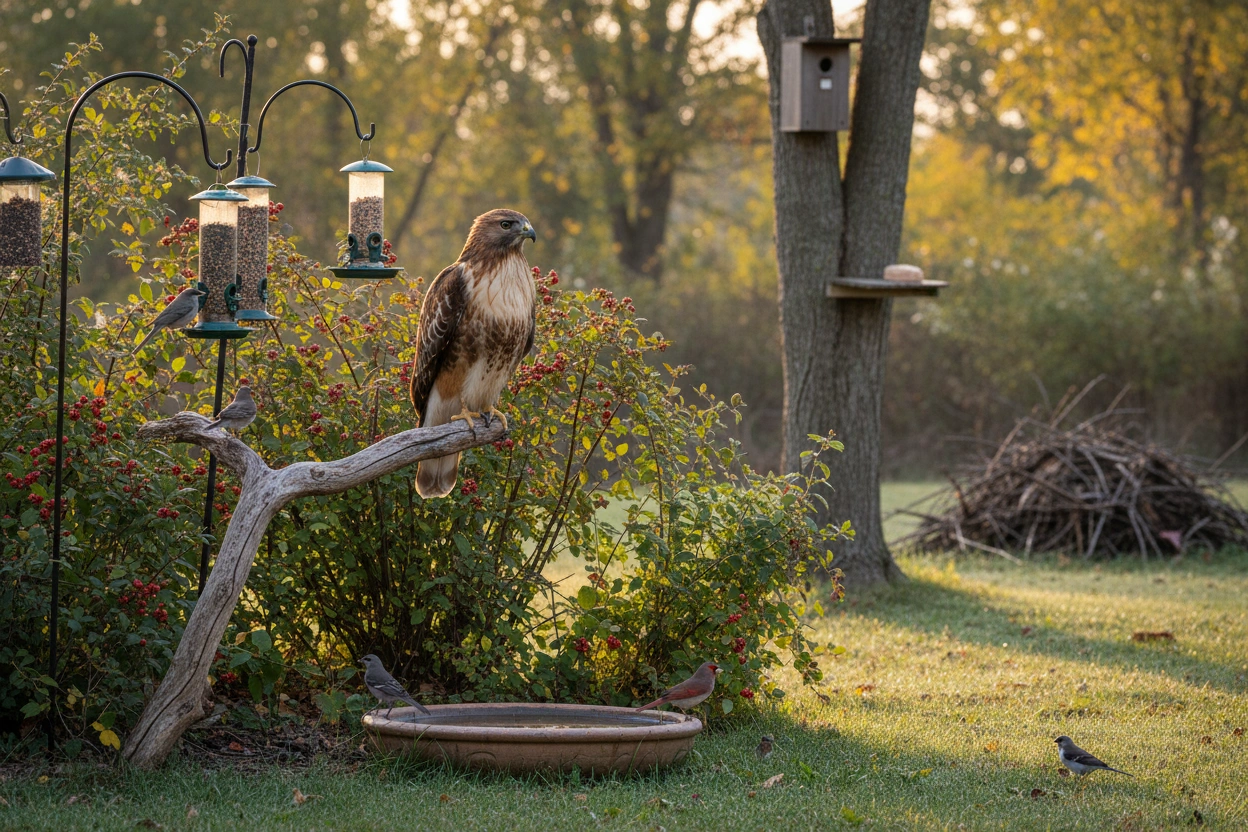
Creating a bird-friendly yard is not just about enhancing your outdoor aesthetics; it’s a purposeful effort to foster local wildlife, particularly birds of prey. Raptors, such as hawks, owls, and eagles, play a crucial role in maintaining ecological balance. By designing your yard to attract these magnificent birds, you not only contribute to their conservation but also enrich your birdwatching experiences. This guide delves deep into understanding the behavior of raptors, practical strategies for creating a welcoming habitat, and the common misconceptions surrounding these birds.
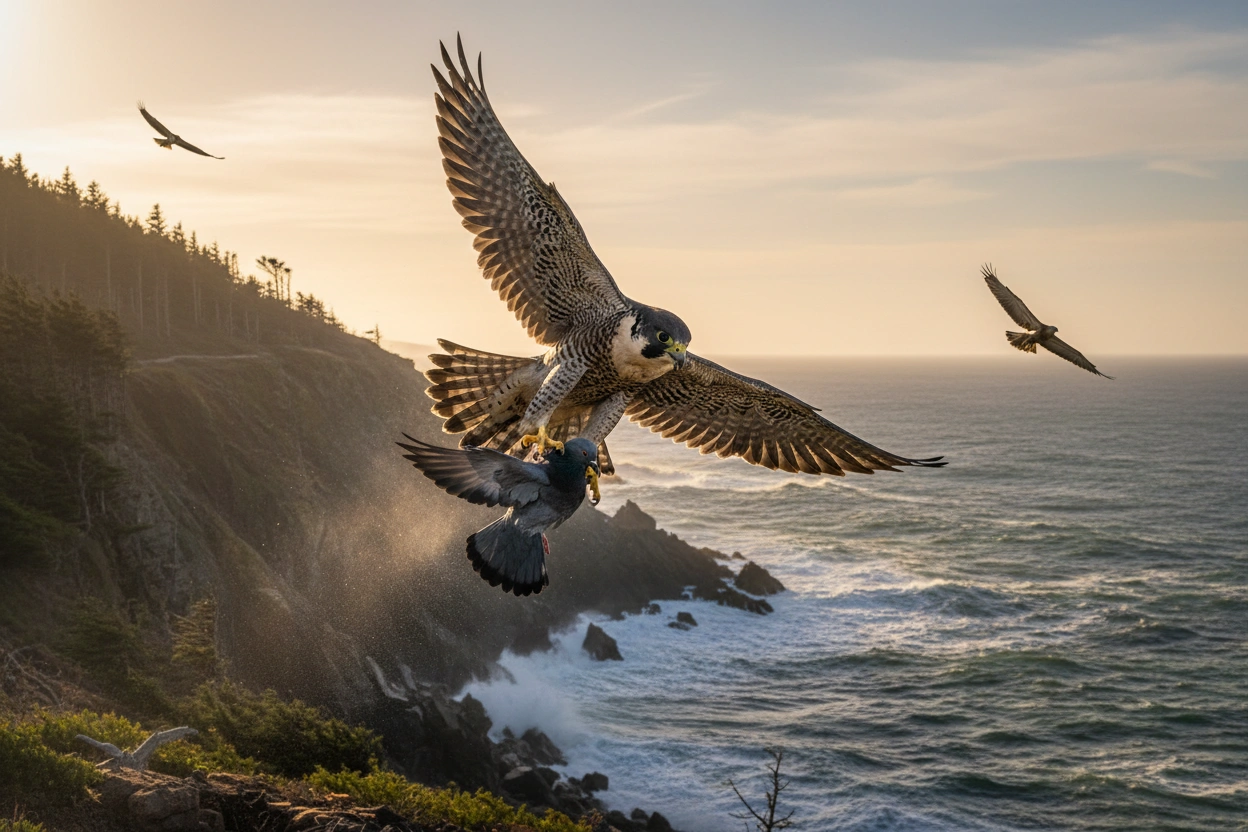
Birds of prey exhibit a range of fascinating behaviors that are essential to their survival and can influence how you design your yard. Raptors are primarily characterized by their keen eyesight, powerful talons, and strong beaks, which they use for hunting and feeding. Understanding these traits is vital for creating an environment that attracts them.
Raptors are carnivorous and typically hunt small mammals, birds, and reptiles. Their hunting strategies vary by species:
Creating a bird-friendly yard involves understanding these behaviors and providing the necessary food sources. Consider incorporating native plants that attract smaller mammals and birds, which serve as prey for these raptors.
Nesting habits are another critical aspect of raptor behavior. Different species have specific nesting preferences:
To attract raptors, consider providing nesting platforms or leaving some trees untrimmed. This approach not only supports local wildlife but also enhances the natural aesthetic of your yard.
Raptors are territorial and will defend their nesting sites vigorously. Understanding this behavior is vital when designing your yard. By maintaining an environment that minimizes disturbances—like loud noises or frequent human activity—you can encourage these birds to feel secure and remain in your area.
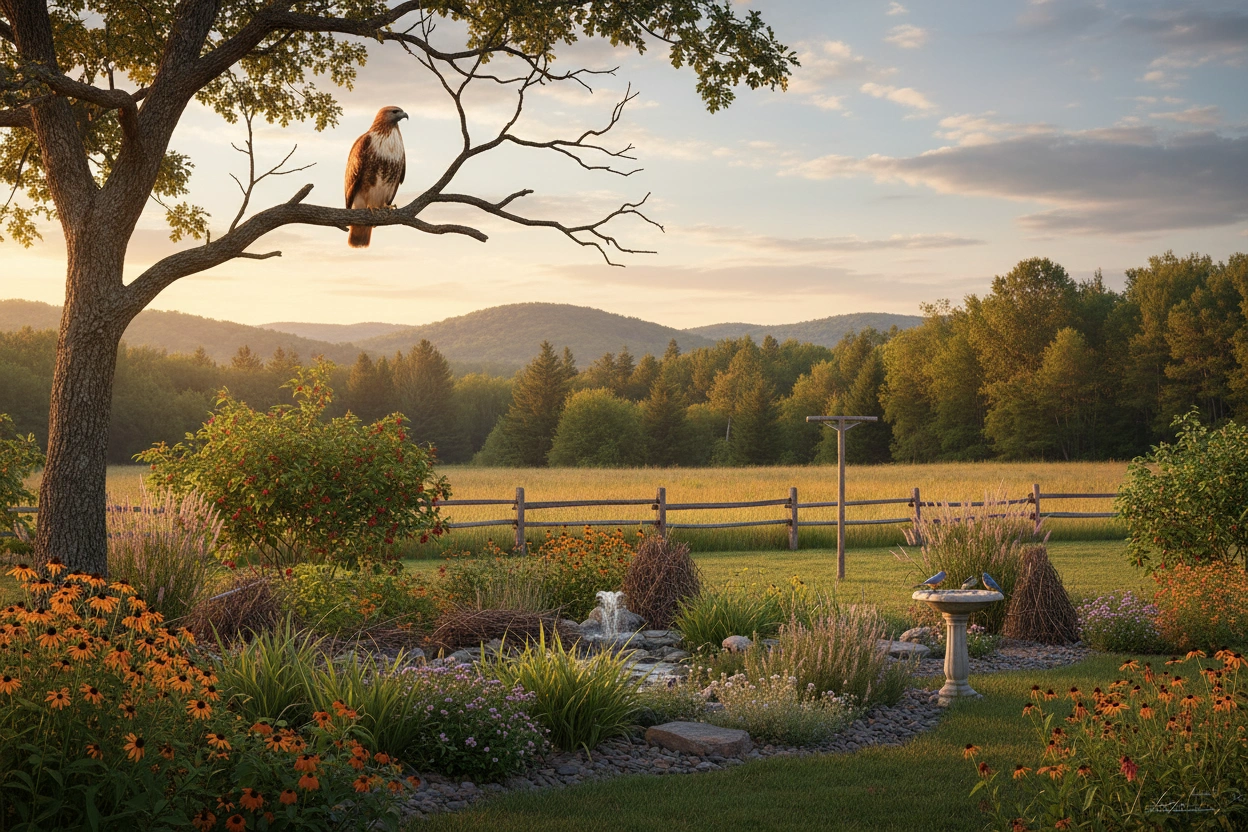
Creating an environment that attracts birds of prey involves strategic planning and implementation. Here are essential steps to consider:
Native plants are essential in creating a supportive ecosystem. They provide food, shelter, and nesting sites for local wildlife. When selecting plants, prioritize:
Raptors require open spaces for hunting. A clear view of the ground allows them to spot potential prey. When landscaping, consider the following:
Access to clean water is crucial for attracting birds of prey. Consider installing:
Pesticides can harm birds directly or reduce their food sources. To create a safe environment:
Offering artificial nesting platforms can significantly increase the chances of attracting raptors. Consider:
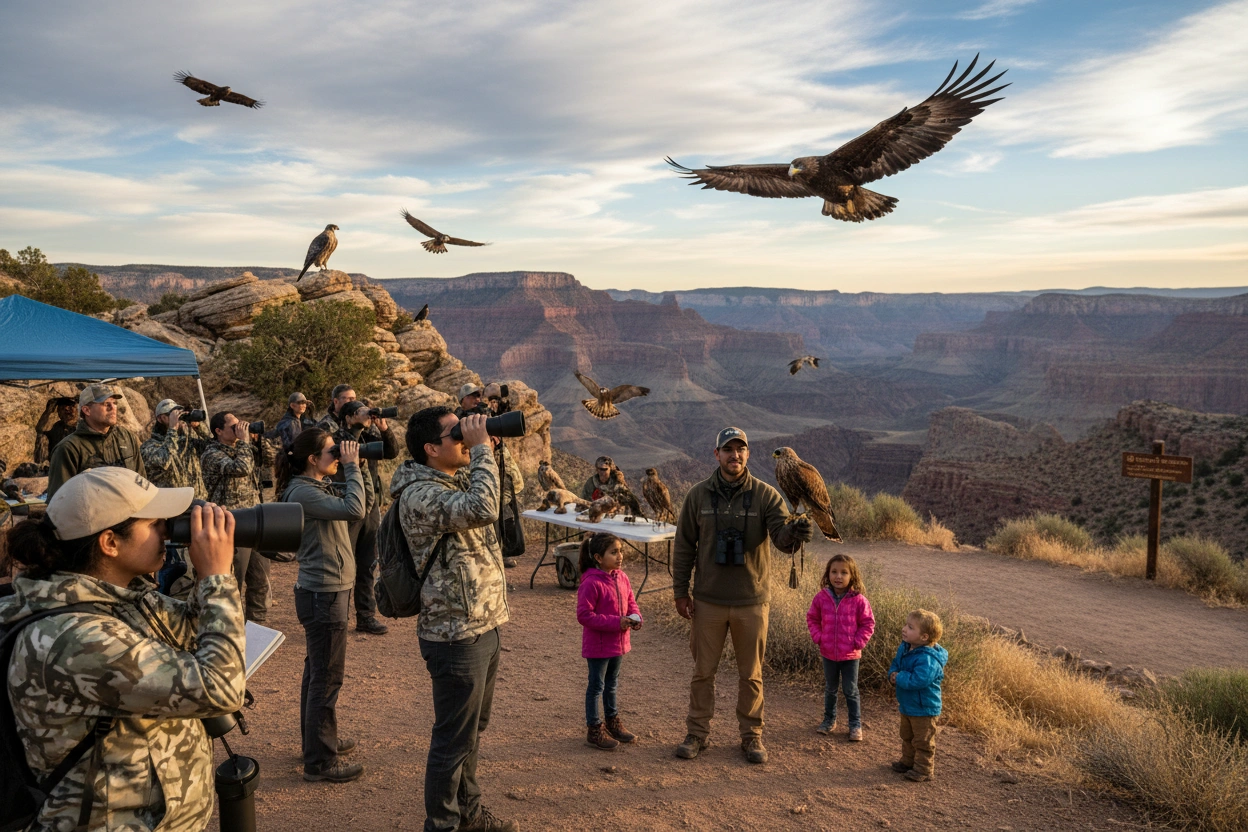
Participating in birdwatching tours can enhance your understanding of local birds of prey and their behaviors. These tours offer opportunities to observe raptors in their natural habitats and learn from experienced guides. Here are some benefits of engaging in birdwatching tours:
Despite their fascinating nature, raptors are often misunderstood. Addressing these misconceptions can enhance public appreciation and support for these birds.
Many believe that birds of prey pose a significant threat to household pets. While it is true that larger raptors can capture small animals, incidents are rare. Educating yourself about local raptor species and their prey preferences can ease concerns.
While some raptors, like owls, are nocturnal, many species, such as hawks and eagles, are diurnal. Understanding the behavior of specific raptor species can help you create a yard that appeals to both day and night hunters.
While some raptors are solitary, many species, including certain hawks and eagles, may be seen in pairs or small groups, especially during breeding season. Knowing this can enhance your birdwatching experiences, as you may spot more than one bird in your area.
Citizen science initiatives play a vital role in the conservation of birds of prey. By participating in local projects, you can contribute to important research and monitoring efforts. Here are ways to get involved:
As you cultivate a bird-friendly yard, remember that the goal is not only to attract local birds of prey but also to create a thriving ecosystem that benefits all wildlife. By implementing these strategies, you can significantly enhance your yard's appeal to raptors and contribute to their conservation.
Creating a habitat for birds of prey provides numerous benefits:
Creating a bird-friendly yard is an exciting and impactful endeavor. As you work towards attracting local birds of prey, remember that you are contributing to a larger movement of wildlife conservation. Organizations like the Banana Slug Club provide resources and support for individuals interested in promoting local biodiversity.
The Banana Slug Club is dedicated to fostering a love for nature and wildlife conservation. By engaging with their resources, you can learn more about attracting birds of prey and other wildlife to your yard. Whether you are looking for tips on native plants or ways to participate in community conservation efforts, the Banana Slug Club can help you achieve your goals.
Visit Banana Slug Club to explore their offerings and discover how you can make a difference in your community while enjoying the beauty of birds of prey in your own backyard.
Get free resources, early access to new features and updates.
No spam. Just fun educational emails!


.svg)
.svg)