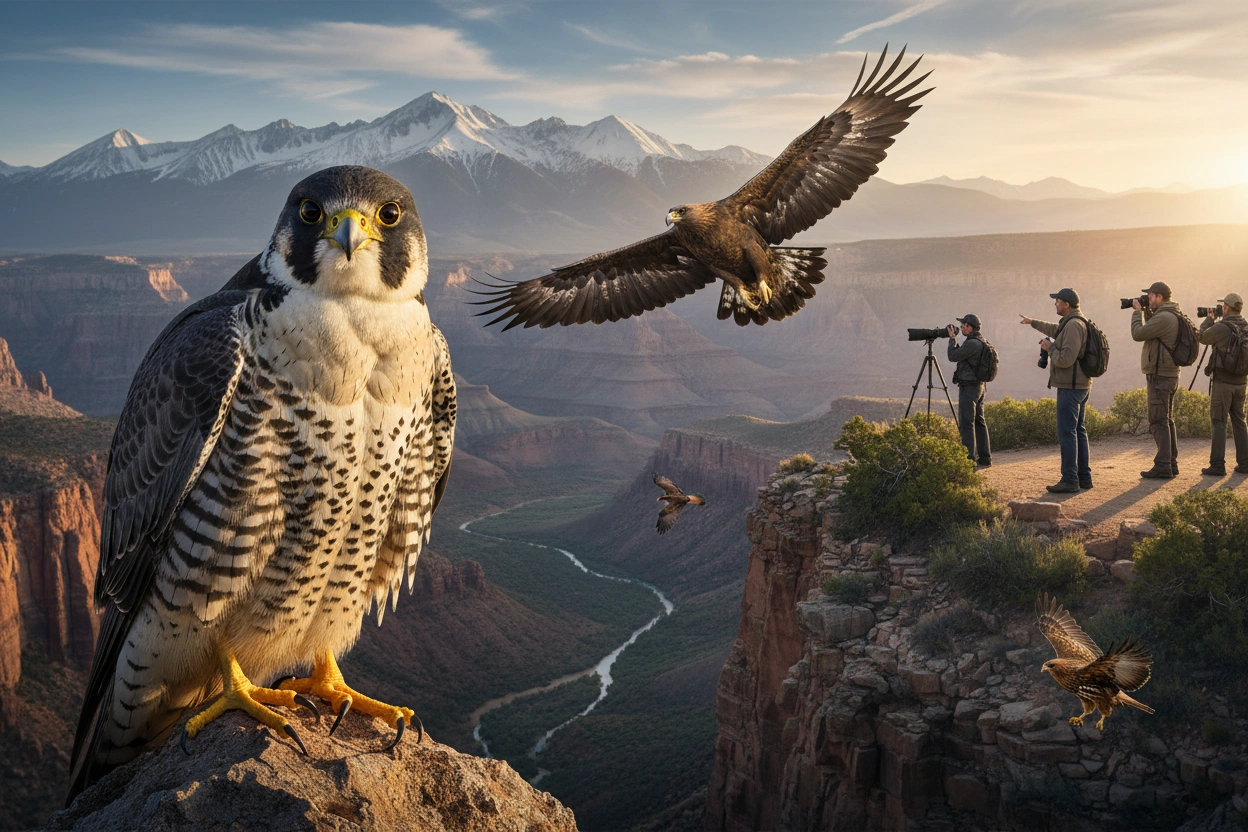
Birdwatching is a thrilling pursuit that connects enthusiasts with nature, and few experiences can match the excitement of observing birds of prey in their natural habitat. Raptors, known for their impressive hunting skills and majestic flight, are among the most captivating avian species. This article delves into the best birdwatching tours for raptors, providing insights into their behavior and tips for successful viewing.
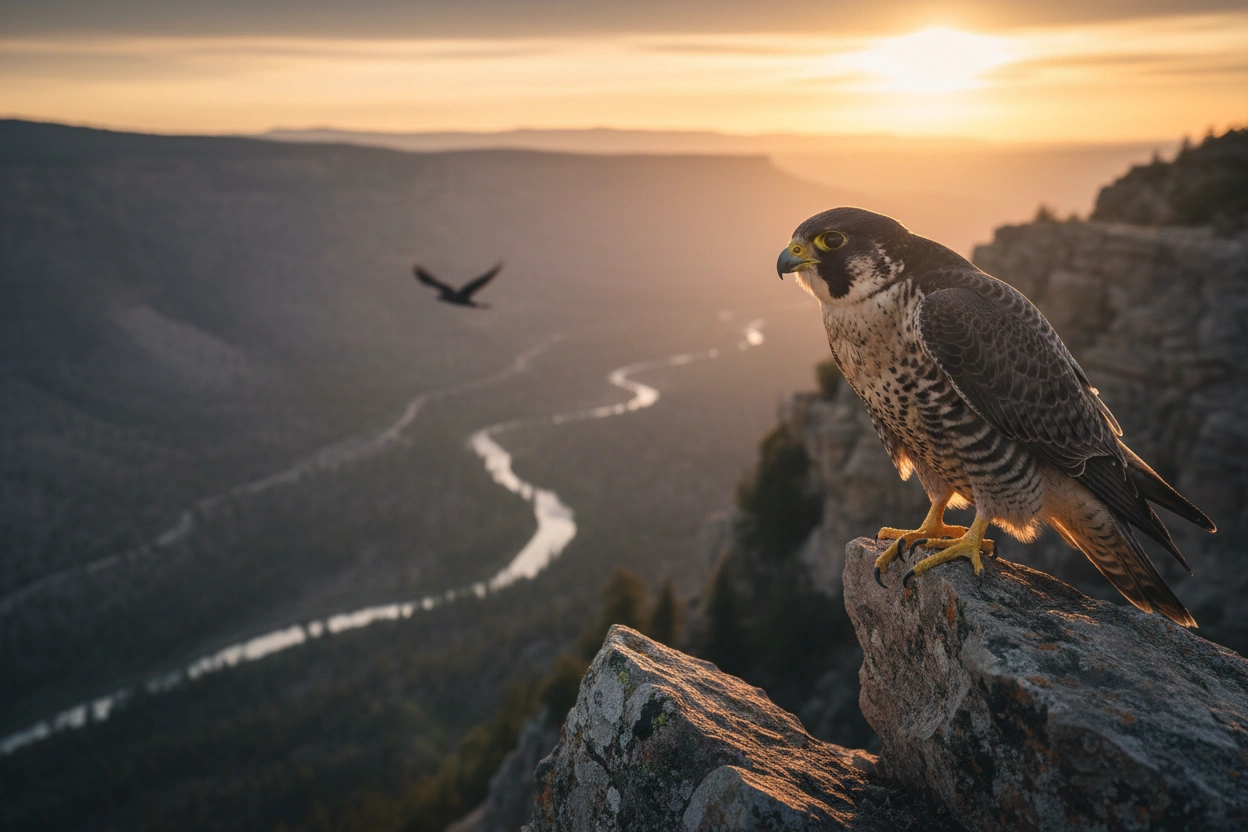
Raptors, or birds of prey, include species such as eagles, hawks, falcons, and owls. Understanding their behavior is crucial for both novice and seasoned birdwatchers. Each species exhibits unique traits that influence their hunting patterns, nesting behaviors, and social interactions.
Raptors are equipped with keen eyesight, powerful talons, and sharp beaks, making them formidable hunters. Their hunting techniques can vary significantly:
Perch-and-Pounce: Many raptors, like the red-tailed hawk, use a strategy of perching high on trees or poles to spot prey. Once identified, they swoop down at incredible speeds, often reaching up to 120 miles per hour.
Kiting: Some species, such as the kestrel, hover in the air while scanning for small mammals or insects below. This technique allows them to remain stationary in the wind, providing a better vantage point for spotting potential meals.
Group Hunting: Certain raptors, such as the Harris's hawk, are known for their cooperative hunting tactics. They work in groups to corner prey, showcasing remarkable social behavior and communication skills.
Understanding these hunting techniques not only enhances the birdwatching experience but also allows observers to predict raptor movements and increase their chances of sighting.
Raptors typically exhibit specific nesting behaviors that vary by species. For instance, many hawks build large nests in trees, while some eagles prefer cliff edges. Key aspects of their nesting and breeding include:
Territoriality: Most raptors are highly territorial during the breeding season, defending their nesting sites aggressively from intruders. This behavior can lead to dramatic aerial displays and vocalizations.
Monogamy: Many raptor species mate for life, returning to the same nesting site year after year. Observing their courtship rituals, which may include aerial acrobatics and food exchanges, provides an exciting glimpse into their social lives.
Parental Care: After hatching, raptor chicks are often dependent on their parents for food and protection. The duration of this dependence varies, with some species taking several months before fledging.
By familiarizing oneself with these behaviors, birdwatchers can better understand the life cycles of raptors and enhance their viewing experiences.

When it comes to birdwatching tours focused on raptors, certain destinations stand out due to their rich biodiversity and abundance of species. Here are some of the top locations to consider:
Hawk Mountain Sanctuary, Pennsylvania
The Everglades, Florida
Bosque del Apache National Wildlife Refuge, New Mexico
Lake Superior North Shore, Minnesota
Cypress Hills, Alberta/Saskatchewan
Each of these destinations offers unique opportunities to observe birds of prey in their natural habitats, making them ideal for birdwatching tours.
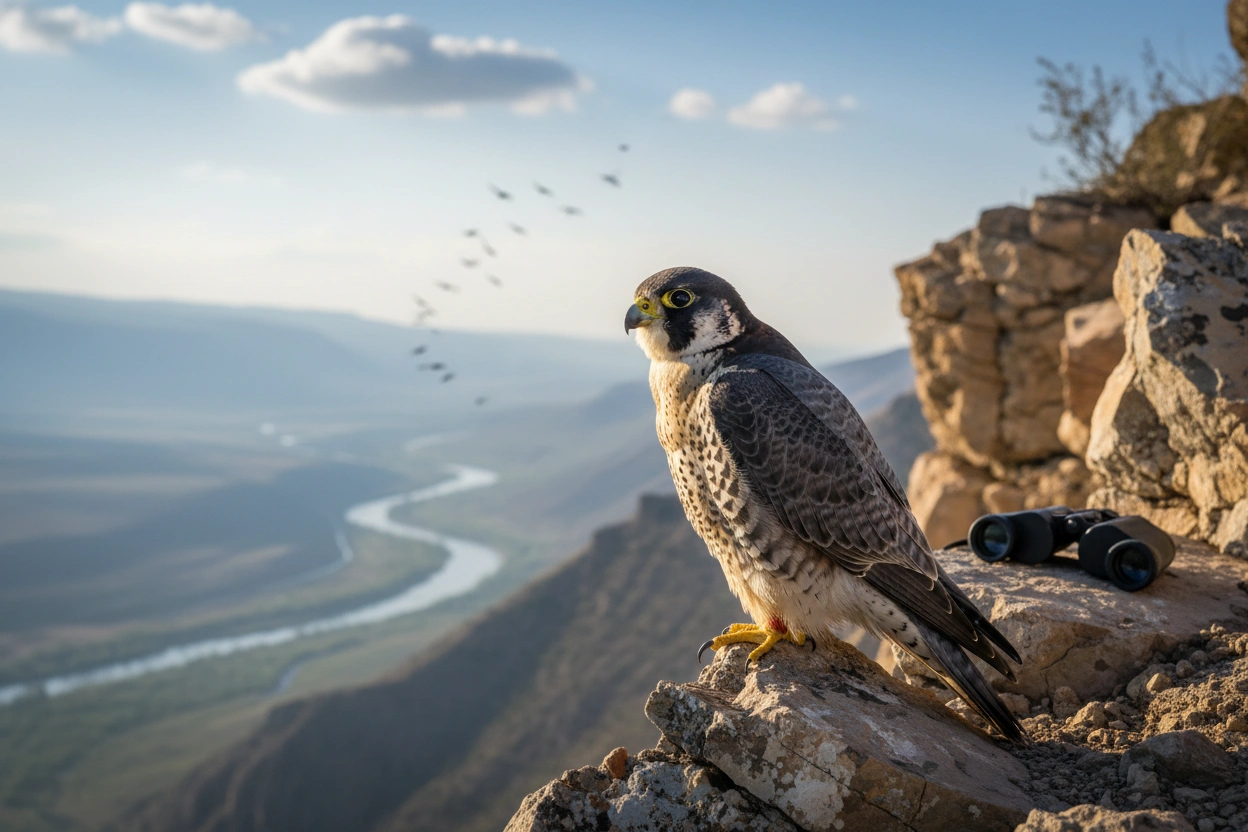
Engaging in birdwatching tours requires preparation and knowledge to maximize the experience. Here are some essential tips for successful raptor observation:
Timing can greatly affect your chances of spotting raptors. The best times for birdwatching are typically early morning and late afternoon when birds are most active. Additionally, consider the following:
Migration Seasons: Many raptors migrate in spring and fall. Planning your tour during these seasons can increase your chances of witnessing large numbers of birds.
Weather Conditions: Overcast days can be excellent for birdwatching, as raptors are more likely to be active when the sun is not shining directly. Calm winds also facilitate hunting behavior.
Having the right gear is essential for a successful birdwatching experience. Here’s what you should consider bringing:
Binoculars: Invest in a quality pair of binoculars with a magnification of at least 8x. Look for features such as waterproofing and a wide field of view.
Field Guide: A field guide specific to birds of prey can help with identification. Consider guides that include photographs and range maps.
Notebook or Journal: Documenting your sightings can enhance your experience and help you track the species you encounter.
When observing raptors in the wild, it is crucial to maintain a respectful distance to avoid disturbing their natural behavior. Follow these guidelines:
Stay Quiet: Loud noises can startle raptors and disrupt their hunting. Keep conversations to a minimum and communicate softly.
Use Ethical Birdwatching Practices: Avoid using playback calls to lure birds, as this can be harmful to their natural behaviors. Instead, observe from a distance and let the birds come to you.
Follow Local Regulations: Be aware of any local laws or guidelines regarding wildlife observation, particularly in protected areas.
Implementing these tips can significantly enhance your birdwatching experience, allowing for a deeper connection with the birds of prey you seek to observe.
Birdwatching plays a vital role in conservation efforts. Engaging in birdwatching tours can raise awareness about the challenges faced by raptors and promote the protection of their habitats. Here are some ways birdwatching contributes to conservation:
Birdwatching tourism generates income for local communities, which can lead to increased funding for conservation initiatives. When visitors pay for guided tours or park entrance fees, the revenue can be reinvested into habitat preservation and restoration efforts.
Birdwatchers often become advocates for wildlife conservation. By sharing their experiences and knowledge, they can educate others about the importance of protecting birds of prey and their ecosystems. This advocacy can lead to greater public support for conservation policies.
Many birdwatchers participate in citizen science projects, which contribute valuable data to researchers studying raptor populations and behaviors. Programs like the Audubon Society’s Christmas Bird Count encourage enthusiasts to document their sightings, helping scientists monitor trends in bird populations.
By understanding the impact of birdwatching on conservation, enthusiasts can appreciate the broader significance of their passion for raptors.
Birdwatching tours for raptors offer an incredible opportunity to connect with nature and enhance our understanding of these majestic birds. As we’ve explored, understanding raptor behavior, selecting the right destinations, and employing effective birdwatching techniques are essential for a rewarding experience.
The Banana Slug Club is dedicated to fostering a love for nature and wildlife, making it an excellent resource for birdwatchers looking to deepen their knowledge about birds of prey. With a focus on conservation and community engagement, the Banana Slug Club provides valuable information and opportunities for enthusiasts to connect with like-minded individuals.
If you’re eager to learn more about birds of prey and explore birdwatching tours, visit the Banana Slug Club for resources, events, and community support. Contact Banana Slug Club to discover how you can get involved and enhance your birdwatching journey.
Get free resources, early access to new features and updates.
No spam. Just fun educational emails!


.svg)
.svg)