Reptiles have gained popularity as unique and fascinating pets, attracting enthusiasts from all walks of life. With their diverse range of species, colors, and behaviors, reptiles offer a captivating alternative to traditional pets like dogs and cats. If you are considering adding a reptile to your family, this comprehensive guide will help you navigate the essential factors to consider, including understanding reptile habitats, species selection, and care requirements.
This article aims to equip you with the knowledge needed to choose the perfect reptile for your lifestyle while also educating you about their natural habitats and needs. Whether you are a beginner or looking to expand your knowledge, understanding the basics of reptile care is crucial for a successful pet ownership experience.

Reptiles are a diverse group of animals that thrive in various habitats around the world. Understanding their natural environments is vital for providing the right care and conditions in captivity. Reptiles can be found in deserts, rainforests, grasslands, and even aquatic environments. Here, we will delve into the primary habitats of reptiles and what you need to know to replicate these environments in your home.
Many reptiles, such as snakes, lizards, and tortoises, are adapted to life on land. These terrestrial reptiles typically inhabit environments that offer plenty of cover and access to heat sources.
Deserts: Reptiles like the horned lizard and Gila monster thrive in arid climates. They are adapted to conserve water and can tolerate extreme temperatures. When creating a habitat for a desert reptile, include sand or gravel substrates, provide hiding spots, and incorporate a heat source like a basking lamp.
Forests: Tropical reptiles such as chameleons and anoles are often found in dense foliage. These species require a humid environment with plenty of vertical space to climb. To replicate a forest habitat, use plants, branches, and a misting system to maintain humidity levels.
Some reptiles, such as turtles and crocodilians, are primarily aquatic or semi-aquatic. These reptiles require access to both land and water for basking and feeding.
Freshwater Environments: Aquatic turtles, like the red-eared slider, need a habitat that includes a water area for swimming and a dry area for basking. Use a filtration system to maintain water quality and ensure the substrate is easy to clean.
Brackish and Marine Environments: Species like the saltwater crocodile thrive in coastal regions. These reptiles require larger enclosures that mimic their natural habitat's complexity, including both land and water areas.
Despite their popularity, many new reptile owners harbor misconceptions about their habitats. It is crucial to address these myths to avoid making critical mistakes in care.
Myth: Reptiles Do Not Need UV Light: Many reptiles require UVB lighting to synthesize vitamin D3, which is essential for calcium absorption. Without adequate UV exposure, reptiles can develop metabolic bone disease.
Myth: All Reptiles Can Thrive in a Small Tank: Each reptile species has specific space requirements. For example, larger species like iguanas need spacious enclosures to accommodate their size and activity level.

When selecting a reptile as a pet, it is essential to consider your lifestyle, experience level, and the specific needs of different species. Here are key factors to help guide your decision-making process.
Your experience with reptiles can significantly influence your choice. Beginners may want to consider species that are generally easier to care for.
Beginner-Friendly Species: Some reptiles are known for their hardiness and lower care requirements. Examples include:
Advanced Species: More experienced keepers may prefer species with specialized care needs, such as: chameleons.
Different reptiles have varying habitat requirements, and it is essential to ensure you have enough space to accommodate them comfortably.
Small Species: If you have limited space, consider smaller reptiles, such as:
Large Species: Larger reptiles require ample space and appropriate enclosures. If you have the room, consider species like:
Reptiles can live for several years, with some species reaching up to 50 years or more. It is crucial to consider the long-term commitment involved in reptile care before making your decision.
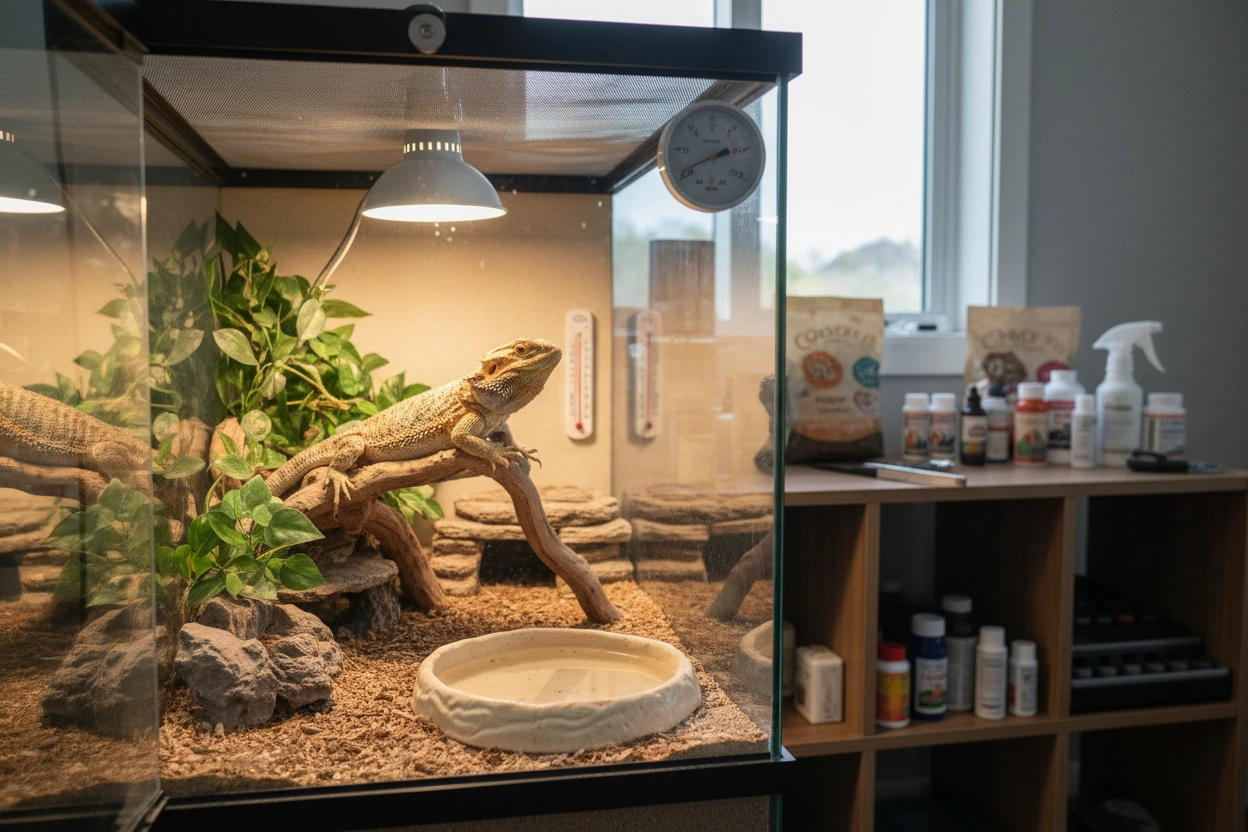
Once you have chosen the right reptile, it is important to understand the essential care tips to ensure a healthy and happy pet. This section will cover the basics of reptile care, including diet, habitat setup, and health monitoring.
Feeding your reptile a balanced diet is crucial for its health and longevity. Different species have different dietary needs.
Carnivorous Reptiles: Species such as snakes and some lizards require a diet rich in protein. This may include feeder mice, insects, or commercially prepared diets.
Herbivorous Reptiles: Tortoises and iguanas primarily consume plant matter. Provide a variety of leafy greens, vegetables, and fruits to ensure a balanced diet.
Omnivorous Reptiles: Some reptiles, like bearded dragons, thrive on a mixed diet of insects and plant matter. Make sure to research the specific dietary requirements for your species.
Creating a suitable habitat that mimics a reptile's natural environment is essential for its well-being.
Temperature and Humidity: Each reptile species has specific temperature and humidity needs. Use thermometers and hygrometers to monitor these conditions and provide appropriate heating elements, such as heat lamps or under-tank heaters.
Substrate and Furnishings: Choose substrates that are safe and easy to clean. Incorporate hiding spots, climbing structures, and water dishes to create a stimulating environment.
Regular health checks are essential for early detection of potential health issues.
Signs of Illness: Be vigilant for signs of illness, such as changes in appetite, lethargy, or abnormal shedding. Consult with a veterinarian experienced in reptile care if you notice any concerning symptoms.
Routine Check-Ups: Schedule regular veterinary check-ups to ensure your reptile is healthy and up to date on any necessary vaccinations or treatments.
Engaging with reptile communities can provide valuable support and information for both new and experienced owners. Online forums, local clubs, and educational resources can help you deepen your understanding and connection with reptiles.
Participating in online forums and social media groups dedicated to reptile care can offer insights and practical tips.
Community Support: These platforms allow you to connect with other reptile enthusiasts, share experiences, and seek advice on specific challenges.
Educational Content: Many groups share articles, videos, and tutorials that can enhance your knowledge about reptile care. insects shape ecosystems.
Joining local reptile clubs can provide opportunities for hands-on learning and networking.
Workshops and Seminars: Many clubs host educational events where you can learn from experienced reptile keepers and industry professionals.
Reptile Expos: Attending reptile expos allows you to meet breeders, purchase supplies, and learn about new products and trends in reptile care.
Choosing to welcome a reptile into your home can be a rewarding experience that enriches your life. Understanding the unique needs of reptiles, their habitats, and care requirements is essential for responsible pet ownership. By following the insights shared in this guide, you can make informed decisions about which reptile is best for you and how to create an optimal living environment.
At Banana Slug Club, we are passionate about supporting you on your journey with reptiles. Our resources and community engagement initiatives are designed to help you provide the best care for your pet. Whether you need assistance with habitat setup, dietary recommendations, or health monitoring, we are here to help.
Take the first step in your reptile ownership journey by visiting Banana Slug Club today. Explore our educational resources and connect with fellow reptile enthusiasts who share your passion for these incredible creatures.
Get free resources, early access to new features and updates.
No spam. Just fun educational emails!


.svg)
.svg)