Insects are among the most diverse and abundant creatures on our planet, playing crucial roles in ecosystems and human life. For parents, introducing children to the world of insects can be both an educational and enjoyable experience. Understanding insects not only helps children appreciate biodiversity but also fosters curiosity about nature and science. In this comprehensive guide, we will explore effective strategies for teaching kids about insects, delve into insect species identification, and highlight the top ten most fascinating insect species.
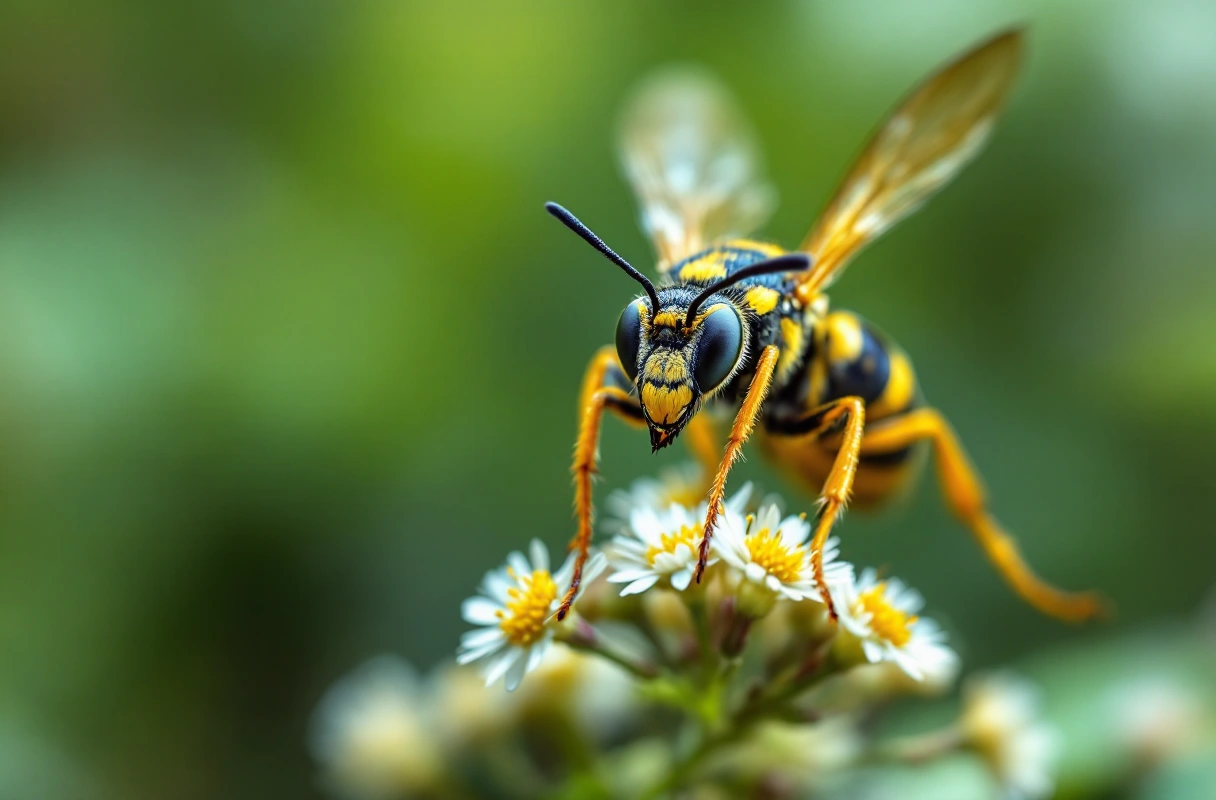
Insects are more than just tiny creatures that buzz around; they are vital to the health of our ecosystems. They are pollinators, decomposers, and a food source for many animals. Educating children about the importance of insects can instill a sense of responsibility towards the environment and a desire to protect it.
Insects contribute to ecosystem health in several key ways:
Pollination: Many flowering plants rely on insects for pollination. For instance, bees and butterflies transfer pollen from one flower to another, enabling plants to reproduce. This process is crucial for the production of fruits, vegetables, and nuts.
Decomposition: Insects like beetles and ants play a significant role in breaking down dead organic matter. This decomposition process enriches the soil and recycles nutrients back into the ecosystem, promoting plant growth.
Food Chain Dynamics: Insects serve as a primary food source for various animals, including birds, amphibians, and mammals. The health of insect populations directly affects the food chain and biodiversity.
Parents often encounter misconceptions about insects that can hinder children's understanding of these creatures. Here are a few common myths and the realities behind them:
Myth: All insects are harmful and dangerous.
Myth: Insects are dirty and should be avoided.
By addressing these misconceptions, parents can create a more informed and curious mindset in their children regarding insects.
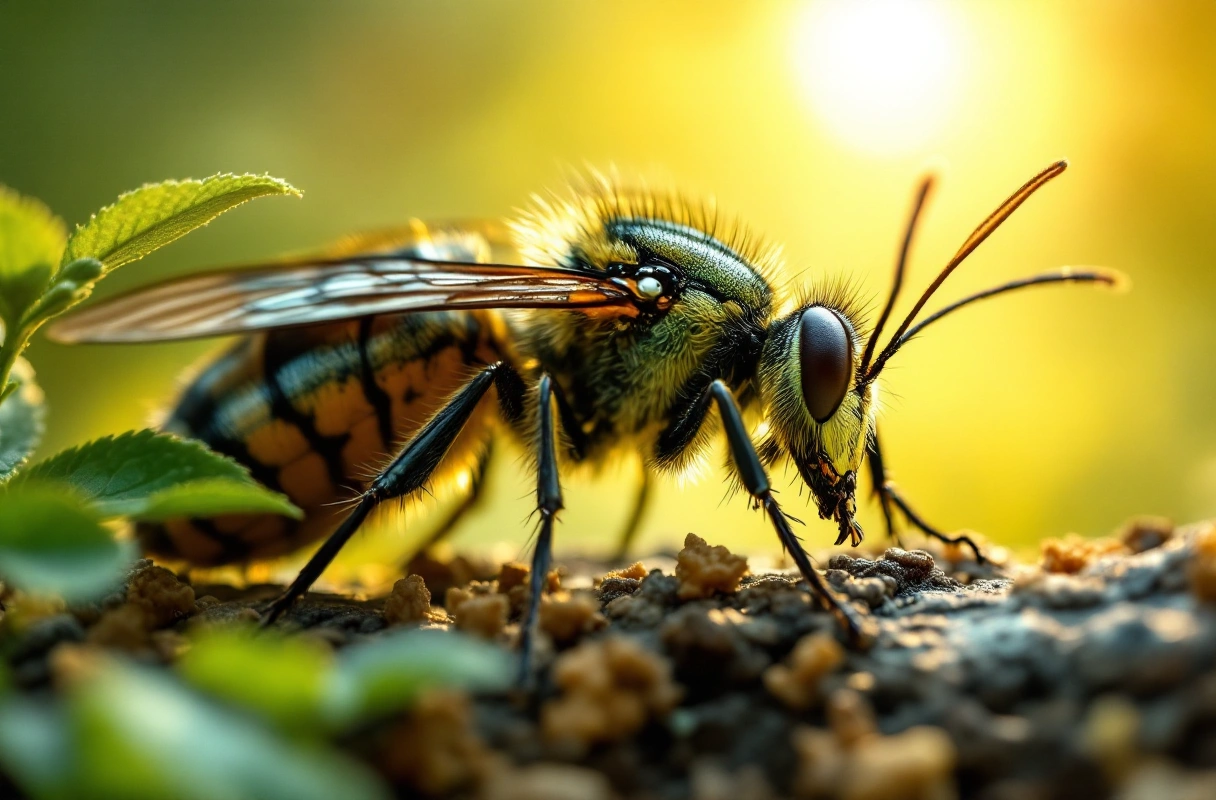
Teaching children about insects can be a fun and engaging experience. Here are some effective strategies to foster a love for learning about these fascinating creatures:
Take children on nature walks to observe insects in their natural habitats. Equip them with magnifying glasses and insect field guides to enhance the experience. Encourage them to look for various insect species and document their findings.
Engage kids in hands-on activities that promote learning. Here are a few ideas:
Insect Collecting: Provide children with a small net and container to catch insects safely. Teach them how to handle insects gently and release them back into their environment after observation.
Insect Habitats: Create a simple insect habitat at home. Use a glass jar with soil, leaves, and small plants to mimic a natural environment. Observe how insects interact with their surroundings.
Utilize books, documentaries, and interactive apps focused on insects. Many resources cater to children, making learning fun and accessible. Look for educational materials that include colorful illustrations and engaging facts about different insect species.
Encourage creativity by assigning insect-themed projects. For instance, children can create posters featuring their favorite insects, including facts about their habitats, diets, and roles in ecosystems. This not only reinforces learning but also enhances their artistic skills.
Introduce games that focus on insect species identification. You can create a bingo card with various insects, and as children spot them during outdoor activities, they can mark them off. This fun approach helps reinforce knowledge through play.
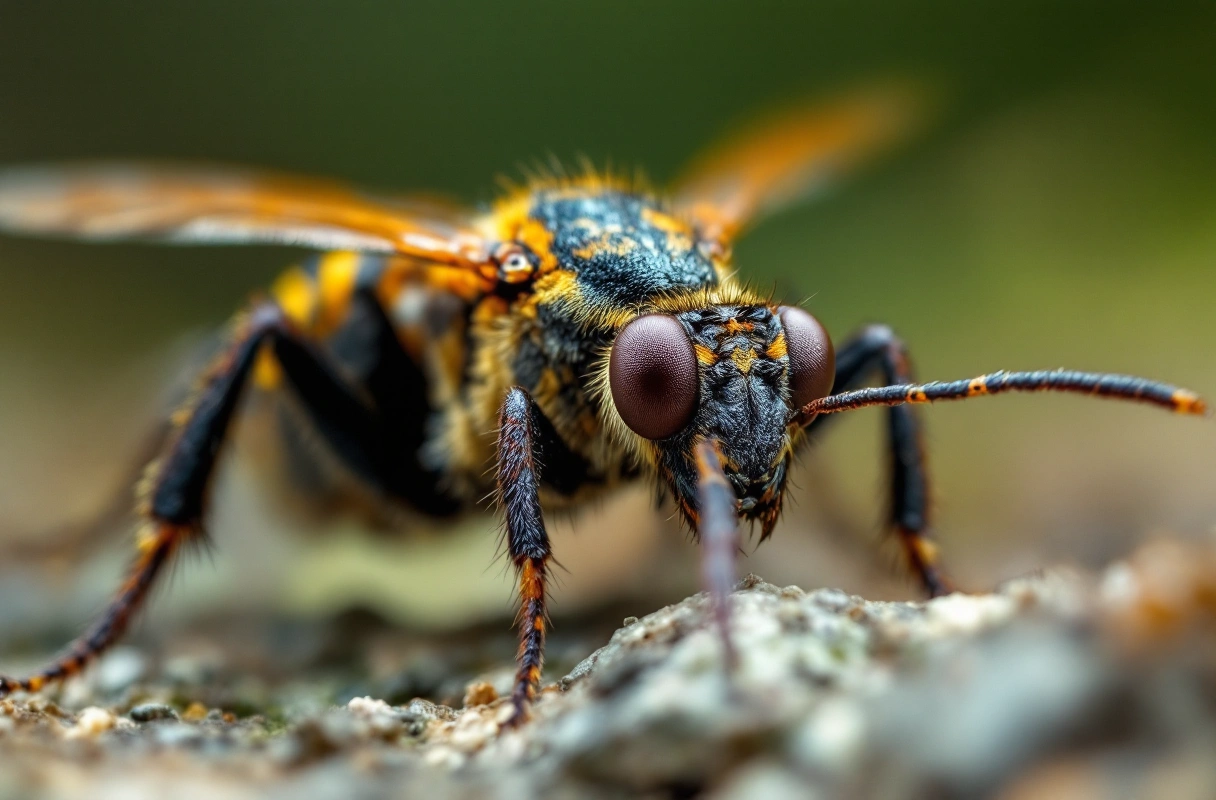
Insects come in a wide variety of shapes, sizes, and colors. Here are ten fascinating insect species that can captivate children's imaginations while teaching them about biodiversity:
The Monarch butterfly is renowned for its incredible migration journey. Each year, millions of Monarchs travel thousands of miles from North America to central Mexico. Teaching kids about this phenomenon can spark interest in migration and conservation efforts.
Fireflies are known for their bioluminescent capabilities. Their ability to produce light is a fascinating topic for children. Explain how fireflies use their glow to attract mates and communicate, highlighting the wonders of nature.
Ladybugs are beloved for their colorful appearance and beneficial role as pest controllers. Discuss their life cycle, from larvae to adult, and how they help farmers by eating aphids and other garden pests.
The praying mantis is a unique insect known for its distinctive posture and predatory behavior. Kids can learn about its hunting techniques and the role it plays in maintaining ecological balance.
Dragonflies are remarkable for their aerial agility and vibrant colors. They are also effective predators, controlling mosquito populations. Explore the lifecycle of dragonflies, from egg to adult, to illustrate the concept of metamorphosis.
Leafcutter ants are fascinating for their complex social structure and agriculture-like behaviors. They cut leaves to cultivate fungi, which they consume. Discussing their teamwork and organization can provide insights into insect societies.
The bombardier beetle is known for its unique defense mechanism, which involves ejecting a hot, noxious chemical spray to deter predators. This can lead to discussions about adaptation and survival strategies in the animal kingdom.
Silk moths are integral to the silk industry. Their life cycle, from caterpillar to silk-producing adult, can be a hands-on learning opportunity for kids interested in textiles and manufacturing processes.
The Hercules beetle is one of the largest beetle species in the world. Its impressive size and strength can captivate children, leading to discussions about biodiversity and the adaptations that allow insects to thrive in various environments.
Honeybees are crucial pollinators and are vital for many crops. Educating children about their behavior, social structure, and the importance of honeybee conservation can inspire environmental stewardship.
To effectively teach children about insects and biodiversity, consider the following practical tips:
Incorporate insect education into daily routines. For example, during meals, discuss how various foods rely on insects for pollination. This reinforces learning and keeps the topic fresh in children's minds.
Encourage children to ask questions about insects and explore answers together. Use online resources, books, or local experts to find information, fostering a sense of discovery and enthusiasm.
Participate in events such as National Insect Week or local nature festivals that celebrate insects and biodiversity. These events often provide educational resources and activities that can enhance children's understanding.
Teach children about the importance of conserving insect habitats. Engage them in local conservation projects or gardening initiatives that promote biodiversity and support healthy ecosystems.
After engaging in insect-related activities, take time to reflect on what children have learned. Encourage them to share their thoughts, discoveries, and favorite insect species. This reinforces knowledge and builds communication skills.
Understanding insects is vital for fostering a deeper appreciation for biodiversity. As children learn about various insect species and their roles in ecosystems, they develop a broader understanding of the interconnectedness of life on Earth. This knowledge is essential for nurturing environmentally conscious individuals who will contribute positively to the planet's health.
Banana Slug Club is committed to promoting education about insects and biodiversity. By providing resources and activities tailored for families, we aim to inspire the next generation of environmental stewards.
If you're looking for more ways to engage your children with the wonders of the learning about insects, we invite you to explore our programs and resources. Visit Banana Slug Club for more information on how to make learning about insects a fun and enriching experience for your family.
Get free resources, early access to new features and updates.
No spam. Just fun educational emails!


.svg)
.svg)