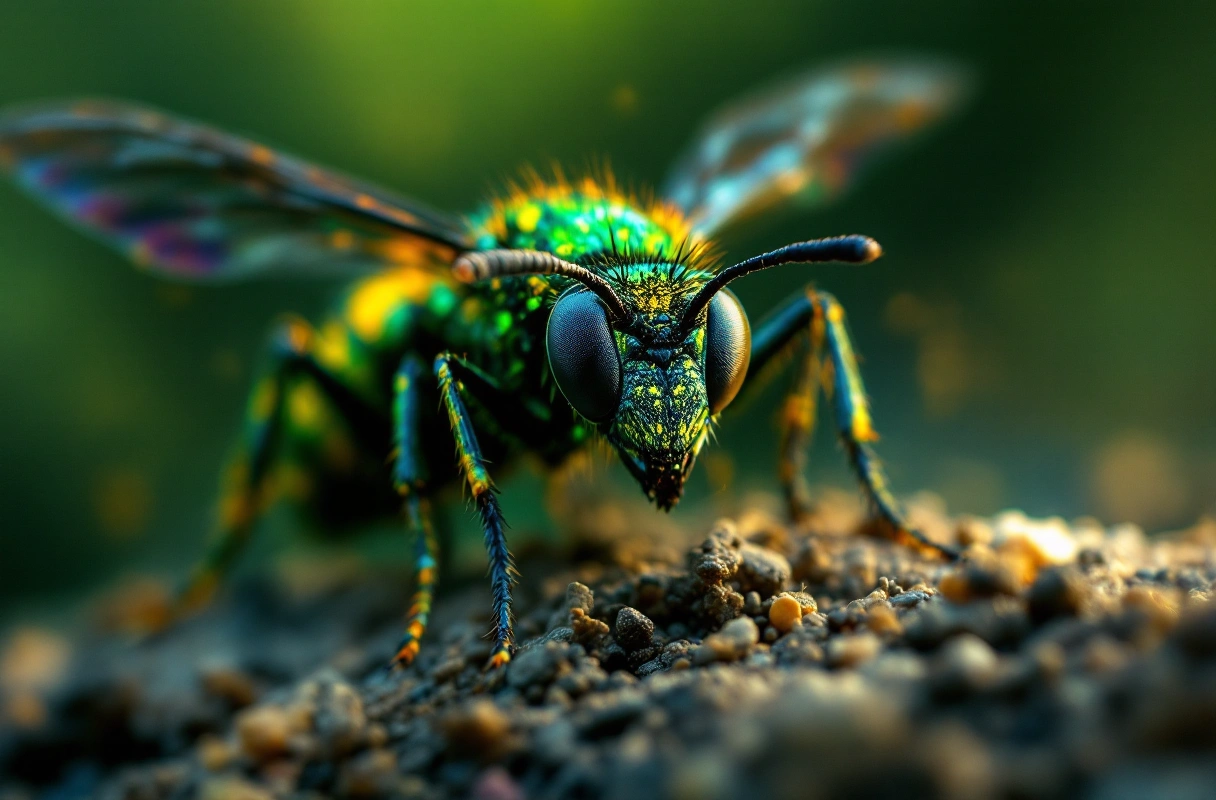
Insects have long been regarded as pests, but their role in medicine is increasingly recognized as revolutionary. As of 2025, various innovations have emerged, showcasing how insects can contribute to health advancements. From developing new antibiotics to serving as a source for sustainable food, the medical community is beginning to appreciate the potential of these tiny creatures. This guide explores the fascinating intersection of insects and medicine, delving into their health benefits and the most intriguing insect species that play a role in these innovations.
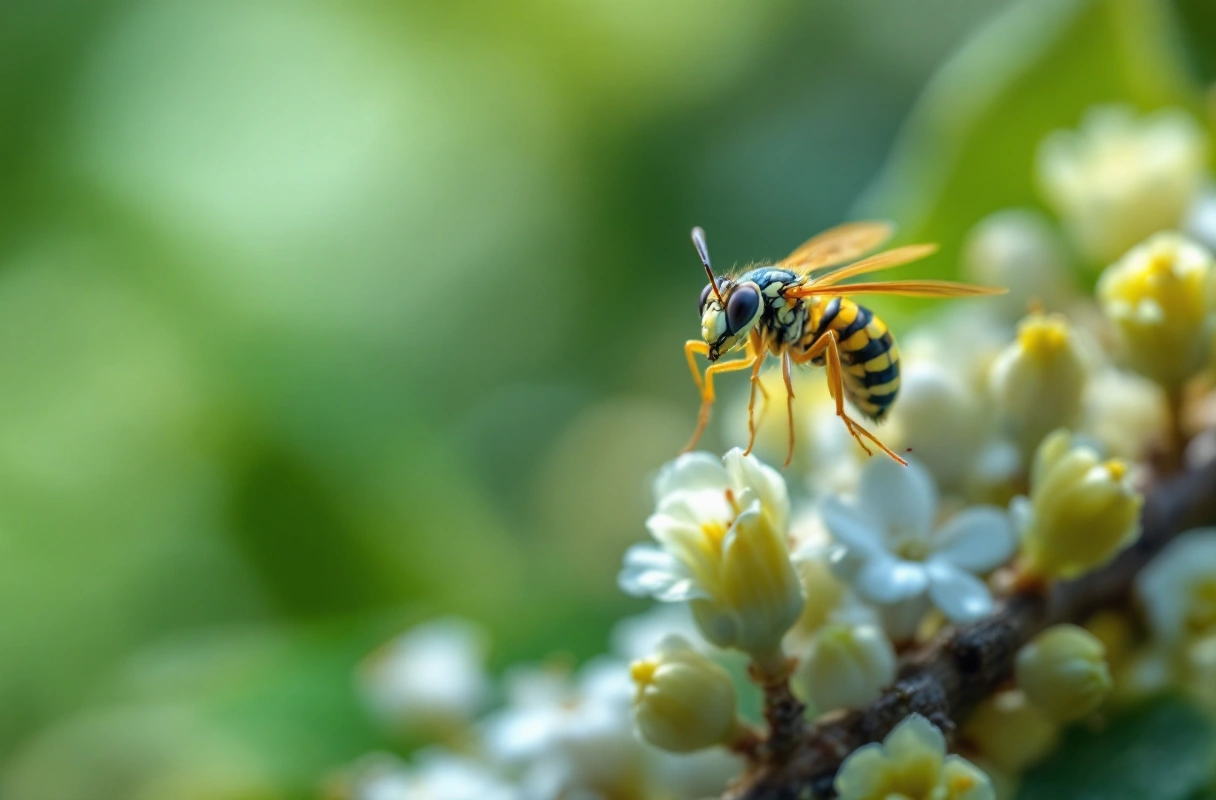
Insects are not just part of the ecosystem; they are also pivotal in several medical advancements. Their unique biological properties offer solutions to some of the most pressing health issues faced today. Research has shown that certain insect species possess antimicrobial properties, which can be harnessed to create new medications. Furthermore, insects can be used in alternative therapies, such as immunotherapy and regenerative medicine.
Recent studies have demonstrated that some insect species produce antimicrobial compounds that can be effective against bacteria. For instance, the larvae of the Hyalophora cecropia moth have been found to produce substances that inhibit the growth of harmful bacteria. This discovery opens doors for developing new antibiotics, especially in an era where antibiotic resistance is a growing concern.
Insects also play a vital role in immunotherapy, particularly in cancer treatment. Certain insect venoms contain proteins that can stimulate immune responses. For example, research on bee venom has revealed that it can enhance the effectiveness of certain cancer therapies by activating immune cells. This presents a promising avenue for developing new treatment protocols that leverage the natural defenses found in insect venoms.
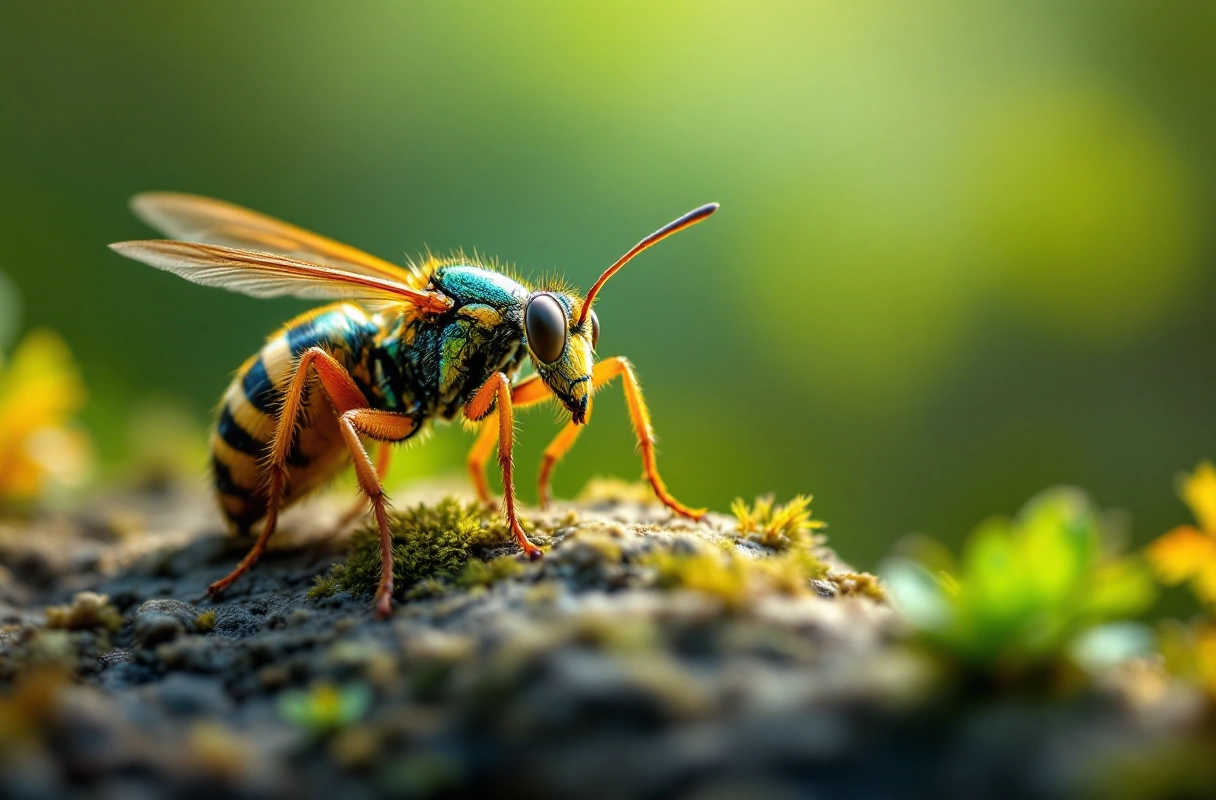
Understanding the specific insect species that contribute to medical advancements can enhance our appreciation for their role in health. Here are ten remarkable insect species that have garnered attention for their medical potential. insect species that contribute to medical advancements can enhance our appreciation for their role in health.
Honeybees are not just essential for pollination; they also produce honey and propolis, which have antimicrobial properties. Propolis is being studied for its potential in wound healing and treating infections.
Known for their aggressive behavior, army ants have a unique ability to produce antimicrobial compounds from their secretions. These compounds may be useful in developing new antibacterial agents.
The silk moth is integral to sericulture and has been studied for its silk proteins, which exhibit wound-healing properties and potential uses in tissue engineering.
Fire ants produce venom that has shown potential in targeting cancer cells. Researchers are exploring how this venom can be used in immunotherapy treatments.
The desert locust is not just a pest; it is also a source of protein. Its nutritional value is being investigated for sustainable food sources, which can have health benefits in developing countries.
Ladybugs are known for their aphid-eating habits, but their secretions contain compounds that can help in developing natural pesticides and antimicrobial agents.
This beetle's secretions contain cantharidin, a compound that has been used in traditional medicine for treating various ailments, including warts and skin conditions.
Renowned for its defensive spray, the bombardier beetle produces a combination of chemicals that could inspire new forms of medical sprays or treatments.
Some ant species are known for their ability to heal wounds quickly. Their secretions contain antimicrobial properties that are being studied for medical applications.
Termites produce a compound called termicin, which has shown promise in treating bacterial infections. Their social behavior also offers insights into collective healing processes.
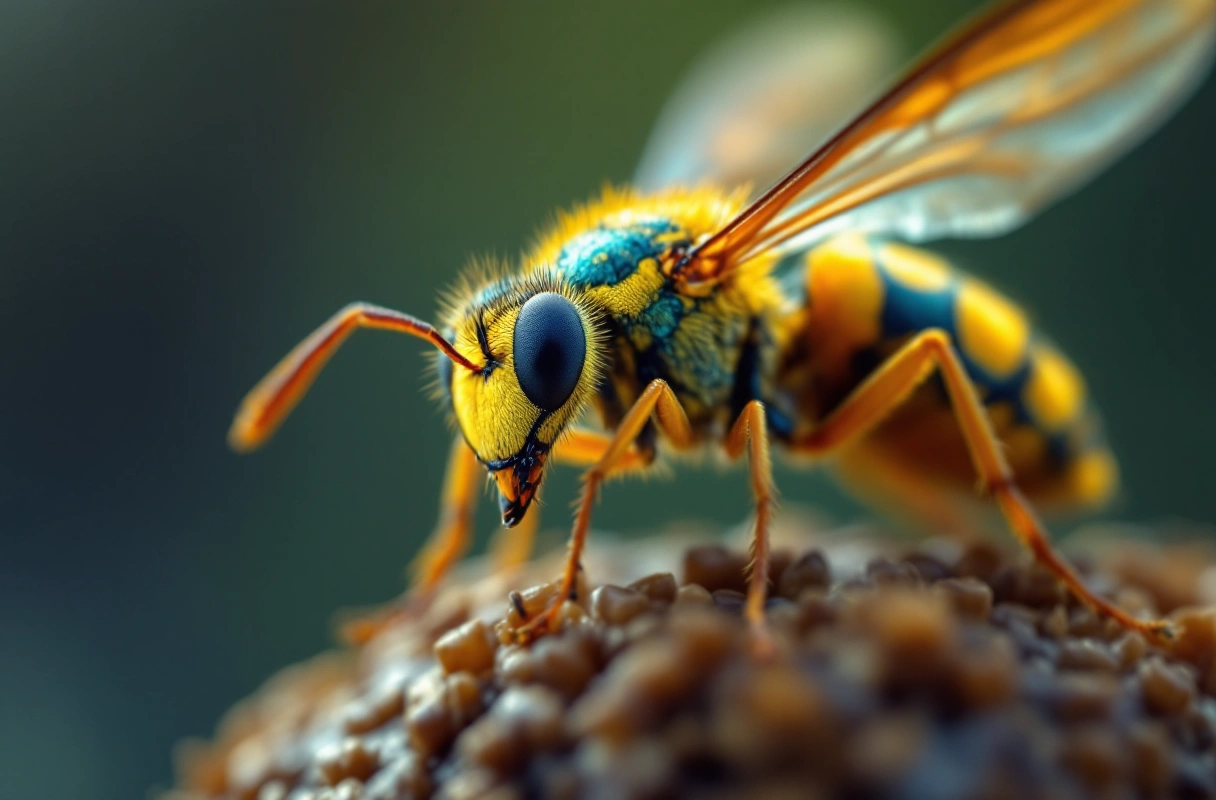
Despite the promising developments in using insects for health innovations, several misconceptions persist. Understanding these can help appreciate the significance of insects in medicine.
While many insects are indeed pests, numerous species have beneficial properties that can be harnessed for medical use. For instance, the honeybee and its products have been used in traditional medicine for centuries.
Concerns about safety are common when discussing insect-based treatments. However, many insect-derived compounds undergo rigorous testing and have been found to be safe for human use. For example, honey and propolis have been used safely in various cultures for their health benefits.
Insects are one of the most sustainable food sources available. Their low environmental impact compared to traditional livestock makes them a viable option for addressing global food security and health issues.
The innovations stemming from insect research are not just theoretical; they have practical applications that are being explored and implemented in modern medicine.
The rise of antibiotic-resistant bacteria has prompted a renewed interest in discovering new antibiotics. Insects provide a rich source of biologically active compounds that can be isolated and tested for their antimicrobial properties. Researchers are actively working to identify these compounds from various insect species, leading to new treatments for infections.
Insects are being utilized to develop vaccines, particularly for diseases where traditional vaccine production methods are inefficient. For instance, researchers are investigating the use of insect cells to produce antigens for vaccines, which can be more cost-effective and scalable.
Insect protein is gaining traction as a nutritional supplement. With its high protein content and essential amino acids, insect powder derived from species like crickets and mealworms is being used in protein bars and shakes, providing a sustainable alternative to traditional protein sources.
Looking forward, the integration of insects into medical practices seems promising. As research continues to unfold, several trends are likely to shape this field.
Governments and private sectors are recognizing the potential of insects in medicine and are likely to increase funding for research initiatives. This will accelerate the discovery of new insect-derived compounds and their applications.
As educational efforts grow, public perception of insects is likely to shift. Increased awareness of the benefits of insects in medicine can lead to greater acceptance and demand for insect-based products.
The future of insects in medicine may rely on interdisciplinary collaboration. Biologists, chemists, and medical professionals can work together to explore the full potential of insects, leading to innovative solutions for health challenges.
Insects hold remarkable potential in the field of medicine, offering solutions to some of the most pressing health challenges of our time. The insights shared in this guide highlight the importance of recognizing these small creatures as valuable allies in the quest for health innovations. critical environmental roles in the field of medicine, offering solutions to some of the most pressing health challenges of our time.
As we explore the fascinating world of insects and their contributions to medicine, the Banana Slug Club is here to support your journey. Whether you are a researcher, student, or simply an enthusiast, we provide resources and community connections that can enhance your understanding of this vital topic. hidden gems within the world of insects and their astonishing role in medicine.
To learn more about how insects can positively impact health and how you can get involved in related initiatives, visit Banana Slug Club today. Join us as we uncover the hidden gems within the world of insects and their astonishing role in medicine.
Get free resources, early access to new features and updates.
No spam. Just fun educational emails!


.svg)
.svg)