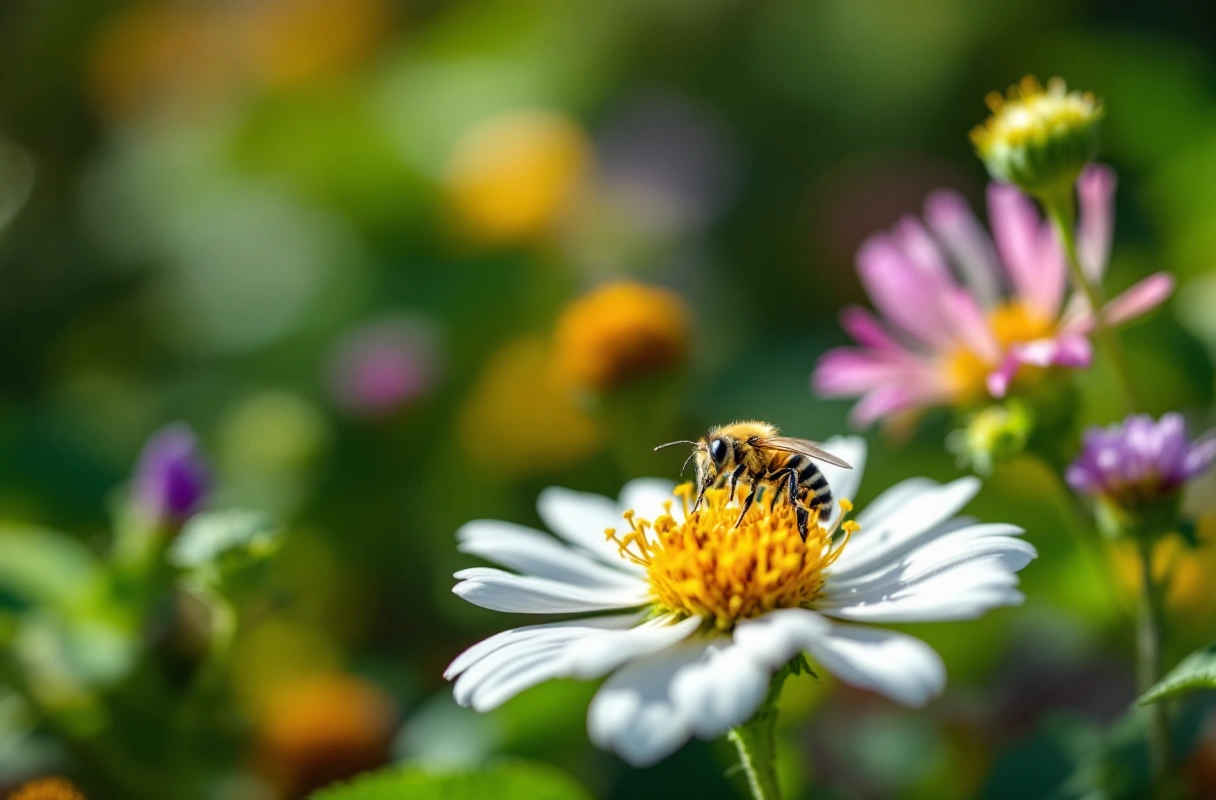
Pollinator insects play a crucial role in maintaining the health of ecosystems and ensuring the productivity of gardens. They are responsible for the pollination of around 75% of flowering plants, which translates to one-third of the food we consume. As we explore the fascinating world of these insects, it becomes clear that attracting them to our gardens is not only beneficial for the environment but also essential for cultivating bountiful, thriving plants. In this comprehensive guide, we will delve into effective strategies for attracting pollinator insects naturally, while also introducing you to the top 10 most fascinating insect species that contribute to this vital process.
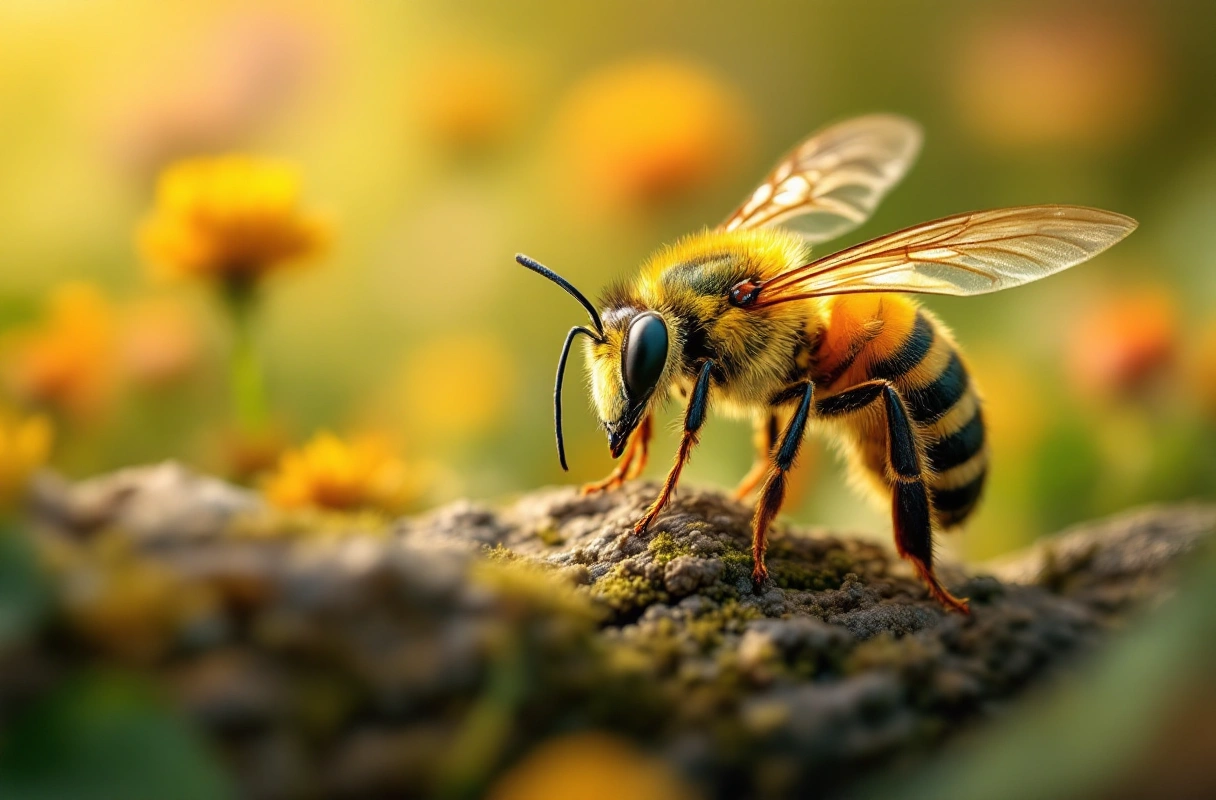
Pollinator insects, such as bees, butterflies, and beetles, are essential for the reproduction of many plant species. Their activities facilitate the transfer of pollen from the male parts of flowers to the female parts, leading to fertilization and the production of seeds and fruit. This process not only supports plant diversity but also enhances food security, as many crops depend on these insects for successful yields.
Moreover, pollinator insects contribute to the overall health of ecosystems. They support food webs by providing sustenance for various animal species, including birds and mammals. In addition, they help maintain soil health and promote biodiversity by encouraging the growth of diverse plant species, which in turn supports a wide range of other organisms.
Despite their importance, there are several misconceptions surrounding pollinator insects. One prevalent myth is that all pollinators are bees. While bees are indeed significant pollinators, many other insect species also play crucial roles, including butterflies, moths, flies, and beetles. Another misconception is that attracting pollinators requires the use of pesticides or other chemical treatments. In reality, creating a healthy garden ecosystem that supports pollinator insects can often be achieved through natural means, without the use of harmful chemicals.
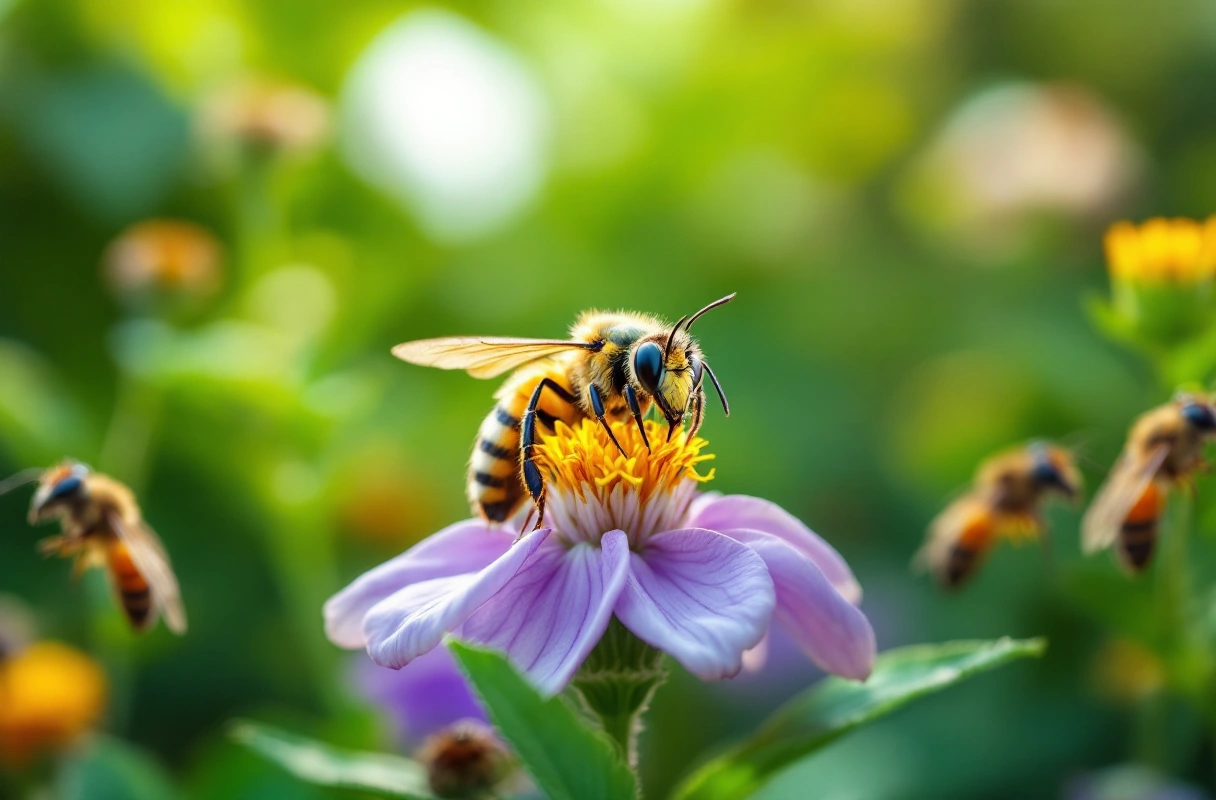
One of the most effective ways to attract pollinator insects is by cultivating a diverse garden that includes a variety of flowering plants. Native plants are particularly beneficial, as they have evolved alongside local pollinator species and provide the nectar and pollen that these insects need for sustenance.
In addition to providing food sources, creating a suitable habitat is essential for attracting and retaining pollinator insects. This can be achieved through several key strategies:
Provide Shelter: Incorporate natural elements like shrubs, hedges, and unmowed grass areas to offer shelter and nesting sites for insects. Leaving some areas of your garden wild can also help create an inviting environment.
Use Mulch Wisely: Mulching can retain moisture and suppress weeds, but be mindful of the materials used. Natural mulches, such as shredded bark or straw, support beneficial insects by providing a habitat for them.
Water Sources: Pollinators need water for hydration. Create shallow water sources, such as birdbaths or small ponds, with rocks or pebbles for insects to land on safely.
Pesticides pose a significant threat to pollinator populations. Many commonly used chemicals can be harmful or even lethal to insects. To create a truly welcoming environment for pollinators, it is crucial to adopt organic gardening practices:
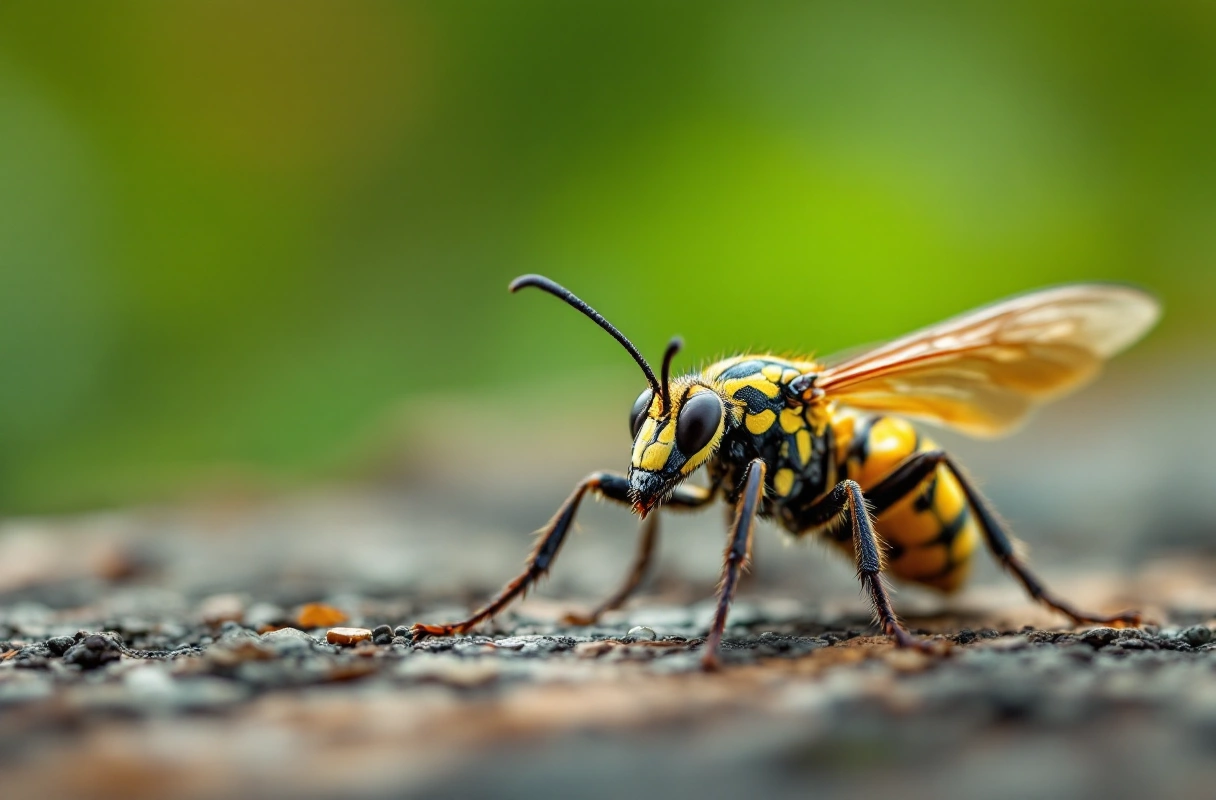
Understanding and identifying the diverse insect species that contribute to pollination can enhance your appreciation for these remarkable creatures. Here are ten fascinating insect species that play essential roles in pollination:
Honey bees are perhaps the most well-known pollinators. They are social insects that live in colonies and are responsible for pollinating a wide variety of crops. Honey bees communicate through a unique "waggle dance" to inform other bees about the location of food sources.
Monarch butterflies are known for their striking orange and black coloration. They are important pollinators for many wildflowers and are famous for their incredible migratory journey from North America to central Mexico.
Bumblebees are robust insects that thrive in cooler climates. They are proficient pollinators, especially for plants with tubular flowers. Their ability to perform "buzz pollination," where they vibrate to release pollen, makes them particularly effective.
The painted lady butterfly is one of the most widespread butterfly species in the world. They are attracted to a variety of flowering plants and are known for their remarkable long-distance migrations.
Hoverflies are often mistaken for bees due to their similar appearance. They play a significant role in pollination and are also effective predators of aphids, helping to control pest populations.
Sweat bees are small, solitary bees that are attracted to human perspiration. They are excellent pollinators for many garden plants and are particularly active in sunny weather.
Longhorn beetles are known for their impressive antennae and are often seen on flowers. While they are not as effective as bees, they do contribute to pollination by transferring pollen as they move from plant to plant.
Certain moths, particularly sphinx moths, are important nighttime pollinators. They are attracted to fragrant, white flowers that bloom in the evening, ensuring that pollination occurs after dark.
Leafcutter bees are solitary bees that collect leaves to construct their nests. They are effective pollinators and are particularly attracted to flowering plants in the legume family.
Carpenter bees are large, solitary bees that bore into wood to create nesting sites. They are important pollinators for many flowering plants and exhibit a unique behavior called "pollen collecting," where they gather pollen on their hind legs.
To create a thriving environment for pollinator insects, consider implementing the following tips:
Educate Yourself: Familiarize yourself with local insect species and their specific needs. This knowledge can guide your gardening practices and help you select appropriate plants.
Participate in Citizen Science: Engage in local monitoring projects that track pollinator populations. These initiatives can provide valuable data and help raise awareness about the importance of pollinators.
Encourage Community Efforts: Collaborate with local gardening groups or community organizations to promote pollinator-friendly practices in your neighborhood.
As you cultivate your garden with the goal of attracting pollinator insects, you are not only enhancing your landscape but also contributing to environmental sustainability. Understanding the intricate relationships between plants and insects empowers gardeners to create ecosystems that thrive on biodiversity.
Banana Slug Club is dedicated to promoting sustainable gardening practices and enhancing the awareness of pollinator insects. By following the insights shared in this guide, you can create a flourishing habitat that supports these vital creatures and promotes a healthier environment.
To deepen your understanding and take actionable steps in your gardening journey, consider reaching out for more resources. Visit Banana Slug Club today to learn more about sustainable gardening practices and how you can contribute to a pollinator-friendly world.
Get free resources, early access to new features and updates.
No spam. Just fun educational emails!


.svg)
.svg)