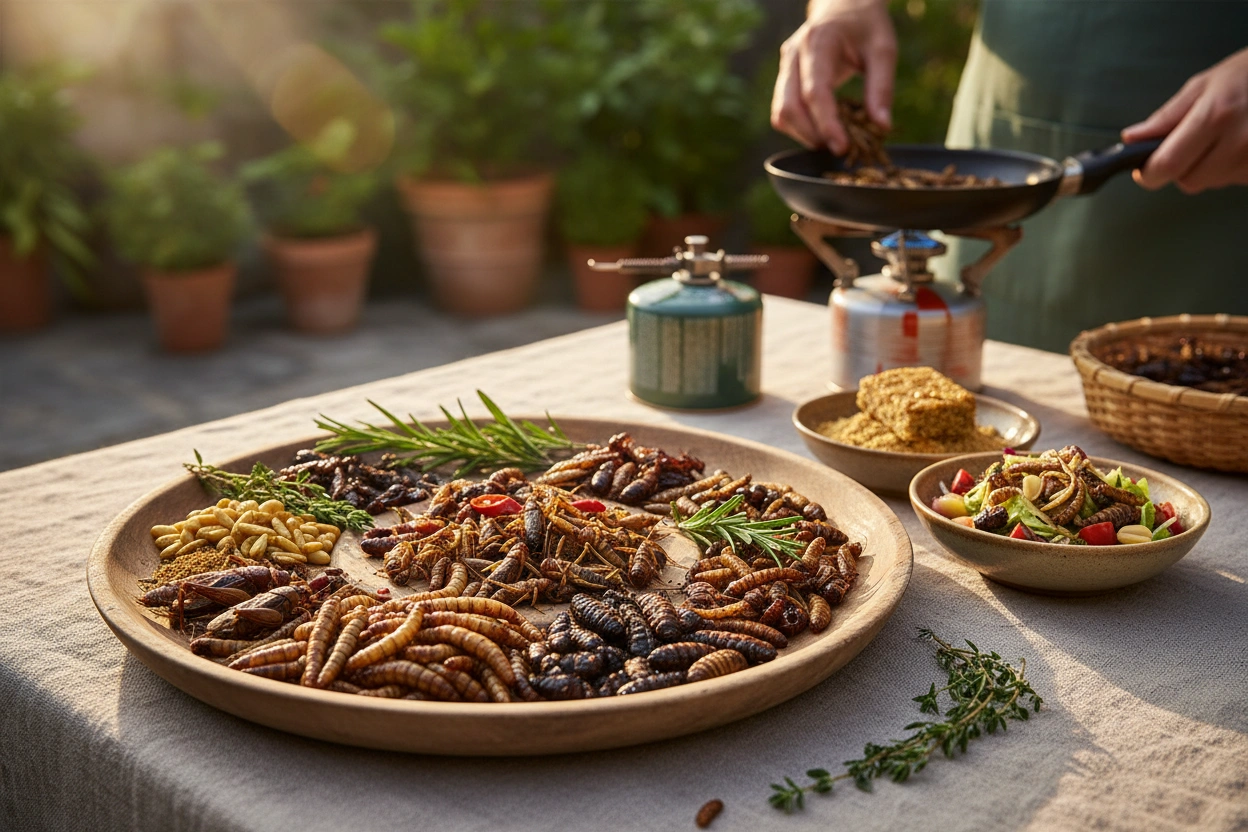
The rise of sustainable food sources has become a significant topic of discussion in recent years. As global populations grow and the demand for food intensifies, alternative protein sources are gaining traction. Among the most promising options are insects, which are not only nutrient-dense but also require far fewer resources to produce compared to traditional livestock. This guide delves into the fascinating world of insects, exploring their potential as sustainable food sources, offering insights into insect species identification, and highlighting the top ten most interesting insect species that could play a pivotal role in our diets.
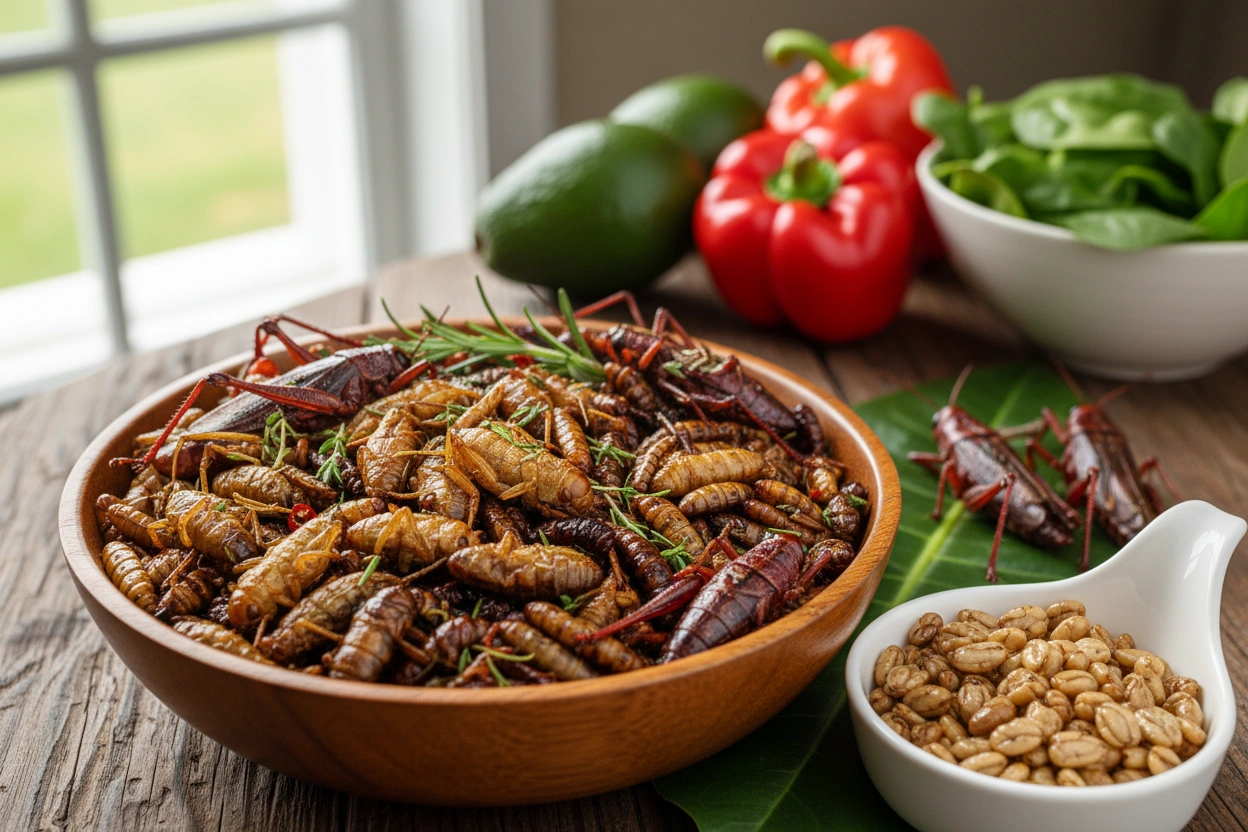
Insects are packed with essential nutrients, making them a viable food source. They are rich in protein, healthy fats, vitamins, and minerals. For example, crickets contain about 60% protein by weight and are a source of omega-3 and omega-6 fatty acids, as well as vitamins B12 and D. The nutritional profile of various insects can vary significantly, which is why understanding the specific benefits of different species is crucial.
Insects also offer a lower environmental impact than conventional livestock. They require significantly less land, water, and feed to produce the same amount of protein. For instance, crickets need about 1,700 liters of water to produce one kilogram of protein, while cattle require over 15,000 liters. This stark contrast highlights the sustainability of insects as a food source and their potential to alleviate the pressure on our planet's resources.

Understanding insect species identification is vital for both sustainable food production and ensuring food safety. Identifying the right species to cultivate or harvest can enhance the nutritional value and sustainability of insect-based diets. Various insects are consumed worldwide, each with unique characteristics and benefits.
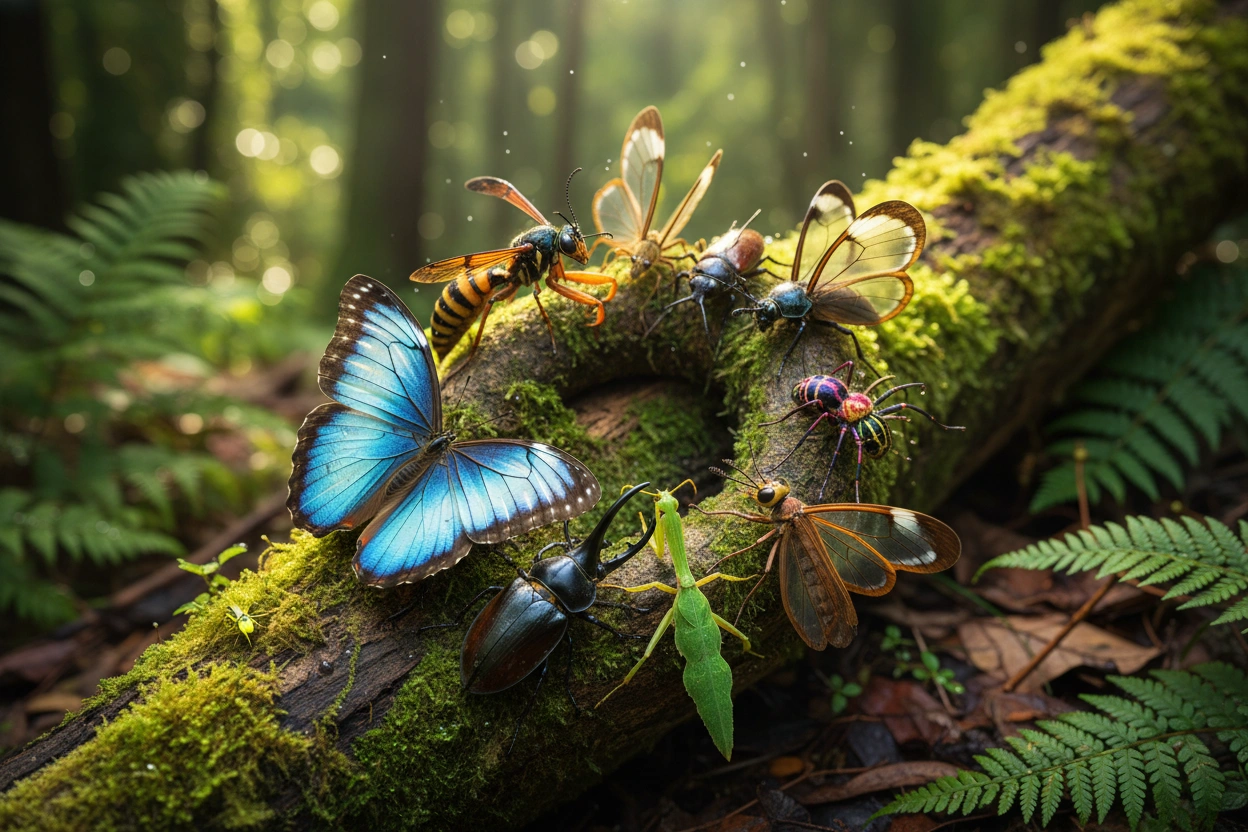
Insects are incredibly diverse, with over a million described species. Here are ten of the most fascinating insect species that not only intrigue scientists but also hold potential as food sources.
These aquatic insects are known for their size and predatory nature. They are high in protein and have been consumed in various cultures for their unique flavor.
Silkworms are not only valuable for silk production but are also a rich protein source. They are often consumed in Asian cuisines, providing essential nutrients.
Similar to mealworms, buffalo worms are high in protein and are increasingly used in pet food and human snacks.
Ants, particularly species like the leafcutter ant, are enjoyed for their tangy flavor and are rich in protein and antioxidants.
Crickets are perhaps the most popular edible insect, widely consumed in various forms, including protein powder, snacks, and flour.
These insects are not only a source of protein but also offer healthy fats. They are often consumed in Africa and parts of Asia.
Grasshoppers are high in protein and can be prepared in various ways, making them a staple in many cultures.
These larvae are gaining popularity in food production due to their high fat and protein content.
Locusts are known for their swarming behavior and are rich in nutrients, making them a sustainable food source.
While primarily valued for honey production, bee larvae are also consumed in some cultures for their nutritional benefits.
Insects can be prepared in various ways, from roasting and frying to grinding into flour. Each preparation method can enhance the flavor and texture of the insects, making them more appealing to consumers.
Despite the nutritional benefits and sustainability of insects, misconceptions persist that hinder their acceptance as a food source. Addressing these misconceptions is crucial for promoting the consumption of insects.
As the world grapples with the challenges of food security and environmental sustainability, insects are poised to play a crucial role. Innovations in insect farming and processing are making it easier to integrate these protein sources into mainstream diets.
The global edible insect market is projected to grow significantly in the coming years. Increased awareness of sustainability, nutrition, and food security issues is driving demand for insect-based products.
The potential of insects as sustainable food sources is vast. By incorporating them into our diets, we can significantly reduce our environmental impact while improving our nutritional intake. As more people become aware of the benefits of eating insects, acceptance and consumption are likely to grow.
Insects represent a groundbreaking opportunity in the quest for sustainable food sources. By learning about their benefits, nutritional profiles, and preparation methods, individuals can contribute to a more sustainable future. The Banana Slug Club is dedicated to promoting awareness and education around innovative food practices, including the use of insects as a food source.
Engaging with the Banana Slug Club provides you with resources and community support to explore sustainable eating habits. Whether you are curious about insect recipes or want to learn more about sustainable food practices, the Banana Slug Club can help you navigate this exciting journey.
To dive deeper into the world of sustainable eating and to discover how insects can fit into your diet, visit Banana Slug Club for more information and resources. Embrace the future of food with us!
Get free resources, early access to new features and updates.
No spam. Just fun educational emails!


.svg)
.svg)