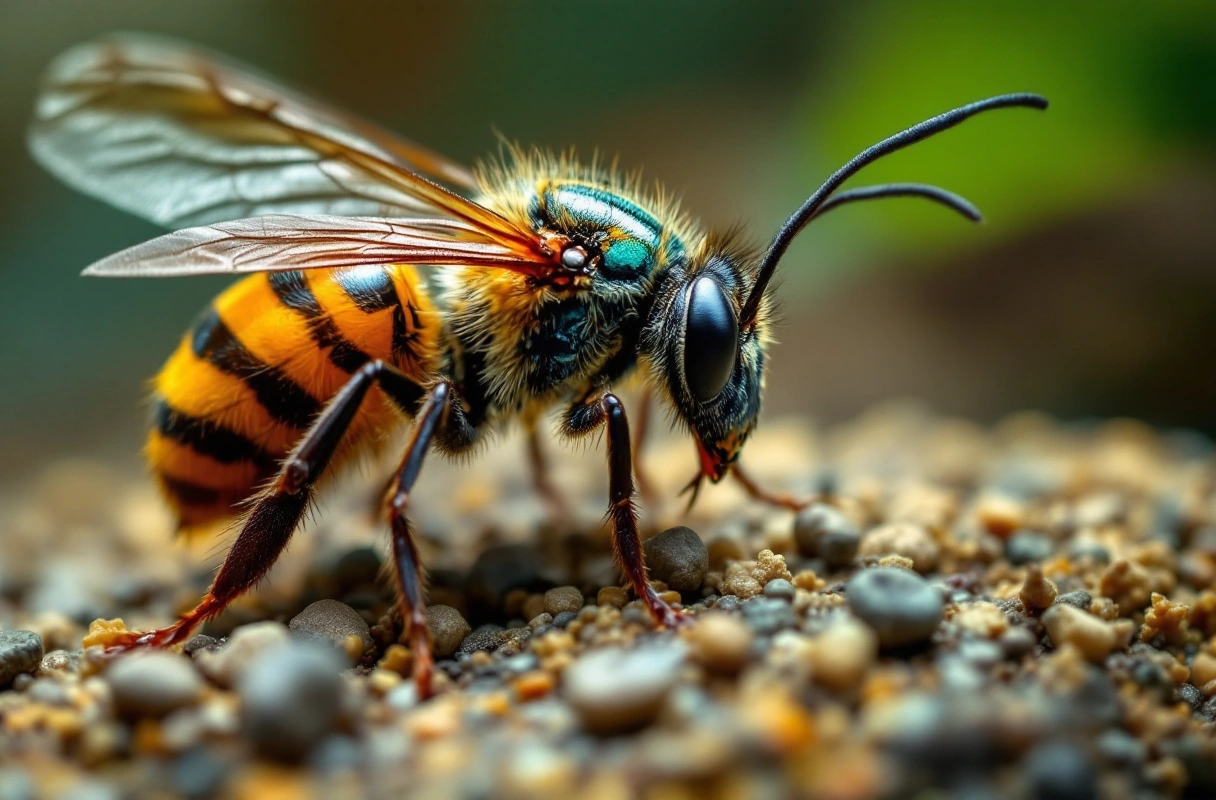
Insects have long been a source of fascination and utility across various fields, particularly in medicine. Their unique biological properties and diverse species make them invaluable in medical research and applications. From traditional remedies to cutting-edge innovations, insects offer a plethora of benefits that are only beginning to be fully understood. This comprehensive guide explores the role of insects in medicine, their modern uses, and highlights some of the most fascinating insect species relevant to these applications.
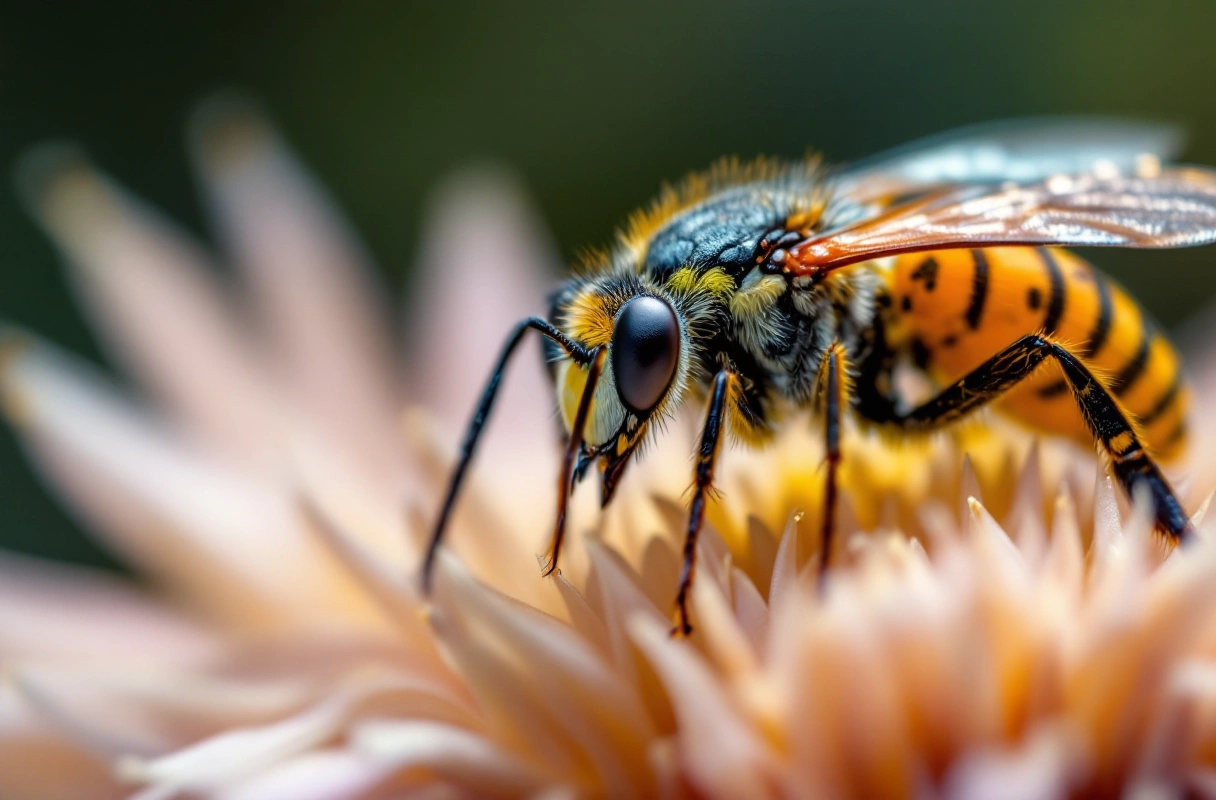
Insects contribute to medicine in several significant ways. Their use can be categorized into various domains, including pharmaceuticals, diagnostics, and biological research.
Historically, various cultures have utilized insects for medicinal purposes. For example, ancient Egyptian texts reference the use of honey, which is produced by bees, for wound healing. Similarly, in traditional Chinese medicine, certain insect species are employed for their purported health benefits.
Insects also play a role in the development of traditional remedies. The use of maggots in wound debridement, known as maggot therapy, has been documented for centuries. This practice is based on the ability of certain fly larvae to clean wounds by consuming dead tissue, thus preventing infections and promoting healing.
In contemporary medicine, the applications of insects have expanded dramatically. Researchers are exploring the potential of various insect species for drug discovery, particularly in the search for new antibiotics and anti-cancer agents. The unique biochemical compounds found in insects can lead to the development of novel therapies that are more effective and less toxic than traditional pharmaceuticals.
Additionally, insects are being investigated for their potential in diagnostics. For instance, the use of bed bugs as a model for studying allergic reactions has gained traction, providing insights into human immune responses. These modern applications illustrate the versatility of insects and their importance in advancing medical science. Their critical environmental roles illustrate the versatility of insects and their importance in advancing medical science.
Understanding specific insect species can enhance our appreciation for their medicinal properties and applications. Here are ten remarkable insect species that stand out due to their unique biological traits and contributions to medicine.
Honeybees are not only vital for pollination but also produce honey, which has antiseptic and healing properties. Bee venom contains compounds like melittin that are being researched for their potential in treating arthritis and other inflammatory conditions.
Silkworms are known for their silk production, but their cocoons also contain sericin, a protein with wound-healing properties. Research is ongoing into its use in tissue engineering and regenerative medicine.
Fire ants are notorious for their painful sting, but their venom contains alkaloids that have potential applications in pain management. Studies are exploring these compounds for their analgesic properties.
Ladybugs are not just garden allies; they also produce a secretion that can kill bacteria. This has sparked interest in their potential as a natural antibacterial agent.
Termites have unique gut microbiomes that can digest cellulose. This characteristic is being studied for its implications in biofuel production and the development of new digestive aids for humans.
Dung beetles play a crucial role in nutrient recycling. Their ability to break down waste can lead to the development of natural fertilizers and bioremediation strategies, which indirectly benefits agricultural health.
Cicadas are known for their distinctive calls, but their exoskeletons contain chitin, a material being researched for its potential in wound dressings and drug delivery systems.
Certain ant species produce formic acid, which has antimicrobial properties. Researchers are investigating its potential use in topical antiseptics and preservatives.
While often viewed as pests, mosquitoes are being studied for their role in vaccine delivery systems. Their saliva contains proteins that can enhance immune responses, providing a novel approach to vaccination.
The Goliath beetle is one of the largest insects in the world and is of interest due to its strong exoskeleton. Research is being conducted on the potential applications of its structural materials in biomedicine.
Despite their numerous benefits, misconceptions about insects persist. Understanding these can help clarify their role and alleviate any concerns regarding their use in medicine.
Many people view insects solely as pests. However, this perspective overlooks the vast number of insect species that contribute positively to human health and well-being. Recognizing the beneficial roles of insects can shift this narrative.
There is a common belief that insect-based products are unregulated and potentially hazardous. In reality, many insect-derived substances undergo rigorous testing and regulation. For example, honey and bee venom products are often subject to stringent safety standards.
While some insects can transmit diseases, many others are harmless or even beneficial. Understanding insect species identification can help distinguish between harmful and beneficial insects, allowing for informed decisions regarding their use in medicine.
The potential of insects in medicine is vast and largely untapped. As research continues to evolve, several trends and areas of exploration are emerging.
Biotechnology is paving the way for innovative applications of insect-derived compounds. Advances in genetic engineering may enable the production of specific proteins or enzymes that can be harnessed for therapeutic purposes.
The push for sustainability in medicine is leading to increased interest in insect farming. Insects require significantly fewer resources than traditional livestock, making them a more sustainable option for producing medicinal compounds.
As the use of insects in medicine becomes more prevalent, regulatory frameworks will need to adapt. Ensuring safety and efficacy while promoting innovation will be crucial for the future of insect-based therapies.
To harness the potential of insects in medicine, practitioners and researchers can consider the following actionable insights:
Stay Informed About Research Developments
Regularly review scientific literature and attend conferences focused on entomology and medicinal applications of insects to remain at the forefront of this evolving field.
Collaborate with Entomologists
Partnering with entomologists can provide deeper insights into insect species identification and their potential applications in medicine.
Advocate for Sustainable Practices
Promote the use of sustainable insect farming practices to ensure that the benefits of insects can be realized without compromising ecological integrity.
Educate Others
Share knowledge about the benefits and applications of insects in medicine to combat misconceptions and foster a greater appreciation for these remarkable creatures.
Insects hold tremendous potential in the field of medicine, and understanding their benefits can lead to innovative solutions for health challenges. The insights shared in this guide underscore the diverse roles that insects can play, from traditional remedies to modern medical applications.
At Banana Slug Club, we are committed to fostering awareness and education about the fascinating world of insects and their uses in medicine. By engaging with our community, we aim to promote informed discussions and support sustainable practices related to insects.
If you want to learn more about how insects can contribute to health and wellness, or if you are interested in engaging with a community passionate about these topics, visit Banana Slug Club. Together, we can explore the incredible possibilities that insects present in medicine and beyond.
Get free resources, early access to new features and updates.
No spam. Just fun educational emails!


.svg)
.svg)