Insects play a pivotal role in agriculture, influencing crop production, pest control, and soil health. For beginners venturing into the realm of agriculture, understanding the multifaceted interactions between insects and farming practices is essential. This guide will illuminate the importance of insects, offer insights into insect species identification, and introduce you to the top ten most fascinating insect species relevant to agriculture.
Understanding insects not only enhances your agricultural practices but also contributes to sustainable farming. As we explore this topic, you will discover how to identify various insect species, appreciate their roles in the ecosystem, and learn strategies to leverage their presence for optimal agricultural outcomes.

Insects serve multiple functions within agricultural ecosystems, from pollination to pest control. Recognizing these roles can help farmers and agricultural enthusiasts manage their crops more effectively.
Pollinators, such as bees and butterflies, are crucial for the fertilization of many crops. Without these insects, fruit and seed production would decline significantly. In fact, approximately 75% of the world's flowering plants depend on animal pollinators, including insects, for reproduction.
Many insects are natural predators or parasitoids of pest species. By understanding the dynamics of these relationships, farmers can utilize beneficial insects to reduce reliance on chemical pesticides.
Insects also play a significant role in maintaining soil health. Various species contribute to the decomposition of organic matter, nutrient cycling, and soil aeration.
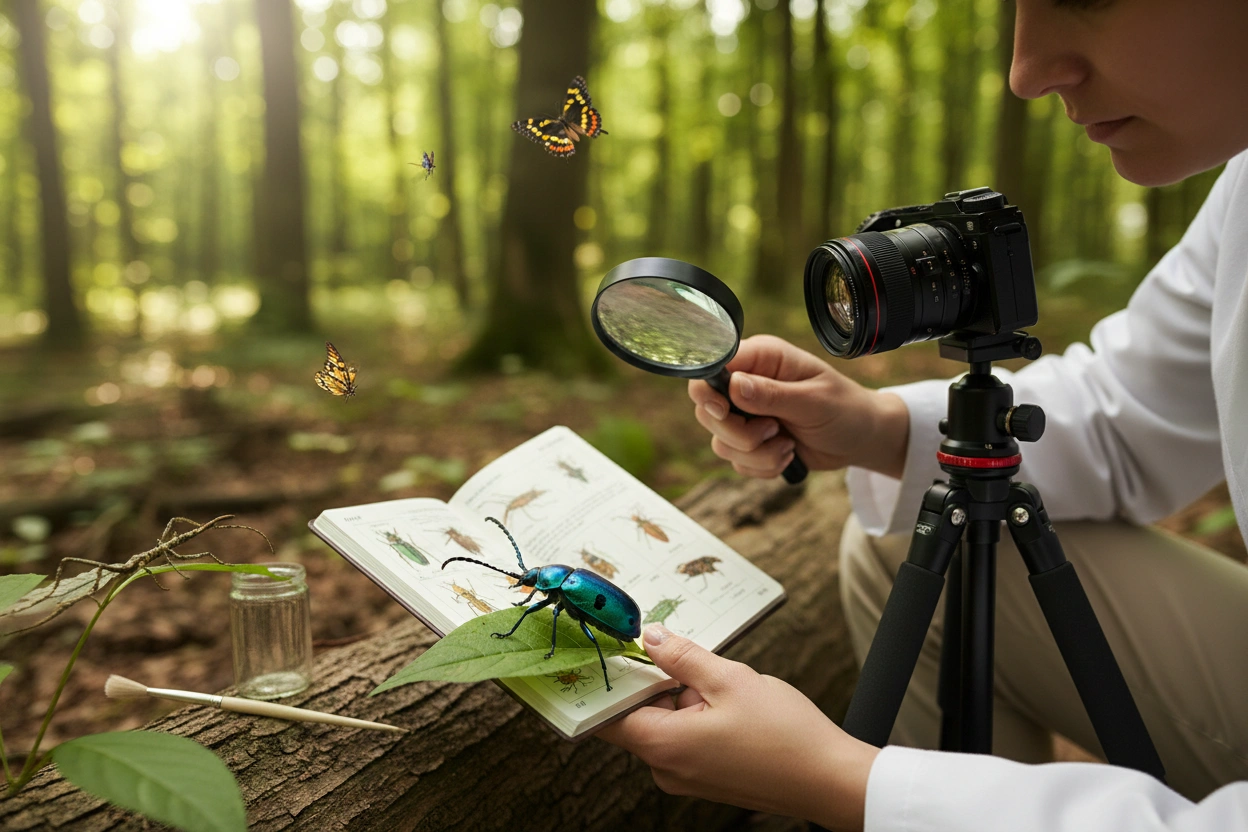
Identifying insect species is crucial for effective agricultural management. Accurate identification helps in determining whether an insect is beneficial or harmful to crops. Here are some strategies for insect species identification:
To effectively identify insects, begin with careful observation. Note their size, color, and behavior, as these factors can aid in distinguishing species.
Utilizing field guides and mobile applications can enhance your ability to identify insect species.
Engaging with entomologists or local agricultural extension services can provide invaluable insights into insect identification.

Exploring the most fascinating insect species can enrich your understanding of their roles in agriculture. Here are ten remarkable insects that significantly impact agricultural practices:
Honeybees are among the most well-known pollinators, responsible for pollinating a wide variety of crops. Their complex social structure and ability to communicate through dances make them fascinating subjects of study.
Ladybugs are effective natural pest controllers, primarily feeding on aphids. Their presence in the garden is often a sign of a healthy ecosystem.
Known for their incredible migratory patterns, monarch butterflies are vital pollinators. They are also a key species for studying the effects of climate change on migration and habitat loss.
Green lacewings are predators of aphids and other soft-bodied insects. Their larvae, often referred to as "aphid lions," are particularly voracious consumers of pests.
Dragonflies are beneficial predators of mosquitoes and other pests. Their presence can indicate a balanced ecosystem and healthy water sources.
Ground beetles are known for their predatory habits, feeding on pests such as caterpillars and slugs. They are essential for maintaining soil health and controlling pest populations.
While often viewed as pests, termites play a critical role in breaking down cellulose and recycling nutrients in the ecosystem. Their activity contributes to soil fertility.
Ants are complex social insects that can help control pest populations and improve soil structure. They also have mutualistic relationships with plants, aiding in seed dispersal.
Though often considered pests, aphids can also be indicators of plant health and ecosystem balance. Understanding their life cycle can help farmers manage their populations effectively.
Cicadas are known for their unique life cycles and loud mating calls. Their emergence can impact soil health and nutrient cycling, making them an interesting subject for agricultural studies.
Understanding insects in agriculture often comes with misconceptions that can lead to ineffective practices. Addressing these myths can enhance agricultural outcomes.
Not all insects are harmful; many play essential roles in essential roles in pollination, pest control, and soil health. Recognizing beneficial insects is crucial for sustainable farming practices.
While chemical pesticides can manage pest populations, they often disrupt the ecosystem and harm beneficial insects. Integrated Pest Management (IPM) strategies are more effective and sustainable.
Insects contribute significantly to soil health through decomposition and nutrient cycling. Recognizing their role can help farmers maintain fertile and productive soils.
To effectively manage insects in your agricultural practices, consider the following strategies:
Encourage Biodiversity
Plant a variety of crops and flowers to attract beneficial insects. Diverse ecosystems are more resilient and can better withstand pest outbreaks.
Implement Integrated Pest Management (IPM)
Combine biological, cultural, and chemical strategies to manage pests sustainably. Monitor pest populations and apply treatments only when necessary.
Create Habitats for Beneficial Insects
Designate areas in your fields for wildflowers and native plants to attract pollinators and beneficial predators. This practice supports a healthy ecosystem.
Educate Yourself and Your Team
Stay informed about insect species and their roles in agriculture. Regular training and workshops can enhance your knowledge and skills.
Utilize Technology
Consider using apps and online resources for insect identification and pest management strategies. Technology can streamline your efforts and improve accuracy.
The relationship between agriculture and insects is complex and multifaceted. Understanding this connection is vital for fostering sustainable farming practices. The knowledge you've gained about insects, their roles, and effective management strategies will serve you well as you navigate the agricultural landscape.
The Banana Slug Club is dedicated to promoting sustainable agriculture and environmental stewardship. We provide resources and support to help you apply what you've learned about insects in your agricultural endeavors. Whether you need assistance with pest management strategies or want to explore more about beneficial insects, our community is here to help.
To further your knowledge and enhance your agricultural practices, consider reaching out for support. Contact Banana Slug Club to learn more about how we can assist you in your journey toward sustainable agriculture.
Get free resources, early access to new features and updates.
No spam. Just fun educational emails!


.svg)
.svg)