Amphibians, a fascinating and diverse class of vertebrates, serve as critical indicators of environmental health and biodiversity. With over 8,000 species, these remarkable creatures inhabit a range of ecosystems, from tropical rainforests to temperate woodlands. Despite their importance, amphibians face numerous threats, including habitat loss, pollution, climate change, and diseases. Understanding amphibian behavior and conservation efforts is essential for anyone interested in wildlife, ecology, or environmental science. This beginner's guide aims to provide insights into various amphibian species, their behaviors, and the top conservation efforts that you can support to help protect these vital animals.
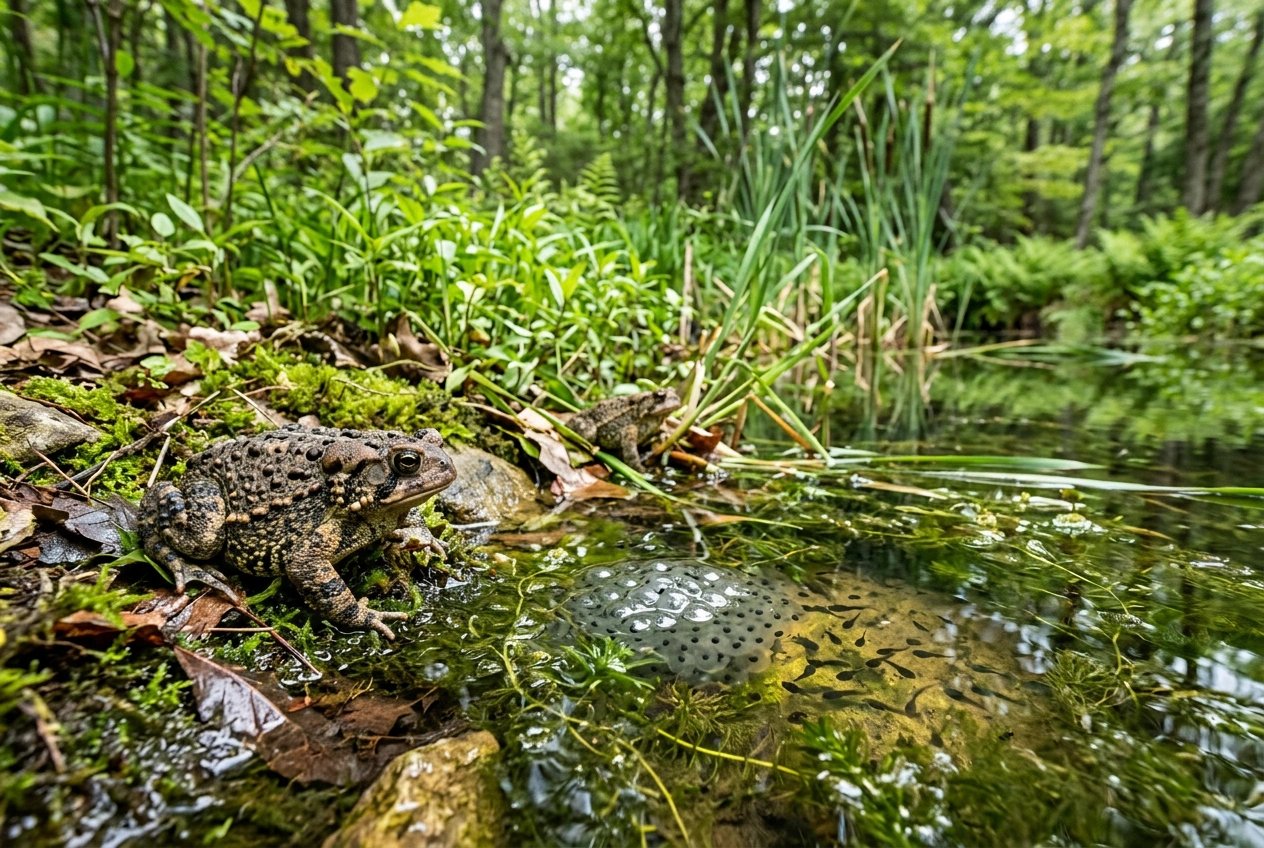
Amphibians are cold-blooded vertebrates that typically undergo a life cycle involving both aquatic and terrestrial phases. This unique characteristic sets them apart from other vertebrate classes. The main groups of amphibians include frogs, toads, salamander species, and caecilians.
Understanding the diversity of amphibians is crucial for recognizing their roles in ecosystems, such as controlling insect populations and serving as prey for various animals.
Amphibians thrive in a variety of habitats, but they are primarily found in moist environments. This preference for humidity is due to their permeable skin, which can easily lose moisture. Common habitats include:
Understanding frog habitats is vital for conservation, as these environments are increasingly threatened by urbanization, agriculture, and climate change.
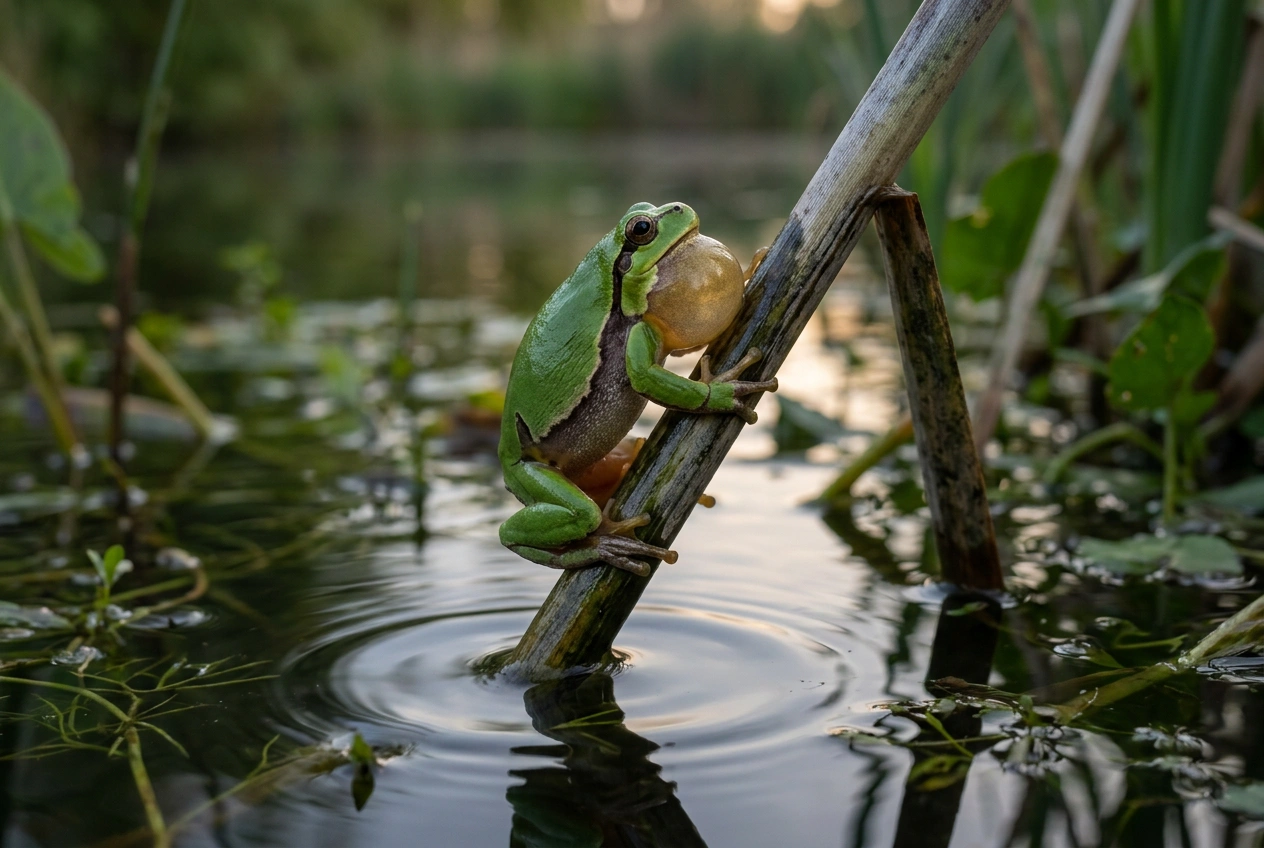
Amphibians exhibit a range of reproductive strategies, often influenced by their habitats. Most species engage in external fertilization, where females lay eggs in water, and males fertilize them externally. This method allows for a large number of offspring, increasing the chances of survival.
Amphibians are generally carnivorous, with diets that consist mainly of insects, worms, and small invertebrates. Some larger species, like certain frogs, may even consume small mammals or birds.
Understanding these behaviors is crucial for recognizing the ecological roles amphibians play as both predators and prey in their ecosystems.
Amphibians have developed various adaptations to evade predators, including:
These defense mechanisms highlight the intricate evolutionary strategies that amphibians have developed to survive in their environments.

Amphibians are facing unprecedented declines, making conservation efforts more crucial than ever. Here are ten notable initiatives aimed at preserving amphibian populations and their habitats:
By actively participating in or supporting these efforts, individuals can contribute to the preservation of amphibian species and their habitats.
Understanding amphibians and their behaviors is crucial for effective conservation strategies. The Banana Slug Club is dedicated to promoting awareness and education about amphibians and their ecosystems. By engaging with the community and providing resources, the Banana Slug Club plays a vital role in fostering a deeper appreciation for these remarkable creatures.
The Banana Slug Club offers various programs and initiatives aimed at educating the public about amphibians and their conservation needs. Whether through workshops, educational materials, or community events, the organization strives to inspire action and awareness.
If you're passionate about amphibian conservation and want to make a difference, consider getting involved with the Banana Slug Club. They offer numerous opportunities for individuals to learn more about amphibians and contribute to their conservation efforts.
The intersection of education and conservation is vital for ensuring the survival of amphibians. By supporting the Banana Slug Club, you can help amplify the message of amphibian protection and contribute to meaningful change.
Visit Banana Slug Club to learn more about their initiatives and how you can get involved in amphibian conservation efforts. Your participation can make a significant difference in safeguarding these essential species for future generations.
Get free resources, early access to new features and updates.
No spam. Just fun educational emails!