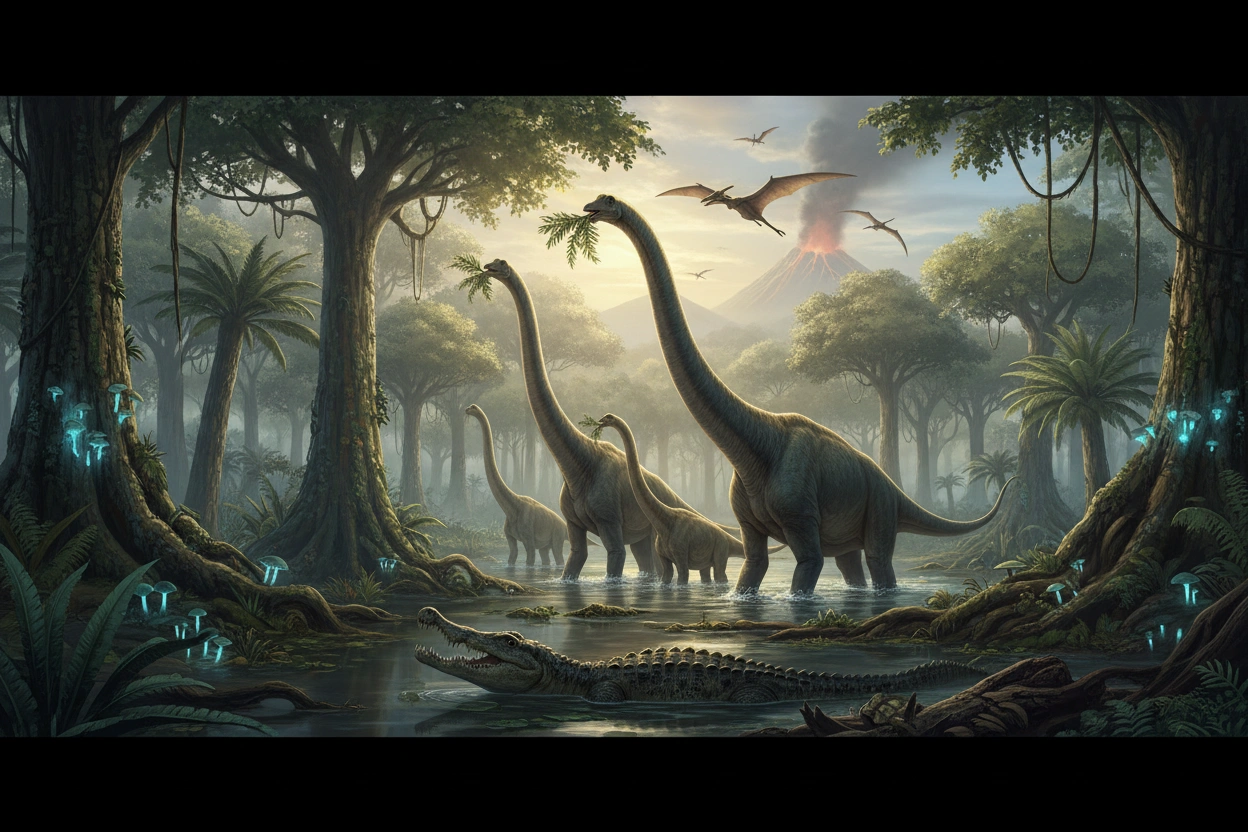
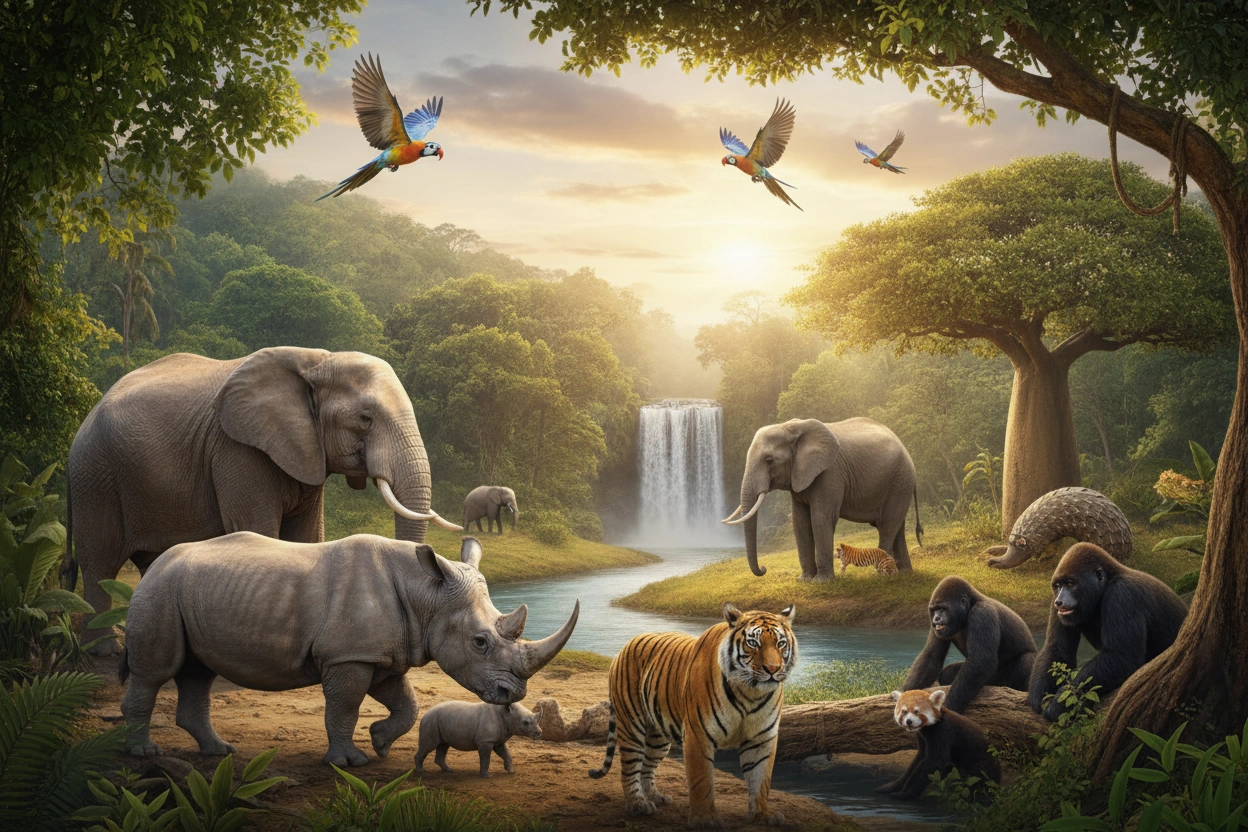
The plight of endangered animals is a pressing concern for global biodiversity and ecological health. With the accelerating pace of habitat loss and climate change, many species are on the brink of extinction. In 2026, the urgency to implement effective wildlife protection strategies has never been greater. This article delves into the key strategies for conserving endangered animals, the impact of habitat loss, and actionable insights for individuals and communities looking to contribute to these efforts.
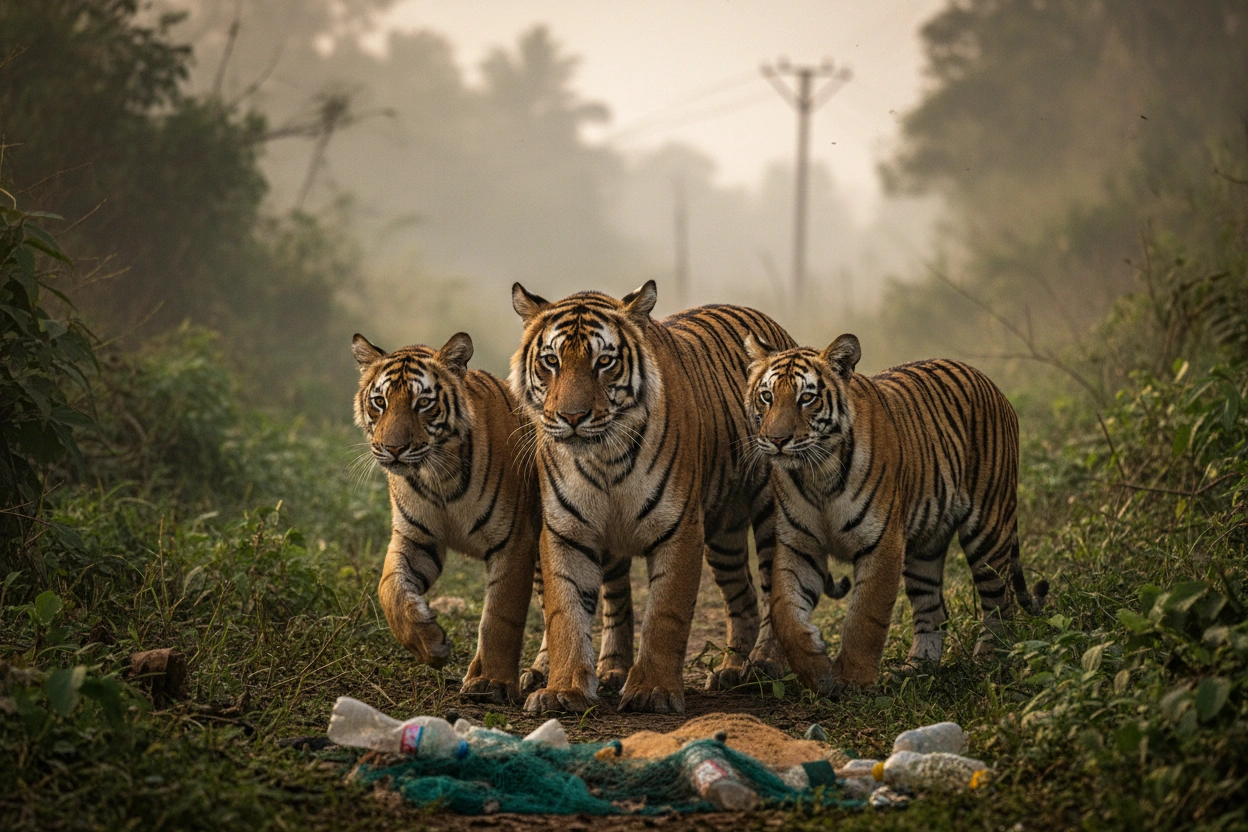
Endangered animals are species that face a high risk of extinction in the wild. This classification is determined by various factors, including population size, habitat range, and the threats they face. According to the International Union for Conservation of Nature (IUCN), over 37,000 species are currently listed as endangered species. The primary causes of endangerment include habitat loss, poaching, pollution, and climate change.
The significance of protecting endangered species extends beyond the animals themselves; it encompasses the health of ecosystems and human communities. Biodiversity contributes to ecosystem services that are vital for human survival, such as clean air and water, pollination of crops, and climate regulation. Therefore, conservation efforts are not only beneficial for wildlife but are essential for maintaining a sustainable future for all living organisms.
Habitat loss is the leading threat to endangered animals. It occurs when natural environments are transformed into urban areas, agricultural lands, or industrial sites. The consequences of habitat loss are profound and multifaceted.
Fragmentation of Populations
Habitat loss often results in fragmented landscapes, isolating animal populations. This isolation can lead to reduced genetic diversity, making species more vulnerable to diseases and less adaptable to environmental changes.
Loss of Resources
Endangered animals rely on specific habitats for food, shelter, and breeding. The destruction of these environments can lead to food shortages and decrease reproductive success, which in turn accelerates population decline.
Increased Human-Wildlife Conflict
As animals lose their natural habitats, they may venture into human-populated areas in search of resources, leading to conflicts. These interactions can result in negative perceptions of wildlife, further endangering species through hunting or extermination.
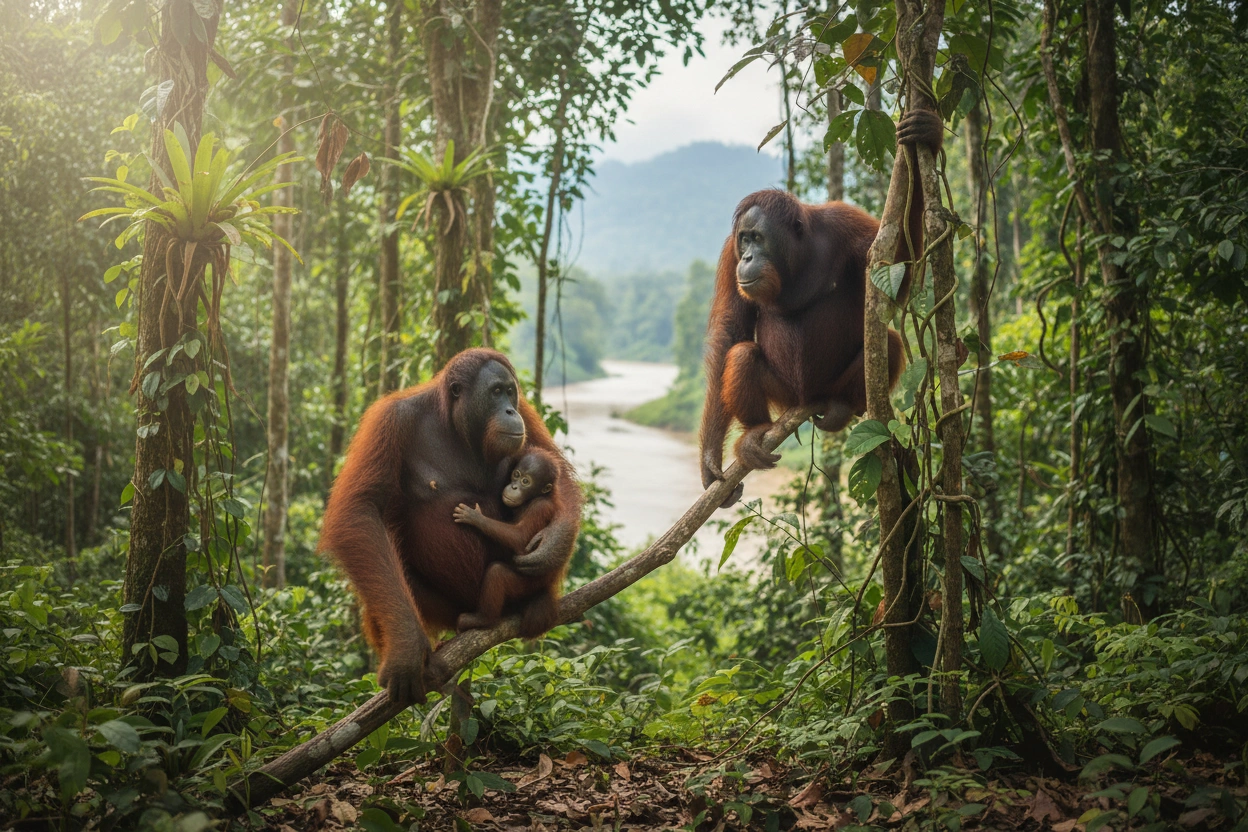
To combat the challenges faced by endangered animals, a variety of strategies can be employed. These approaches encompass legislative measures, community engagement, and habitat restoration.
Government policies play a crucial role in wildlife conservation. Laws such as the Endangered Species Act in the United States provide frameworks for the protection of threatened species and their habitats.
Strengthening Legal Frameworks
Governments must ensure that existing laws are adequately enforced and that new legislation is introduced to address emerging threats. This includes stricter penalties for poaching and illegal trade.
International Cooperation
Many endangered species migrate across borders. International treaties, such as the Convention on International Trade in Endangered Species of Wild Fauna and Flora (CITES), are essential for coordinating conservation efforts globally.
Engaging local communities is vital for the success of conservation initiatives. When communities are actively involved in wildlife protection, they are more likely to value and protect their natural resources.
Education and Awareness
Raising awareness about the importance of biodiversity and the specific needs of endangered animals can foster a sense of responsibility among community members. Educational programs can be integrated into schools and community centers.
Sustainable Practices
Encouraging sustainable land-use practices can minimize habitat destruction. Initiatives such as eco-tourism and sustainable agriculture can provide economic benefits while protecting wildlife.
Restoring degraded habitats is a proactive strategy that can facilitate the recovery of endangered species.
Reforestation and Afforestation
Planting trees and restoring natural vegetation can help rebuild ecosystems. For example, reforestation projects in Brazil have been instrumental in restoring habitats for endangered species like the jaguar.
Wetland Restoration
Wetlands are crucial for biodiversity and act as natural buffers against flooding and climate change. Restoring these areas can provide essential habitats for various endangered species, including amphibians and migratory birds.
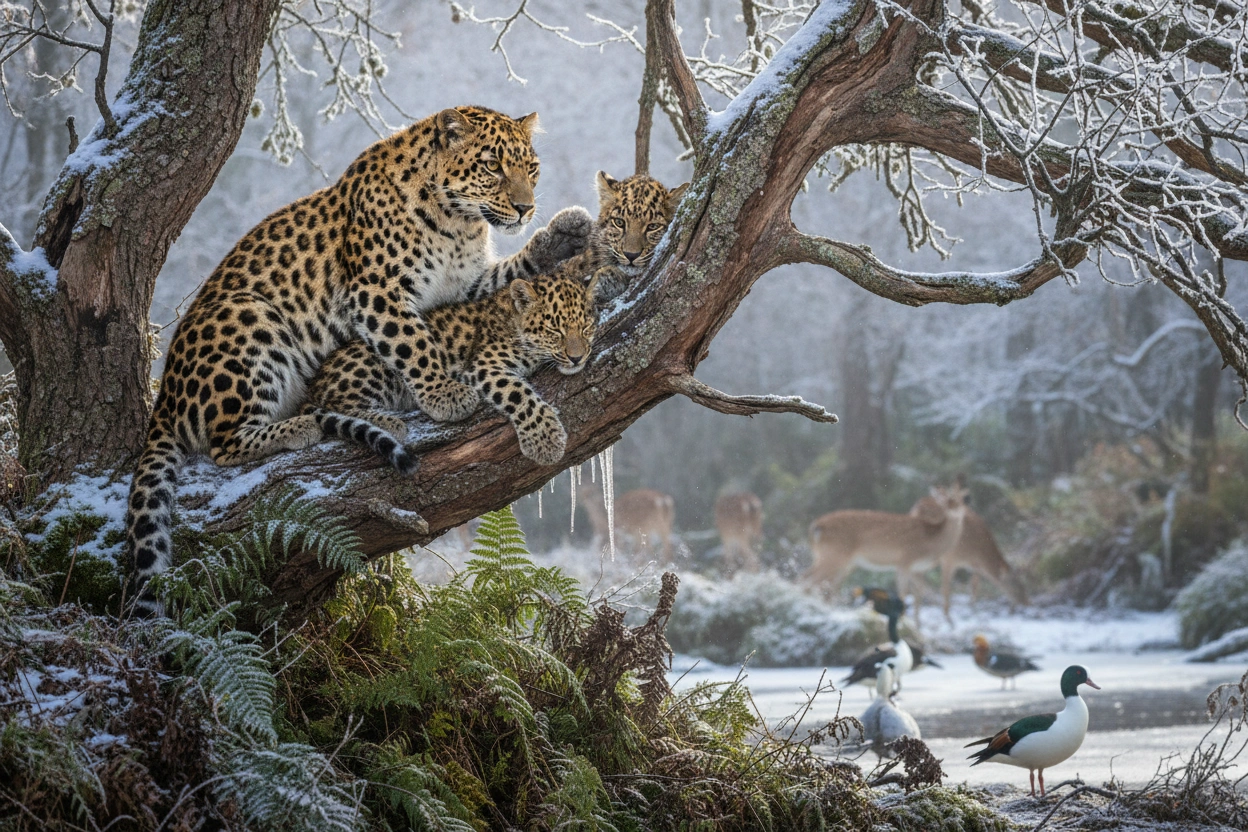
The conservation of endangered animals is not only a moral imperative but also a necessity for maintaining ecological balance. Biodiversity contributes to resilient ecosystems that can withstand environmental changes. Protecting endangered species ensures that ecosystems function effectively, benefiting all forms of life, including humans.
Despite the growing awareness of wildlife conservation, several misconceptions persist that can hinder effective action.
Misconception: Endangered Species Are Only Found in Remote Areas
Many believe that endangered animals are confined to remote, exotic locations. In reality, endangered species can be found in urban and suburban areas, highlighting the need for local conservation efforts.
Misconception: Conservation is Only the Responsibility of Governments and NGOs
While governments and non-governmental organizations play significant roles, individual actions are equally important. Every person can contribute to wildlife protection through responsible consumer choices and community engagement.
Individuals can play a crucial role in the conservation of endangered animals. Here are some practical steps to consider:
Support Conservation Organizations
Contributing to organizations focused on wildlife protection can amplify conservation efforts. This can be through donations or volunteering.
Practice Sustainable Living
Reducing waste, conserving water, and making sustainable food choices can lessen the impact on natural habitats.
Advocate for Wildlife Protection
Engaging in advocacy efforts, such as supporting legislation that protects endangered species, can lead to meaningful change.
Educate Others
Sharing knowledge about endangered animals and the importance of conservation can inspire others to take action.
The future of wildlife protection hinges on innovative strategies and collaborative efforts. Emerging technologies, such as genetic engineering and remote sensing, hold promise for enhancing conservation efforts.
Data Collection and Analysis
Advanced technologies, such as drones and satellite imagery, enable researchers to monitor wildlife populations and habitats effectively. This data is crucial for informed decision-making.
Genetic Conservation
Techniques like DNA analysis can help in understanding genetic diversity and developing breeding programs for endangered species.
The responsibility of saving endangered animals extends beyond conservationists and governments. Collective action from individuals and communities can create a powerful force for change. By fostering a culture of conservation, we can ensure that future generations inherit a world rich in biodiversity.
Supporting initiatives that promote awareness and action at the local level can significantly enhance the effectiveness of global conservation efforts. Organizations like the Banana Slug Club are pivotal in this regard, offering resources and opportunities for individuals to engage in wildlife protection actively.
The future of endangered animals depends on our collective efforts. By understanding the challenges they face and implementing effective strategies, we can create a sustainable environment for all species. The Banana Slug Club invites you to be part of this vital movement.
For those interested in making a difference, consider supporting conservation initiatives and advocating for wildlife protection. Together, we can ensure that endangered animals not only survive but thrive in their natural habitats.
For more information and to get involved, visit Banana Slug Club.
Get free resources, early access to new features and updates.
No spam. Just fun educational emails!


.svg)
.svg)