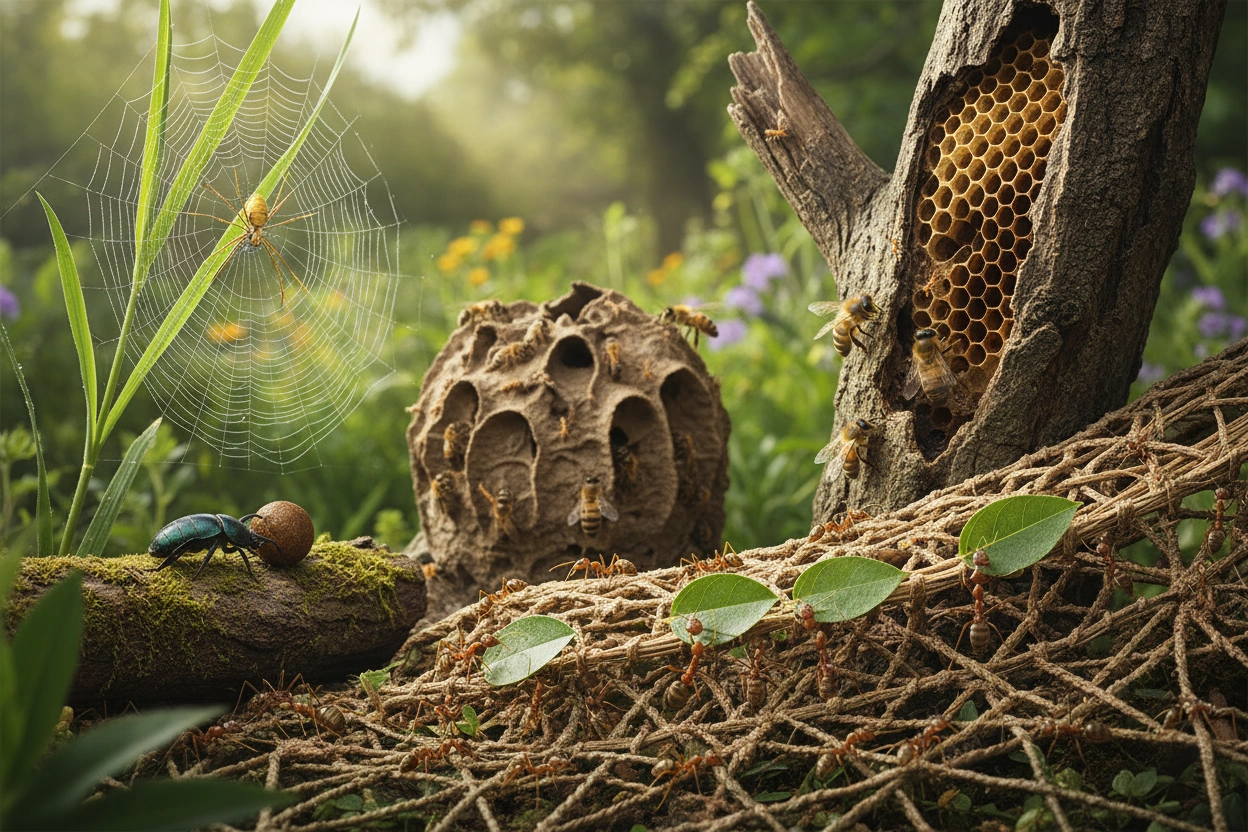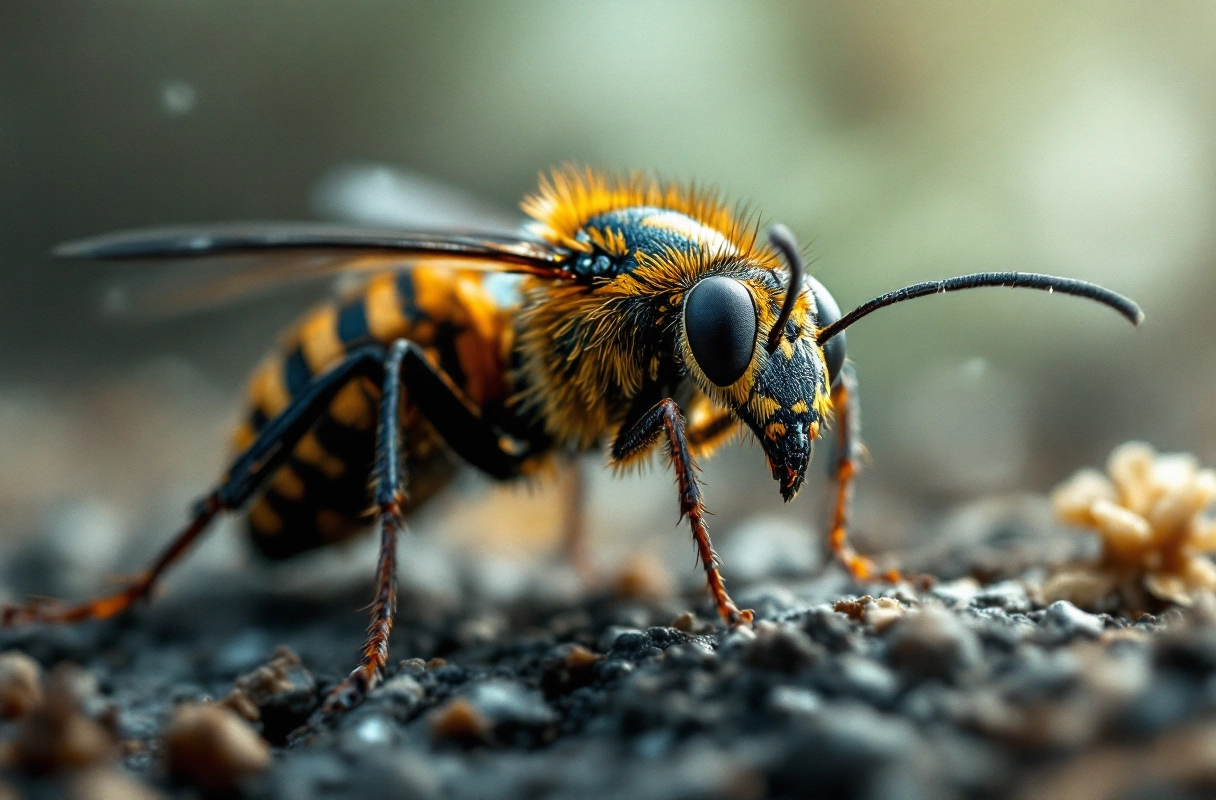
Insects are among the most diverse and adaptable creatures on the planet, with over a million described species and an estimated ten million yet to be identified. They play critical roles in various ecosystems, from pollination to decomposition, and their behavior often fascinates scientists and enthusiasts alike. Understanding what makes insects tick not only unveils the secrets of their survival strategies but also provides insights into broader ecological principles. This article delves into the fascinating world of insect behavior patterns and highlights ten incredible insect species that showcase unique adaptations and behaviors.
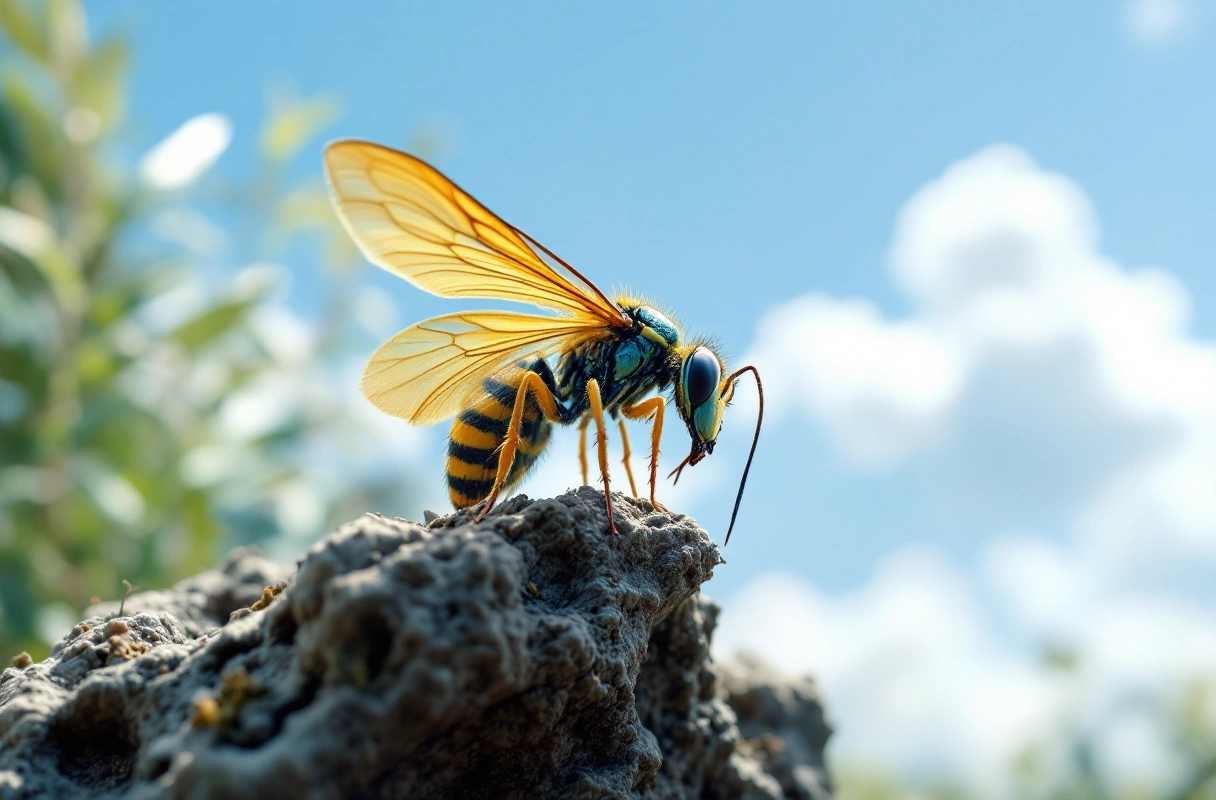
Studying insect behavior is crucial for several reasons. Firstly, it enhances our understanding biodiversity and the complex interactions within ecosystems. Insects affect plant life, soil health, and even other animal populations, making them integral to ecological balance. Secondly, the insights gained from insect behavior can inform agricultural practices, pest control strategies, and conservation efforts. For example, understanding pollination behaviors can lead to improved crop yields, while knowledge of pest behaviors can help in developing more effective pest management solutions.
Moreover, insects are excellent bioindicators, meaning their presence or absence can signal changes in environmental health. Observing their behavior can provide early warnings about ecological shifts, allowing for timely intervention. As such, unlocking the behavioral patterns of insects not only broadens scientific knowledge but also has practical implications for agriculture, conservation, and environmental monitoring.
Insect behavior is shaped by a variety of factors, including:
Understanding these factors provides a deeper insight into why insects behave the way they do, which is essential for both scientific research and practical applications.
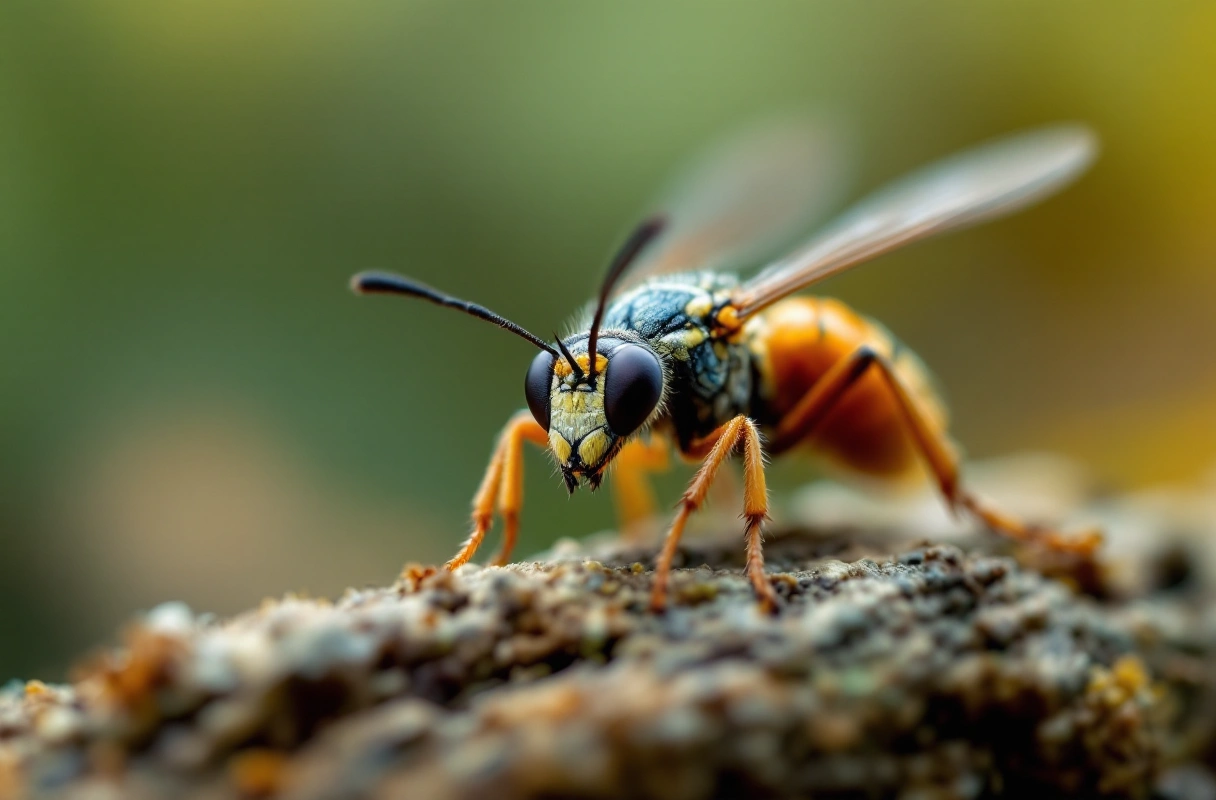
The world of insects is filled with extraordinary species that exhibit remarkable behaviors and adaptations. Here are ten of the most fascinating insect species that exemplify the diversity and complexity of insect life.
The Monarch butterfly is renowned for its incredible migration journey, traveling thousands of miles from North America to central Mexico for the winter. This remarkable feat involves navigating using environmental cues such as the position of the sun and the Earth’s magnetic field. Monarchs also exhibit a unique form of behavior known as “roosting,” where they gather in large groups to conserve heat during their migration.
Leafcutter ants are exceptional foragers known for their complex social structures and agricultural practices. They cut leaves and transport them back to their colonies to cultivate fungus, which serves as their primary food source. This behavior showcases a sophisticated mutualistic relationship between the ants and the fungus, highlighting the advanced social organization of these insects.
The Bombardier beetle is famous for its unique defense mechanism, which involves ejecting a hot, noxious chemical spray to deter predators. This process is a complex chemical reaction that occurs in specialized glands, demonstrating the beetle's remarkable evolutionary adaptation for survival.
Fireflies are well known for their bioluminescence, which they use for mating displays. The flashing patterns vary between species and are crucial for attracting mates. This behavior exemplifies the role of communication in the insect world and the evolutionary pressures that shape these signals.
Praying mantises are fascinating predators known for their unique hunting strategies. They exhibit ambush behavior, remaining motionless until their prey approaches, allowing them to strike with incredible speed and accuracy. Their ability to rotate their heads to scan their surroundings further enhances their predatory efficiency.
Honeybees are critical pollinators and display complex social behaviors within their colonies. They communicate through the “waggle dance,” which conveys information about the direction and distance of food sources. This behavior highlights the intricate social structures and communication systems that exist within insect societies.
Stick insects are masters of camouflage, mimicking twigs and branches to evade predators. This behavior not only aids in their survival but also demonstrates the evolutionary advantage of cryptic coloration in the insect world. Their slow movements and leaf-like appearance make them difficult to detect in their natural habitats.
The Silk Moth is notable for its role in the production of silk. The larvae spin cocoons, which are harvested for silk production. This species also showcases interesting mating behaviors, with males using pheromones to locate females from great distances. Their life cycle and the economic importance of silk illustrate the intersection of biology and industry.
Dragonflies are agile flyers known for their predatory skills. They exhibit complex mating rituals and territorial behaviors, often engaging in aerial displays to attract mates. Their incredible flight capabilities, including hovering and backward flight, make them fascinating subjects for studying insect aerodynamics.
Cicadas are famous for their distinctive mating calls, produced by males to attract females. Some species have life cycles that last several years, emerging synchronously in large numbers, which is thought to be a strategy to overwhelm predators. This phenomenon, known as "predator satiation," illustrates the intricate relationship between life cycles and survival strategies in insects.
Despite their prevalence, many misconceptions about insects persist. Addressing these misunderstandings is essential for fostering a greater appreciation of these creatures.
While some insect species can cause damage to crops and transmit diseases, the vast majority of insects play beneficial roles in ecosystems. Pollinators like bees and butterflies are crucial for food production, while decomposers like beetles and ants contribute to nutrient cycling.
Although some insects can be harmful, the majority pose little to no threat to humans. Understanding the specific behaviors and ecological roles of different insect species can help demystify their presence and reduce unnecessary fear.
Insects exhibit a wide range of complex behaviors, from social structures to advanced communication methods. Their adaptability and evolutionary innovations demonstrate that they are far from simple organisms.
Identifying insect species is a vital aspect of entomology that contributes to our understanding of biodiversity and ecological interactions. Accurate identification allows researchers and enthusiasts to monitor insect populations, assess environmental health, and implement effective conservation strategies.
Several tools and resources can assist in identifying insect species:
Understanding and engaging with insect behavior can enhance our appreciation for these creatures and their ecological roles. Here are some actionable strategies:
The intricate behaviors and adaptations of insects offer endless opportunities for exploration and discovery. From the migratory patterns of Monarch butterflies to the social structures of honeybees, each insect species presents unique insights into the natural world. Understanding these behaviors not only enriches our knowledge but also underscores the importance of preserving insect diversity for future generations.
The exploration of insect behavior patterns and species identification opens a gateway to appreciating the complexity of life on Earth. At Banana Slug Club, we are dedicated to fostering a deeper understanding of the natural world, including the vital roles insects play in our ecosystems. Whether you are a budding entomologist or simply curious about the wonders of nature, we invite you to join our community.
For more information on how you can engage with the fascinating world of insects and to stay updated on our initiatives, visit Banana Slug Club. Together, we can unlock the secrets of insect behavior and promote a healthier planet.
Get free resources, early access to new features and updates.
No spam. Just fun educational emails!


.svg)
.svg)