Birds are some of the most fascinating creatures on our planet, captivating us with their beauty, behaviors, and remarkable adaptations. Understanding the intricacies of avian anatomy and flight not only enriches our appreciation for these animals but also sheds light on their unique behaviors and migration patterns. This article will explore essential bird facts, delve into common bird behaviors, and highlight the top ten fascinating bird migration patterns that every bird enthusiast should know.
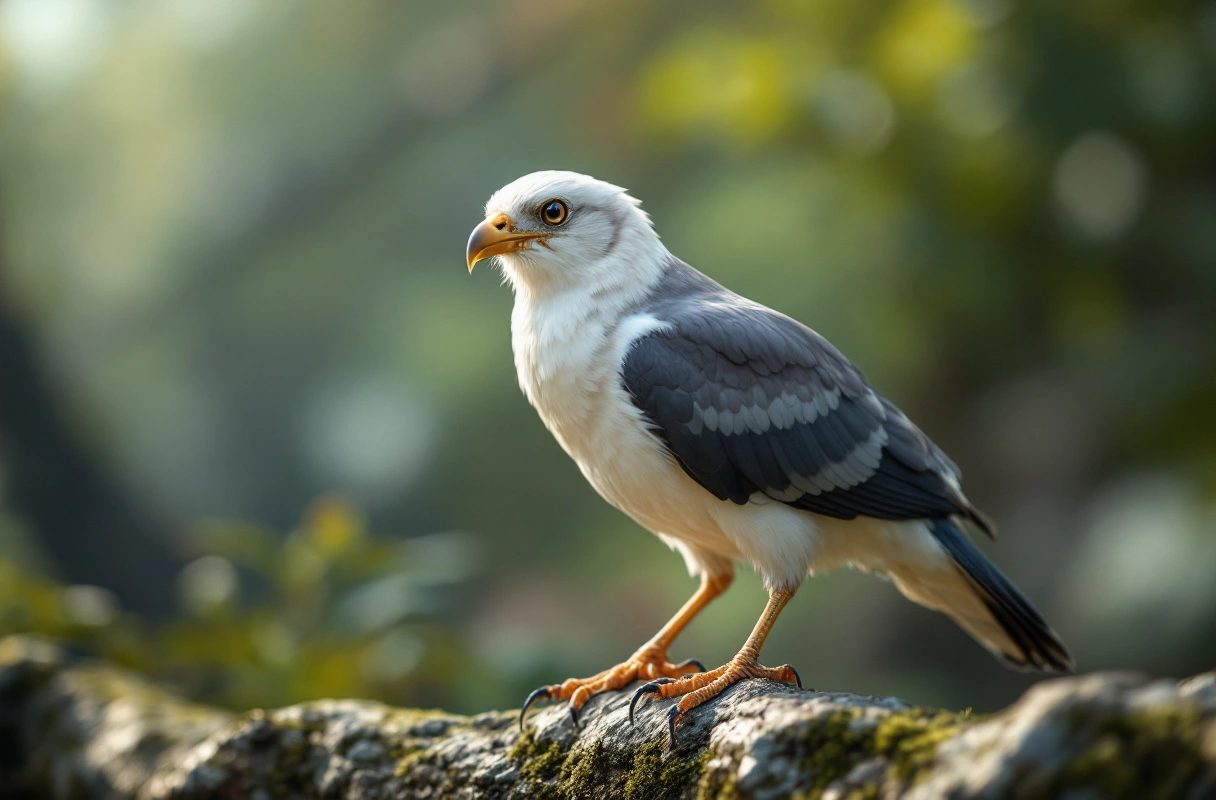
Birds possess a distinct anatomical structure that differentiates them from mammals and reptiles. Their lightweight skeletons are primarily composed of hollow bones, which provide strength without the added weight. This adaptation is crucial for flight, allowing birds to soar and maneuver with grace. In addition to their skeletal structure, birds have a specialized respiratory system featuring air sacs, which enables efficient oxygen exchange during both inhalation and exhalation. This is particularly beneficial during flight, where oxygen demand is high.
Birds also have a unique digestive system that includes a crop for temporary food storage and a gizzard for grinding food, allowing them to extract maximum nutrients. Their feathers, made primarily of keratin, serve multiple purposes beyond flight, including insulation and display for mating rituals. Understanding these aspects of avian anatomy is crucial for appreciating how birds interact with their environment and adapt to various ecological niches.
The adaptations that facilitate flight in birds are remarkable. Birds have powerful flight muscles, particularly the pectoralis and supracoracoideus, which control wing movement. Their wings, shaped like airfoils, generate lift as air flows over and under them. The arrangement of feathers plays a vital role in aerodynamics, with primary feathers at the wing tips providing thrust and secondary feathers aiding in lift.
Moreover, the center of gravity in birds is strategically located near their wings, enhancing their stability during flight. The unique structure of the bird’s keel, a prominent extension of the breastbone, allows for the attachment of strong flight muscles. These adaptations collectively enable birds to undertake impressive migratory journeys, often covering thousands of miles.
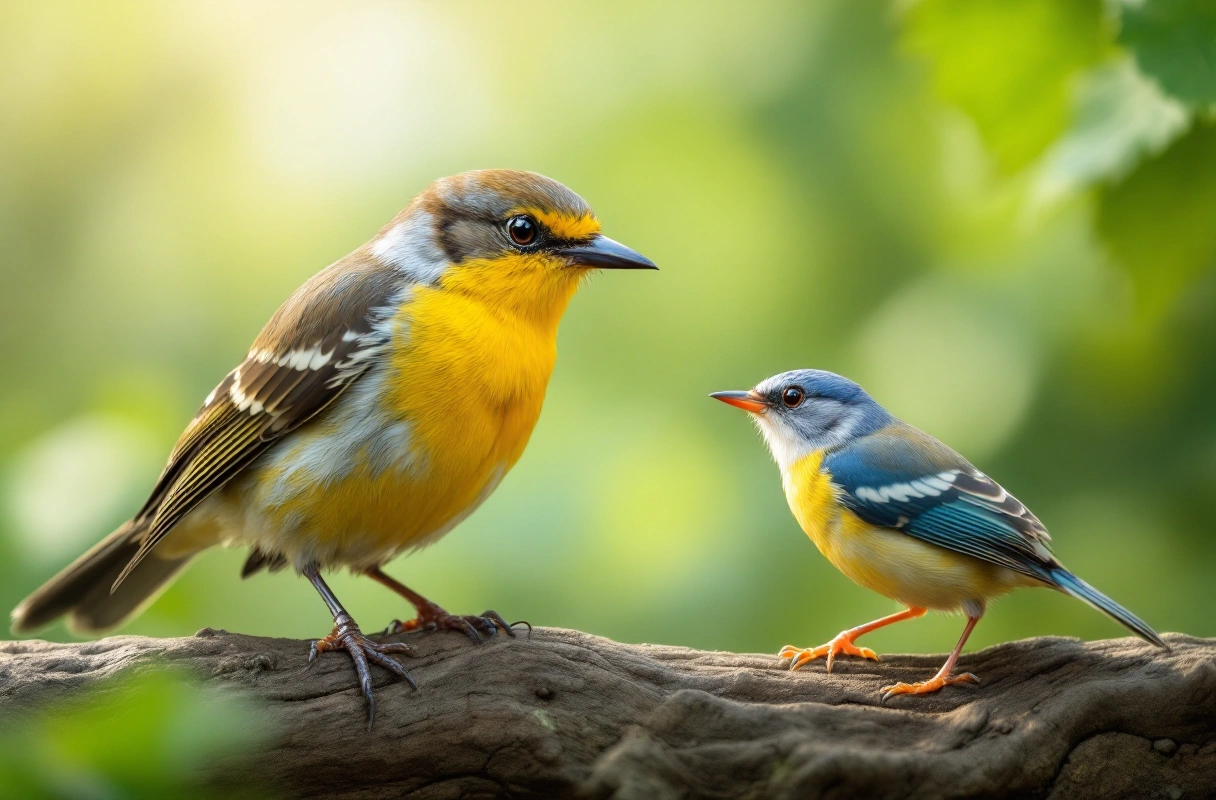
Birds exhibit a variety of social behaviors that are essential for their survival and reproduction. Many species are social creatures, forming flocks for protection against predators, increased foraging efficiency, and enhanced navigation during migration. For instance, starlings are known for their spectacular murmurations, where large flocks move in unison to confuse predators.
Communication among birds is complex, encompassing vocalizations, body language, and visual displays. Songs and calls serve numerous purposes, from attracting mates to signaling alarm. Understanding these behaviors can enhance birdwatching experiences and foster a deeper connection with avian life.
Nesting behaviors vary widely among bird species, influenced by their environmental conditions and evolutionary history. Some birds, like the American robin, build open nests in trees, while others, such as the woodpecker, excavate cavities in tree trunks. Parental care is also a critical aspect of bird behavior, with many species exhibiting dedicated nurturing roles. For example, both male and female penguins take turns incubating eggs and feeding their chicks.
The strategies employed in nesting and parental care reflect the adaptability of birds to their habitats. Understanding these behaviors is essential for conservation efforts and for fostering appreciation of the challenges birds face in raising their young.

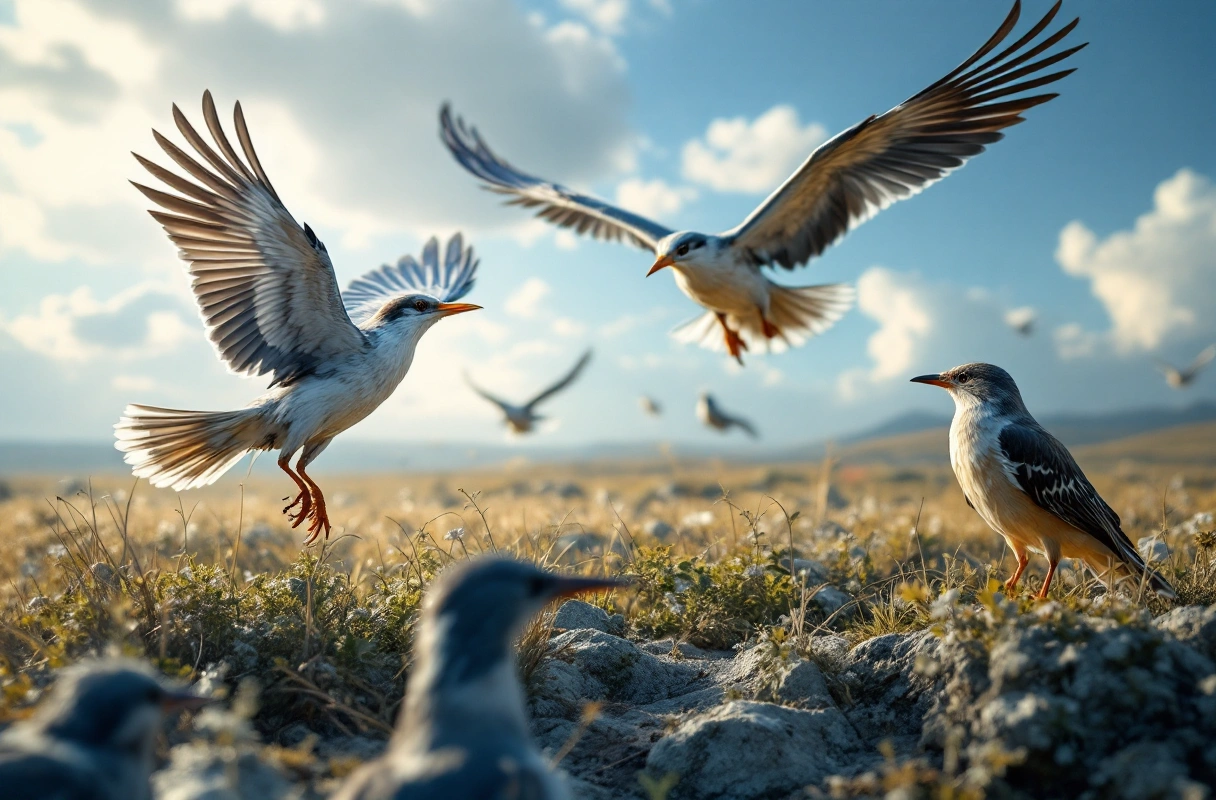
Bird migration is one of the most extraordinary phenomena in nature. It is driven by various factors, including changes in food availability, breeding requirements, and environmental conditions. Here are ten remarkable migration patterns that highlight the incredible journeys birds undertake.
Arctic Tern: Known for having the longest migration of any bird, the Arctic Tern travels approximately 44,000 miles annually between its breeding grounds in the Arctic and wintering sites in Antarctica.
Bar-tailed Godwit: This shorebird holds the record for the longest non-stop flight, covering around 7,000 miles from Alaska to New Zealand without stopping for food or rest.
Ruby-throated Hummingbird: These tiny birds migrate from North America to Central America, often crossing the Gulf of Mexico in a single flight lasting up to 18 hours.
Swainson's Hawk: This raptor migrates from North America to Argentina, traveling over 6,000 miles. They often gather in large groups before embarking on their journey.
Common Swift: Known for its incredible aerial skills, the Common Swift migrates from Europe to Africa, spending the majority of its life in flight, even sleeping while soaring.
Snow Geese: These geese migrate in large flocks, traveling from their breeding grounds in Canada to wintering areas in the southern United States, often stopping at key staging sites.
European Barn Swallow: This species migrates from Europe to sub-Saharan Africa, with individuals covering distances of up to 6,000 miles.
Eastern Kingbird: These birds migrate from North America to South America, often taking a route that includes crossing the Caribbean Sea.
American Golden-Plover: This shorebird migrates from breeding grounds in the Arctic to wintering sites in South America, demonstrating remarkable navigation skills.
Whooping Crane: One of the most endangered bird species, Whooping Cranes migrate from their breeding grounds in Canada to wintering sites in Texas, often following traditional migratory routes passed down through generations.
Understanding these migration patterns not only showcases the resilience and adaptability of birds but also emphasizes the importance of protecting their habitats along these migratory routes.
One common misconception is that birds are not intelligent creatures. In reality, many bird species demonstrate remarkable cognitive abilities. For instance, crows and parrots exhibit problem-solving skills, tool use, and even the ability to mimic human speech. Research has shown that some birds can recognize themselves in mirrors, indicating a level of self-awareness.
Another misconception is that all birds migrate. While many species do undertake migratory journeys, a significant number remain in their habitats year-round. For example, some birds, such as cardinals and sparrows, are non-migratory and adapt to seasonal changes by altering their behaviors rather than relocating.
As we explore fascinating bird facts and behaviors, it is crucial to recognize the challenges birds face due to habitat loss, climate change, and other human-induced factors. Conservation efforts are essential to ensure the survival of many species and the preservation of their migratory routes. Organizations around the world are working tirelessly to protect critical habitats, raise awareness, and promote sustainable practices that benefit both birds and their ecosystems.
Engaging with the world of birds opens up a realm of knowledge and appreciation for nature's wonders. The insights gained from understanding bird facts and their behaviors can inspire conservation efforts and foster a deeper connection with the environment. The Banana Slug Club is dedicated to promoting awareness and education about wildlife, including birds, while encouraging sustainable practices that protect our planet.
By exploring the fascinating world of birds and supporting conservation initiatives, we can all contribute to the preservation of avian diversity and the health of our ecosystems. For those interested in learning more or getting involved, visit Banana Slug Club to discover resources and opportunities for engagement in wildlife conservation.
Birds are not just beautiful creatures; they play vital roles in our ecosystems. Whether through pollination, seed dispersal, or pest control, their contributions are invaluable. As we learn more about bird facts, let us also take action to protect their habitats and promote biodiversity.
To get involved and support conservation efforts, contact Banana Slug Club for information on how you can make a difference in your community and contribute to the protection of our feathered friends. Together, we can work towards a future where birds thrive in their natural environments, enriching our lives and the ecosystems we share.
Get free resources, early access to new features and updates.
No spam. Just fun educational emails!


.svg)
.svg)