Birds are a remarkable part of our planet's ecosystem, showcasing a diverse range of behaviors and adaptations that allow them to thrive in various habitats. Understanding bird facts can enhance our appreciation for these avian creatures and their roles in our environment. This article delves into the intricate relationships between birds and their habitats, explores common bird behaviors, and highlights ten fascinating bird migration patterns that exemplify the incredible journeys these creatures undertake.

Bird habitats are crucial for the survival of avian species. These environments provide essential resources such as food, shelter, and breeding grounds. The diversity of bird habitats around the world ranges from dense forests and wetlands to arid deserts and bustling urban areas. Each habitat presents unique challenges and opportunities, influencing the behaviors and adaptations of the birds that inhabit them.
One significant aspect of bird habitats is their impact on biodiversity. Healthy ecosystems support a wide variety of bird species, each playing a vital role in their respective environments. For instance, birds contribute to pollination, seed dispersal, and pest control, making them integral to maintaining ecological balance. Understanding the intricate relationship between birds and their habitats helps us appreciate the need for conservation efforts to protect these vital ecosystems.
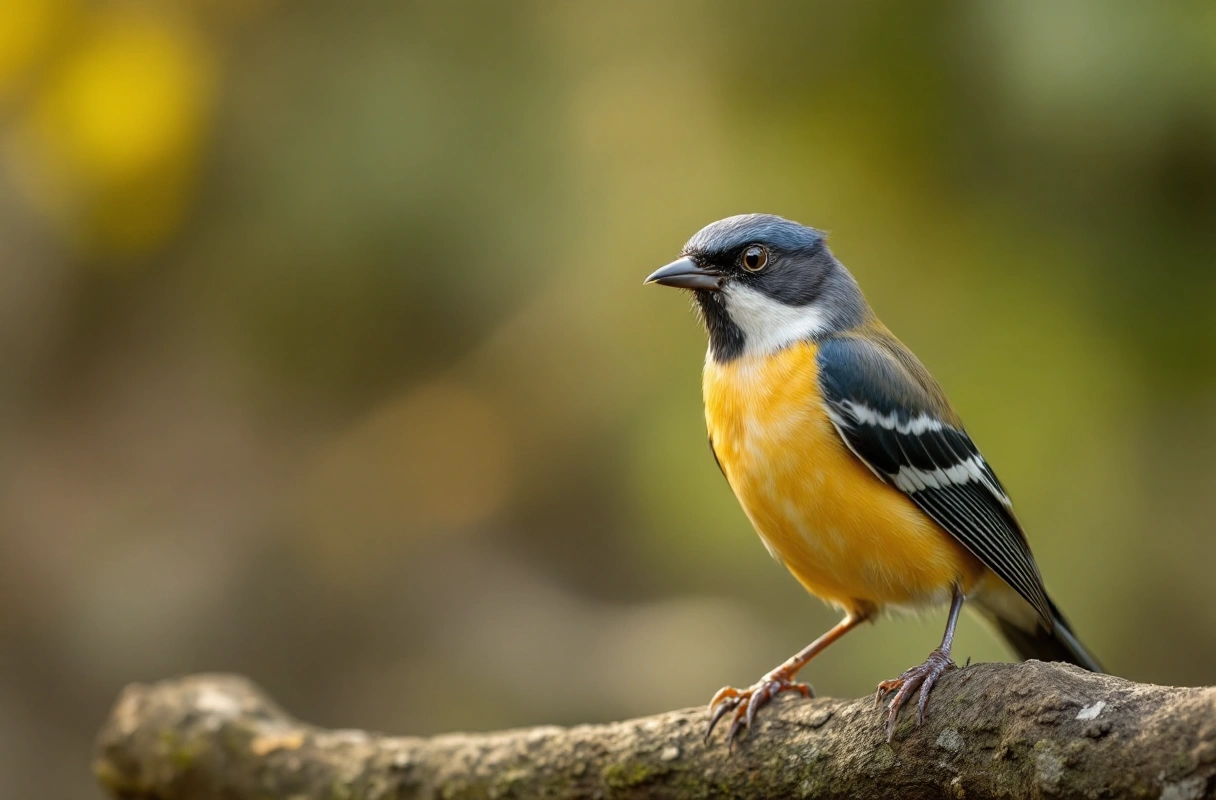
Understanding common bird behaviors is essential for any bird enthusiast. These behaviors can vary significantly based on the species and their respective habitats. Here are some typical behaviors exhibited by birds:
Birds exhibit diverse feeding strategies, including foraging, hunting, and scavenging. For instance:
Birds also display various social behaviors, which can include:
Migration is one of the most fascinating behaviors exhibited by birds. It involves traveling vast distances between breeding and wintering grounds, often driven by changes in food availability and climate. Understanding these patterns is essential for conservation efforts, as many migratory birds face threats during their journeys.
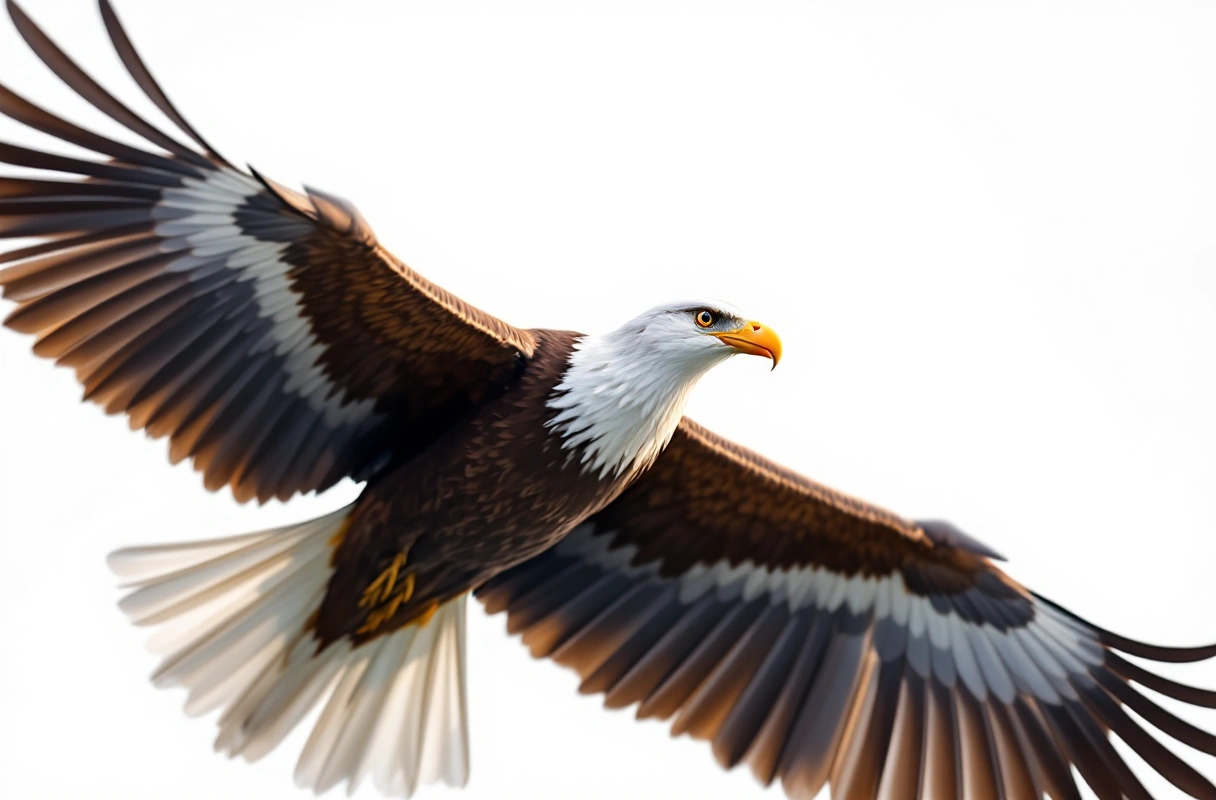
Bird migration is a remarkable phenomenon that showcases the fascinating bird migration patterns that showcases the incredible endurance and navigational skills of avian species. Here are ten of the most fascinating bird migration patterns:
Arctic Tern: This small seabird holds the record for the longest migration, traveling approximately 71,000 kilometers (44,000 miles) annually between its breeding grounds in the Arctic and wintering locations in the Antarctic.
Bar-tailed Godwit: Known for its non-stop flight, the bar-tailed godwit migrates over 12,000 kilometers (7,500 miles) from Alaska to New Zealand without resting.
Swallow: Swallows migrate from North America to Central and South America, covering distances of up to 10,000 kilometers (6,200 miles). They are known for their agile flying and ability to catch insects mid-air.
Common Eider: This sea duck migrates from breeding grounds in the Arctic to wintering habitats in coastal areas of the Atlantic. They often travel in large flocks, providing safety in numbers.
Red Knot: This shorebird travels from its breeding grounds in the Arctic to wintering sites in South America, making a critical stopover at Delaware Bay to feed on horseshoe crab eggs during migration.
Sandhill Crane: Known for their elaborate courtship dances, sandhill cranes migrate from their breeding grounds in Canada and the northern United States to warmer regions in the southern United States and Mexico.
Eastern Phoebe: This small flycatcher migrates from its breeding grounds in North America to wintering sites in Central America, showcasing impressive adaptability to various habitats.
Western Sandpiper: These small shorebirds undertake a remarkable migration from their breeding grounds in Alaska to wintering sites along the Pacific coast, often joining large flocks during their journey.
American Robin: A common sight in gardens, American robins migrate from northern breeding grounds to southern wintering areas, often signaling the arrival of spring with their return.
Snow Goose: These geese migrate in large flocks, traveling from breeding grounds in Canada to wintering areas in the southern United States and Mexico, showcasing the power of group dynamics during migration.
Bird migration is driven by various factors, including:
Understanding these factors can help in conservation efforts, as many migratory birds face threats from habitat loss, climate change, and human interference.
Despite the wealth of knowledge about bird migration, several misconceptions persist. Addressing these can help foster a more accurate understanding of avian behaviors.
Not all bird species migrate. While many do, some species are resident birds that stay in the same area year-round, relying on available food sources and adapting to seasonal changes.
While migration is partly instinctual, many birds learn migratory routes from their parents or through experience. This learning process is vital for successful navigation.
While many birds follow predictable migratory patterns, timing can vary based on environmental factors such as climate and food availability. For example, warmer winters may lead to earlier migrations.
Protecting bird habitats is essential for the survival of avian species and the overall health of ecosystems. Here are some actionable strategies for conservation:
Habitat Restoration: Efforts to restore damaged ecosystems can provide critical resources for birds. This includes reforestation projects and wetland restoration.
Protected Areas: Establishing protected areas, such as national parks and wildlife reserves, helps safeguard essential habitats from development and human interference.
Community Engagement: Involving local communities in conservation efforts can enhance awareness and foster a sense of stewardship for bird habitats.
Sustainable Practices: Encouraging sustainable agricultural and forestry practices can help minimize habitat destruction and promote biodiversity.
Research and Monitoring: Ongoing research and monitoring of bird populations and their habitats are crucial for informing conservation strategies and understanding the impacts of climate change.
Birdwatching is not only a popular hobby but also plays a significant role in conservation efforts. Engaging with birds fosters a deeper appreciation for their habitats and encourages individuals to participate in conservation initiatives. Birdwatchers often contribute to citizen science projects, helping track bird populations and migration patterns, which can inform conservation strategies.
Understanding bird facts is essential for fostering appreciation and awareness of these fascinating creatures and their habitats. By learning about bird behaviors, migration patterns, and conservation efforts, we can all contribute to the protection of avian species and their ecosystems.
The Banana Slug Club is dedicated to educating the public about the importance of biodiversity and the roles that various species, including birds, play in our ecosystems. Through community engagement, educational programs, and conservation initiatives, we strive to inspire individuals to take action in protecting our planet's natural resources.
We invite you to explore our resources and join our community at the Banana Slug Club. Whether you are a seasoned birdwatcher or a curious learner, there are countless opportunities to engage with nature and contribute to conservation efforts. Visit our website or contact us for more information on how you can get involved and make a difference in the world of bird conservation.
Get free resources, early access to new features and updates.
No spam. Just fun educational emails!


.svg)
.svg)