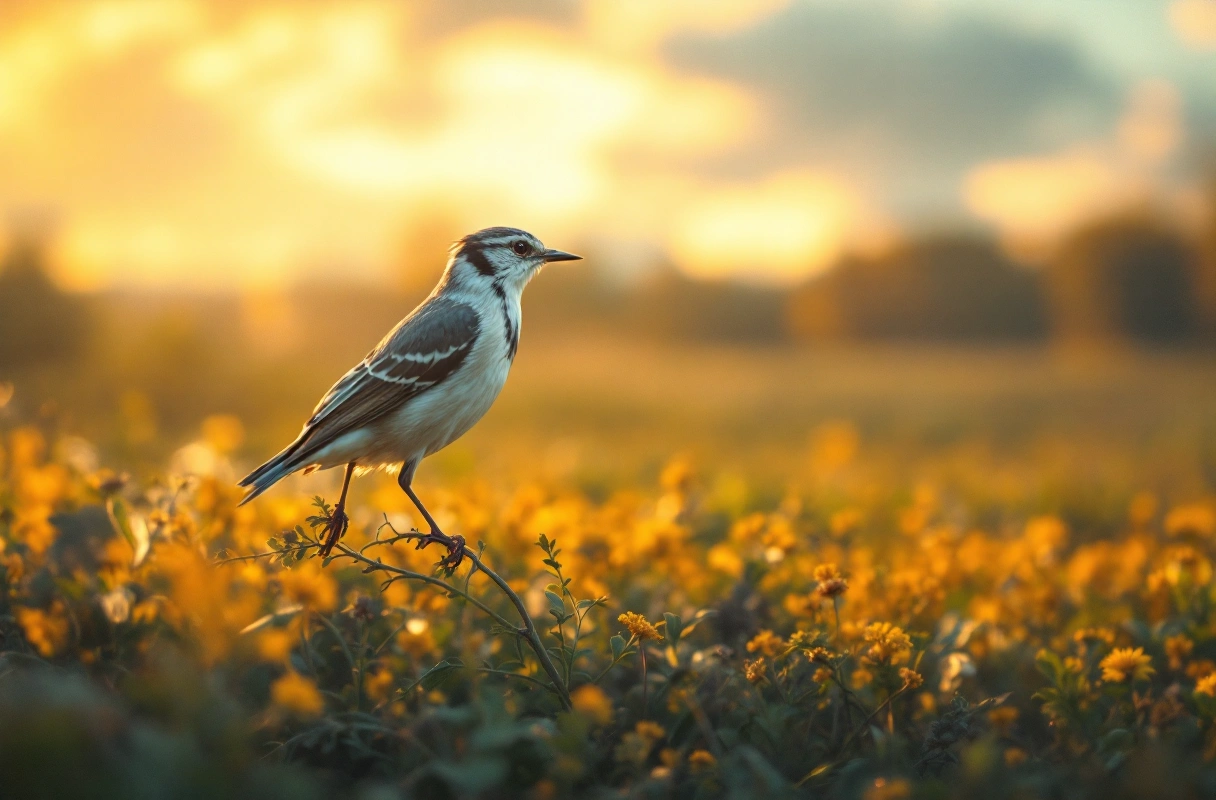
Birds are remarkable creatures that captivate the imagination with their vibrant colors, melodious songs, and incredible abilities. Among the many intriguing aspects of birds, their migration patterns stand out as one of the most fascinating phenomena in the natural world. Migration is not merely a seasonal journey; it is a complex behavior that reflects the adaptability and resilience of avian species. This article will explore bird facts through the lens of migration patterns, revealing insights into common bird behaviors and presenting the top ten migration patterns that are truly remarkable.

Bird migration is the seasonal movement of birds from one region to another, often driven by the changing availability of food and breeding opportunities. This phenomenon typically occurs in response to environmental cues such as temperature fluctuations, daylight hours, and food supply. Birds undertake these journeys to ensure their survival and reproductive success. The distances birds travel can be astonishing, with some species covering thousands of miles each year.
The science of bird migration involves a blend of biology, ecology, and meteorology. Birds possess remarkable navigational abilities, which allow them to find their way over long distances. These navigational skills are influenced by various factors, including:
Understanding these principles not only enriches our knowledge of bird facts but also highlights the complexities of avian life.
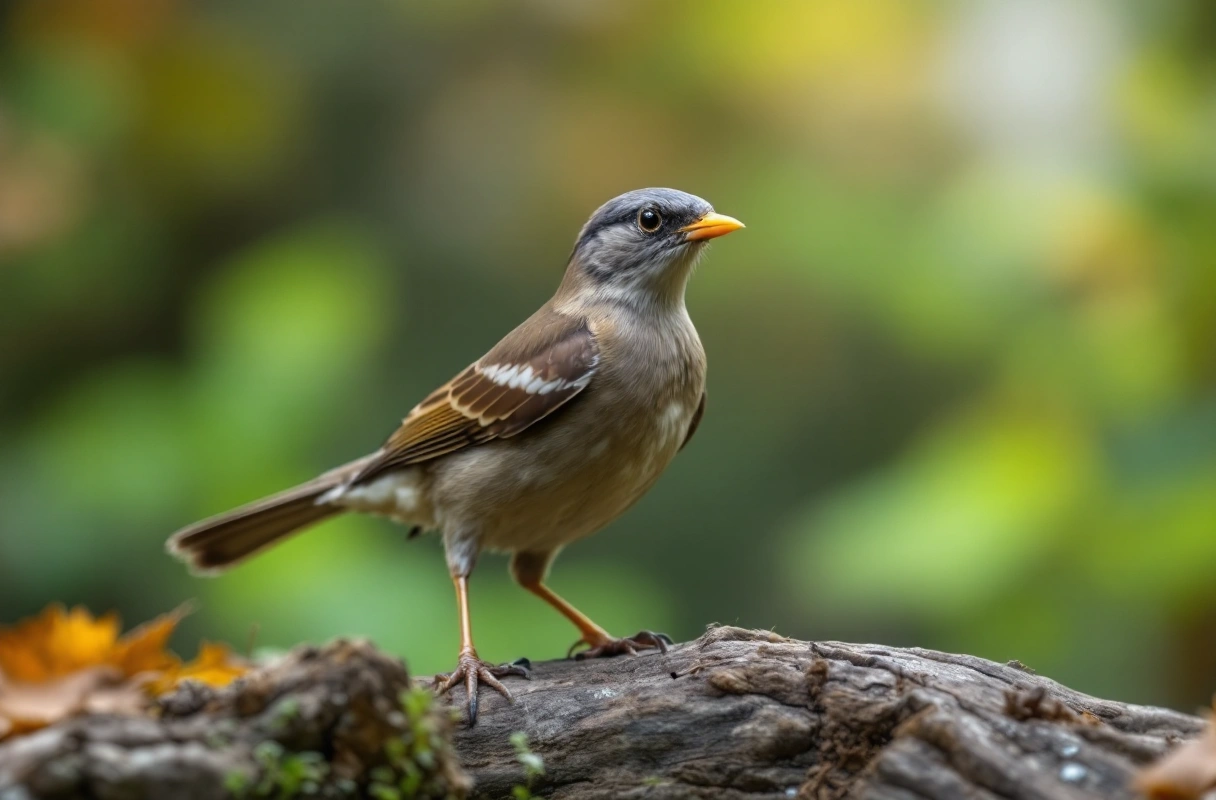
Arctic Tern: This small seabird holds the record for the longest migration of any animal, traveling an astonishing 44,000 miles annually from its breeding grounds in the Arctic to wintering areas in the Antarctic. This migratory route allows the Arctic Tern to experience two summers each year, maximizing its feeding opportunities.
Bald Eagle: Known for its majestic presence, the Bald Eagle migrates from northern Canada and Alaska to the southern United States during the winter months. These birds are particularly drawn to areas where open water is available, allowing them to hunt for fish more efficiently.
Common Swift: This remarkable bird spends the majority of its life in flight, migrating from Europe to Africa in search of warmer climates. The Common Swift can fly for months without landing, feeding and sleeping while on the wing.
Hummingbird: The Ruby-throated Hummingbird migrates between North America and Central America, covering distances of up to 500 miles in a single flight across the Gulf of Mexico. This migration is crucial for their survival, as they rely on specific flowering plants that bloom seasonally.
Sandhill Crane: Known for their distinctive calls and impressive formations in flight, Sandhill Cranes migrate from their breeding grounds in Canada to the southern United States. Their migration is a spectacular sight, with thousands of birds traveling together in large flocks.
Barn Swallow: The Barn Swallow migrates from North America to South America, covering vast distances in search of insects. These birds are adept at catching prey mid-flight, making them highly efficient foragers during their migratory journey.
Whooping Crane: One of the most endangered bird species, the Whooping Crane migrates between Canada and the southern United States. Conservation efforts have been implemented to protect their migratory routes and breeding habitats, showcasing the importance of preserving these majestic birds.
Northern Pintail: This waterfowl migrates between North America and Central America, often traveling in pairs or small groups. Their migratory behavior is closely tied to the availability of wetland habitats, which are essential for their breeding success.
Common Eider: This sea duck migrates from its breeding grounds in the Arctic to coastal areas during the winter. The Common Eider is known for its thick insulating feathers, which allow it to withstand harsh winter conditions.
Blackpoll Warbler: This small songbird is known for its extraordinary migration from North America to South America. The Blackpoll Warbler makes a non-stop flight across the Atlantic Ocean, covering approximately 2,000 miles in a single journey.
Birds exhibit a range of behaviors during migration that reflect their adaptability and survival strategies. Understanding these behaviors enriches our knowledge of bird facts and provides insights into their lives.

Migration plays a vital role in the ecology of ecosystems. It allows for the distribution of bird species across different regions, contributing to biodiversity. Furthermore, migrating birds often serve as indicators of environmental health, as their movements are closely tied to changes in climate and habitat conditions.
Despite the fascinating nature of bird migration, many species face significant challenges. Habitat loss, climate change, and human activities threaten migratory routes and stopover sites. Conservation efforts are essential to protect these birds and ensure their survival.
One of the most rewarding ways to learn about bird migration is through observation. Birdwatching allows enthusiasts to witness migratory behaviors firsthand and deepen their understanding of these remarkable creatures. Here are some tips for effective birdwatching:
Birdwatching not only provides enjoyment but also plays a critical role in conservation efforts. Enthusiasts can contribute to citizen science initiatives by reporting sightings, which helps researchers track migratory patterns and population trends. This data is invaluable for developing effective conservation strategies.
Despite the wealth of knowledge available, several misconceptions about bird migration persist. Addressing these can enhance understanding and appreciation for these avian journeys.
Understanding bird facts through migration patterns not only enriches our appreciation for these incredible creatures but also highlights the need for conservation. Organizations like the Banana Slug Club play a crucial role in promoting awareness and supporting initiatives that protect migratory birds and their habitats.
As we reflect on the intricate behaviors and remarkable journeys of migratory birds, it becomes clear that our actions can significantly impact their survival. Engaging in conservation efforts, supporting habitat preservation, and participating in birdwatching and conservation efforts are essential steps we can take to contribute to the well-being of avian populations.
Bird migration is a captivating subject that unveils the incredible adaptability and resilience of avian species. By exploring these bird facts and understanding the challenges they face, we can become advocates for their protection and conservation. To learn more about how you can engage with bird conservation efforts, visit Banana Slug Club. Together, we can make a difference in preserving the beauty and diversity of birdlife.
Get free resources, early access to new features and updates.
No spam. Just fun educational emails!


.svg)
.svg)