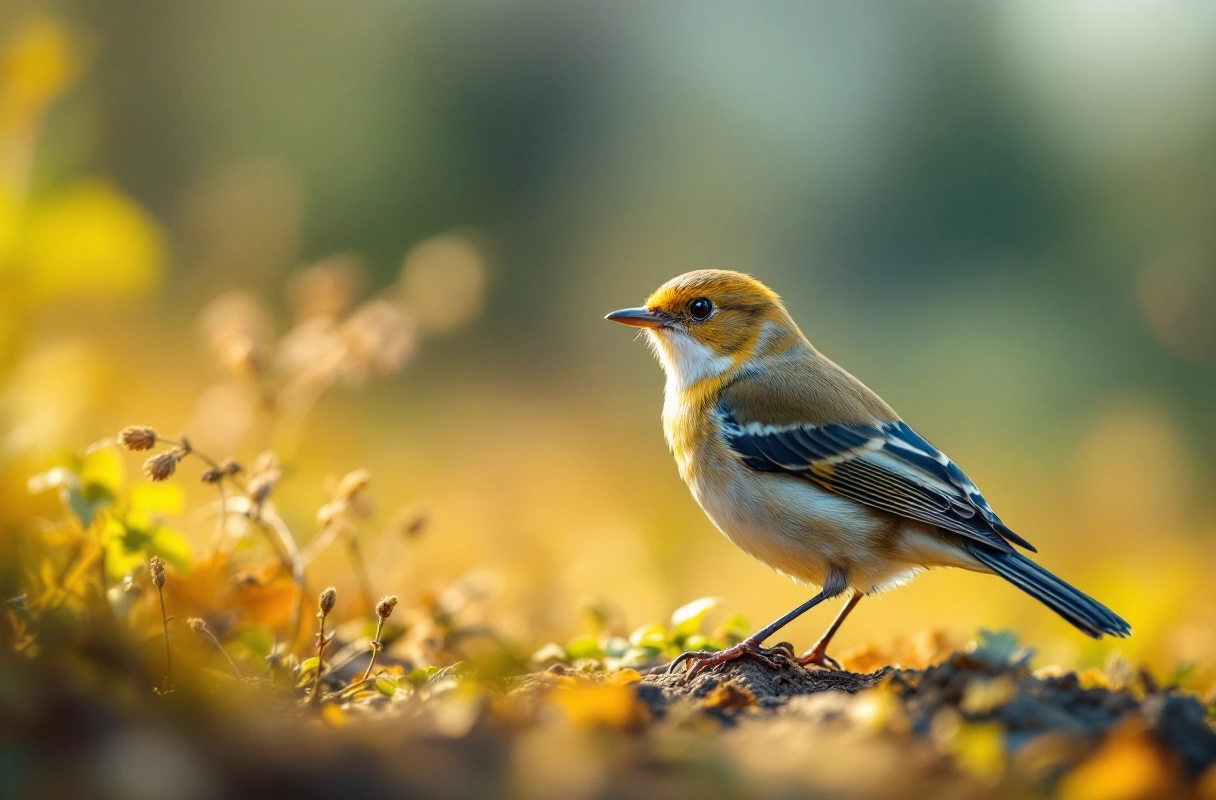
Birds are among the most diverse and captivating creatures on our planet. With over 10,000 species exhibiting a vast array of behaviors, understanding their habits and migration patterns can deepen our appreciation for these winged wonders. This article delves into intriguing bird facts, particularly focusing on common bird behaviors and the fascinating bird facts that many birds undertake annually. By the end, you will have a richer understanding of avian life and the various factors influencing their behavior.
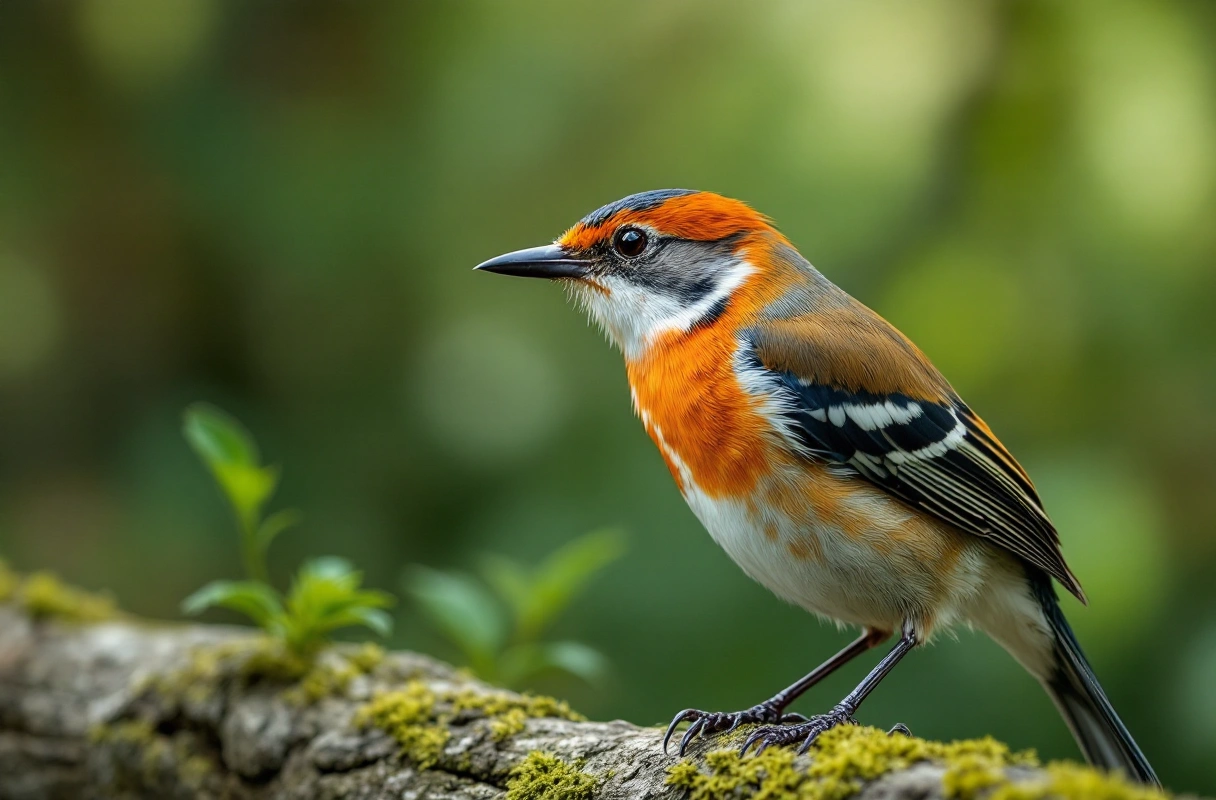
Understanding common bird behaviors can provide insights into their survival strategies, social structures, and environmental adaptations. Birds exhibit a range of behaviors that are vital for their feeding, mating, and survival. Below are some essential insights into bird behaviors that you should know.
Birds often live in complex social structures that can vary greatly from species to species. Here are some key aspects of their social behaviors:
Flocking: Many species flock together for safety, foraging, and social interaction. Flocking helps reduce individual predation risk and allows birds to share information about food sources. For instance, starlings are known for their spectacular murmurations, which can confuse predators and provide safety in numbers.
Territoriality: Many birds establish and defend territories, especially during breeding seasons. This behavior ensures that they have adequate resources, such as food and nesting sites. Male songbirds, for example, often sing to establish their territory and deter rivals.
Mating Displays: Courtship behaviors can be elaborate, with some species performing intricate dances or displaying vibrant plumage to attract mates. The peacock's tail is a classic example of how physical traits can play a significant role in mating success.
Birds exhibit a wide variety of feeding strategies, adapting their methods to their environments and available food sources. Here are some notable behaviors:
Foraging Techniques: Birds use different techniques to find food, such as probing, gleaning, or diving. Woodpeckers use their strong beaks to drill into trees for insects, while hummingbirds hover to feed on nectar.
Caching Food: Some birds, like jays and chickadees, cache food by hiding it in various locations for later use. This behavior is vital for survival during winter months when food is scarce.
Cooperative Feeding: Certain species, such as African grey parrots, engage in cooperative feeding, where individuals work together to access food sources that would be difficult to exploit alone.
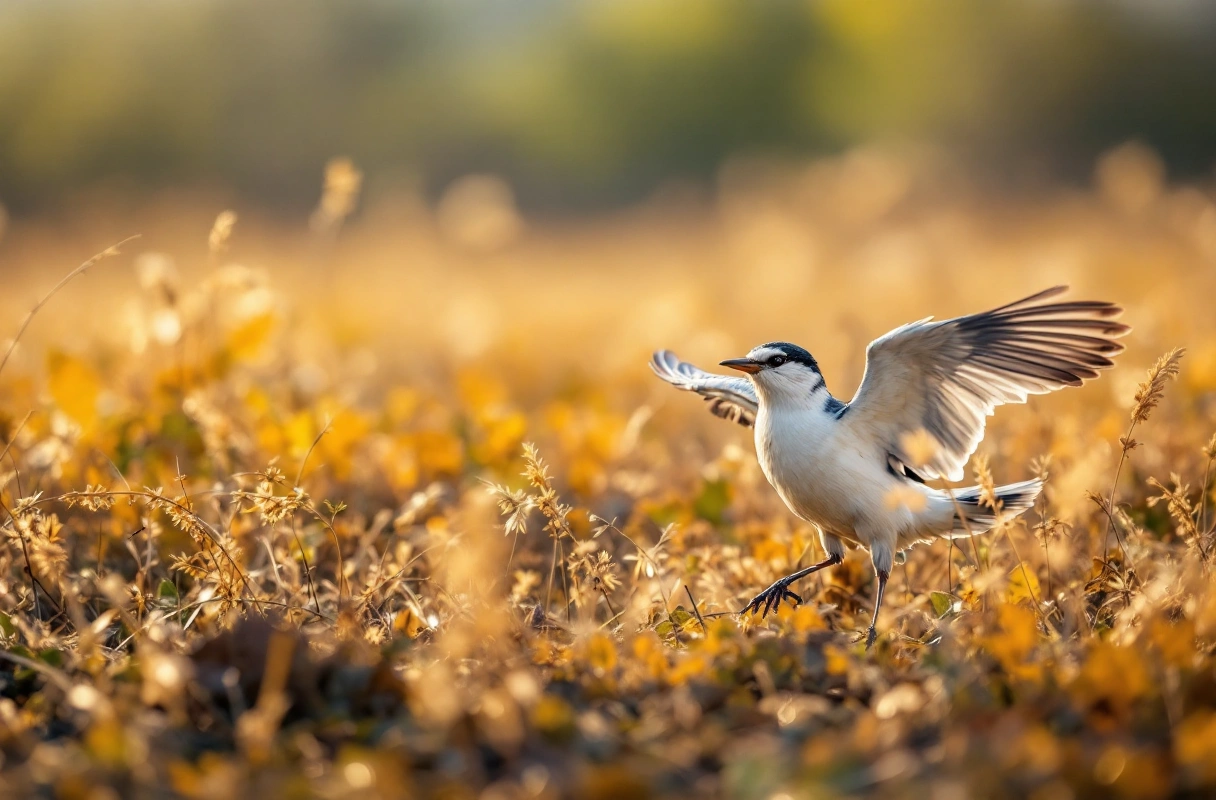
Migration is one of the most fascinating aspects of bird behavior, showcasing their incredible migratory abilities and adaptability to changing environments. Here are the top ten bird migration patterns that illustrate these amazing journeys:
The Arctic Tern holds the record for the longest migration of any bird. These remarkable birds travel approximately 71,000 kilometers (44,000 miles) each year from their breeding grounds in the Arctic to wintering areas in Antarctica. This journey allows them to experience two summers annually, optimizing their feeding opportunities.
The Bar-tailed Godwit is known for its non-stop migration across the Pacific Ocean. These birds can fly over 12,000 kilometers (about 7,500 miles) without resting, showcasing their extraordinary endurance and navigational prowess.
Canada Geese are known for their V-shaped flying patterns during migration. This formation helps them conserve energy while flying long distances, as the lead bird breaks the wind for those following behind.
Common Swifts are remarkable for their ability to migrate and thrive in urban environments. They spend most of their lives in the air, even sleeping while flying. Their migration from Europe to Africa is a testament to their adaptability to changing habitats.
The Red Knot migrates from its breeding grounds in the Arctic to wintering areas in South America. This species faces time constraints as it must arrive in specific locations during peak food availability, particularly at stopover sites like Delaware Bay, where horseshoe crab eggs provide essential nourishment.
American Robins are a common sight in North America, migrating south for the winter. Their migration is often influenced by food availability and climate conditions, making them a perfect example of how local factors can impact migratory behavior.
European Swallows migrate from Europe to Africa, covering vast distances. They are known for their agility and speed, often flying over land and water to reach their wintering grounds.
Ruby-throated Hummingbirds migrate from North America to Central America each fall. Their migration is notable for the incredible distances they cover, often flying non-stop across the Gulf of Mexico, which can be up to 800 kilometers (about 500 miles).
Sandhill Cranes are known for their large migratory flocks. These birds migrate from their breeding grounds in North America to warmer wintering areas in the southern United States and Mexico, often gathering in large groups during migration.
The Blackpoll Warbler is a small songbird that undertakes an impressive migration from North America to South America. They can fly non-stop for over 2,000 miles across the Atlantic Ocean, demonstrating remarkable endurance for their size.

Bird migration is influenced by various factors, including environmental changes, food availability, and climatic conditions. Here are some of the primary factors that drive migration:
Birds often migrate in response to seasonal changes in temperature and daylight. As winter approaches, many species move southward to find warmer climates and abundant food sources. Conversely, as spring arrives, they return north to breed in favorable conditions.
Birds rely on environmental cues such as the angle of the sun, the position of the stars, and even the Earth's magnetic field to navigate during migration. Recent studies have shown that some species can detect changes in the Earth's magnetic field, aiding them in their long journeys.
Climate change is altering migratory patterns for many bird species. Changes in temperature and weather patterns can affect food availability and breeding habitats, forcing birds to adapt their migration schedules. Monitoring these changes is crucial for understanding the long-term impacts on avian populations.
Despite the wealth of knowledge about bird migration, several misconceptions persist. Addressing these can enhance our understanding of avian behavior:
All Birds Migrate: Not all bird species migrate. Some species are sedentary and remain in their breeding territories year-round, adapting their behaviors to seasonal changes.
Migration is Instinctual: While many aspects of migration are instinctual, birds also learn from their experiences. Young birds often follow older, experienced individuals during their first migration.
Migration is a Straight Path: Migration routes are not always direct. Many birds take detours to find food, avoid predators, or navigate around geographical barriers.
Understanding bird behaviors and migration patterns highlights the need for conservation efforts. Many bird species face threats from habitat loss, climate change, and pollution. Here are key considerations for bird conservation:
Habitat Protection: Protecting and restoring habitats is essential for ensuring that migratory birds have safe stopover sites and breeding grounds.
Legislation: Supporting legislation that protects bird habitats and migratory routes is vital for conservation efforts.
Public Awareness: Educating the public about the importance of birds and their migratory behaviors can foster a culture of conservation.
Birds play a crucial role in ecosystems, and understanding their behaviors can lead to greater appreciation and conservation efforts. The Banana Slug Club is dedicated to fostering a love for nature and wildlife, particularly birds, through educational initiatives and community engagement. By learning about bird behaviors and how they can make a difference, consider participating in local conservation projects or educational programs. By collaborating with the Banana Slug Club, you can help protect our feathered friends and their habitats.
If you want to dive deeper into the world of birds and contribute to conservation efforts, visit the Banana Slug Club today. Your involvement can make a significant impact on preserving avian life for generations to come.
Get free resources, early access to new features and updates.
No spam. Just fun educational emails!


.svg)
.svg)