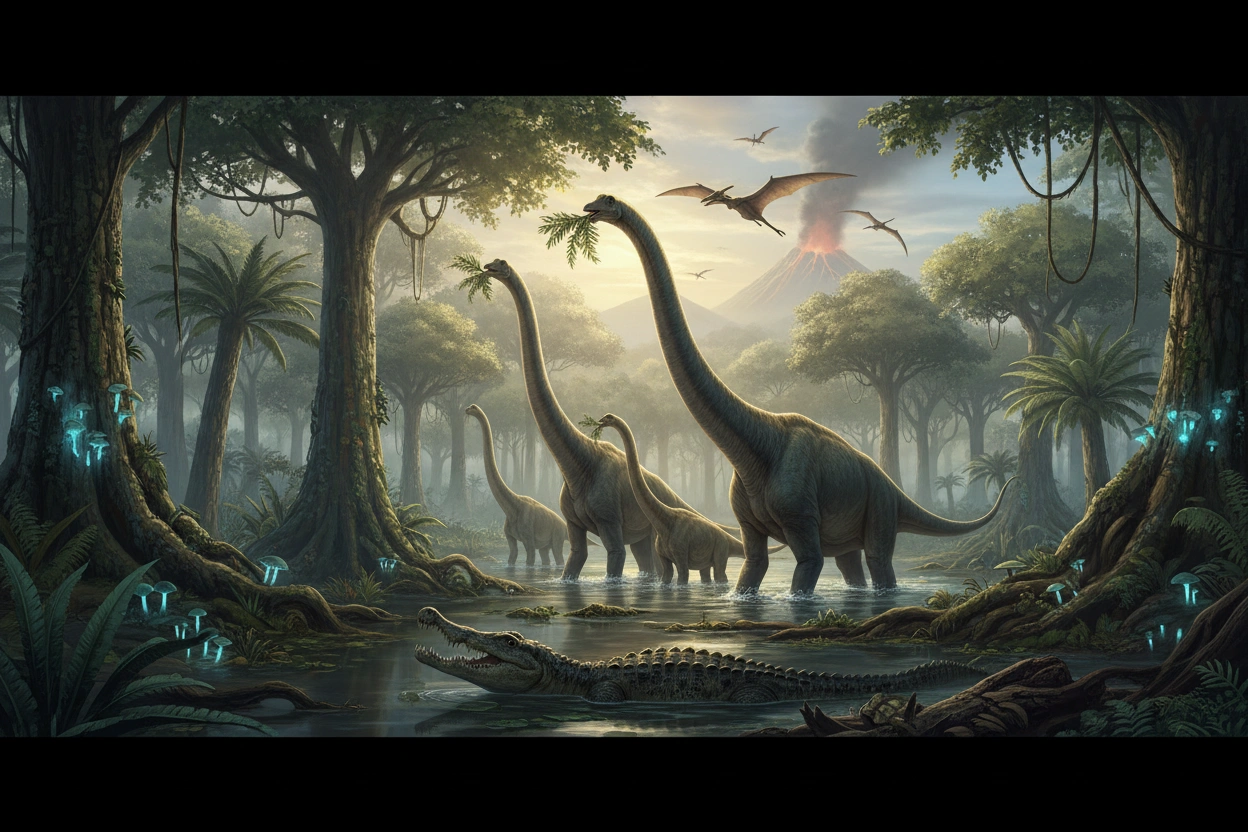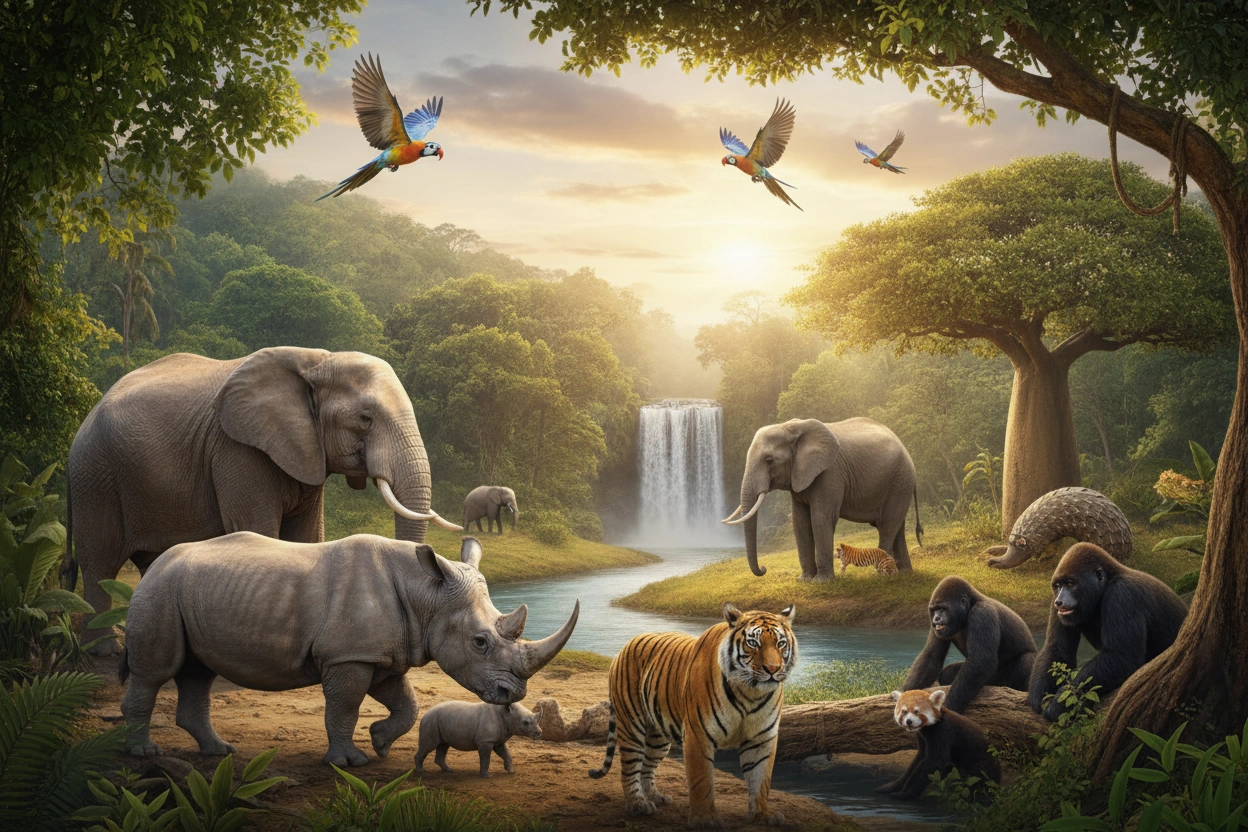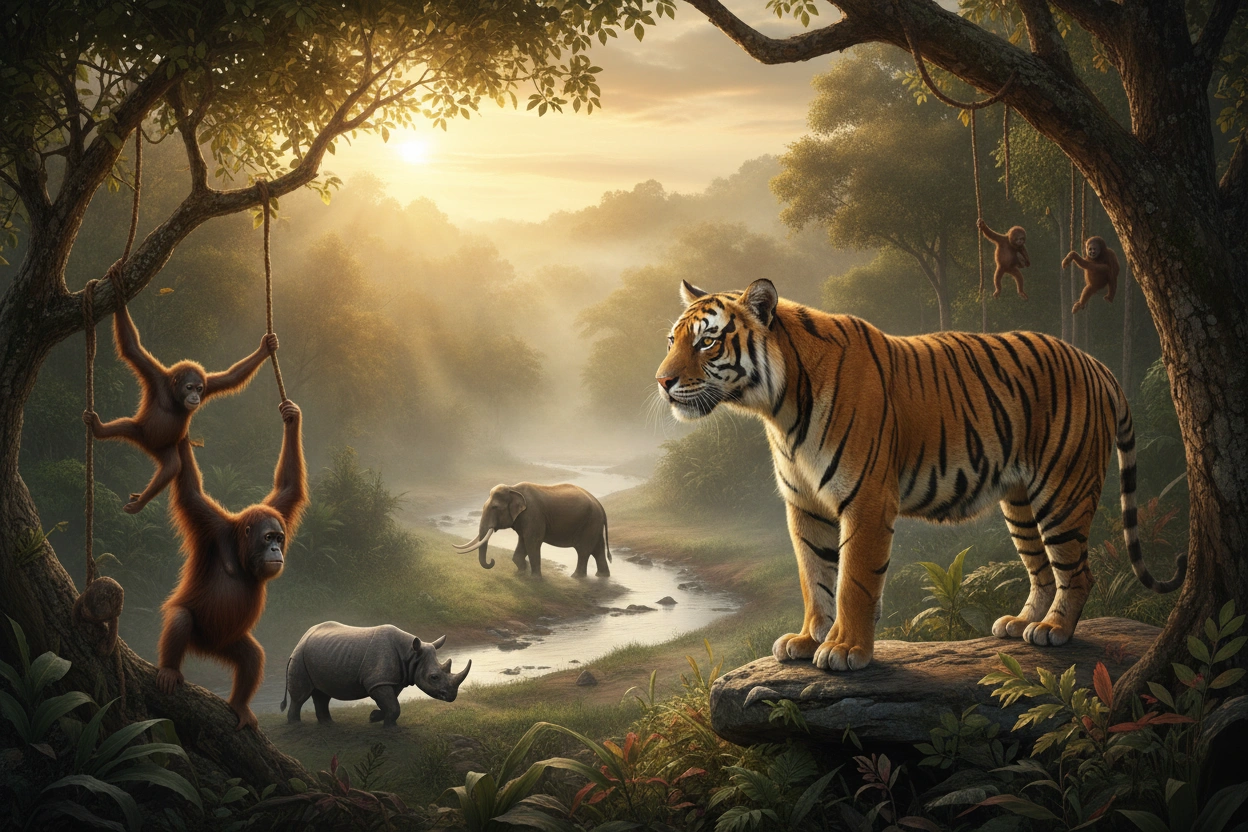
The plight of endangered animals is one of the most pressing issues facing our planet today. As we delve deeper into the 21st century, the significance of biodiversity and the consequences of habitat loss become increasingly apparent. The endangered species list serves as a crucial tool in understanding which animals are at risk of extinction and why their preservation is vital for maintaining ecological balance. In this article, we will explore what it means for animals to be classified as endangered, the implications of this classification, and the global efforts dedicated to their conservation efforts.

Biodiversity refers to the variety of life on Earth, encompassing the different species of animals, plants, fungi, and microorganisms. This diversity plays a critical role in sustaining ecosystems and providing essential services to humanity.
Biodiversity contributes to ecosystem stability in several ways. Diverse ecosystems are better equipped to withstand environmental changes and disturbances, such as climate change, natural disasters, and disease outbreaks. For instance, a study conducted by the National Academy of Sciences found that diverse ecosystems are more resilient to changes in climate, effectively maintaining their functionality even under stress.
Every species within an ecosystem plays a unique role, and their interdependence forms a complex web of life. For example, predators control the populations of prey species, which in turn influences plant communities. When species become endangered, this balance is disrupted, leading to further declines in biodiversity.
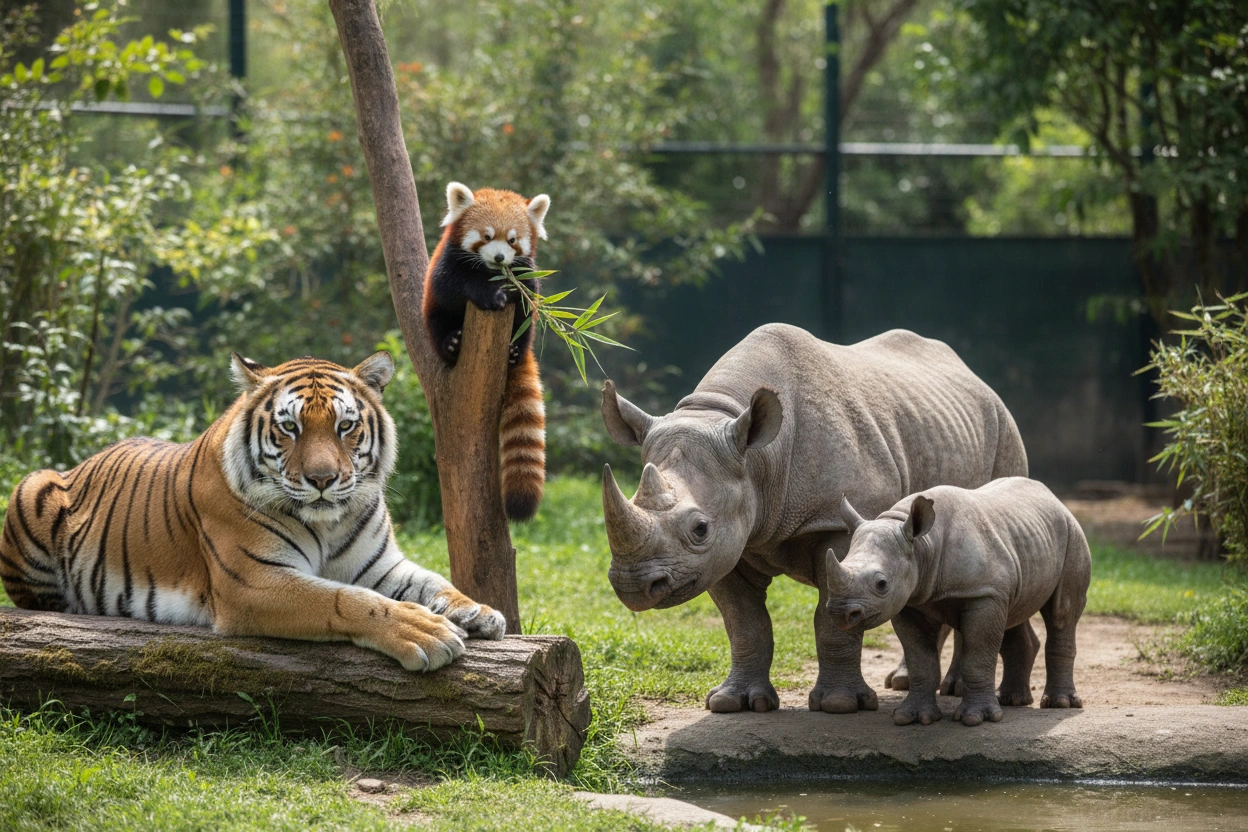
The endangered species list is a classification system that identifies animals and plants at risk of extinction. This list is crucial for prioritizing conservation efforts and allocating resources effectively.
The International Union for Conservation of Nature (IUCN) maintains the Red List, which categorizes species based on their risk of extinction. The criteria include:
The IUCN Red List categorizes species into several classifications, including:
These classifications guide conservationists in their efforts to protect vulnerable species through targeted initiatives.
Understanding endangered animals and the threats they face is essential for effective conservation efforts. However, several misconceptions persist that can hinder these initiatives.
While the term "endangered" suggests imminent extinction, not all species classified as such are on the verge of disappearing. Some populations may be stable but face ongoing threats. For example, the hippopotamus is classified as vulnerable, with populations fluctuating due to poaching and habitat loss, but concerted conservation efforts have helped stabilize numbers in certain regions.
Many people believe that conservation efforts are ineffective and that extinction is inevitable. However, numerous success stories demonstrate the positive impact of conservation initiatives. The American bison, once on the brink of extinction, has seen a resurgence due to dedicated breeding programs and habitat restoration efforts. This illustrates that proactive measures can lead to recovery and stabilization of endangered species populations.
Habitat loss is one of the primary drivers of species endangerment. As human populations expand and develop land for agriculture, urbanization, and industry, natural habitats are increasingly fragmented and destroyed.
Urban development leads to the destruction of habitats that are crucial for the survival of many species. As cities expand, wildlife is forced into smaller areas, reducing their chances of survival. For instance, the construction of roads and buildings can isolate populations, making it difficult for animals to find mates and food.
The expansion of agricultural land is another significant factor contributing to habitat loss. Intensive farming practices often result in the destruction of natural habitats, leading to soil degradation and loss of biodiversity.
Effective conservation efforts are vital for protecting endangered animals and their habitats. Various strategies are employed globally to address the challenges faced by these species.
Governments play a crucial role in wildlife protection through legislation and policy. The Endangered Species Act (ESA) in the United States, for example, provides a framework for the protection of threatened and endangered species and their habitats.
Engaging local communities in conservation efforts is essential for success. When communities understand the value of protecting endangered animals and their habitats, they are more likely to participate in conservation initiatives.
Ongoing research and monitoring are vital for understanding the status of endangered species and the effectiveness of conservation efforts. Data collection on population sizes, habitat conditions, and threats allows conservationists to make informed decisions.
Climate change poses an unprecedented threat to biodiversity and the survival of endangered animals. As global temperatures rise, habitats are altered, and ecosystems face significant stress.
Shifts in climate can lead to changes in habitats that are critical for the survival of many species. For instance, polar bears rely on sea ice for hunting seals, and as ice melts due to rising temperatures, their hunting grounds are diminished.
Endangered animals often face compounded threats from climate change, making them more vulnerable to extinction. Species that are already struggling due to habitat loss or hunting are less likely to adapt to changing conditions.
Africa is home to a rich diversity of wildlife, many of which are classified as endangered. The continent's unique ecosystems face numerous threats, making conservation efforts particularly crucial.
Several iconic species in Africa are listed as endangered, including:
Conservation efforts in Africa often involve collaboration between governments, NGOs, and local communities. For instance, the African Wildlife Foundation works with communities to promote wildlife conservation through sustainable development initiatives.
Understanding the facts surrounding endangered animals is vital for fostering awareness and driving conservation efforts. Here are some compelling facts that highlight the urgency of the situation:
By disseminating these facts, conservationists can engage the public and encourage action to protect endangered species.
While large-scale conservation efforts are essential, individual actions can also contribute significantly to wildlife protection. Here are some ways individuals can make a difference:
By becoming advocates for endangered animals, individuals can contribute to a collective effort to protect our planet's wildlife.
Understanding the complexities of endangered animals and the significance of biodiversity is crucial in the fight against extinction. As we explore the nuances of the endangered species list, it becomes evident that concerted efforts are necessary to preserve our planet's ecosystems. The Banana Slug Club is dedicated to promoting awareness and action in the realm of wildlife protection, offering resources and support for those interested in making a difference.
In learning about endangered animals, you have gained valuable insights into the pressing issues of habitat loss, climate change, and the importance of biodiversity preservation. The Banana Slug Club is here to empower you with knowledge and tools to engage in effective conservation efforts.
For those inspired to take action, we invite you to connect with us. Visit Banana Slug Club to learn more about how you can contribute to wildlife protection and be part of the solution. Together, we can make a meaningful impact in safeguarding endangered animals and ensuring a vibrant future for our planet.
Get free resources, early access to new features and updates.
No spam. Just fun educational emails!


.svg)
.svg)