The world of prehistoric animals is a fascinating realm that captures the imagination of many. With a rich diversity of creatures that once roamed the Earth, these ancient beings provide vital insights into the evolutionary history of life. This guide will explore the significance of prehistoric creatures, the role of fossil records in uncovering their mysteries, and how our understanding of these animals shapes current scientific knowledge.

Prehistoric animals are not just remnants of the past; they are crucial to understanding the evolution of life on Earth. From the towering dinosaurs of the Mesozoic era to the mammoths of the Pleistocene, these creatures exhibit a range of adaptations that reveal how species evolved in response to changing environments. By studying prehistoric animals, scientists can gain insights into how modern ecosystems function and how organisms adapt to their surroundings.
Moreover, the extinction events that led to the demise of many prehistoric creatures serve as critical lessons for contemporary wildlife conservation. Understanding the factors that contributed to these extinctions—such as climate change, habitat loss, and human impact—can guide current efforts to protect endangered species. As we delve deeper into the world of prehistoric animals, we uncover not only the history of life on Earth but also the implications for its future.
Prehistoric creatures exhibit a variety of characteristics that distinguish them from modern animals. Some of these traits include:
These characteristics not only highlight the complexity of ancient ecosystems but also reveal the evolutionary paths that led to the diversity of life we see today.

Fossil records are the primary source of information about prehistoric animals. These remnants of ancient life provide crucial evidence that allows scientists to reconstruct the appearance, behavior, and environments of extinct species. The study of fossils is an intricate process that combines various scientific disciplines, including paleontology, geology, and biology.
Fossils are formed through a process known as fossilization, which typically involves the following steps:
This complex process results in a variety of fossil types, including bones, teeth, and even imprints of skin or feathers. Each type of fossil provides different insights into the biology and ecology of prehistoric animals.
There are several types of fossils that paleontologists study, each offering unique information about prehistoric animals:
Understanding the various types of fossils and their significance allows scientists to build a more comprehensive picture of prehistoric life.
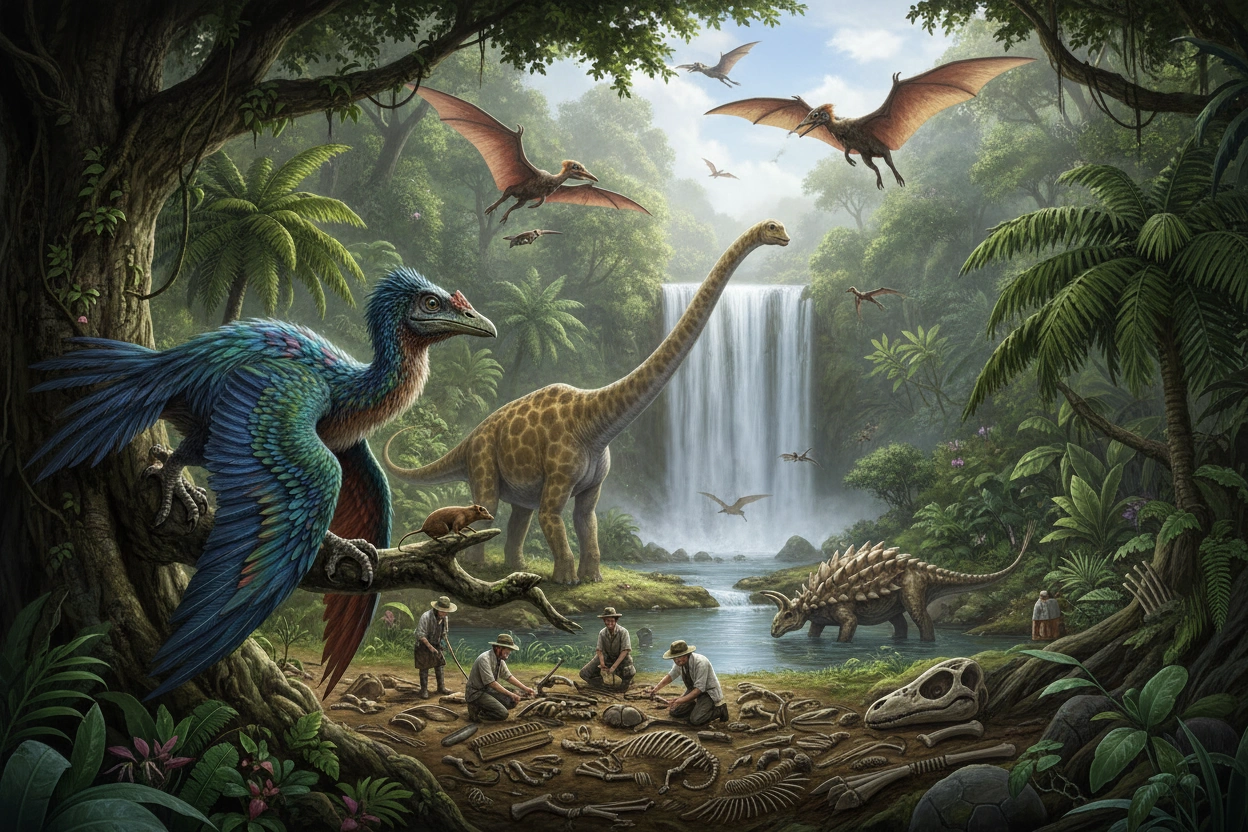
Despite the wealth of knowledge available about prehistoric animals, several misconceptions persist. Addressing these misunderstandings is essential for promoting accurate public awareness of paleontology.
While dinosaurs are perhaps the most well-known prehistoric creatures, they were not the only inhabitants of ancient Earth. The prehistoric era included a wide variety of animals, such as:
Each of these creatures played a significant role in their respective ecosystems, and their stories are just as important as those of dinosaurs.
Many people believe that fossils are rare and difficult to find. In reality, fossils are more common than one might think. Certain conditions promote fossilization, and areas known as fossil beds, such as the La Brea Tar Pits in California, yield thousands of fossils. The abundance of fossils in specific locations allows scientists to study large samples of prehistoric life.
Another common misconception is that prehistoric animals were primitive compared to modern species. In reality, many prehistoric creatures were highly specialized and adapted to their environments, demonstrating complex behaviors and interactions similar to modern animals.
Studying prehistoric animals provides invaluable insights into the evolutionary processes that have shaped life on Earth. The fossil record serves as a timeline of life, showcasing how species have adapted, evolved, and sometimes gone extinct.
Prehistoric animals exhibit various adaptations that highlight the principles of natural selection and evolution:
Understanding these adaptations not only enriches our knowledge of prehistoric animals but also sheds light on how current species might adapt to ongoing environmental changes.
Extinction events have played a crucial role in shaping the course of evolution. Major extinction events, such as the Permian-Triassic extinction and the Cretaceous-Paleogene extinction, wiped out a significant number of species, allowing new groups to flourish.
The study of these extinction events helps scientists understand the factors that contribute to biodiversity loss today, including habitat destruction and climate change. By examining the past, we can better prepare for future challenges facing our planet's ecosystems.
For those interested in learning more about prehistoric animals and the science behind them, consider the following steps:
By actively engaging with the field of paleontology, individuals can deepen their understanding of prehistoric animals and contribute to ongoing research efforts.
The study of prehistoric animals is not merely an academic pursuit; it has significant implications for contemporary wildlife conservation. By understanding the factors that led to past extinctions, we can better address the threats facing modern species.
The extinction of numerous prehistoric creatures teaches us valuable lessons about the fragility of ecosystems. Factors such as climate change, habitat destruction, and human activity have been shown to contribute to species decline. Recognizing these patterns allows conservationists to develop strategies aimed at preserving biodiversity.
Education plays a crucial role in fostering a greater appreciation for both prehistoric and modern wildlife. By promoting awareness of the importance of biodiversity and conservation, individuals can advocate for policies that protect endangered species and their habitats.
Banana Slug Club is dedicated to educating the public about the importance of wildlife conservation, drawing connections between prehistoric animals and modern environmental challenges. Through community engagement and outreach programs, we aim to inspire a new generation of conservationists.
As we have seen, the study of prehistoric animals provides not only a glimpse into the past but also essential insights into our present and future. Understanding the intricacies of ancient wildlife can inspire us to take action in protecting the biodiversity of our planet.
For those looking to delve deeper into the fascinating world of prehistoric animals and how they relate to modern conservation efforts, we invite you to engage with Banana Slug Club. Together, we can explore the lessons of the past and work towards a sustainable future.
Contact Banana Slug Club today to learn more about our initiatives and how you can get involved in wildlife conservation efforts. Your journey into the world of prehistoric animals and their modern counterparts begins here.
Get free resources, early access to new features and updates.
No spam. Just fun educational emails!


.svg)
.svg)