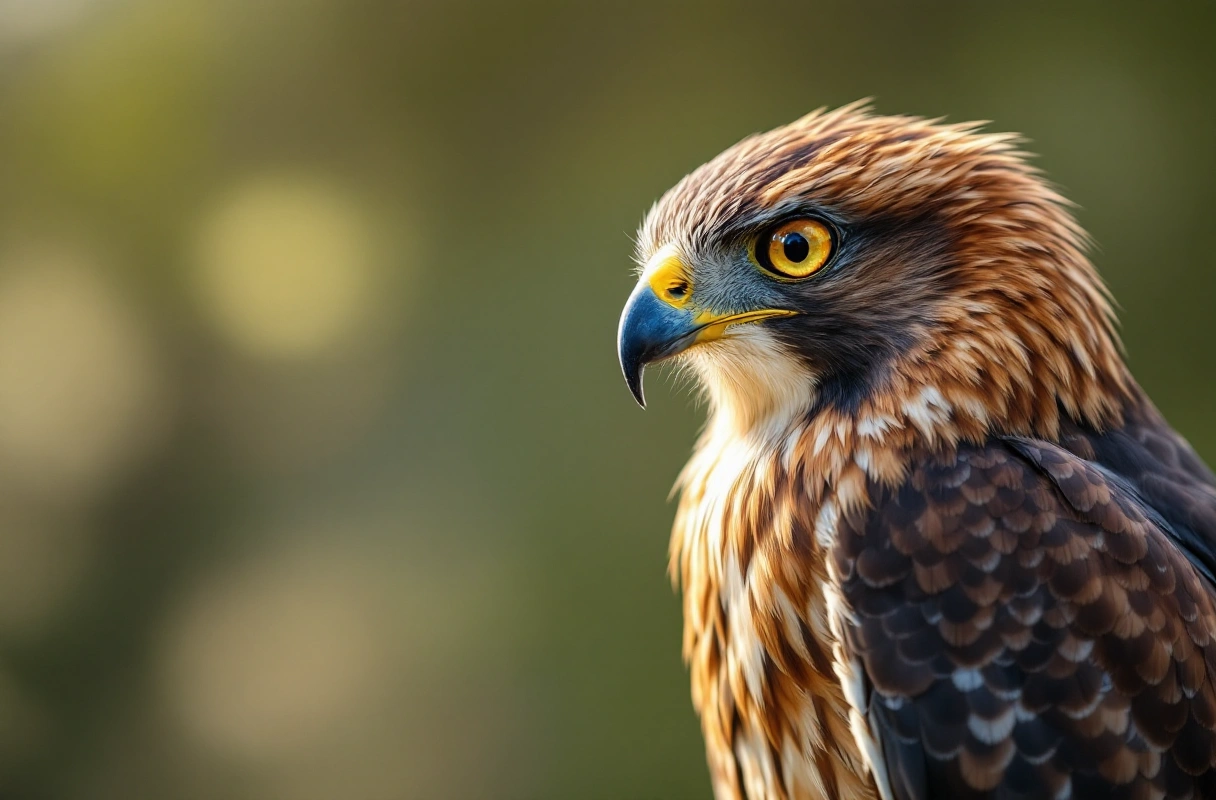
Birds of prey, often referred to as birds of prey, are a captivating group of birds that have captured the imagination of birders and wildlife enthusiasts alike. These majestic creatures possess unique adaptations and behaviors that set them apart from other avian species. Understanding their behavior is crucial for anyone interested in observing them in the wild. This article delves into the fascinating world of birds of prey, their ecological roles, and best practices for observing them responsibly.

Birds of prey encompass a variety of species known for their keen eyesight, strong talons, and powerful beaks. They primarily include hawks, eagles, owls, and falcons, each exhibiting distinct behaviors and adaptations that aid in their survival. Raptors play a vital role in maintaining ecological balance by controlling populations of smaller animals, thus preventing overpopulation and ensuring biodiversity.
Raptors are often apex predators within their habitats, meaning they are at the top of the food chain. Their hunting strategies vary significantly between species, influenced by their physical adaptations and environmental factors. For instance, eagles are known for their soaring flight and ability to spot prey from great distances, while falcons are renowned for their incredible speed and aerial agility.
Understanding the key characteristics of birds of prey can enhance your observation experience. Here are some notable traits:
Keen Eyesight: Raptors possess exceptional vision, allowing them to detect prey from great heights. Some species can see ultraviolet light, which helps them spot trails left by rodents or other animals.
Strong Talons: The powerful talons of these birds are designed for grasping and killing prey. Each species has talons adapted to its preferred hunting style, from the sharp, curved claws of eagles to the smaller, more agile talons of falcons.
Diverse Hunting Techniques: Birds of prey employ a variety of hunting techniques, including soaring, diving, and ambushing. Understanding these methods can help birders predict where and how to observe them effectively.
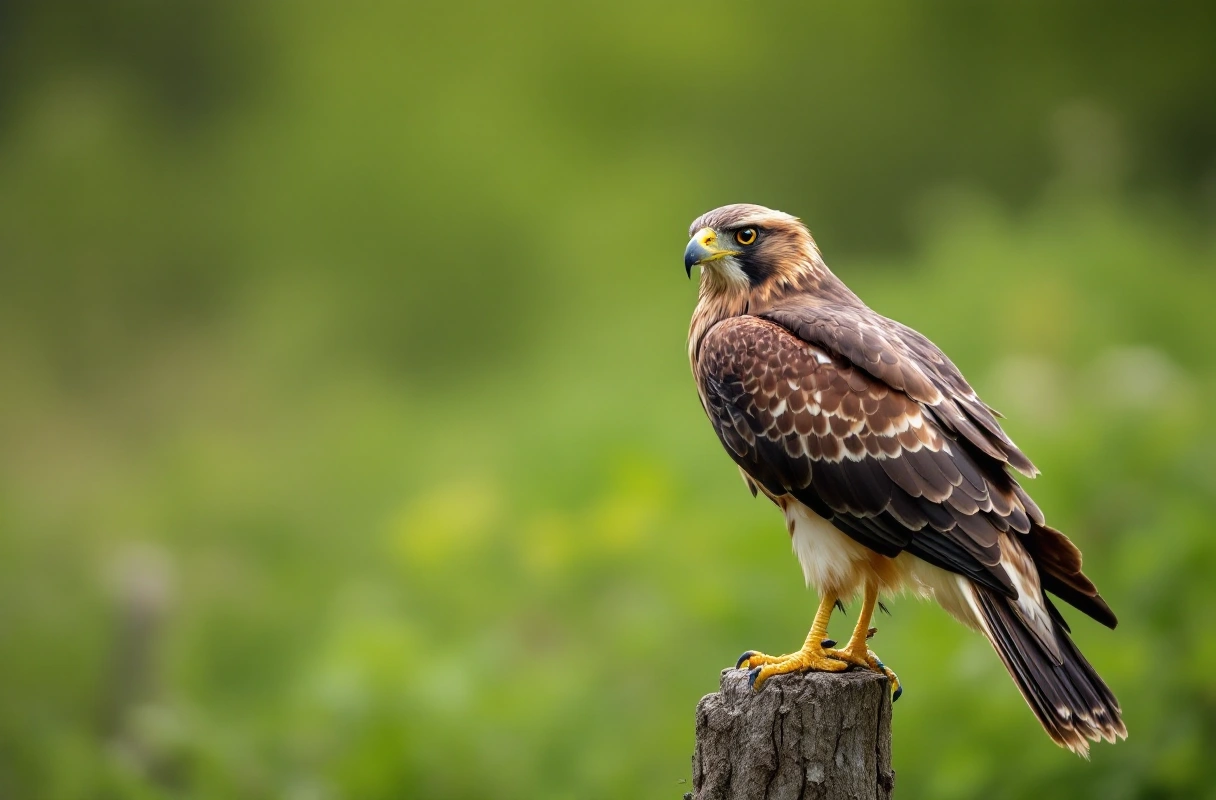
Observing birds of prey in their natural habitat can be an exhilarating experience, but it is essential to do so responsibly. Here are some best practices to ensure a positive experience for both the observer and the birds.
Respecting the personal space of birds of prey is crucial. Getting too close can stress the birds and disrupt their natural behavior. Use binoculars or a spotting scope to observe them from a distance. This not only protects the birds but also allows you to witness their behavior without interference.
Timing and location are key factors in successful birdwatching. Early morning and late afternoon are often the best times to observe raptors, as they are most active during these periods. Additionally, research local habitats where raptors are known to thrive, such as open fields, woodlands, and wetlands.
Nesting season is a critical time for birds of prey. Many species are highly protective of their nests, and disturbing them can lead to abandonment. If you encounter a nesting site, maintain a safe distance and avoid lingering in the area.
Understanding the specific behaviors and needs of different raptor species can significantly enhance your observation experience. Familiarize yourself with the species you hope to see, including their hunting habits, vocalizations, and preferred habitats. This knowledge allows for more meaningful interactions and observations.
Ethical birdwatching involves adhering to guidelines that protect wildlife and their habitats. Follow the principles of Leave No Trace, refrain from using playback calls to lure birds, and avoid trampling vegetation. Respecting the environment ensures that future generations can enjoy the beauty of birds of prey as well.
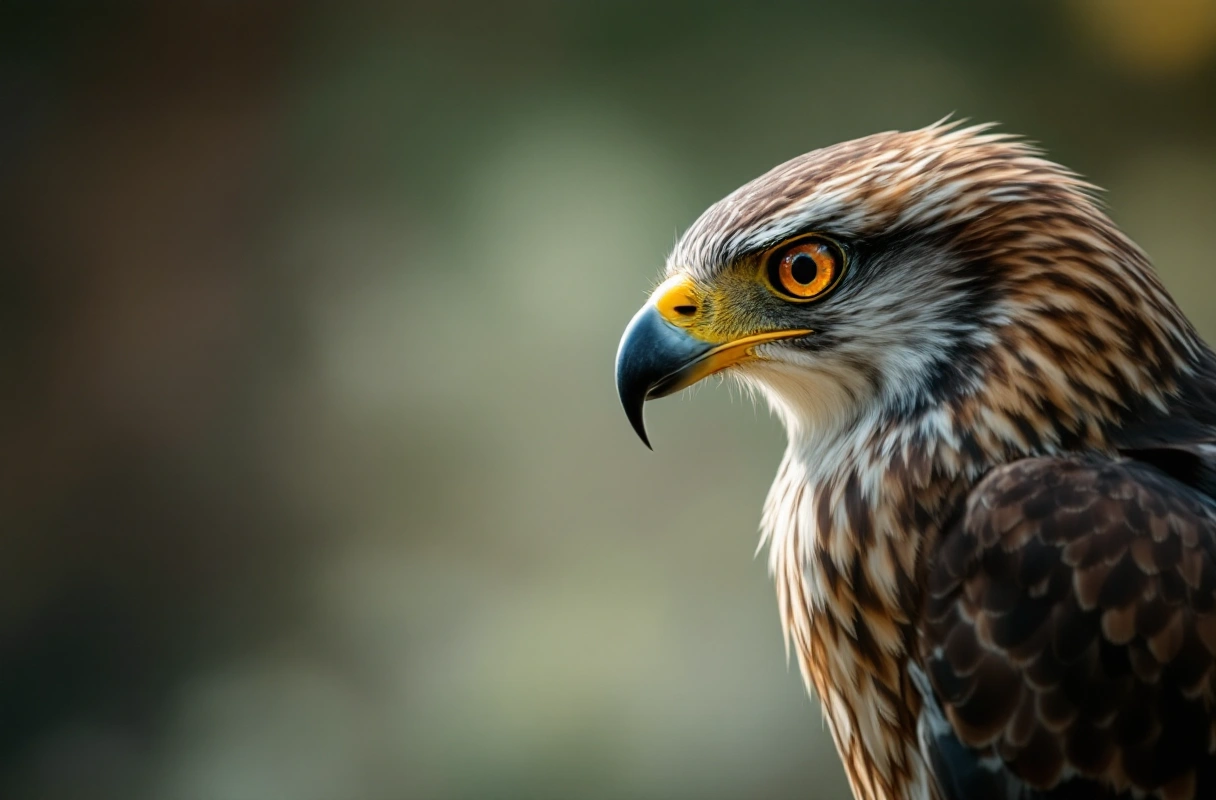
Despite their popularity, there are several misconceptions about birds of prey that can lead to misunderstandings. Addressing these myths can promote better appreciation and conservation efforts.
Many people assume that birds of prey are inherently aggressive due to their predatory nature. While raptors are skilled hunters, they are not inherently dangerous to humans. Most species will avoid confrontation and prefer to fly away rather than engage. Understanding their behavior can alleviate unnecessary fears.
While owls are primarily nocturnal, many birds of prey, such as hawks and eagles, are diurnal, meaning they are active during the day. This misconception can lead to missed opportunities for observation. Knowing the activity patterns of different species allows birders to plan their outings effectively.
Another common myth is that birds of prey exclusively hunt other birds. In reality, their diets are diverse and can include small mammals, reptiles, and even fish, depending on the species. Understanding their varied diets can enhance your knowledge of their ecological roles.
Birds of prey are essential components of their ecosystems, serving as indicators of environmental health. Their presence often signifies a balanced ecosystem with ample prey populations. By controlling rodent and small mammal populations, raptors help maintain the integrity of their habitats.
Healthy populations of birds of prey offer several ecological benefits:
Pest Control: By preying on rodents and other small animals, raptors help control pest populations that can damage crops and spread disease.
Biodiversity: As apex predators, raptors contribute to biodiversity by influencing the populations of their prey. This balance is vital for the overall health of ecosystems.
Research and Education: Birds of prey are frequently used in research and conservation efforts, providing valuable insights into ecosystem dynamics and the impacts of environmental changes.
Birders can play an active role in the conservation of birds of prey and their habitats. Here are several ways to get involved:
Participating in local birding groups can enhance your knowledge and provide opportunities for hands-on conservation efforts. Many groups organize events, workshops, and field trips focused on raptor observation and conservation.
Contributing to organizations dedicated to bird conservation can have a significant impact. These organizations often work on habitat preservation, research, and education initiatives that benefit birds of prey.
Many wildlife organizations offer volunteer opportunities for research projects focused on birds of prey. Volunteering can provide valuable experience while contributing to important conservation efforts.
Supporting policies that promote responsible land use and habitat preservation is crucial for the protection of birds of prey. Engage with local government and community initiatives to advocate for sustainable practices that benefit wildlife.
Advancements in technology have transformed how birders observe and study birds of prey. Tools such as mobile apps, online databases, and remote cameras enhance the birdwatching experience and contribute to conservation efforts.
Several mobile apps provide valuable resources for birders, including identification guides, field notes, and real-time reporting of sightings. These tools can significantly enhance the birdwatching experience by facilitating data collection and sharing.
Citizen science projects often rely on public participation to gather data on bird populations and behaviors. Platforms like eBird allow birders to report sightings, contributing to valuable research and conservation efforts.
Remote cameras provide insights into the behavior of birds of prey in their natural habitats without disturbing them. These technologies can help researchers study nesting habits, hunting strategies, and population dynamics.
Understanding birds of prey behavior enriches the birdwatching experience and fosters a deeper appreciation for these magnificent creatures. By observing them responsibly and advocating for their conservation, birders can contribute to the protection of these vital species.
Through this exploration of birds of prey, readers have gained insights into their behavior, ecological importance, and the best practices for responsible observation. Engaging with birds of prey not only enhances our appreciation of nature but also plays a crucial role in conservation efforts.
Banana Slug Club is committed to supporting birdwatchers in their journey to learn more about these incredible raptors. Whether you are a seasoned birder or just starting, we offer resources and community support to help you connect with nature.
To dive deeper into the world of birds of prey, visit Banana Slug Club for more information on upcoming events, resources, and opportunities to get involved in bird conservation. Together, we can protect these magnificent creatures and their habitats for future generations.
Get free resources, early access to new features and updates.
No spam. Just fun educational emails!


.svg)
.svg)