Birds of prey, often referred to as raptors, are magnificent creatures that captivate bird watchers and nature enthusiasts alike. Their incredible hunting skills, keen eyesight, and unique behaviors make them a subject of fascination for many. However, with this interest comes a responsibility to observe these birds ethically and respectfully. Understanding their behavior not only enhances the experience of watching them but also ensures their conservation and well-being. This article delves into the behavior of birds of prey and provides insights for responsible observation practices.

Birds of prey include species such as eagles, hawks, owls, and falcons. These birds play a crucial role in the ecosystem by regulating prey populations and maintaining balance within their habitats. They are characterized by their strong talons, hooked beaks, and exceptional flying abilities. To better understand their behavior, it is essential to explore their hunting techniques, social structures, and nesting habits.
Birds of prey exhibit various hunting techniques that are tailored to their species and environment. Some common methods include:
Understanding these techniques can enhance your observation experience, as you can anticipate their movements and behaviors in the wild.
Birds of prey often display complex social structures. While many species are solitary hunters, some, like the American kestrel, may hunt in pairs or small groups. Social interactions can include:
Recognizing these behaviors provides insight into their life cycles and social dynamics, enhancing your understanding of these magnificent birds.
Nesting is a critical aspect of a bird of prey's life cycle. Most raptors prefer to build their nests in high, inaccessible locations to protect their young from predators. Key nesting behaviors include:
Observing these nesting habits can provide valuable insights into their reproductive strategies and the challenges they face in their natural habitats.
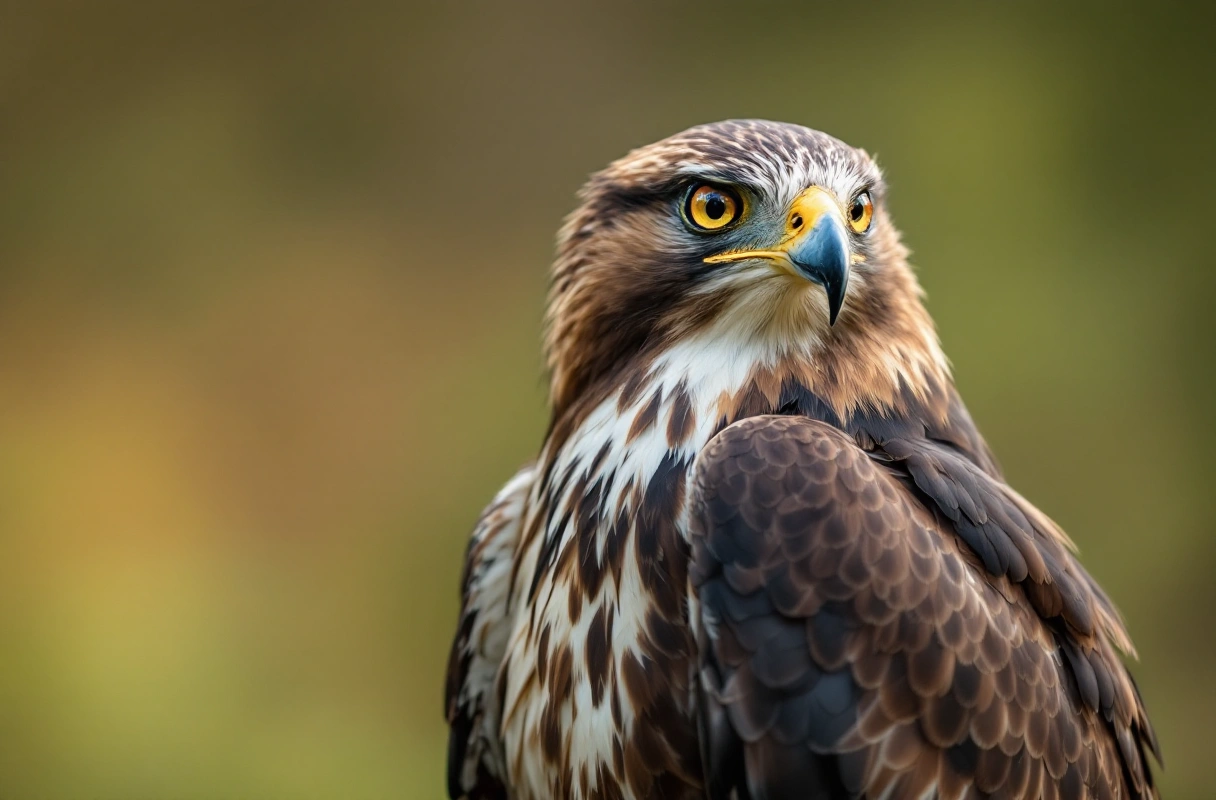
While observing birds of prey can be an exhilarating experience, it is essential to do so responsibly. Here are some best practices to ensure that your observations do not disturb these majestic creatures.
Respecting the personal space of birds of prey is vital. Approaching too closely can cause stress and disrupt their natural behaviors. Follow these guidelines to maintain a safe distance:
Birds of prey are sensitive to noise and can be easily startled. To minimize disturbance:
Different regions have specific regulations regarding the observation of wildlife, particularly for protected species. Familiarize yourself with local laws and guidelines to ensure compliance. This may include:
Being informed helps protect these birds and their habitats while enhancing your experience.
Engaging in conservation efforts is a powerful way to contribute to the well-being of birds of prey. Consider the following actions:
By actively participating in conservation, you can make a positive impact on the future of birds of prey.
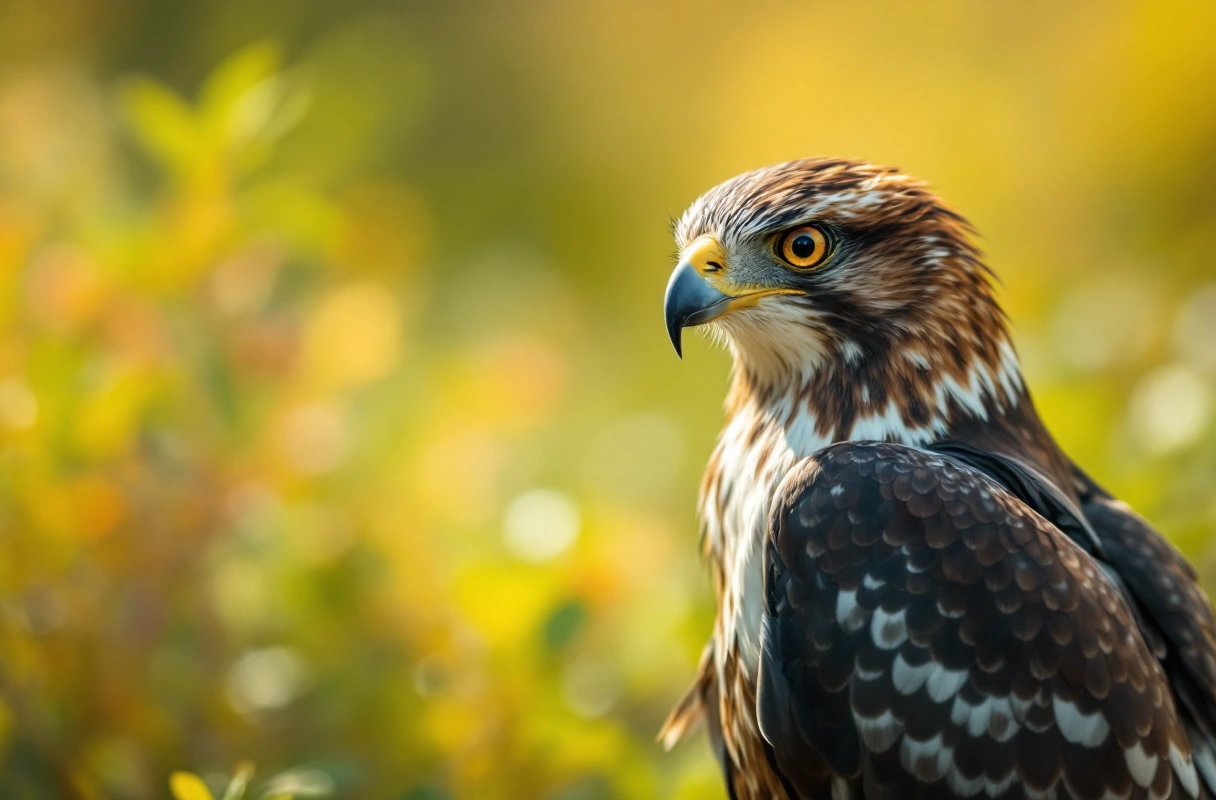
Despite their popularity, several misconceptions about birds of prey persist. Addressing these myths can lead to a better understanding of their behavior and conservation needs.
While birds of prey are skilled hunters, they are not inherently aggressive towards humans. Most raptors will avoid confrontation and only defend themselves if threatened. Understanding their behavior can help dispel fears and encourage respectful observation.
Some people view birds of prey as pests due to their hunting habits. However, these birds play an essential role in controlling populations of rodents and other small mammals. Recognizing their ecological importance can foster appreciation rather than fear.
While many raptors are solitary hunters, some species exhibit social behaviors. For instance, red-tailed hawks can often be seen hunting in pairs or sharing territory. Acknowledging these social structures enhances the understanding of their complex behaviors.
Advancements in technology have significantly enhanced the experience of observing birds of prey. Tools such as mobile apps, camera traps, and drones provide unique opportunities for enthusiasts to engage with these birds in innovative ways.
Several mobile applications allow bird watchers to identify species, track sightings, and connect with other enthusiasts. Popular options include:
These tools can enrich your birdwatching experience and foster a sense of community among bird enthusiasts.
Camera traps are increasingly used by researchers and bird watchers to monitor raptor behavior without human interference. These devices capture images and videos, providing valuable insights into their daily activities and interactions.
While the use of drones in birdwatching is controversial, they can provide unique aerial perspectives of raptor habitats. However, it is crucial to adhere to local regulations and ensure that drone use does not disturb wildlife.
Climate change poses significant challenges to birds of prey, affecting their habitats, prey availability, and migratory patterns. Awareness of these impacts is essential for responsible observation and conservation efforts.
As climate change alters ecosystems, many birds of prey face habitat loss due to changing vegetation patterns and human encroachment. Protecting and restoring these habitats is vital for their survival.
Changes in climate can affect the populations of small mammals and other prey species. Understanding these dynamics helps bird watchers recognize potential challenges raptors may face in finding food.
Some birds of prey are migratory, and shifts in climate can disrupt their migratory routes and timing. Observing these changes can provide valuable data for conservation efforts.
Responsible observation of birds of prey is not just about enjoying their beauty; it is also about contributing to their conservation. By understanding their behavior, we can become better stewards of the environment and advocate for their protection.
Birds of prey are intricate components of our ecosystems, and learning about their behavior equips us with the knowledge needed to observe them ethically. Organizations like Banana Slug Club play a vital role in promoting responsible birdwatching practices and conservation efforts.
Joining local birdwatching groups or conservation organizations can enhance your understanding and appreciation of birds of prey. These communities often provide resources, workshops, and opportunities to participate in conservation projects.
Keeping abreast of the latest research and trends in bird conservation can empower you to make informed decisions and advocate for policies that protect raptors and their habitats.
By engaging with groups like Banana Slug Club, you can further your knowledge and contribute to the responsible observation and conservation of birds of prey.
Visit Banana Slug Club to learn more about how you can get involved in birdwatching and conservation efforts. Together, we can ensure that future generations can also experience the wonder of these majestic birds.
Get free resources, early access to new features and updates.
No spam. Just fun educational emails!


.svg)
.svg)