Birds of prey, also known as raptors, are fascinating creatures that command attention with their impressive hunting skills and striking physical features. From the majestic bald eagle soaring high above to the stealthy peregrine falcon diving at incredible speeds, these birds play a crucial role in their ecosystems. Understanding their behavior in wild habitats not only enriches our knowledge but also enhances the experience for enthusiasts and birdwatchers alike. This article delves into the intricate behaviors of these raptors, providing insights that can deepen your appreciation for their role in nature.
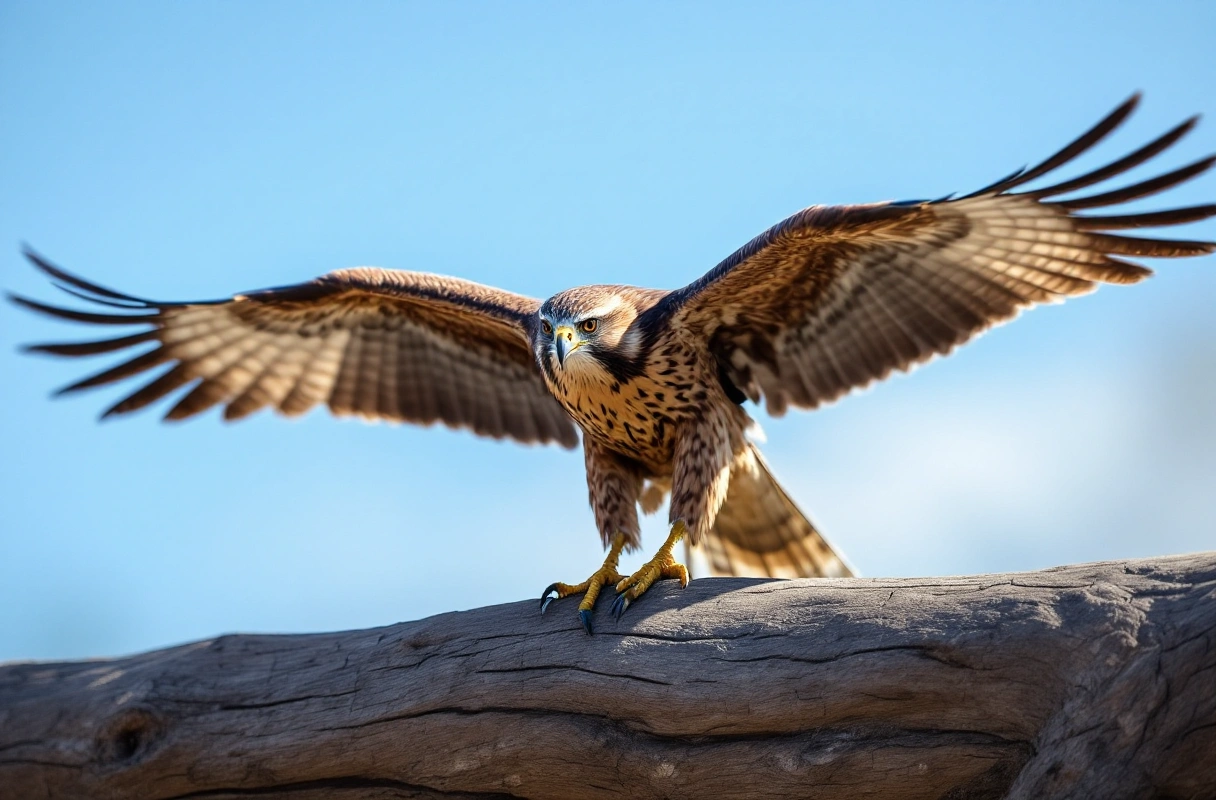
Birds of prey are characterized by their keen eyesight, powerful talons, and hooked beaks, which make them efficient hunters. They primarily feed on smaller animals, which they capture with remarkable agility and precision. Raptors are divided into several families, including hawks, eagles, owls, and falcons, each exhibiting unique behaviors and adaptations suited to their environments.
To truly understand birds of prey, it is essential to recognize the key characteristics that define them:
Birds of prey can be found in diverse habitats, ranging from forests and grasslands to deserts and wetlands. Their habitat choices often depend on the availability of food and nesting sites. For instance, eagles prefer large, open spaces with access to water, while owls may thrive in dense forests where they can roost and hunt at night.

The behavior of birds of prey is complex and varies among species. Observing these behaviors can provide valuable insights into their ecological roles and the dynamics of their habitats.
Raptors employ various hunting techniques based on their physical adaptations and environmental factors:
Raptors exhibit diverse nesting behaviors that reflect their specific needs and environmental conditions:
While many raptors are solitary, some species exhibit social behaviors, particularly during the breeding season or when food is plentiful. For example, certain hawk species may hunt cooperatively, increasing their chances of capturing prey.

Birdwatching tours provide a unique opportunity to observe and learn about birds of prey in their natural habitats. These excursions can enhance understanding of raptor behavior and contribute to conservation efforts.
When selecting a birdwatching tour focused on raptors, consider the following factors:
Participating in birdwatching tours can be both educational and exhilarating. Here are some aspects to anticipate:
Despite their popularity, several misconceptions about birds of prey persist. Addressing these misunderstandings is essential for fostering a more accurate appreciation of these remarkable creatures.
Many people perceive birds of prey as aggressive hunters. While they are skilled predators, their behavior is often context-dependent. Most raptors prefer to avoid confrontation and will only attack if threatened or during hunting.
While some raptors, such as owls, are nocturnal, many species, like hawks and eagles, are diurnal, meaning they are active during the day. Understanding these differences is crucial for proper identification and observation.
Although birds of prey primarily consume meat, some species have diverse diets. For instance, certain hawks may also eat fruits and insects when prey is scarce, showcasing their adaptability.
Birds of prey play a vital role in maintaining the balance of ecosystems. Their presence can indicate the health of an environment and contribute to biodiversity.
As apex predators, raptors help regulate prey populations. By controlling the numbers of smaller animals, they prevent overpopulation and ensure a balanced ecosystem. This regulation is crucial for maintaining the health of various species and habitats.
Birds of prey are sensitive to environmental changes, making them valuable indicators of ecosystem health. A decline in raptor populations can signal problems such as habitat degradation, pollution, or declining prey availability.
Numerous organizations work towards the conservation of birds of prey and their habitats. These initiatives often focus on habitat restoration, public education, and research to understand raptor ecology better.
As birdwatchers and wildlife enthusiasts, engaging with communities dedicated to conservation can enhance your understanding and appreciation of birds of prey. Organizations like the Banana Slug Club foster a sense of community among nature lovers, providing opportunities for education, advocacy, and hands-on conservation efforts.
Banana Slug Club offers workshops, field trips, and educational resources focused on birds of prey and their habitats. These experiences can deepen your knowledge and connect you with like-minded individuals passionate about wildlife.
Joining the Banana Slug Club allows you to participate in advocacy efforts aimed at protecting raptor habitats. Being part of a community that prioritizes conservation enhances your ability to make a positive impact on local ecosystems.
Participating in events organized by the Banana Slug Club can provide firsthand experience in observing birds of prey. These activities often include guided tours, lectures from experts, and collaborative conservation projects.
Understanding the behavior of birds of prey in their wild habitats is not just about observing their hunting techniques or nesting behaviors. It involves recognizing their critical role in maintaining ecological balance and the importance of preserving their habitats. By engaging with organizations like the Banana Slug Club, you can contribute to the conservation of these magnificent birds and the ecosystems they inhabit.
The exploration of raptors goes beyond mere observation; it invites you to participate in a larger conversation about wildlife conservation and ecological stewardship. Whether through birdwatching tours, community engagement, or personal study, there are countless ways to deepen your connection with these extraordinary birds.
To immerse yourself further in the world of birds of prey and learn how you can contribute to their conservation, visit Banana Slug Club. Engage with resources, attend events, and become part of a community committed to protecting our natural heritage. Together, we can ensure that future generations will continue to marvel at the beauty and significance of these remarkable raptors.
Get free resources, early access to new features and updates.
No spam. Just fun educational emails!


.svg)
.svg)