Reptiles have fascinated humans for centuries, from their unique adaptations to their diverse habitats. Understanding where reptiles live not only enriches our knowledge of these remarkable creatures but also highlights the importance of their conservation. This article dives deep into the various habitats occupied by reptiles, the challenges they face, and the conservation efforts needed to protect these species. In addition, we will explore the top ten endangered reptile species and the crucial steps being taken to ensure their survival.
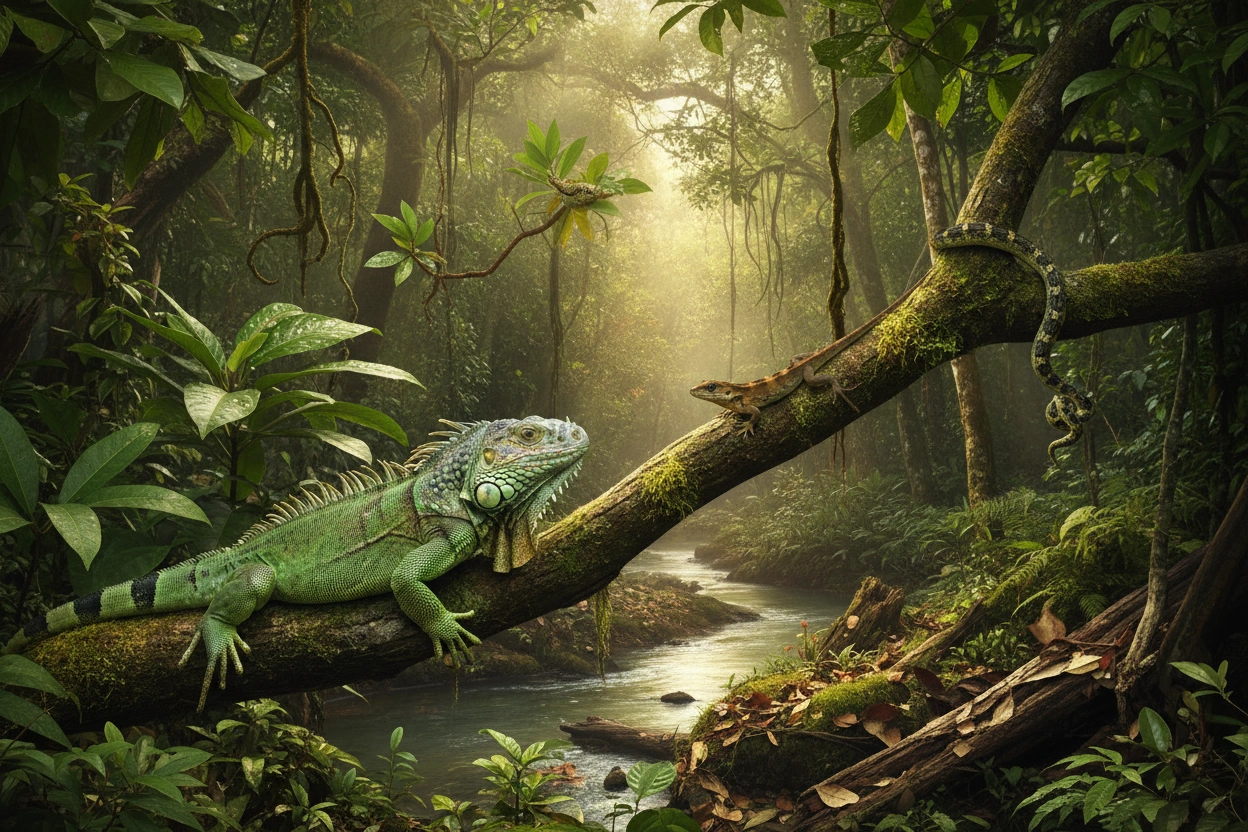
Reptiles are a diverse group of animals that can be found in almost every corner of the globe. They inhabit a wide range of environments, from arid deserts to lush rainforests. Their habitats significantly influence their behavior, physiology, and survival strategies.
Reptiles thrive in various ecosystems, each offering unique resources and challenges:
Deserts: Reptiles such as the Gila monster and desert tortoise have adapted to extreme temperatures and scarce water sources. They often exhibit behaviors like burrowing or being nocturnal to escape the heat.
Forests: Tropical rainforests are home to a myriad of reptiles, including snakes and lizards. These environments provide ample cover, food sources, and humidity, which are essential for many reptiles' survival.
Wetlands: Environments like swamps and marshes are crucial for aquatic reptiles such as alligators and certain turtle species. These habitats offer abundant food and nesting sites but are also vulnerable to pollution and habitat destruction.
Grasslands: Reptiles like the Eastern box turtle thrive in open areas with sparse vegetation. Grasslands provide both hiding spots and opportunities for basking in the sun.
Reptiles have evolved various adaptations that enable them to survive in their specific habitats. For instance, many desert reptiles have developed specialized skin that minimizes water loss, while arboreal reptiles possess prehensile tails and sharp claws to navigate trees efficiently. Understanding these adaptations can provide insight into the ecological roles that reptiles play in their environments.

As we delve deeper into the world of reptiles, it becomes increasingly clear that many species are facing significant threats, leading to a decline in their populations. Here are ten of the most endangered reptile species and the efforts being made to conserve them.
The Hawksbill sea turtle is critically endangered due to illegal trade of their shells, habitat loss, and climate change. Conservation efforts include protecting nesting sites and regulating fishing practices to reduce bycatch.
Native to the rivers of the Indian subcontinent, the Gharial is on the brink of extinction due to habitat degradation and depletion of fish stocks. Conservation programs focus on habitat restoration and captive breeding.
This species is critically endangered, primarily due to habitat loss and hunting. Conservation initiatives involve community education and the establishment of protected areas.
With only a few individuals remaining, this turtle is the world's rarest. Efforts to save the species include habitat protection and a breeding program.
Once thought to be extinct, this iguana is now critically endangered due to invasive species and habitat loss. Conservationists are working on habitat restoration and controlling invasive predators.
This species is extinct in the wild, with the last known individual, Lonesome George, having died in 2012. Conservation efforts are focused on restoring habitats and preventing future extinctions.
This iguana species is threatened by habitat loss and invasive species. Conservation measures include habitat management and breeding programs.
The largest of all sea turtles, the Leatherback is endangered due to entanglement in fishing gear and habitat loss. Conservation strategies include beach protection and international cooperation for migratory routes.
This snake is threatened by habitat loss and fragmentation. Conservation efforts involve habitat restoration and protection of essential breeding areas.
Facing threats from habitat destruction and hunting, this iguana is critically endangered. Conservation programs focus on habitat protection and breeding initiatives.
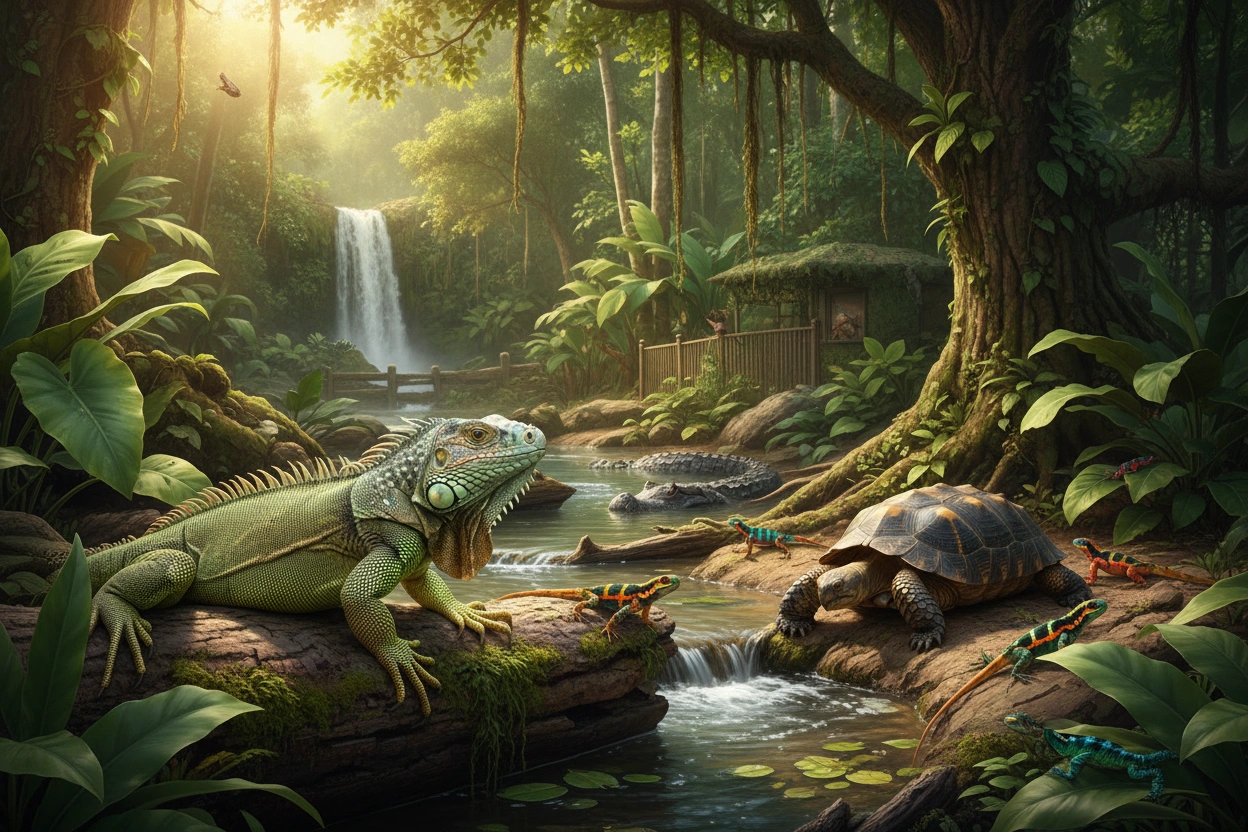
Conservation is crucial for maintaining the delicate balance of ecosystems where reptiles thrive. Protecting their habitats not only benefits reptiles but also supports the broader ecological community. Here are some essential strategies for effective reptile conservation:
Establishing protected areas is vital for safeguarding the habitats of endangered reptile species. These areas can mitigate the impacts of human activities, such as urbanization and agriculture, which threaten natural ecosystems.
Engaging local communities in conservation efforts fosters a sense of ownership and responsibility toward the environment. Education programs can help raise awareness about the importance of reptiles and their habitats.
Conducting research on reptile populations and their habitats is essential for understanding their needs and threats. Monitoring programs can help track population changes and the effectiveness of conservation strategies.
Restoring degraded habitats can provide reptiles with the resources they need to survive. These projects often involve replanting native vegetation and removing invasive species that threaten native reptiles.
Despite their prevalence in many ecosystems, reptiles are often misunderstood. Addressing these misconceptions can foster a greater appreciation for these remarkable creatures.
While some reptiles can be venomous, most are harmless to humans. Education about which species pose a threat and which do not can help reduce fear and promote conservation efforts.
While most reptiles are ectothermic (cold-blooded), some species exhibit unique behaviors to regulate their body temperature. Understanding these adaptations can enhance our appreciation for their survival strategies.
Reptiles are essential components of their ecosystems. They serve as both predators and prey, contributing to the ecological balance. Recognizing their role can encourage conservation efforts.
Education plays a critical role in reptile conservation. By raising awareness about the challenges faced by reptiles and the importance of their habitats, we can inspire action and support for conservation initiatives.
Community Workshops: Organizing workshops can help educate local communities about reptiles and their habitats.
Social Media Campaigns: Utilizing social media platforms to share information and success stories can engage a broader audience.
School Programs: Integrating reptile education into school curriculums can foster a new generation of conservationists.
Reptile conservation is not solely the responsibility of scientists and conservationists; it requires the involvement of communities. Organizations like the Banana Slug Club work tirelessly to educate the public about reptiles and the importance of their habitats. By participating in local conservation efforts, individuals can contribute to the preservation of these incredible species.
Volunteer: Join local conservation organizations to assist in habitat restoration and education programs.
Advocate: Use your voice to advocate for policies that protect reptile habitats and promote sustainable practices.
Educate Others: Share your knowledge about reptiles and their conservation needs with friends and family.
In summary, understanding the habitats of reptiles is vital for their conservation. By recognizing the unique challenges they face and actively participating in conservation efforts, we can ensure a future where these remarkable creatures continue to thrive.
If you are passionate about reptiles and want to make a difference, consider getting involved with organizations like the Banana Slug Club. They provide valuable resources and opportunities to engage with your community on issues related to reptile conservation.
For more information on how you can contribute to reptile conservation, visit Banana Slug Club today.
Get free resources, early access to new features and updates.
No spam. Just fun educational emails!


.svg)
.svg)