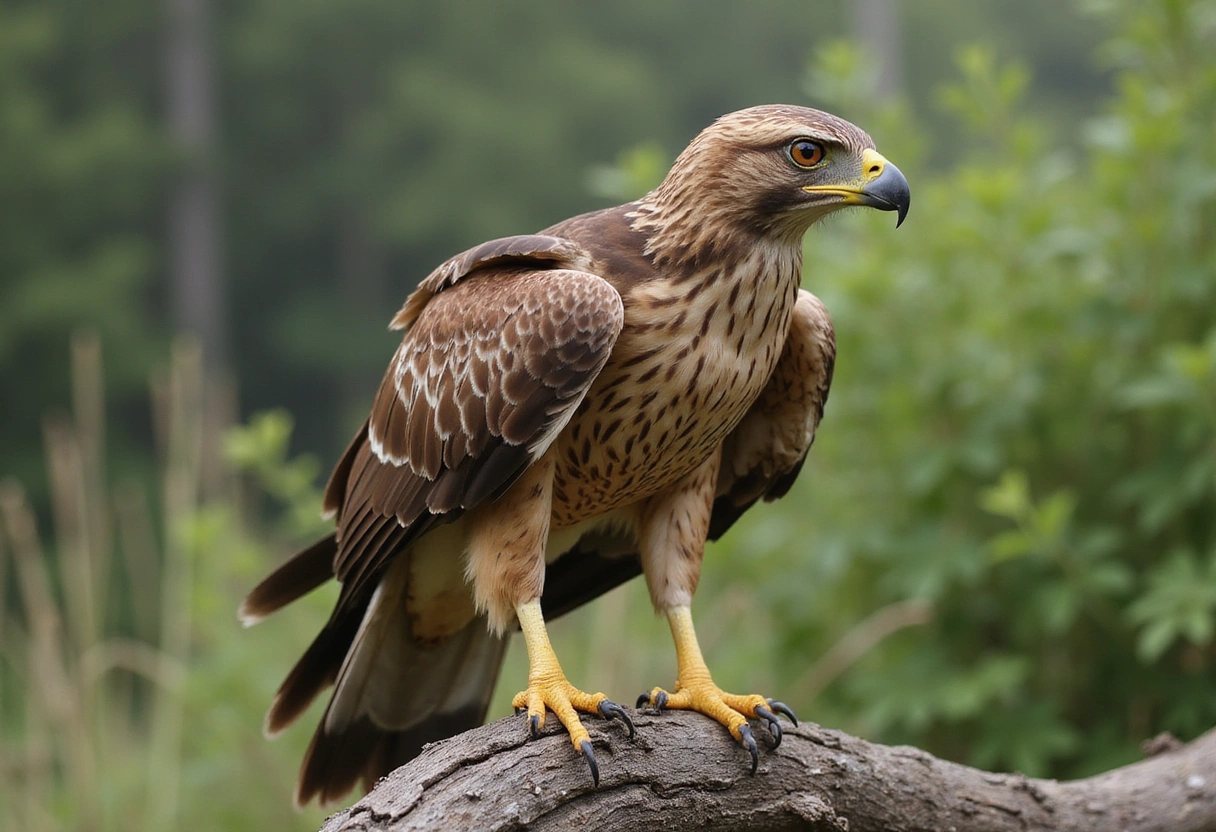
Birdwatching is a rewarding and enriching activity that allows enthusiasts to connect with nature while gaining insights into the behavior and ecology of various species. Among the most fascinating subjects in the birdwatching realm are birds of prey, known for their impressive hunting skills and unique vocalizations. Identifying these calls can significantly enhance your birdwatching experience, enabling you to recognize their presence even when they are out of sight. This article delves into effective strategies for identifying birds of prey calls during your next outing, alongside best practices for bird photography in the wild.
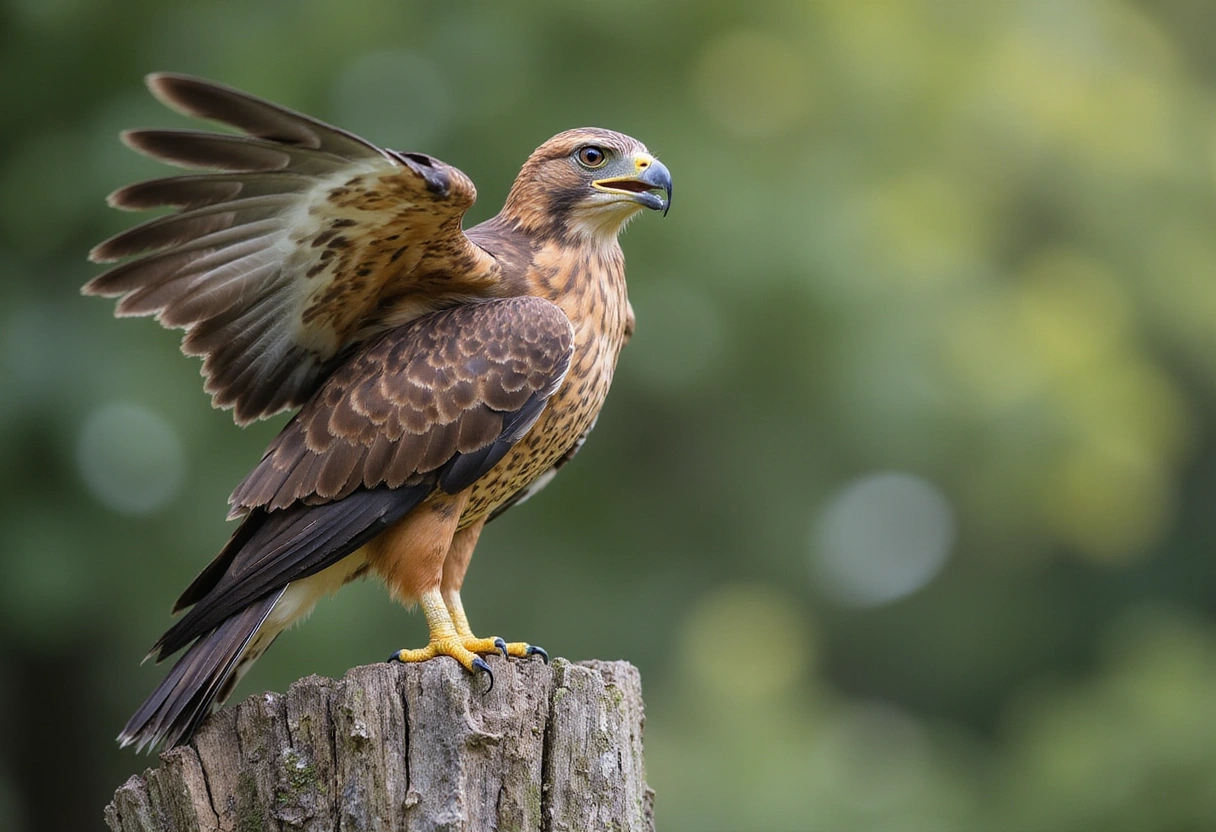
Birds of prey, or raptors, comprise species such as eagles, hawks, falcons, and owls. Each of these birds has distinctive calls that serve various purposes, including mating, territory defense, and communication with their young. Understanding the context of these calls is essential for proper identification.
Bird calls can be categorized into two primary types: songs and calls. While songs are often melodious and used during mating seasons, calls are typically more abrupt and serve functional purposes. For example, the piercing scream of a red-tailed hawk is not just a means of communication; it serves to establish territory and warn intruders.
To identify a bird of prey's call, consider these factors:
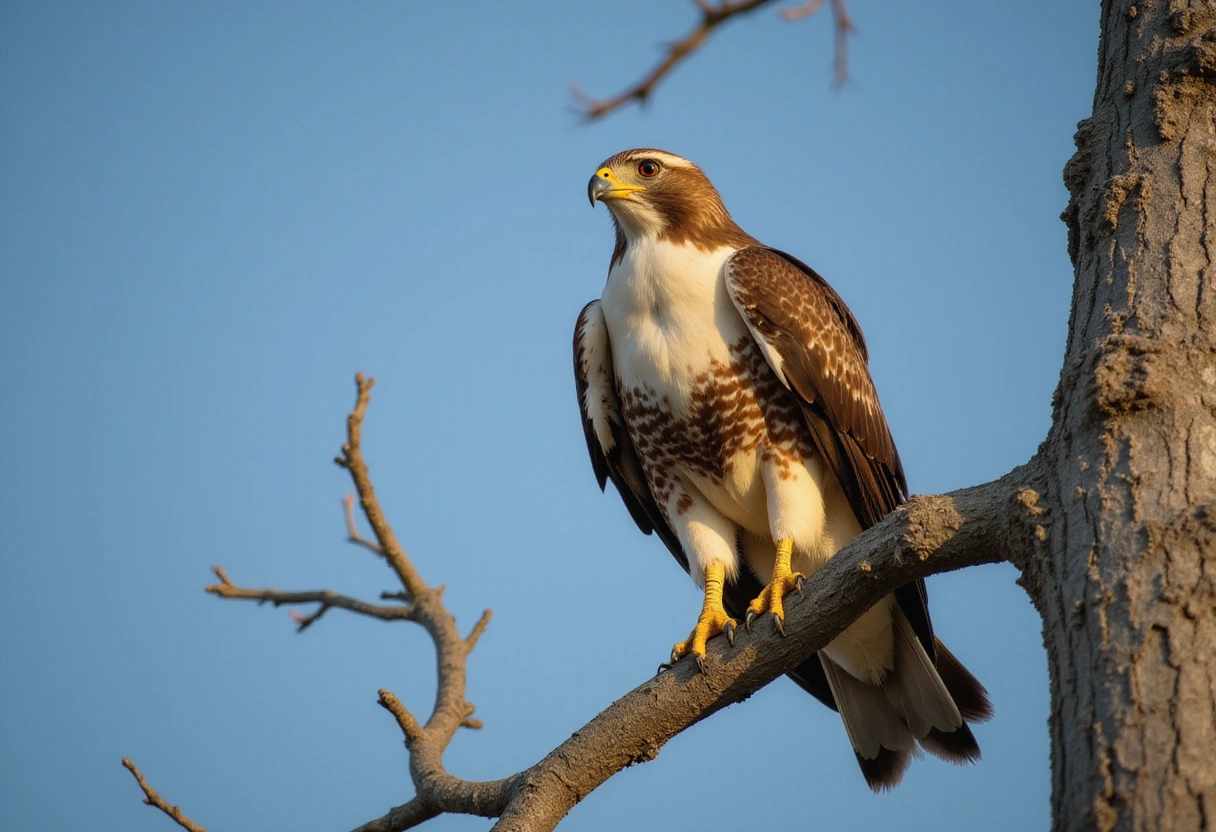
Identifying birds of prey calls requires a combination of knowledge, practice, and keen observation. Here are some essential tips to help you become proficient at recognizing these fascinating vocalizations.
To effectively identify bird calls, consider investing in resources that can provide comprehensive information about various raptor species. These may include:
Active listening is a crucial skill for birdwatchers. Instead of passively hearing the calls, focus on distinguishing the different sounds. Here are steps to improve your listening skills:
Modern technology can significantly enhance your birdwatching experience. Here are some ways to incorporate technology:
Joining birdwatching tours led by knowledgeable guides can provide invaluable insights into identifying birds of prey calls. These tours often focus on specific habitats where raptors are prevalent. During these outings, you can learn from experts who can share their knowledge about the calls you hear and their corresponding species.
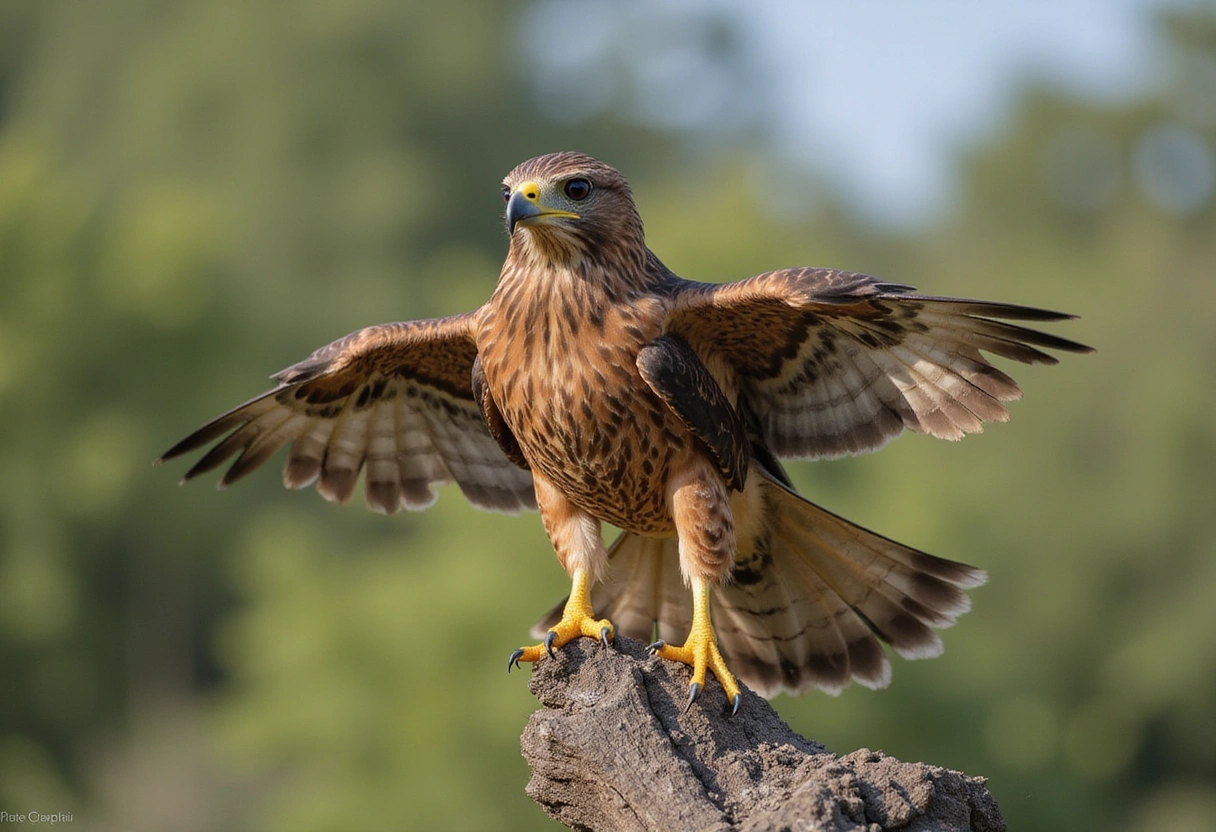
Capturing stunning images of birds of prey requires more than just a good camera. Here are some best practices to enhance your bird photography skills.
Investing in appropriate photography equipment is essential for successful bird photography. Consider the following:
Lighting plays a critical role in photography. Natural light can enhance the quality of your images, so consider these tips:
Birdwatching and photography require patience. Here are steps to ensure a successful outing:
Understanding the behavior of birds of prey can significantly improve your chances of capturing great photographs. Familiarize yourself with their hunting techniques, nesting habits, and social interactions. This knowledge will help you anticipate their movements and position yourself for optimal shots.
Birdwatching, like any skill, comes with a learning curve. Here are some common mistakes that birdwatchers make when trying to identify birds of prey calls, along with tips on how to avoid them.
Many birdwatchers focus exclusively on visual identification, neglecting the auditory aspect. Remember that many raptors may be hidden from view, but their calls can provide vital clues about their presence. Make it a habit to listen actively and integrate auditory identification into your birdwatching practice.
Bird calls can vary significantly based on geographic location and environmental factors. Be aware of local variations in calls and take the time to learn about the specific raptors in your area. This localized knowledge will enhance your ability to identify calls accurately.
Bird behavior, including vocalizations, can change with the seasons. For instance, some species may be more vocal during mating season, while others may be quieter. Stay informed about the seasonal habits of birds of prey in your region to improve your identification skills.
Engaging with fellow bird enthusiasts can enrich your birdwatching experience. Organizations such as the Banana Slug Club provide excellent opportunities for individuals, families, and students to connect with nature.
By participating in community events, workshops, and educational programs, you can deepen your understanding of birds of prey and their habitats. The Banana Slug Club focuses on promoting environmental stewardship and enhancing knowledge about local wildlife, making it an excellent resource for nature enthusiasts of all ages.
Whether you are an experienced birdwatcher or a beginner eager to learn, the Banana Slug Club offers a wealth of resources to support your journey. From guided birdwatching tours to informative workshops on bird identification and photography, our programs cater to nature enthusiasts, students, and children excited to explore the wonders of the natural world.
For more information about our upcoming events and educational resources, visit our website or contact us. Join us in celebrating the beauty of birds of prey and the joy of birdwatching!
In conclusion, identifying birds of prey calls adds a rich layer to your birdwatching experience. By following the tips provided and engaging with community resources, you can enhance your skills and deepen your appreciation for these magnificent creatures.
Get free resources, early access to new features and updates.
No spam. Just fun educational emails!


.svg)
.svg)