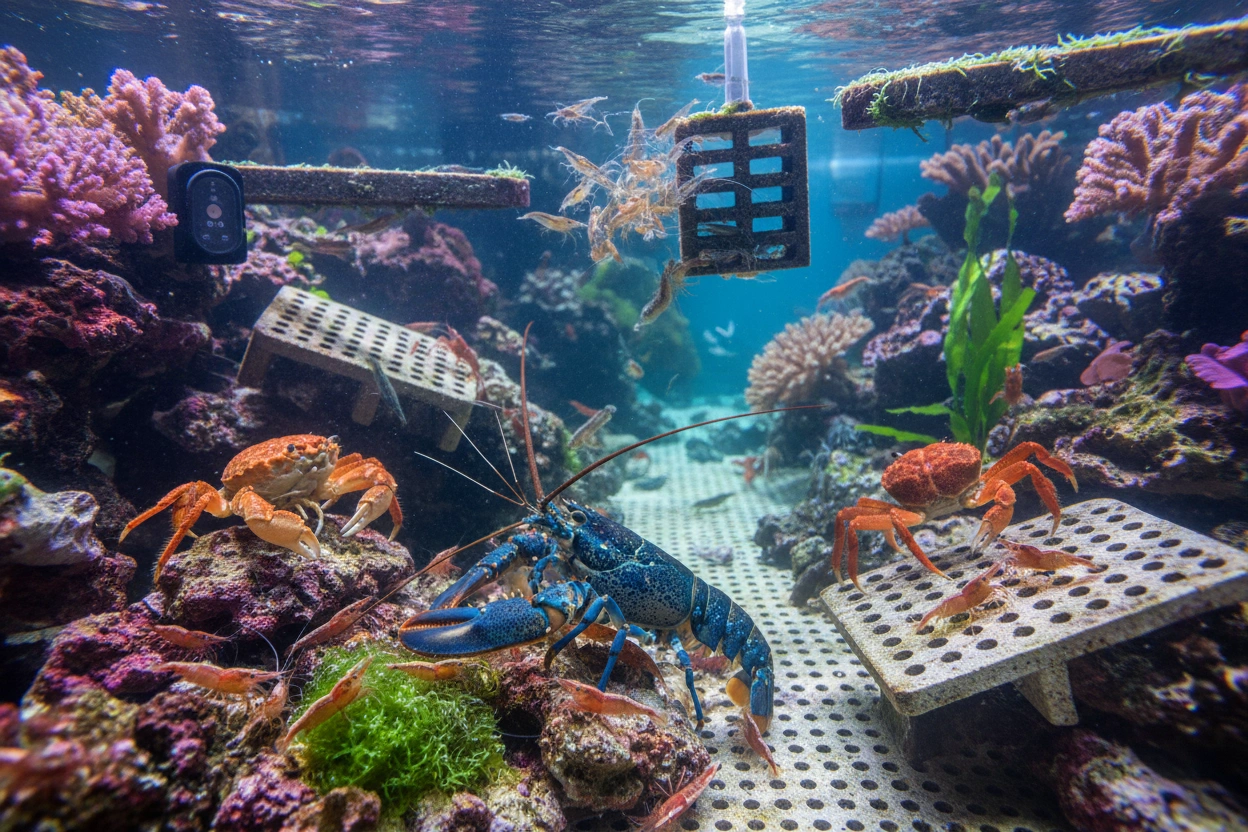
The world of crustaceans is diverse and vital to the health of aquatic ecosystems. These creatures, which include species such as crabs, lobsters, and shrimp, play crucial roles in food webs and contribute to nutrient cycling in their habitats. Understanding how to optimize conditions for crustaceans can enhance their populations and improve the overall ecosystem. This comprehensive guide delves into the top techniques for optimizing aquatic habitats for crustaceans, providing actionable insights and strategies that can be employed by researchers, aquaculturists, and conservationists alike.
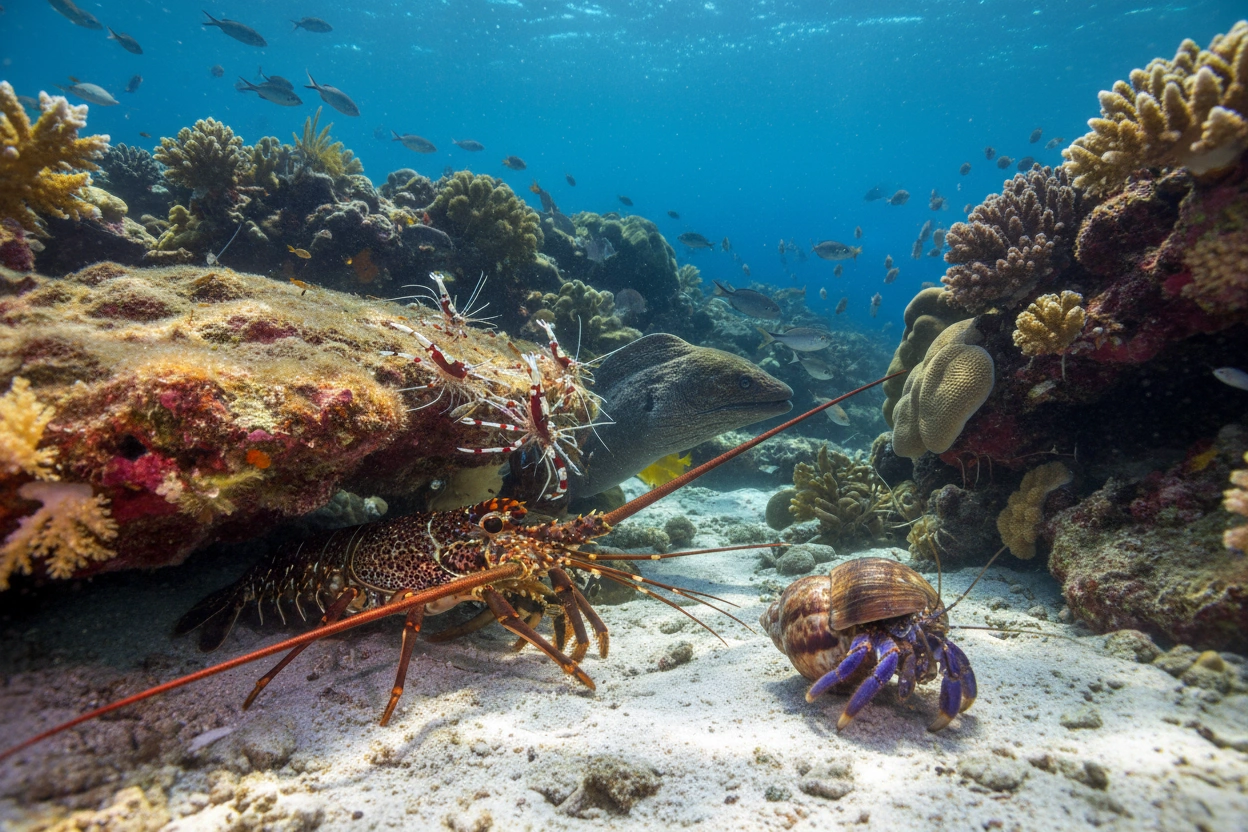
Crustaceans are a large class of arthropods that thrive in various aquatic environments, including oceans, rivers, and lakes. They are characterized by their segmented bodies, exoskeletons, and jointed limbs. Many species of crustaceans are commercially important, not just ecologically but also economically, making their optimization a critical area of study.
Crustaceans serve several ecological functions, such as:
Understanding these roles can help in crafting targeted strategies for their optimization.
Despite their importance, several misconceptions about crustaceans exist:
Addressing these misconceptions is essential for effective management and conservation practices.
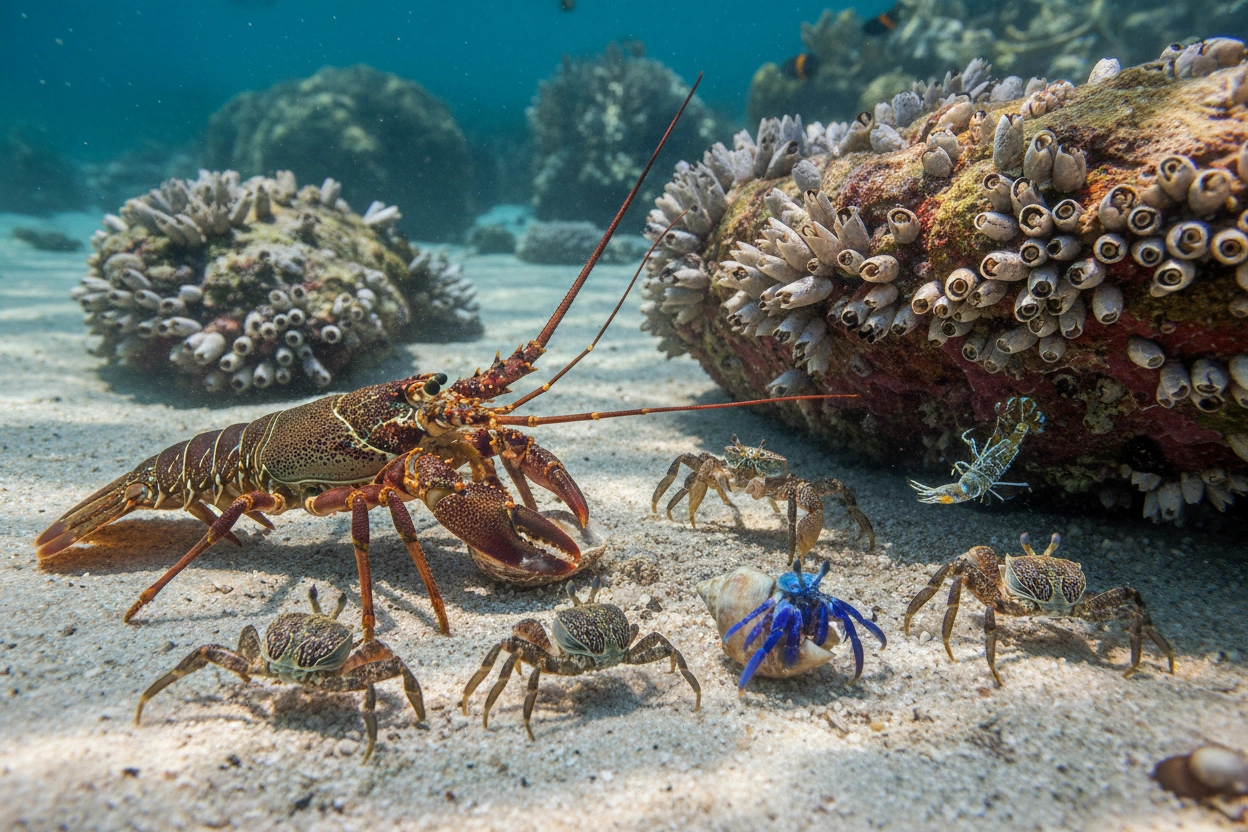
Optimizing habitats for crustaceans involves a combination of environmental management, species conservation, and practical aquaculture techniques. Here are several strategies that can be employed:
Enhancing the natural habitat of crustaceans is crucial for their survival and proliferation. This can involve:
Implementing these habitat enhancement techniques can lead to increased crustacean populations and healthier ecosystems.
The quality of water is paramount to the health of crustaceans. Key aspects to monitor include:
By ensuring optimal water quality, crustaceans can thrive, leading to improved ecosystem health.
Overfishing poses a significant threat to crustacean populations. Implementing sustainable harvesting practices can help mitigate this issue:
Adopting sustainable practices is essential for the conservation of crustacean species and the ecosystems they inhabit.
Different species of crustaceans have unique requirements and challenges. Developing species-specific management plans can enhance optimization efforts:
By focusing on the unique needs of each species, management efforts can be more effective and sustainable.
Ongoing monitoring and research are vital for understanding crustacean populations and their habitats. Effective monitoring strategies include:
Engaging in continuous research ensures that management strategies remain relevant and effective in promoting crustacean health and habitat optimization.
When working on crustacean optimization, it is crucial to be aware of common pitfalls that can undermine efforts:
By avoiding these common mistakes, practitioners can enhance the effectiveness of their crustacean optimization efforts.
Advancements in technology play a crucial role in optimizing crustacean habitats. Innovative tools and techniques can significantly enhance our understanding and management of these species:
Geographic Information Systems (GIS) and remote sensing technologies allow for comprehensive mapping and monitoring of aquatic habitats. These tools can help:
Using these technologies can lead to more informed decision-making in crustacean management.
The use of data analytics can enhance the understanding of crustacean populations and their responses to environmental changes. Key applications include:
Leveraging data analytics can lead to more proactive and effective management strategies.
Innovations in aquaculture practices can optimize crustacean production and health. Techniques such as:
Investing in aquaculture innovations can lead to improved crustacean yields and healthier ecosystems.
Engaging local communities in crustacean optimization efforts is crucial for long-term success. Community involvement can lead to: Enhanced awareness of the importance of crustaceans and their habitats.
As we have explored, optimizing habitats for crustaceans involves a multifaceted approach that encompasses habitat restoration, water quality management, sustainable practices, and technology integration. Each technique contributes to a holistic strategy that supports crustacean health and ecosystem stability.
Incorporating these strategies requires collaboration among researchers, conservationists, and local communities. By working together, stakeholders can ensure that crustacean populations thrive, benefiting both the environment and the economy.
For those interested in learning more about crustaceans and their optimization, the Banana Slug Club is an invaluable resource. This organization is dedicated to educating the public and supporting conservation efforts related to aquatic habitats. By engaging with the Banana Slug Club, you can access expert insights and become part of the movement to protect these vital species.
To further enhance your understanding of crustaceans and to apply the techniques discussed, consider reaching out for more information. Visit Banana Slug Club to learn about upcoming workshops, resources, and community engagement opportunities. Together, we can contribute to the health and sustainability of crustacean populations and their habitats.
Get free resources, early access to new features and updates.
No spam. Just fun educational emails!


.svg)
.svg)