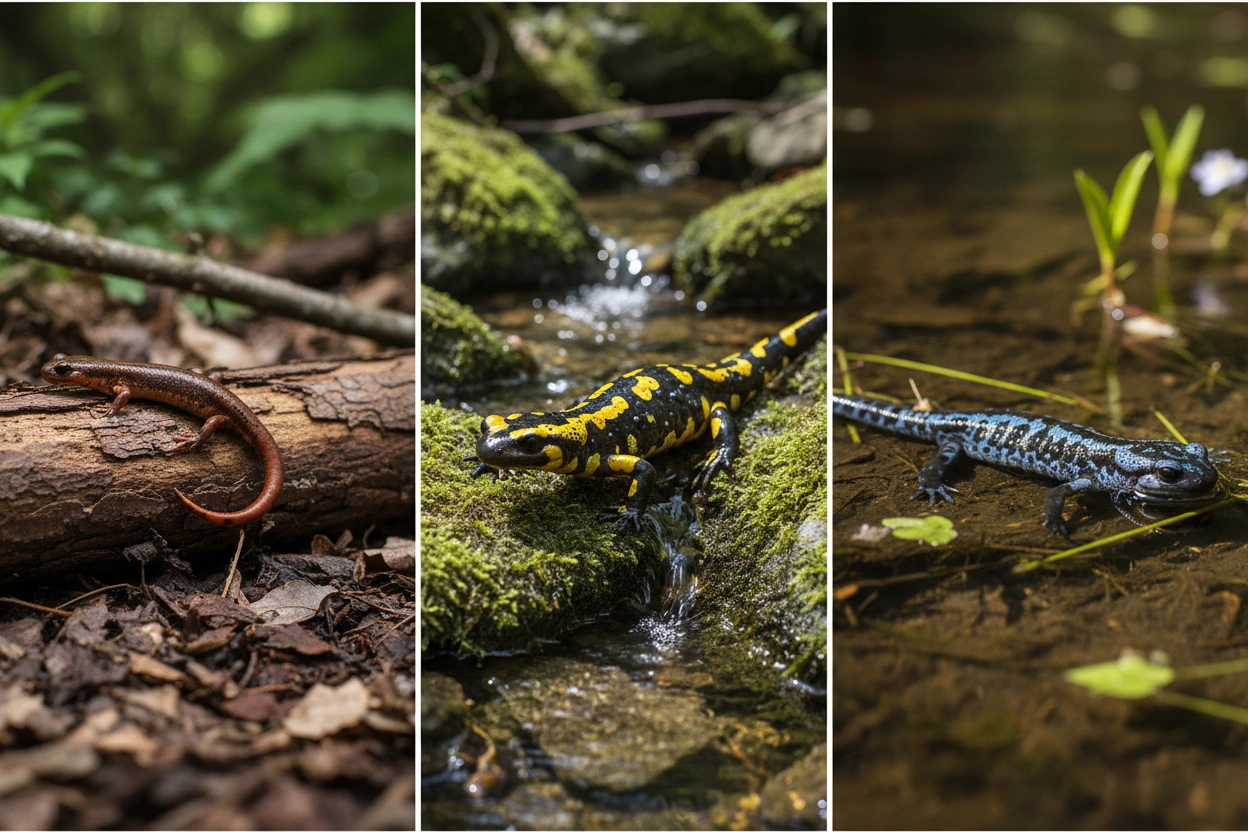
Amphibians, an essential group of vertebrates, are known for their unique life cycles and adaptations to both terrestrial and aquatic environments. Among these fascinating creatures, salamanders stand out with their remarkable diversity and ecological significance. As of July 2026, the study of amphibians continues to captivate researchers, conservationists, and nature enthusiasts alike. This article delves into the various types of salamanders, exploring their unique characteristics and habitats, while also highlighting the pressing need for conservation efforts to protect these remarkable amphibians.
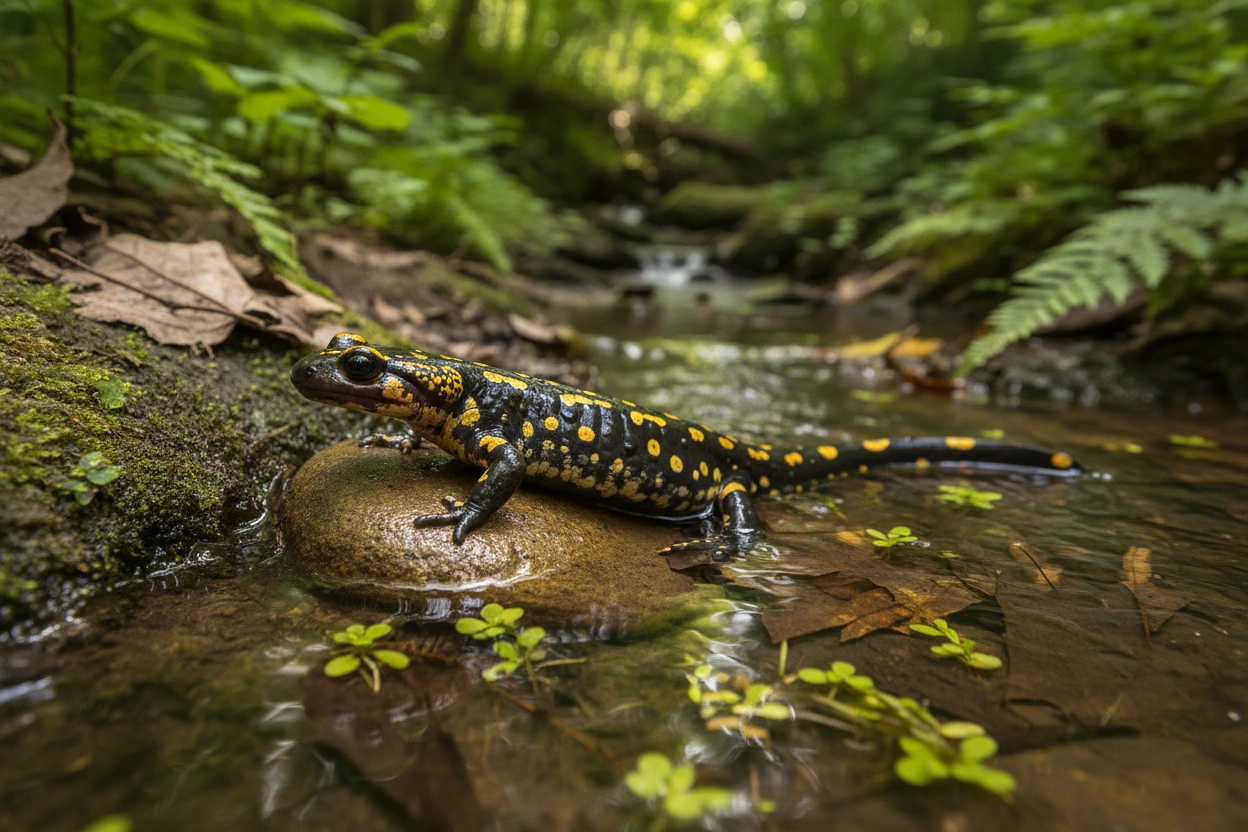
Salamanders belong to the order Caudata and are characterized by their elongated bodies, short limbs, and moist skin. They are found in a variety of habitats, ranging from forests to wetlands, and play a crucial role in their ecosystems. The diversity of salamanders is astounding, with over 700 species identified worldwide. Their ability to thrive in different environments makes them an integral part of the biodiversity we rely on.
Salamanders possess several unique characteristics that set them apart from other amphibians. One notable feature is their ability to regenerate lost limbs, tails, and even parts of their heart and eyes. This remarkable ability not only fascinates scientists but also holds potential for medical advancements in regenerative medicine.
Another defining trait of salamanders is their permeable skin, which allows them to absorb moisture and gases directly from their environment. This characteristic makes them highly sensitive to changes in their surroundings, serving as indicators of ecosystem health. Consequently, monitoring salamander populations can provide valuable insights into environmental changes and the impact of climate change on amphibian habitats.
Despite their intriguing nature, many misconceptions exist about salamanders. One common myth is that all salamanders are poisonous. While some species do produce toxins as a defense mechanism, most are harmless to humans. Additionally, it is often believed that salamanders are only found in wet environments; however, many species are adapted to drier habitats, showcasing their remarkable adaptability.

The diversity of salamanders is reflected in their various types, each with distinct characteristics and habitats. Here are some of the most notable salamander types:
This small salamander is easily recognizable by its striking red or orange stripe running down its back. Found in forests across eastern North America, the Eastern Red-backed Salamander thrives in moist leaf litter and under rocks. Its ability to absorb moisture through its skin makes it highly susceptible to environmental changes, highlighting its role as an indicator species.
The Tiger Salamander is known for its distinctive yellow or white spots against a dark background. This species prefers grasslands and open woodlands, often breeding in temporary ponds. The Tiger Salamander is a robust amphibian, capable of growing up to 10 inches in length, and is often sought after by wildlife enthusiasts.
The Axolotl is perhaps one of the most famous salamanders due to its unique aquatic lifestyle and ability to regenerate limbs. Native to the lakes of Mexico, this neotenic species retains its larval features throughout its life, including external gills. The Axolotl is critically endangered in the wild, primarily due to habitat loss and pollution.
The Spotted Salamander is recognized for its yellow or white spots on a dark body. Typically found in deciduous forests, this species breeds in temporary ponds during the spring. The Spotted Salamander is an essential part of its ecosystem, contributing to soil health and nutrient cycling.
As one of the largest salamanders in North America, the Pacific Giant Salamander can grow up to 14 inches long. This species inhabits moist forests along the Pacific Coast, where it preys on various small animals. The Pacific Giant Salamander is a key predator in its ecosystem, helping maintain balance in local food webs.
The Red Salamander is easily identified by its bright red coloration and dark spots. Preferring wet habitats like streams and swamps, this species is often found under rocks or logs. The Red Salamander plays a vital role in controlling insect populations, showcasing the interconnectedness of amphibians and their ecosystems.
This striking salamander is known for its vibrant blue spots and is often found in eastern North America. The Blue-spotted Salamander typically resides in moist woodlands and breeds in temporary ponds. Its unique coloration serves as a warning to potential predators about its toxicity.
The Four-toed Salamander is a small species characterized by its distinctive four toes on each hind foot. Found in moist environments such as wetlands and bogs, this salamander has a unique reproductive strategy, laying its eggs in clutches that are often attached to vegetation.
This species is known for its slimy texture and dark coloration with white spots. The Northern Slimy Salamander is typically found in moist, wooded areas and is known for its territorial behavior. Its unique skin secretions help deter predators, making it a fascinating subject of study.
Similar to its Eastern counterpart, the Southern Red-backed Salamander features a red stripe along its back. This species is found in the southeastern United States and thrives in moist forests. Its adaptability to various habitats makes it an important species for studying environmental changes.
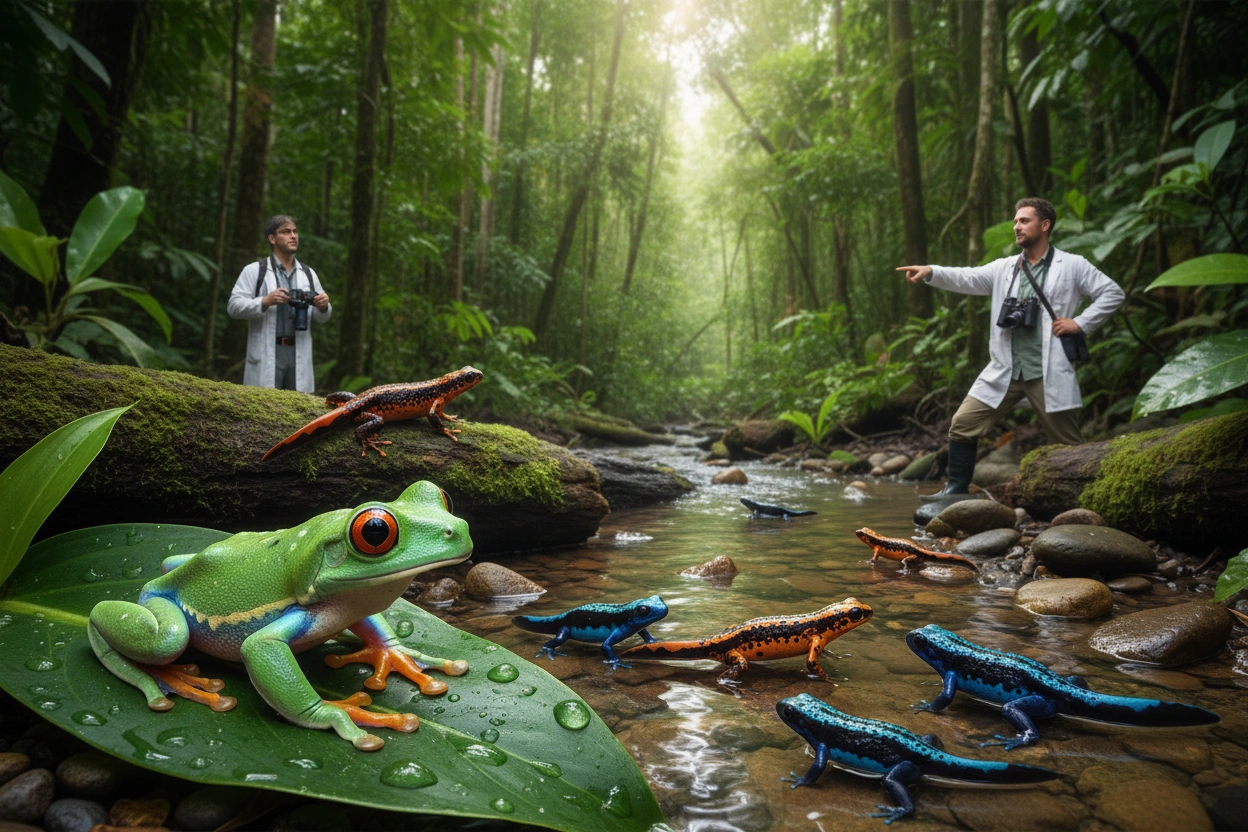
As amphibians face numerous threats, including habitat loss, climate change, and disease, conservation efforts are crucial for their survival. Here are ten impactful initiatives aimed at protecting amphibian populations:
Restoring degraded habitats is essential for amphibian survival. This involves replanting native vegetation, removing invasive species, and creating suitable breeding sites. Community engagement and education are vital components of successful habitat restoration projects.
Establishing protected areas, such as national parks and wildlife reserves, helps safeguard critical habitats for amphibians. These areas provide refuge from habitat destruction and human encroachment, allowing populations to thrive.
Captive breeding programs play a pivotal role in conserving endangered amphibian species. By breeding individuals in controlled environments, conservationists can reintroduce them into their natural habitats, bolstering wild populations.
Amphibian populations are vulnerable to diseases like chytridiomycosis, which has devastated many species. Implementing monitoring programs helps identify outbreaks early, allowing for targeted management strategies to mitigate the spread of disease.
Understanding the impacts of climate change on amphibians is crucial for developing effective conservation strategies. Research initiatives that focus on climate adaptation and mitigation can inform policy decisions and habitat management practices.
Raising awareness about the importance of amphibians and their ecosystems is essential for conservation success. Community education programs can foster a sense of stewardship, encouraging local populations to engage in conservation efforts.
Supporting legislation that protects amphibian habitats and addresses climate change is crucial. Advocacy efforts can help ensure that amphibian conservation efforts remain a priority at local, national, and international levels.
Conducting research on amphibian populations, behaviors, and habitats is vital for understanding their needs. Long-term monitoring programs help track population trends and inform conservation strategies.
Promoting sustainable land use practices, such as responsible agriculture and forestry, can help minimize habitat destruction. Encouraging landowners to implement conservation-friendly practices benefits both amphibians and local ecosystems.
Indigenous communities often possess valuable knowledge about local ecosystems and species. Collaborating with these communities can enhance conservation efforts and promote sustainable practices that respect traditional ecological knowledge.
Banana Slug Club is dedicated to fostering awareness and action for amphibian conservation. By providing resources, educational materials, and community engagement opportunities, the organization empowers individuals and communities to contribute to the protection of amphibians and their habitats.
Through various initiatives, Banana Slug Club works to inspire passion and commitment towards preserving these remarkable creatures. Whether it's participating in local habitat restoration projects or advocating for policies that protect amphibians, everyone can play a part in ensuring a brighter future for these vital species.
Understanding the diversity of amphibians, particularly salamanders, is vital for appreciating their ecological roles and the importance of their conservation. As we explore the fascinating world of these creatures, we must also recognize the urgent need to protect them from the myriad threats they face.
To get involved in amphibian conservation and learn more about how you can make a difference, visit Banana Slug Club. Together, we can work towards a future where amphibians thrive in healthy ecosystems. Your support can help ensure that these remarkable creatures continue to play their vital roles in our world.
Get free resources, early access to new features and updates.
No spam. Just fun educational emails!


.svg)
.svg)