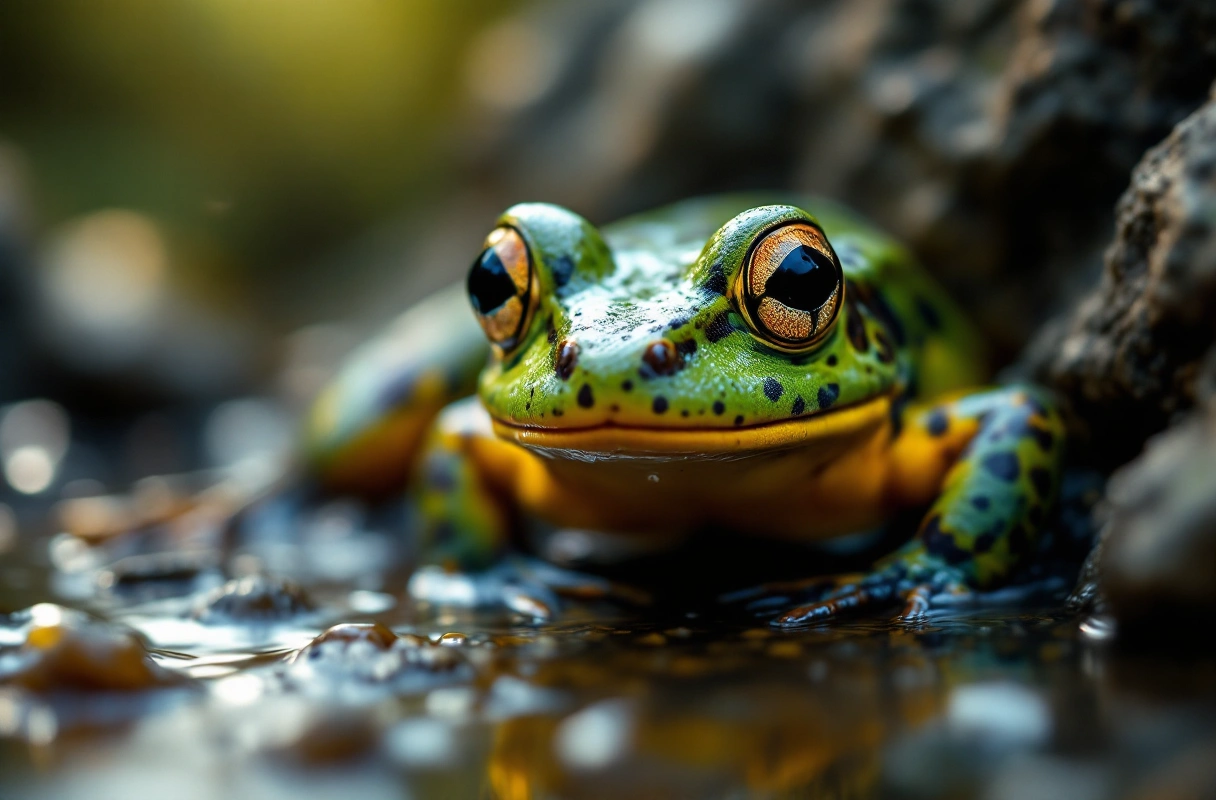
Amphibians are among the most diverse and ecologically significant groups of animals on our planet. Unfortunately, they are also one of the most endangered. The alarming decline in amphibian populations is largely attributed to habitat destruction, climate change, pollution, and disease. In 2026, it is crucial to raise awareness about the plight of these creatures and take actionable steps to support their conservation. This article delves into the top endangered amphibian species and highlights ten effective conservation efforts you can support to help protect these vital members of our ecosystems.
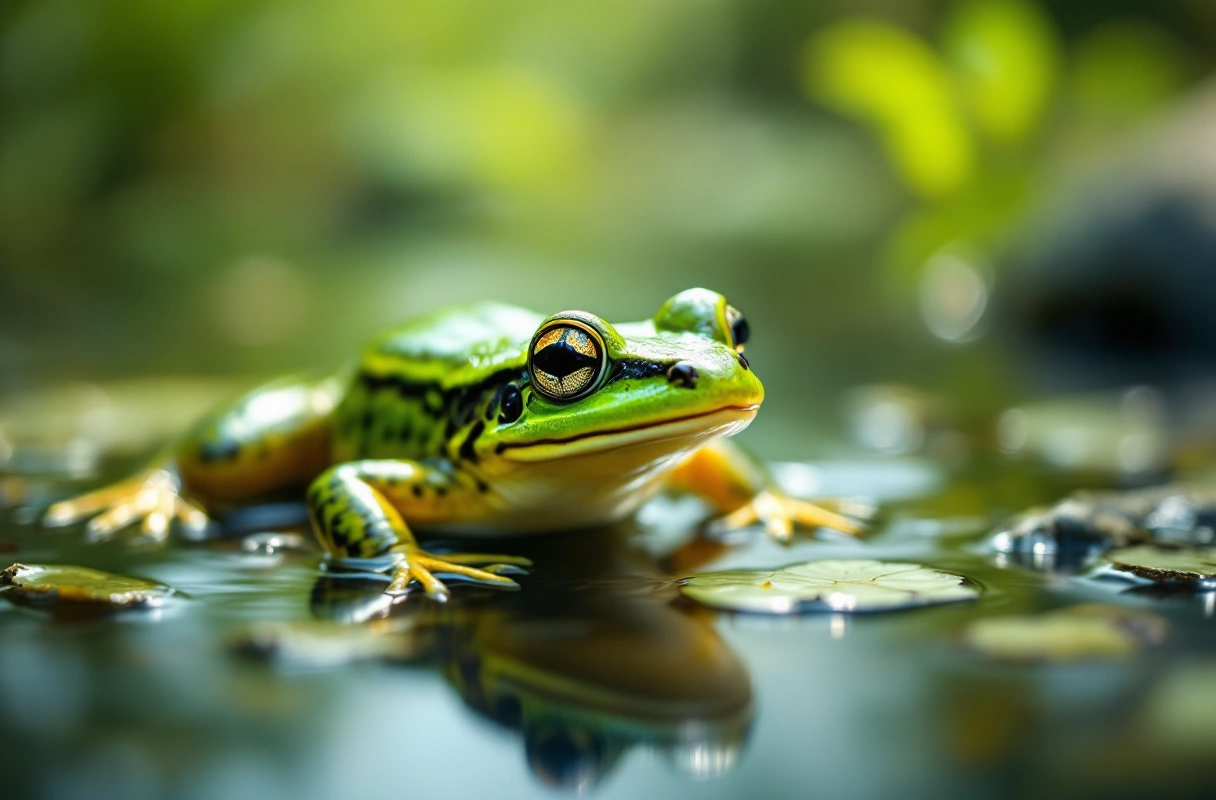
Amphibians, which include frogs, toads, salamanders, and newts, serve as critical indicators of environmental health. Their permeable skin makes them particularly sensitive to changes in their surroundings, allowing scientists to gauge ecosystem integrity through amphibian population health. Furthermore, amphibians play essential roles in food webs, controlling insect populations and serving as prey for a variety of animals, including birds and mammals. Educating local communities about the importance of amphibians and their ecosystems can foster conservation efforts.
The decline of amphibian populations is a concerning indicator of broader environmental issues. In many cases, the same factors that threaten amphibians—such as habitat loss and climate change—also affect other wildlife and human health. Thus, protecting amphibians is not just about preserving a single group of species; it is about safeguarding biodiversity as a whole.
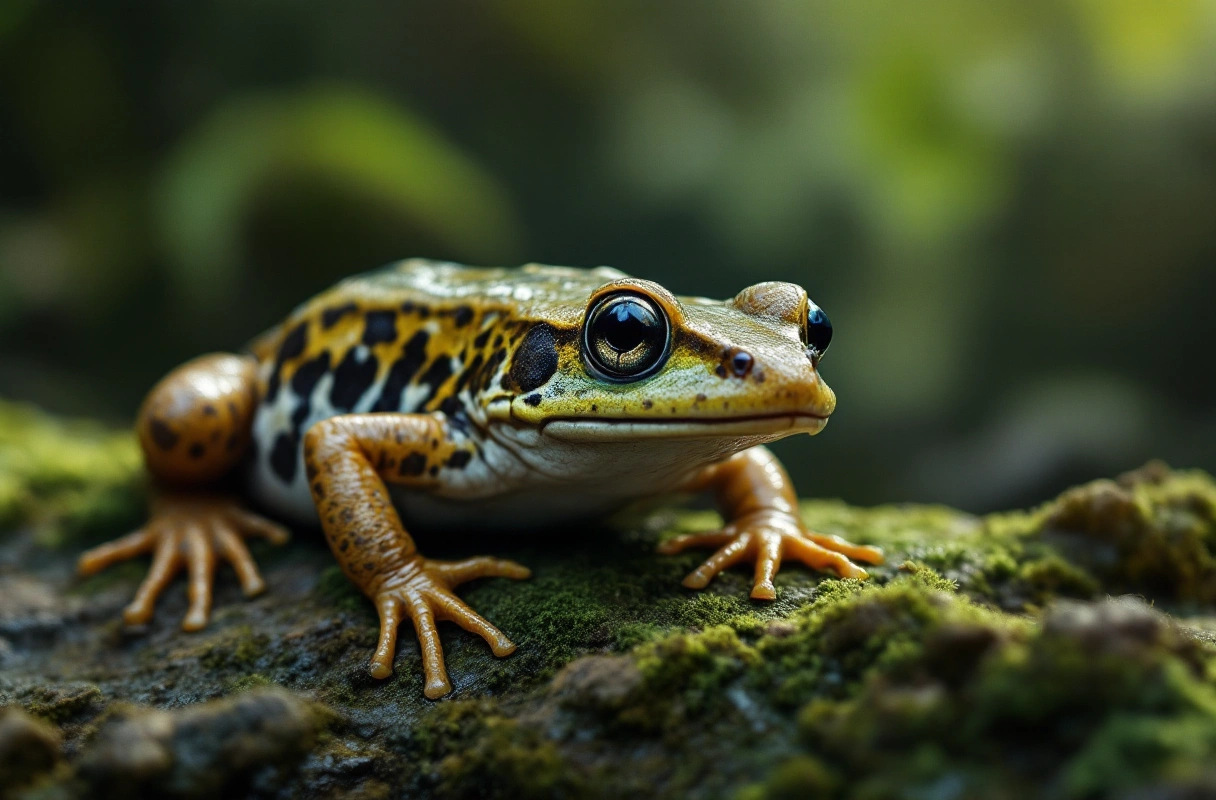
Understanding which amphibians are facing the greatest threats is crucial for effective conservation efforts. The following are some of the top endangered amphibian species that require urgent attention:
The Golden Toad, once abundant in its native habitat of Monteverde Cloud Forest in Costa Rica, is now considered extinct. The species was last seen in 1989, and its decline is attributed to climate change and habitat destruction.
Native to Mexico, the Axolotl is critically endangered due to habitat loss and pollution. This unique amphibian is known for its ability to regenerate limbs and is a subject of scientific research.
This species is facing significant threats from habitat loss and fragmentation. The Eastern Tiger Salamander is listed as threatened in several U.S. states, primarily due to urbanization and agricultural expansion.
Found in southeastern Australia, the Spotted Tree Frog is critically endangered. Its population has been declining due to habitat destruction, invasive species, and disease, particularly chytridiomycosis.
This vibrantly colored amphibian is native to the tropical forests of Central America and is threatened by deforestation and the illegal pet trade. Conservation efforts are critical to preserving its habitat.
The Harlequin Toad, once common in Central America, is now facing severe population declines due to habitat destruction and disease. Conservationists are working to protect its remaining habitats.
This frog is the largest native frog in the western United States and is listed as threatened. Its population decline is primarily due to habitat loss, invasive species, and disease.
Native to Tanzania, this toad is critically endangered and was believed extinct until a captive breeding program was initiated. Its decline was primarily due to habitat loss from dam construction.
This toad is critically endangered due to habitat loss and invasive species. Conservation efforts include habitat restoration and breeding programs to increase its population.
The Goliath Frog, the largest frog species in the world, is facing threats from habitat destruction and hunting. Conservation efforts are crucial to protect its remaining populations.
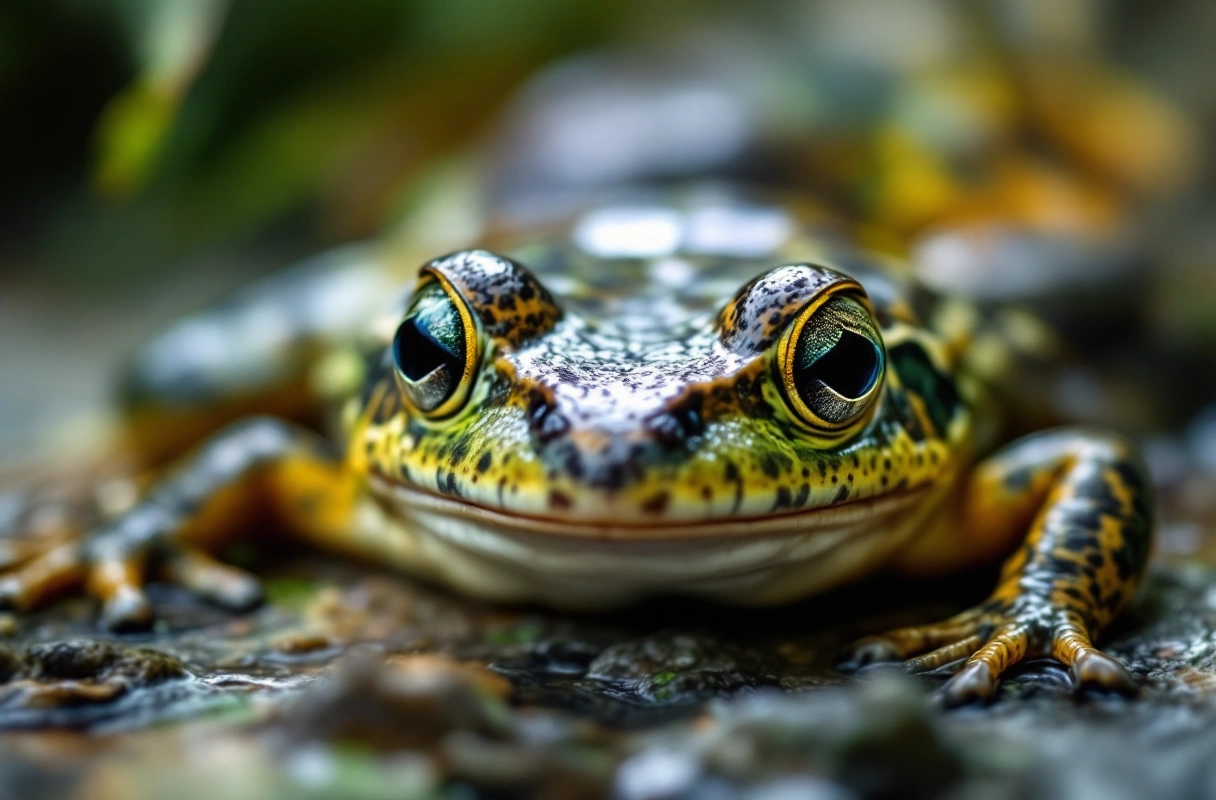
Supporting amphibian conservation is essential for their survival and the health of ecosystems. Here are ten effective conservation efforts you can engage with to help protect these vulnerable species:
Preserving natural habitats is fundamental for amphibian survival. Supporting organizations that focus on habitat restoration and protection can make a significant impact. This includes efforts to protect wetlands, forests, and other critical ecosystems where amphibians thrive.
Invasive species often outcompete native amphibians for resources. Supporting initiatives that focus on controlling or eradicating invasive species can help restore balance to ecosystems and protect native amphibian populations.
Chytridiomycosis, caused by the chytrid fungus, has devastated amphibian populations worldwide. Supporting research aimed at understanding and managing this disease is crucial for the survival of many species.
Educating local communities about the importance of amphibians and their ecosystems can foster conservation efforts. Programs that involve community participation in conservation activities often yield better results.
Captive breeding programs have been successful in preventing extinction for several amphibian species. Supporting zoos and conservation organizations that engage in these efforts can help bolster endangered populations.
Promoting sustainable agricultural and land-use practices can significantly reduce habitat destruction. Supporting businesses and initiatives that prioritize sustainability can help protect amphibian habitats.
Advocating for stronger environmental protections and legislation that supports amphibian conservation is vital. Engaging in campaigns to protect endangered species can lead to meaningful policy changes.
Participating in citizen science projects that monitor amphibian populations can provide valuable data for researchers. These projects often require volunteers to collect data on local amphibian species, contributing to broader conservation efforts.
Donating to or volunteering with organizations focused on amphibian conservation can amplify your impact. Many organizations work tirelessly to protect endangered species through various initiatives.
Educating others about the importance of responsible pet ownership, particularly regarding amphibians, can reduce the demand for illegal wildlife trade. Encouraging potential pet owners to adopt rather than buy can help protect wild populations.
Despite their ecological significance, several misconceptions about amphibians persist. Addressing these can enhance public understanding and support for their conservation.
Many people underestimate the role of amphibians in ecosystems. They are not only indicators of environmental health but also play crucial roles in pest control and nutrient cycling. Their decline can have cascading effects on entire ecosystems.
While many amphibian species are at risk, the level of endangerment varies widely. Some species are critically endangered, while others may be stable. Understanding these differences can help direct conservation efforts more effectively.
While pollution is a significant threat, habitat destruction, climate change, and disease also play critical roles in the decline of amphibian populations. Addressing multiple threats is essential for comprehensive conservation strategies.
The Banana Slug Club is dedicated to promoting the conservation of amphibians and their habitats. Through education, advocacy, and support for various conservation initiatives, the organization plays a pivotal role in protecting these vulnerable species. By engaging communities and fostering a love for amphibians, the Banana Slug Club helps ensure a future where these creatures can thrive.
The Banana Slug Club provides resources and opportunities for individuals to get involved in amphibian conservation. Whether through educational programs, community events, or advocacy campaigns, there are numerous ways to contribute to the cause. By supporting the Banana Slug Club, you can play a vital role in ensuring the survival of amphibians and the health of our ecosystems.
If you are passionate about preserving amphibians and their habitats, consider becoming involved with the Banana Slug Club. Whether through volunteering, donating, or spreading awareness, every action counts in the fight against amphibian decline. Together, we can make a difference.
Visit Banana Slug Club to learn more about how you can help protect amphibians and support conservation efforts in your community. Your involvement is crucial for fostering a sustainable future for these remarkable creatures and the ecosystems they inhabit.
Get free resources, early access to new features and updates.
No spam. Just fun educational emails!


.svg)
.svg)