Amphibians, often overlooked in discussions about wildlife conservation, play an essential role in our ecosystems. These fascinating creatures, which include frogs, salamanders, and caecilians, are indicators of environmental health due to their sensitivity to changes in habitat quality and climate. Unfortunately, many amphibian species are facing severe threats from habitat destruction, climate change, pollution, and disease, leading to alarming declines in their populations. In this article, we will explore the top endangered amphibians and highlight ten key conservation efforts that you can support to help protect these vital species. Learn all about Amphibians

Amphibians serve crucial ecological roles that are often taken for granted. They are both predators and prey in food webs, helping to control insect populations while providing sustenance for a variety of other animals, including birds, mammals, and reptiles. Their permeable skin makes them excellent bioindicators, as they are sensitive to pollutants and environmental changes, allowing scientists to monitor the health of ecosystems.
Moreover, amphibians contribute to nutrient cycling within their habitats. By consuming insects and other small organisms, they help maintain the balance of their ecosystems, which is vital for the survival of numerous species. The decline or extinction of amphibians can lead to significant disruptions in these delicate systems, emphasizing the need for immediate conservation efforts.
While there are many endangered amphibians worldwide, the following ten species exemplify the critical state of amphibian populations and the urgent need for conservation action.
Once found in the cloud forests of Costa Rica, the Golden Toad is considered extinct. Its disappearance is attributed to climate change, habitat loss, and a fungal disease called chytridiomycosis. The Golden Toad serves as a poignant reminder of the fragility of amphibian populations.
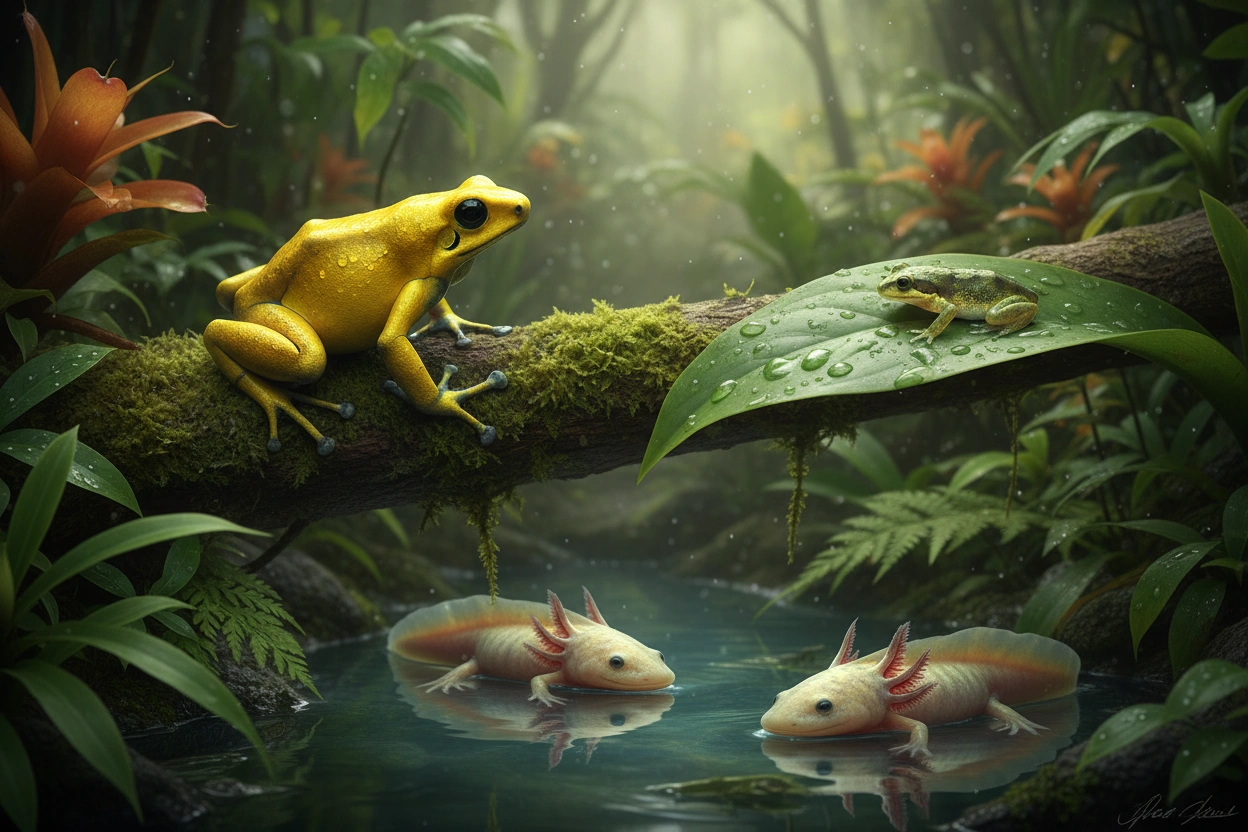
Native to the lakes of Mexico City, the Axolotl is critically endangered due to habitat loss, pollution, and invasive species. This unique amphibian is famous for its regenerative abilities and is often used in scientific research. Conservation efforts focus on habitat restoration and captive breeding programs.
This species, the largest native frog in the western United States, is threatened by habitat destruction and invasive species. Conservation strategies include habitat protection and restoration, as well as public education to reduce human impact on their habitats.
Spotted Salamanders face threats from habitat fragmentation and climate change. These amphibians are crucial for pest control and soil health. Conservation efforts prioritize habitat preservation and the establishment of wildlife corridors to connect fragmented habitats. Spotted Salamanders
Found in the rainforests of Peru, this small but vibrant frog is threatened by habitat destruction and climate change. Conservation strategies include habitat protection and local community engagement in sustainable practices to reduce deforestation. Ranitomeya reticulata (Reticulated Poison Frog)
This species is facing habitat loss due to urban development and agricultural practices. Conservation efforts focus on protecting breeding ponds and promoting awareness about the importance of wetlands in ecosystems.
The International Union for Conservation of Nature (IUCN) reports that approximately 41% of amphibian species are threatened with extinction. This alarming statistic underscores the necessity for immediate conservation action and public engagement. Conservation efforts
Once abundant in Panama, the Panama Golden Frog is now critically endangered due to habitat loss and chytridiomycosis. Conservation efforts include captive breeding programs and habitat restoration initiatives aimed at reintroducing the species into its natural environment.
This species, found in the Amazon Basin, is threatened by habitat destruction and climate change. Conservation strategies include habitat protection and monitoring of populations to understand better their ecological requirements.
The largest frog species in the world, the Goliath Frog is endangered due to overexploitation and habitat loss. Conservation efforts focus on regulating hunting practices and preserving its natural habitat in West Africa.
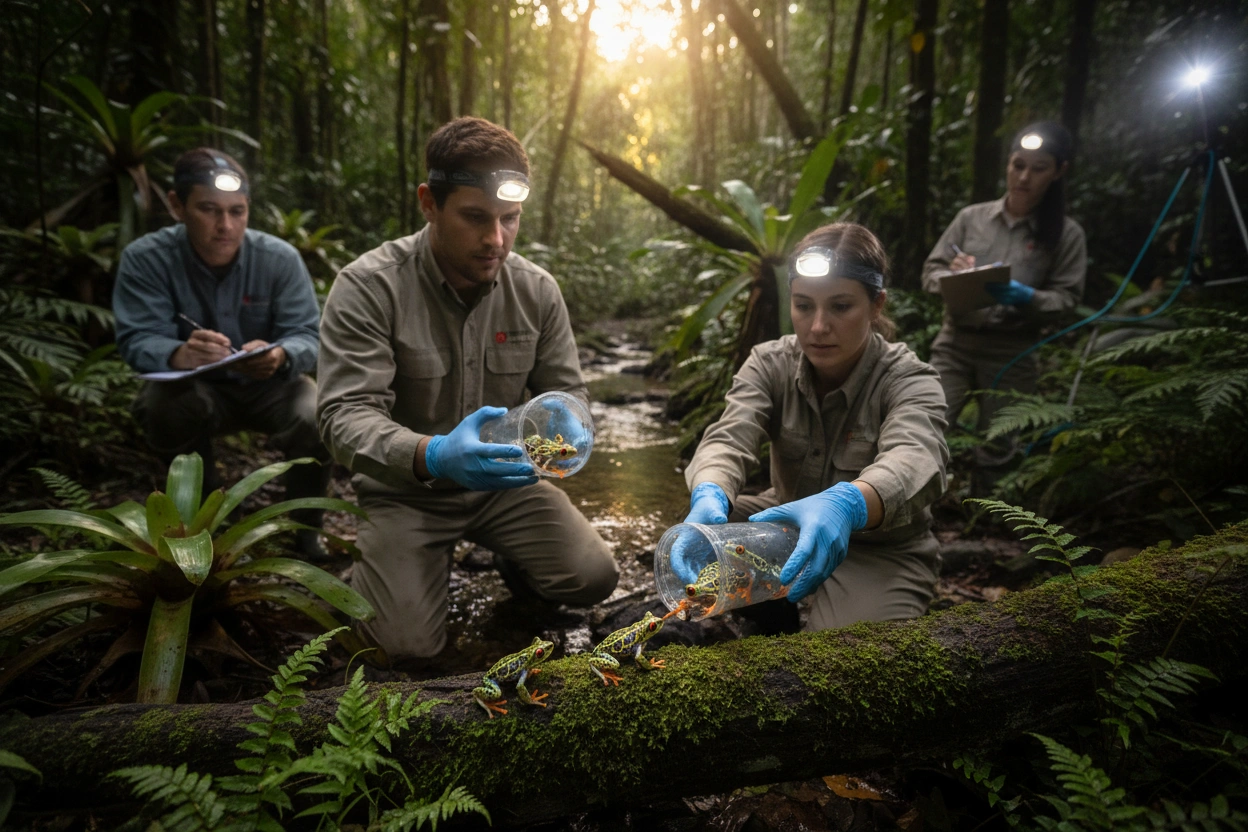
Supporting amphibian conservation is vital for the survival of these remarkable species. Here are ten key efforts that individuals and organizations can engage with to make a difference.
Protecting existing habitats is the most effective way to ensure the survival of endangered amphibians. Support initiatives that aim to conserve wetlands, forests, and other vital ecosystems that amphibians depend on.
Participate in or donate to restoration projects that focus on rehabilitating degraded habitats. This can include reforestation efforts, wetland restoration, and the removal of invasive species that threaten native amphibians.
Promote awareness about the importance of amphibians and the threats they face. Educating communities about the ecological roles of these species can foster a sense of responsibility and encourage conservation efforts at the local level.
Engage in citizen science projects that monitor amphibian populations. By collecting data on local amphibian sightings and health, individuals can contribute valuable information to researchers and conservationists.
Funding and supporting scientific research on amphibians can lead to better conservation strategies. Look for organizations that focus on amphibian biology, ecology, and conservation.
Get involved in advocacy efforts to promote policies that protect amphibian habitats. This can include lobbying for stricter regulations on pollution, land use, and climate change mitigation.
Adopt sustainable practices in daily life to minimize impact on amphibian habitats. This includes reducing pesticide use, conserving water, and supporting sustainable agriculture.
Support organizations that engage in captive breeding programs for endangered amphibians. These programs can help bolster populations and provide a safety net for species at risk of extinction.
Consider volunteering with local conservation organizations that focus on amphibian protection. Many organizations welcome help with fieldwork, education programs, and community outreach.
Financial contributions to reputable conservation organizations can significantly impact amphibian protection efforts. Research and choose organizations that have a proven track record in amphibian conservation.
There are several misconceptions surrounding amphibians and their conservation that can hinder efforts to protect these species. Addressing these myths is essential for effective advocacy and education.
Some people believe that amphibians are not as important as other wildlife. However, as discussed earlier, they play critical roles in ecosystems. Their decline can have cascading effects on food webs and overall ecosystem health.
Many assume that all amphibians have the same needs and threats. In reality, different species have unique requirements and face specific challenges. Tailored conservation strategies are necessary for each species.
The perception that conservation efforts should focus only on charismatic megafauna, such as elephants or tigers, overlooks the critical need to protect smaller species like amphibians. Every species, regardless of size, contributes to biodiversity and ecosystem balance.
The Banana Slug Club is dedicated to promoting awareness and supporting conservation efforts for amphibians and other wildlife. Through community engagement, educational programs, and hands-on conservation projects, the Banana Slug Club provides resources and opportunities for individuals to get involved in protecting amphibians.
By joining the Banana Slug Club, you can become part of a passionate community that values biodiversity and strives to make a difference in the world. The club offers various programs, including workshops, field trips, and volunteer opportunities that allow members to learn more about amphibians and contribute to their conservation.
To support amphibian conservation and make a positive impact, consider the following actions:
By being proactive in your support for amphibians and engaging with organizations like the Banana Slug Club, you can help ensure a future where these incredible creatures continue to thrive in their natural habitats.
In conclusion, amphibians are vital components of our ecosystems, and their decline poses significant risks to biodiversity and environmental health. Understanding the threats they face and actively supporting conservation efforts can make a substantial difference in their survival.
The Banana Slug Club is committed to fostering a community dedicated to amphibian conservation. By participating in its programs and initiatives, you can play an active role in protecting these remarkable creatures.
Join the movement to safeguard amphibians and their habitats. To learn more about how you can contribute, visit the Banana Slug Club and become part of the solution today.
Get free resources, early access to new features and updates.
No spam. Just fun educational emails!


.svg)
.svg)