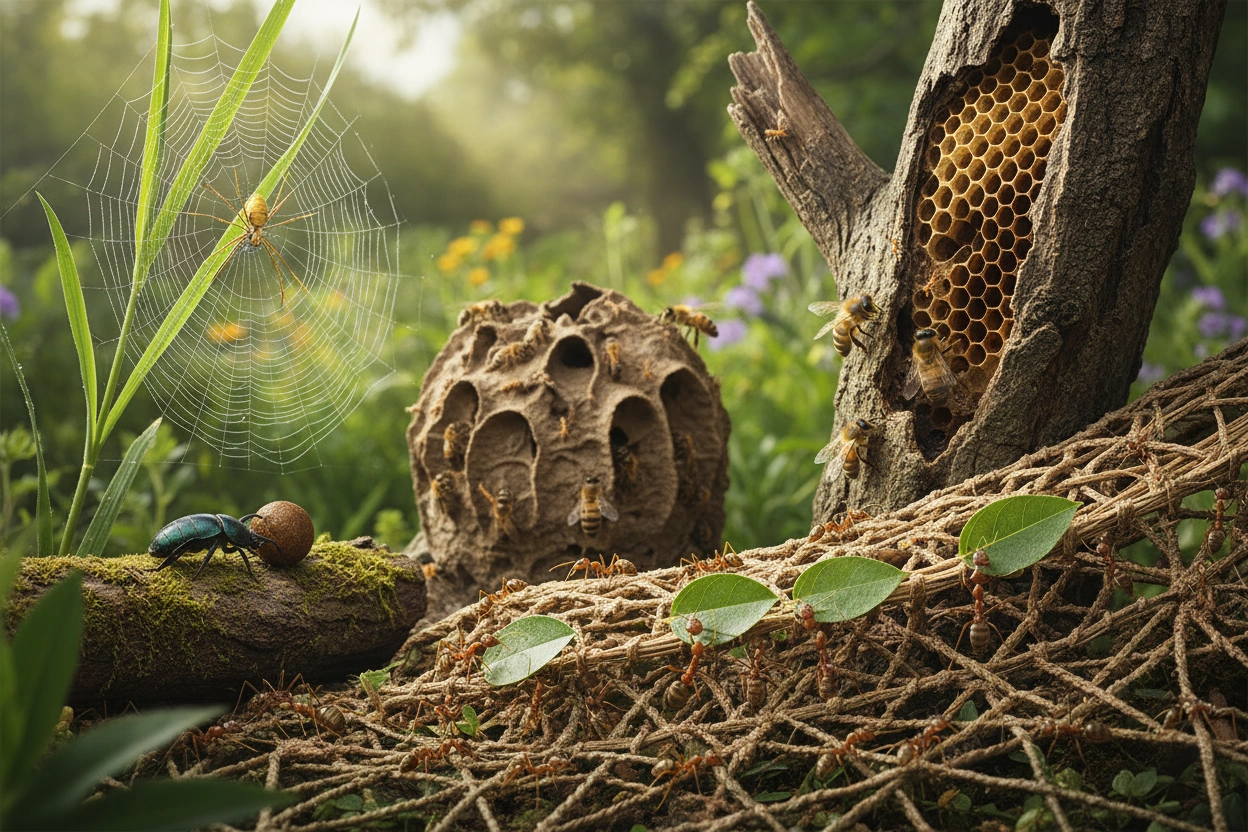
The rich tapestry of African wildlife is one of the continent's most compelling attractions, drawing millions of tourists each year. From the majestic elephants of the savannah to the elusive leopards hiding among the trees, African animals embody a unique blend of beauty and vulnerability. However, many of these species are now facing the threat of extinction due to habitat loss, poaching, and climate change. Understanding these challenges is crucial for anyone interested in wildlife conservation efforts. This article will explore the top endangered African animals, how you can help, and highlight the incredible wildlife you may encounter while climbing Kilimanjaro.
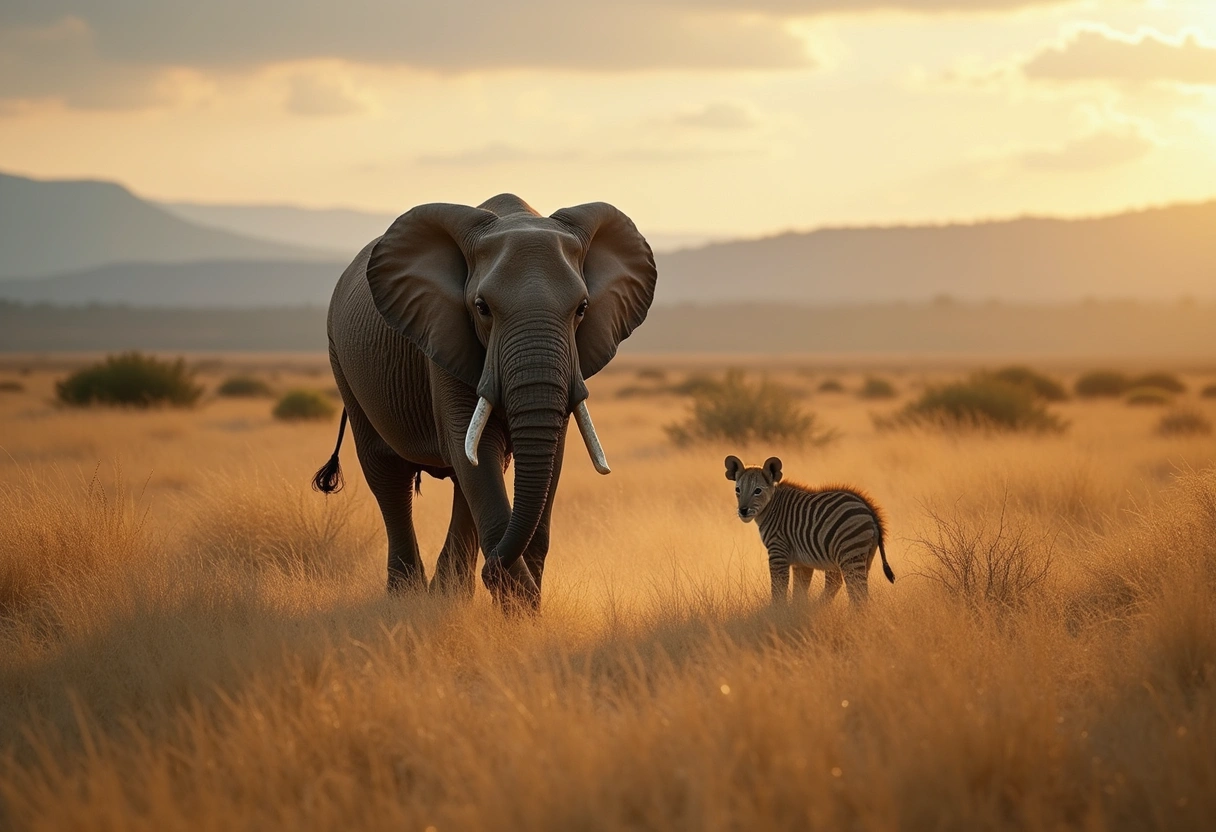
The conservation of African animals is not merely a matter of protecting biodiversity; it has far-reaching implications for ecosystems and human communities alike. African wildlife plays a vital role in maintaining ecological balance. For instance, elephants are known as ecosystem engineers, as they help to create and maintain habitats for other species. Furthermore, many communities rely on wildlife tourism for their livelihoods, making the preservation of these animals essential for economic stability.
Unfortunately, the threats to these majestic creatures are mounting. Poaching for ivory, habitat destruction due to agriculture, and climate change are just a few of the pressing issues. As nature enthusiasts, students, and young explorers, understanding these challenges is the first step towards making a difference.
Climbing Kilimanjaro is not only a physical challenge; it is also an opportunity to witness some of the most remarkable African animals in their natural habitats. Here are the top ten African animals you should look out for during your ascent.
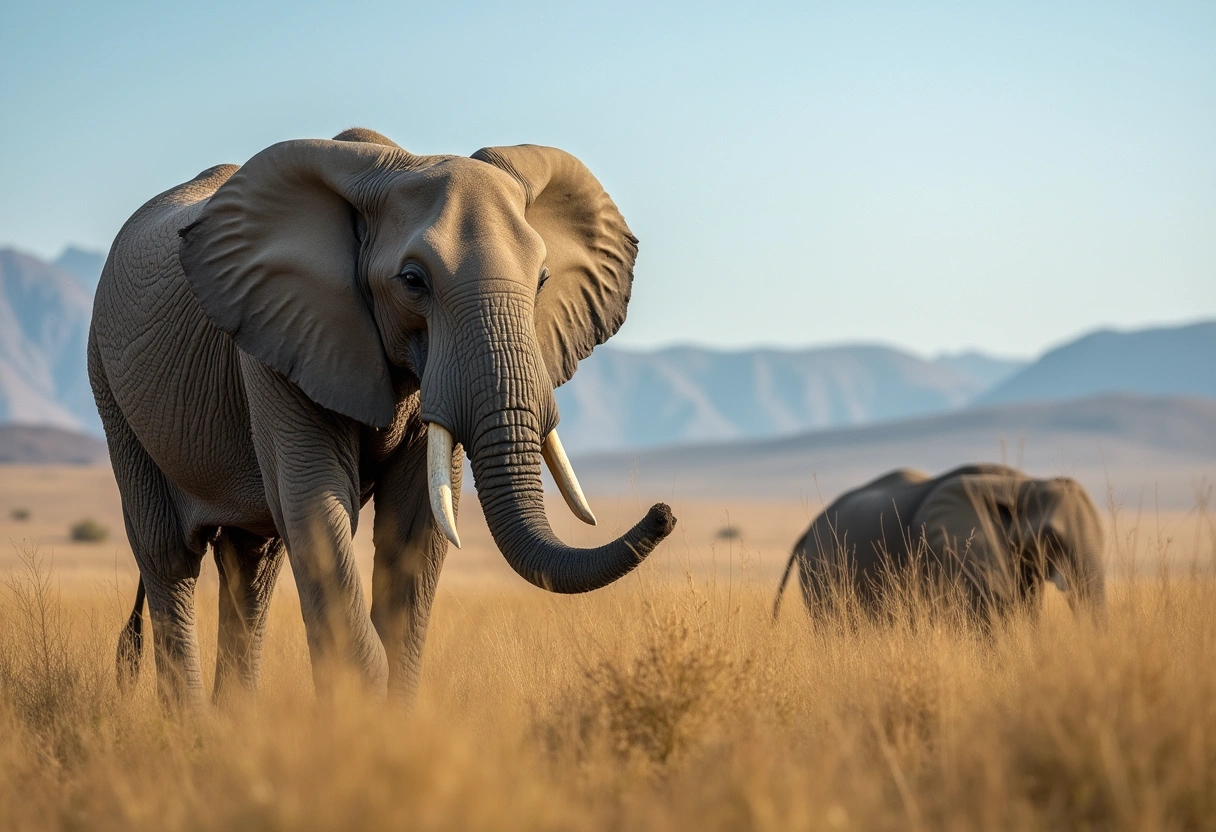
The African elephant is the largest land animal on Earth and a symbol of wildlife conservation efforts. These gentle giants are known for their complex social structures and intelligence. Unfortunately, they face severe threats from poaching and habitat loss. Spotting these magnificent creatures while trekking can be a life-changing experience.
While not directly on Kilimanjaro, mountain gorillas are a short journey away in the nearby Virunga Mountains. These critically endangered primates are known for their gentle nature and strong familial bonds. Conservation efforts have helped stabilize their populations, but they remain threatened by habitat destruction and poaching.
Leopards are elusive and solitary big cats that are often seen resting in trees during the day. Their unique rosette-patterned fur helps them blend into their surroundings. Protecting their habitats is crucial for ensuring their survival in the wild.
Known for their social behavior and cooperative hunting strategies, African wild dogs are one of the most endangered carnivores on the continent. Their populations have dwindled due to habitat fragmentation and human-wildlife conflict. Encountering a pack of these animals is a rare and special experience.
The black rhinoceros is critically endangered, with populations declining due to poaching for their horns. These animals are known for their aggressive nature and unique hooked upper lip, which they use to grasp leaves and branches. Conservation efforts are in place to protect this iconic species.
Grévy's zebra is the largest and rarest species of zebra, characterized by its narrow stripes and large ears. Their populations are threatened by habitat loss and competition with livestock. Conservation programs are working to protect their remaining habitats.
The African lion is a symbol of strength and courage, but their populations are declining rapidly due to habitat loss and human encroachment. They are often seen in prides, showcasing complex social behaviors. Protecting their habitats is essential for their survival.
Cape buffalo are known for their unpredictable behavior and strong herd instincts. While they are not currently endangered, they face threats from habitat loss and disease. Observing these animals in their natural habitat can be a thrilling experience.
Hyenas are often misunderstood and seen as scavengers, but they are skilled hunters and play a crucial role in their ecosystems. Their populations are stable, but they face threats from habitat loss. Spotting these animals can provide insight into their fascinating social structures.
The colobus monkey is known for its striking black and white fur and long tails. These monkeys are arboreal and spend most of their time in trees, making them a delight to observe while trekking. They face threats from habitat destruction and hunting.
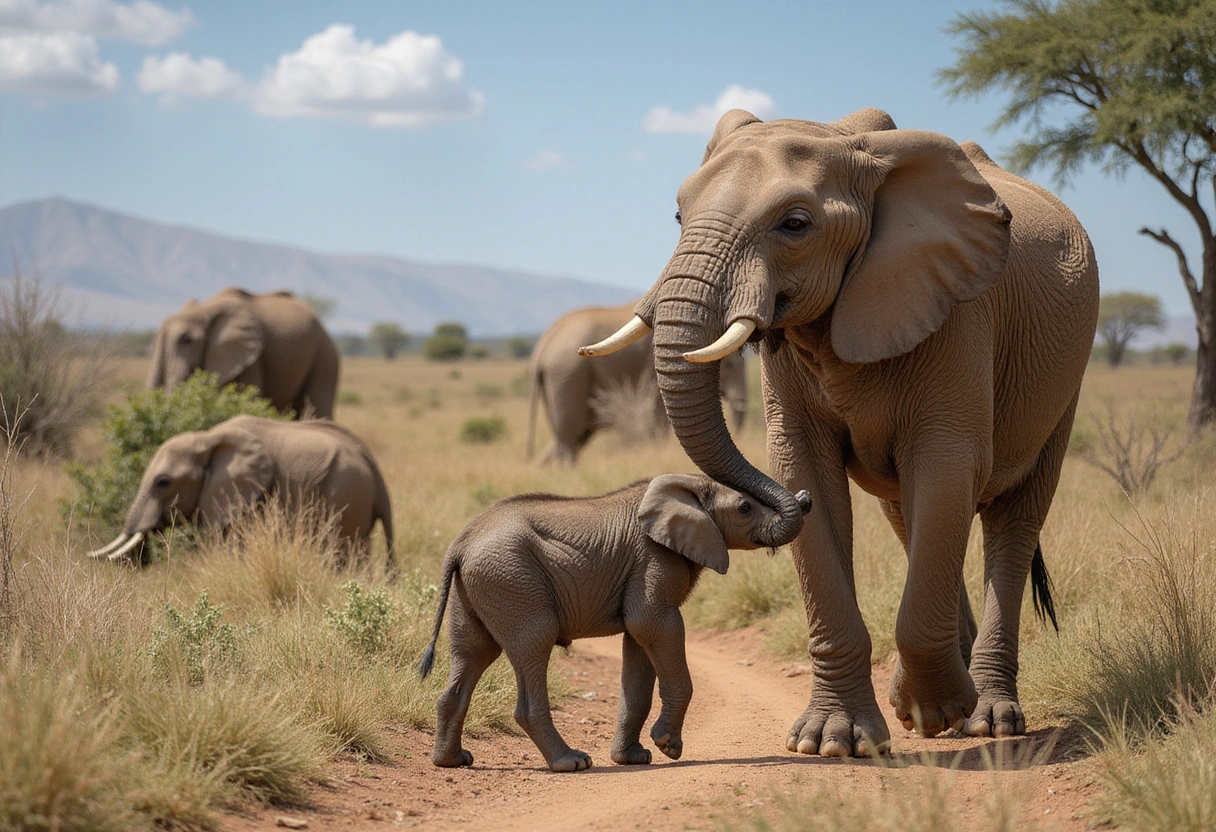
There are numerous ways you can contribute to the conservation of endangered African animals, whether you are a traveler, student, or simply a nature enthusiast. Here are some actionable steps you can take to make a difference.
Many organizations are dedicated to wildlife conservation in Africa. By donating or volunteering your time, you can directly support initiatives aimed at protecting endangered species. Look for reputable organizations that focus on habitat preservation, anti-poaching efforts, and community education.
When visiting Africa, practice responsible tourism. This includes choosing eco-friendly tours and lodges that prioritize conservation efforts. Avoid activities that exploit wildlife, such as elephant rides or photo opportunities with drugged animals.
Share your knowledge about African animals and the importance of conservation with friends, family, and your community. The more people understand the challenges these species face, the more likely they are to support conservation efforts.
Engage in advocacy efforts to support policies that protect wildlife and their habitats. Write to your local representatives about the importance of wildlife conservation and support legislation that aims to combat poaching and habitat destruction.
Climate change poses a significant threat to wildlife habitats. By reducing your carbon footprint, you can help mitigate some of these impacts. Consider making lifestyle changes such as using public transport, reducing energy consumption, and supporting renewable energy initiatives.
Understanding the truth behind common misconceptions can empower individuals to take meaningful action in wildlife conservation. Here are a few prevalent myths and the realities behind them.
Reality: While biologists and scientists play a crucial role in conservation, anyone can contribute. Whether through volunteering, advocacy, or responsible tourism, every individual can make a difference.
Reality: While many species are threatened, not all African animals are endangered. Some populations are stable or recovering due to effective conservation strategies. It's essential to understand the specific threats facing each species.
Reality: Wildlife conservation is critical not only for biodiversity but also for human well-being. Healthy ecosystems provide clean air, water, and resources essential for survival. Supporting conservation efforts is vital for a sustainable future.
As you explore the beauty of African animals, it's essential to recognize the interconnectedness of these species and the ecosystems they inhabit. Initiatives like those promoted by the Banana Slug Club emphasize the importance of education, awareness, and action in wildlife conservation. The club offers resources and programs tailored to nature enthusiasts, students, and children eager to learn more about the natural world.
Through engaging educational materials and activities, Banana Slug Club helps foster a deeper understanding of the challenges facing endangered African animals. By encouraging young explorers to participate in conservation efforts, the club plays a vital role in shaping the next generation of environmental stewards.
In conclusion, the plight of endangered African animals is a call to action for all of us. Whether you are climbing Kilimanjaro or advocating for policy changes, your efforts can contribute to the preservation of these remarkable species. To learn more about African animals and how you can get involved in conservation efforts, visit the Banana Slug Club's website or contact us directly. Together, we can make a difference in protecting the incredible wildlife that enriches our planet.
Get free resources, early access to new features and updates.
No spam. Just fun educational emails!


.svg)
.svg)