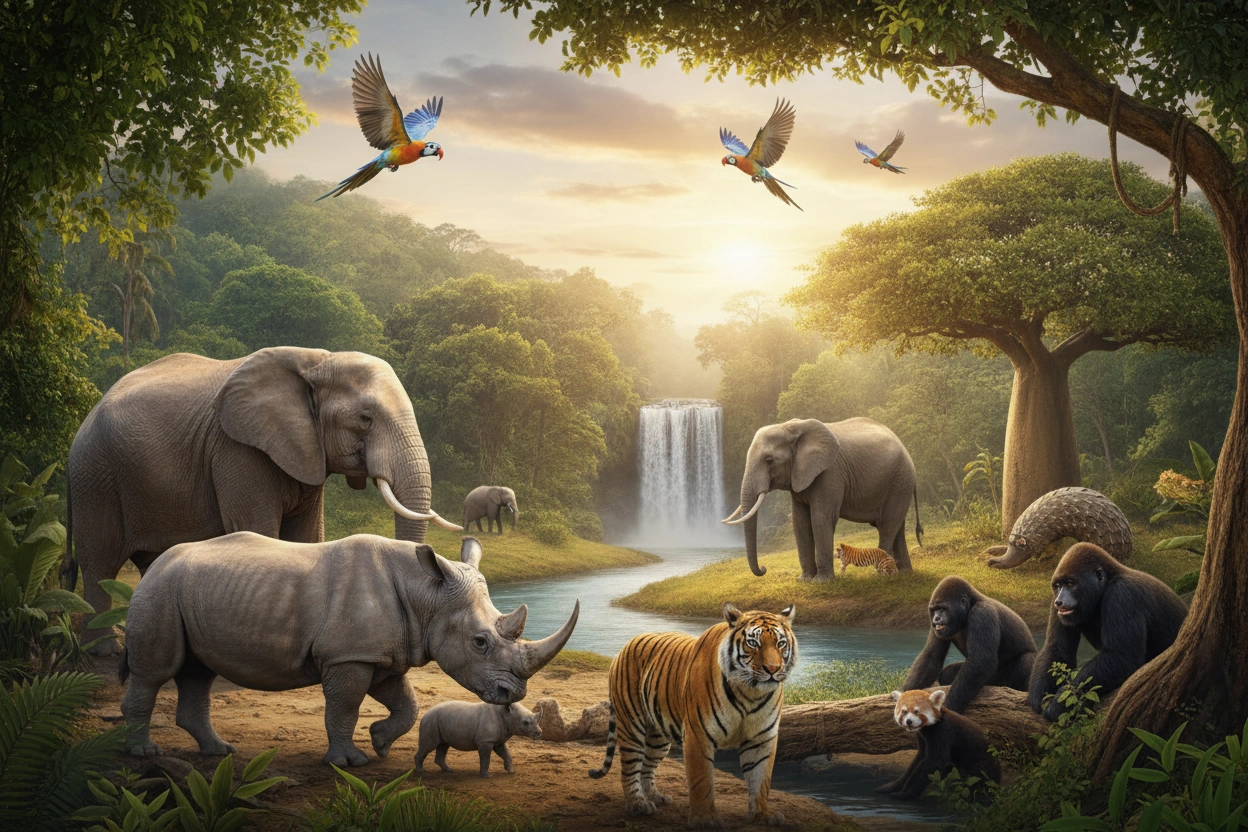
Sustainable aquaculture is gaining momentum as the global demand for seafood continues to rise. Crustaceans, which include species such as shrimp, crabs, and lobsters, play a significant role in this industry due to their high market value and nutritional benefits. With the increasing concerns surrounding overfishing, habitat destruction, and environmental degradation, aquaculture practices must evolve to ensure long-term viability. This article will explore the top strategies for cultivating crustaceans sustainably, providing insights into best practices, innovative techniques, and critical considerations for aquaculturists.
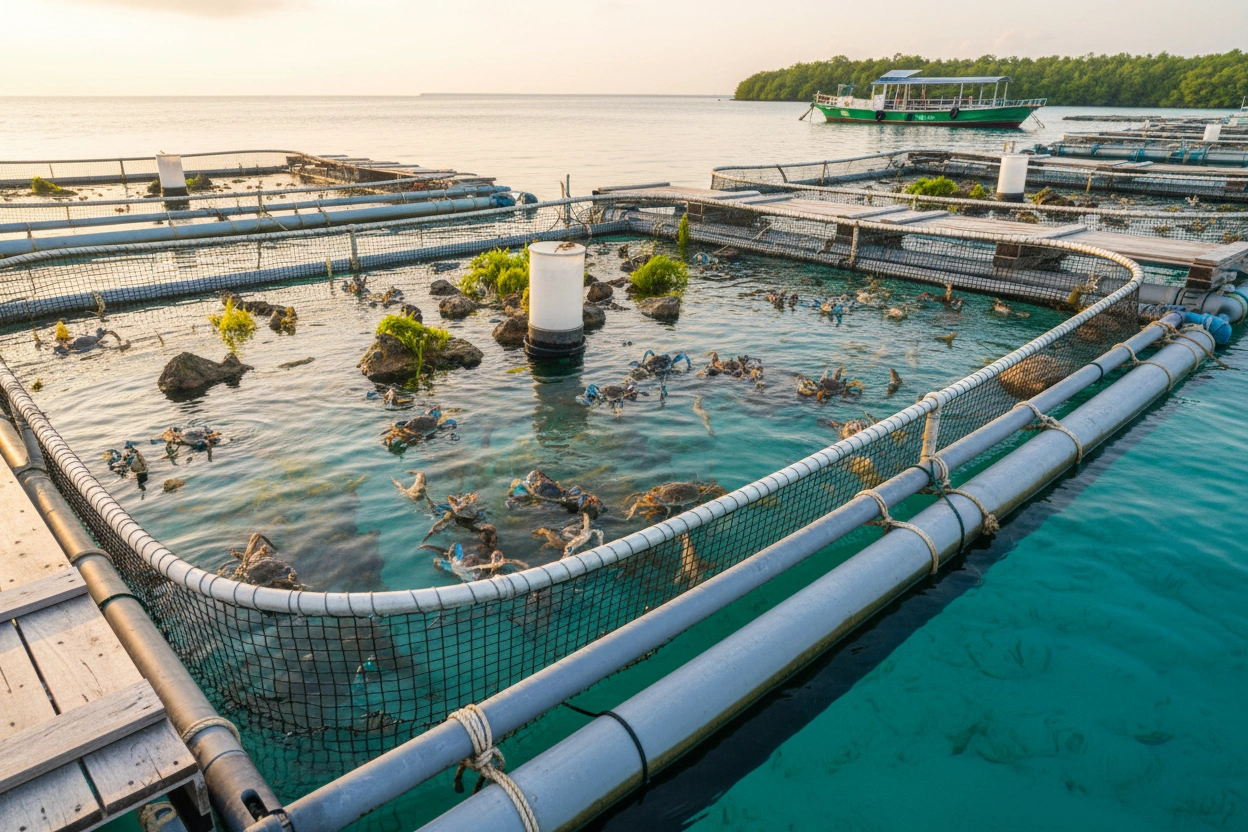
Sustainable aquaculture refers to farming aquatic organisms in a manner that minimizes environmental impact, maintains biodiversity, and ensures economic viability. This approach is essential for crustaceans due to their complex life cycles and specific habitat requirements. Key aspects of sustainable aquaculture include responsible sourcing of feed, efficient water management, and habitat conservation.
The necessity for sustainable practices in crustacean aquaculture cannot be overstated. Overfishing has led to the depletion of many wild crustacean populations, threatening their survival and disrupting marine ecosystems. Sustainable aquaculture aims to alleviate pressure on wild stocks while providing a reliable source of seafood. This balance is crucial not only for economic stability but also for preserving marine biodiversity. fun animal facts.

To achieve success in sustainable crustacean aquaculture, practitioners must adopt effective strategies tailored to their specific species and environments. Here are the top strategies to consider:
Selective breeding plays a critical role in enhancing the genetic traits of crustaceans, leading to improved growth rates, disease resistance, and overall health. Implementing robust stock management practices ensures that only the best-performing individuals are used for breeding.
Feed is one of the most significant costs in crustacean aquaculture, and sourcing it sustainably is essential. Utilizing alternative feed ingredients such as plant-based proteins, insect meal, or by-products from other food industries can reduce reliance on fishmeal and promote sustainability.
Effective water management is vital for the health of crustacean stocks and the surrounding ecosystem. Implementing recirculating aquaculture systems (RAS) or integrated multi-trophic aquaculture (IMTA) can significantly reduce water usage and improve overall sustainability.
Protecting and restoring natural habitats is crucial for the sustainability of crustaceans. Mangroves, wetlands, and estuaries provide essential breeding and nursery grounds for many crustacean species. Aquaculture operations should prioritize habitat conservation efforts to support biodiversity. importance of sustainable practices in crustacean aquaculture.
Engaging local communities in sustainable aquaculture practices fosters a sense of ownership and responsibility. Providing education and resources can empower communities to adopt sustainable methods and contribute to the overall success of aquaculture initiatives.
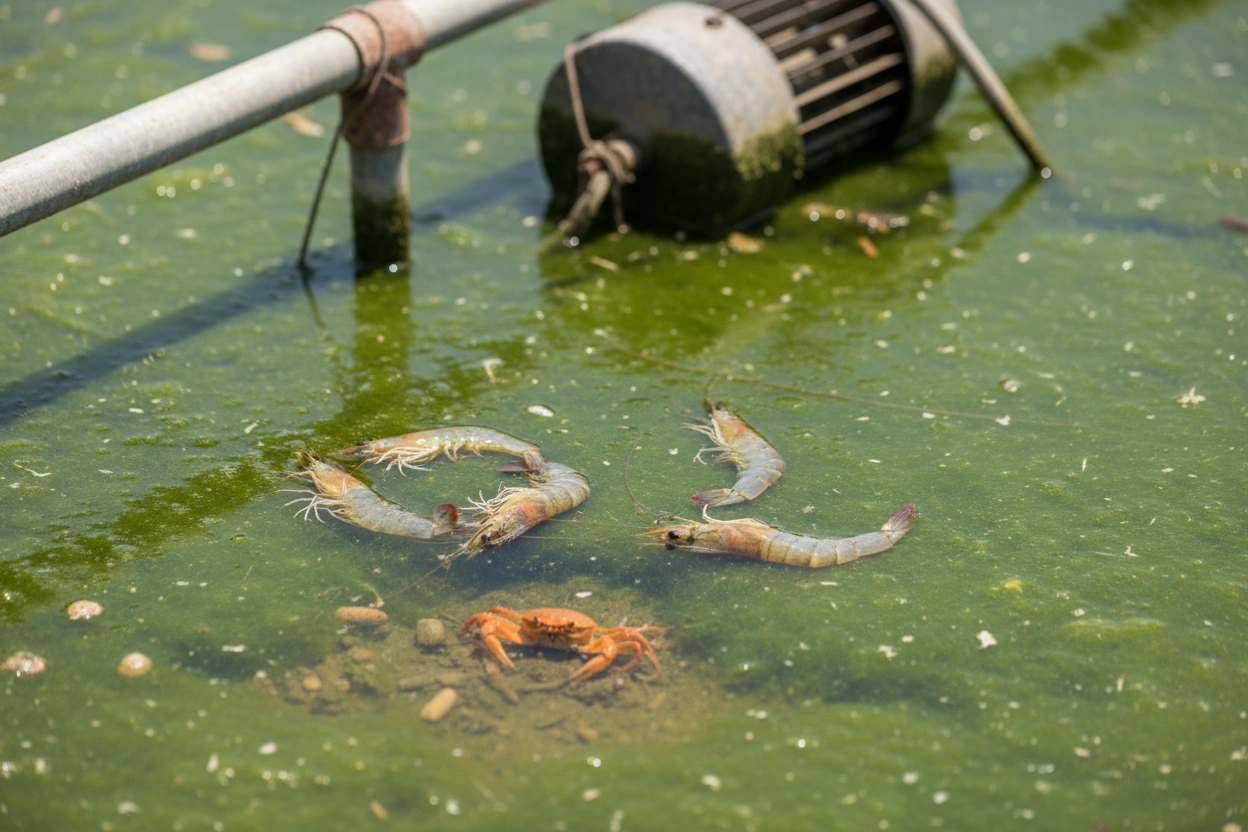
Despite the best intentions, aquaculturists often make mistakes that can hinder sustainability efforts. Recognizing and addressing these common pitfalls can enhance the success of crustacean farming.
Using wild-caught seed stock can lead to overfishing and disrupt local ecosystems. It is crucial to develop hatchery-based seed production to ensure sustainable sourcing.
Failing to assess the environmental impact of aquaculture operations can lead to habitat destruction and pollution. Regular environmental assessments and monitoring can help mitigate these risks.
Disease outbreaks can devastate crustacean populations. Implementing biosecurity measures and maintaining optimal water quality are essential for preventing diseases.
Advancements in technology are transforming the aquaculture industry, enabling more efficient and sustainable practices. Utilizing data analytics, automation, and smart farming techniques can significantly improve crustacean farming operations.
As the demand for sustainable seafood continues to rise, several trends are shaping the future of crustacean aquaculture. Being aware of these trends can help aquaculturists stay ahead in an evolving industry.
Consumers are becoming more conscious of the origins of their food, leading to a growing demand for traceability in aquaculture. Implementing transparent supply chains and certification programs will be crucial for meeting consumer expectations.
The adoption of circular economy principles in aquaculture can enhance sustainability. This includes minimizing waste, recycling nutrients, and finding innovative uses for by-products.
As traditional crustacean species face overfishing pressures, there is a growing interest in farming alternative species that may offer similar culinary uses. Exploring diverse species can help reduce reliance on overexploited stocks.
The success of sustainable crustacean aquaculture lies at the intersection of effective practices and community involvement. By fostering collaboration and prioritizing education, aquaculturists can create a more resilient and sustainable industry.
As we move forward, it is essential for aquaculturists to implement the strategies outlined in this article. Embracing sustainable practices not only benefits crustacean populations but also supports local communities and ecosystems. sustainable future for crustaceans.
Banana Slug Club is dedicated to promoting sustainable practices in aquaculture. We provide resources, training, and support to help you implement these strategies effectively. If you are interested in learning more about sustainable crustacean farming and how to apply these insights, contact Banana Slug Club for guidance and support. Together, we can contribute to a more sustainable future for crustaceans and our oceans.
Get free resources, early access to new features and updates.
No spam. Just fun educational emails!


.svg)
.svg)