The world of crustaceans, which includes species such as shrimp, crabs, and lobsters, is not only significant for culinary delights but also plays a critical role in marine ecosystems. As the demand for these delicacies grows, so does the need for sustainable practices in their harvesting and farming. Maximizing sustainability in crustacean production is essential for preserving marine biodiversity and ensuring that future generations can enjoy these resources. In this article, we will explore effective strategies to achieve sustainability in crustacean practices, providing a comprehensive guide that can be applied by both consumers and industry stakeholders.
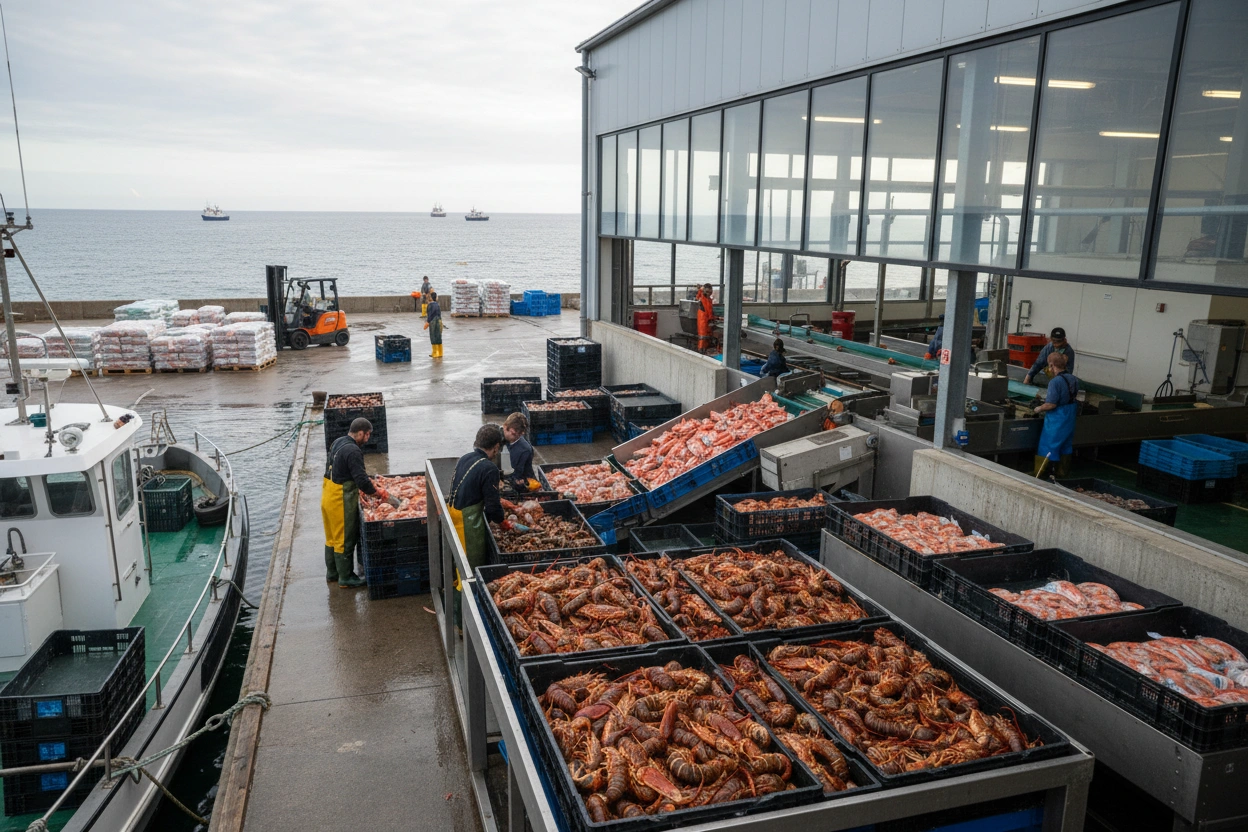
The crustacean industry has evolved significantly over the years, with aquaculture becoming a dominant force in meeting global demand. In 2025, aquaculture accounted for over 50% of the world's crustacean production, according to the Food and Agriculture Organization. This shift has raised concerns about overfishing, habitat destruction, and the ecological impact of farming practices. Understanding these dynamics is crucial for implementing effective sustainability strategies.
Sustainable practices in the crustacean industry aim to balance economic viability with environmental stewardship. Unsustainable practices can lead to significant ecological damage, including the depletion of wild populations and the destruction of critical habitats such as mangroves and wetlands. By adopting sustainable strategies, stakeholders can mitigate these impacts, enhance the resilience of marine ecosystems, and secure their livelihoods in the long term.
Several misconceptions hinder the advancement of sustainability in the crustacean industry. One prevalent myth is that all farmed crustaceans are inherently unsustainable. While some practices may be harmful, many aquaculture operations are adopting responsible methods that prioritize environmental health. Additionally, there is a common belief that wild-caught crustaceans are always better for the environment. However, irresponsible fishing practices can lead to overfishing and habitat destruction, making it essential to evaluate the sourcing of all crustaceans critically.
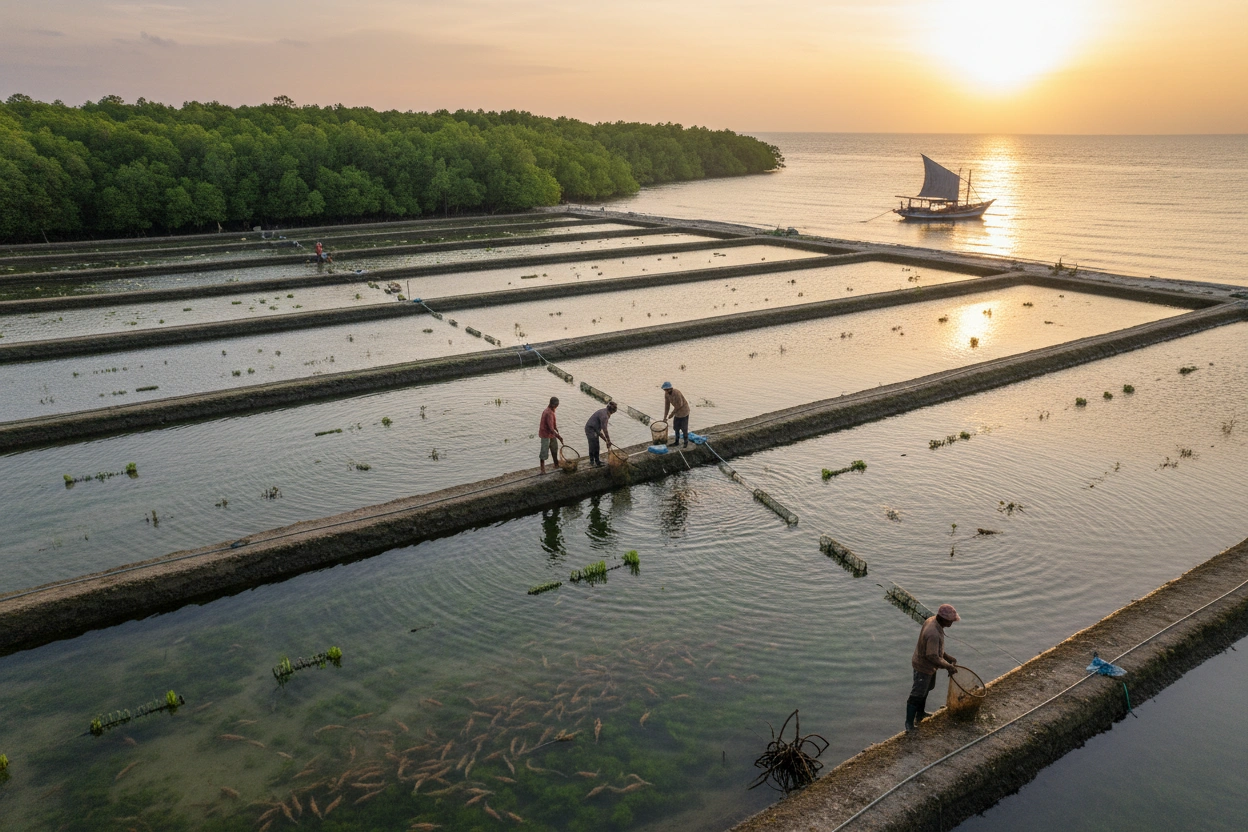
To promote sustainability effectively, a multi-faceted approach is necessary. Here are the top strategies that can be implemented across the crustacean industry:
Sourcing crustaceans from certified sustainable fisheries and farms is crucial. Certifications such as the Marine Stewardship Council (MSC) and the Aquaculture Stewardship Council (ASC) ensure that products meet rigorous sustainability standards.
Aquaculture can be a sustainable alternative to wild capture if managed correctly. Here are key practices for enhancing aquaculture sustainability:
Engaging local communities in sustainable practices is essential for long-term success. Here are strategies to foster community involvement:
Investing in research and innovation can lead to better sustainability practices. Here are areas of focus:
Advocacy for stronger policies and regulations can drive sustainability in the crustacean industry. Here are key actions to consider:
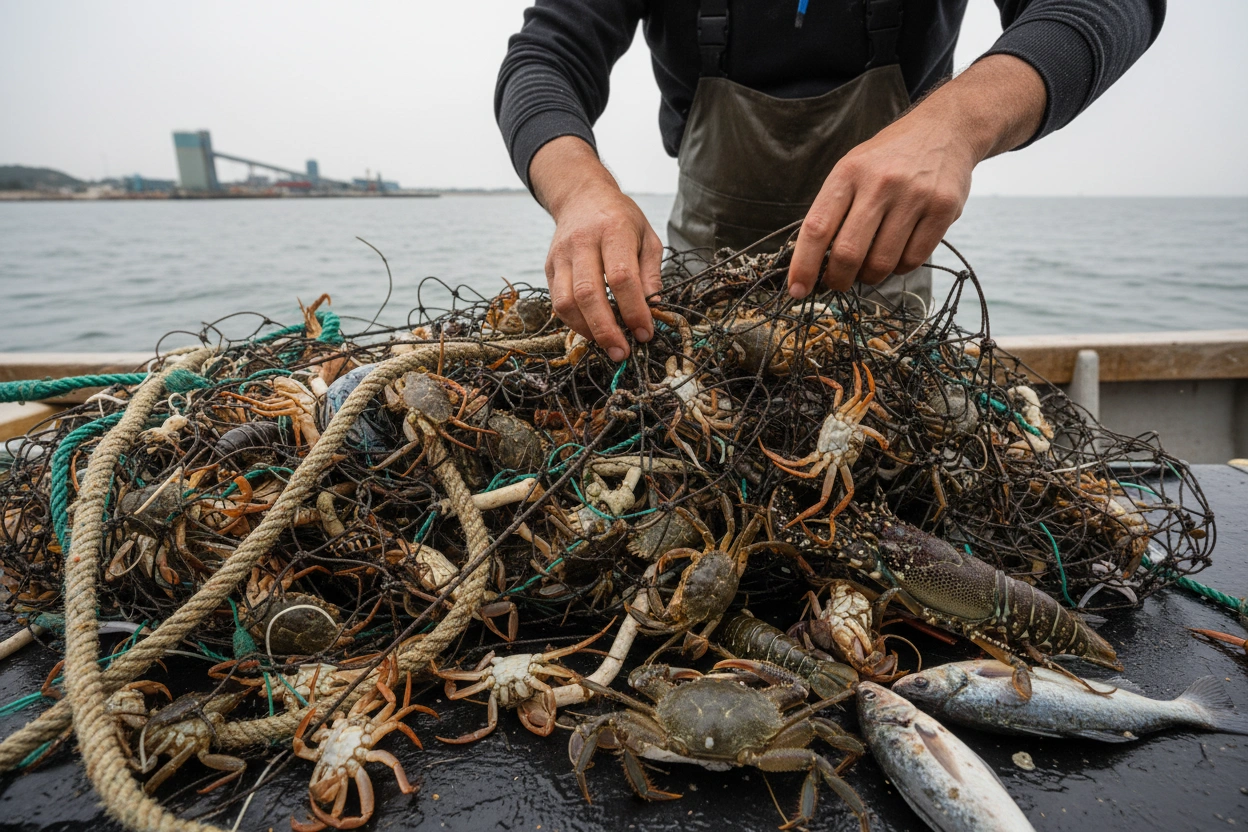
While striving for sustainability, it is essential to avoid common pitfalls that can undermine efforts. Here are some mistakes to watch out for:
Technology plays a pivotal role in enhancing sustainability within the crustacean industry. Modern advancements can optimize production, minimize waste, and reduce environmental impact. Here are some key technological innovations:
Utilizing automation in aquaculture can enhance efficiency and reduce labor costs. Monitoring systems equipped with sensors can provide real-time data on water quality, feeding patterns, and health indicators of crustaceans.
Biotechnological advancements in genetics allow for the breeding of crustaceans with desirable traits, such as disease resistance and faster growth rates, which can improve sustainability by reducing mortality rates and resource use.
The use of big data and analytics can inform better decision-making in both wild fisheries and aquaculture. By analyzing patterns and trends, stakeholders can adapt their practices to enhance sustainability.
Community engagement is a cornerstone of sustainable practices in the crustacean industry. Local communities often have valuable knowledge and a vested interest in preserving their marine resources. Here are ways to foster this engagement:
Encouraging collaborative management between local fishermen and regulatory bodies can lead to more effective and sustainable practices. This approach can help align economic interests with conservation goals.
Implementing educational programs that highlight the importance of sustainable practices can empower communities. Workshops, seminars, and hands-on training can enhance awareness and skills among local fishermen.
Promoting locally sourced crustaceans can bolster community economies while reducing the carbon footprint associated with transportation. Supporting local fisheries can also encourage responsible practices and enhance community investment in sustainability.
As consumers, making informed choices can significantly impact the sustainability of the crustacean industry. Here are key considerations for selecting sustainable seafood:
The journey toward sustainability in the crustacean industry is ongoing and requires collective effort from all stakeholders, including consumers, industry players, and policymakers. By adopting responsible sourcing, enhancing aquaculture practices, and engaging communities, we can ensure the long-term viability of crustaceans while protecting our marine ecosystems.
The strategies outlined in this article provide a framework for maximizing sustainability in the crustacean industry. As we continue to explore effective practices and innovations, the role of organizations like the Banana Slug Club becomes increasingly vital. By fostering awareness and promoting sustainable practices, the Banana Slug Club can support efforts to protect marine ecosystems and ensure the responsible harvesting of crustaceans.
For those eager to dive deeper into sustainable practices and learn more about how they can contribute, we invite you to engage with the Banana Slug Club. Together, we can make a meaningful impact on the sustainability of crustaceans and the health of our oceans.
Visit Banana Slug Club to explore resources, get involved, and learn how you can contribute to a sustainable future in the crustacean industry.
Get free resources, early access to new features and updates.
No spam. Just fun educational emails!


.svg)
.svg)