The plight of endangered animals has reached alarming levels, with numerous species facing extinction due to habitat loss, climate change, poaching, and other human activities. Conservation efforts are more critical than ever in combating these challenges and ensuring the survival of these magnificent creatures. As of 2026, various organizations and initiatives have emerged, each making significant strides in protecting endangered species and their habitats. This article delves into the top conservation efforts that are making a tangible difference for endangered animals, while also spotlighting ten of the most critically endangered species you need to know about.
Endangered animals are species that are at risk of extinction in the near future. The International Union for Conservation of Nature (IUCN) categorizes these species based on various factors, including population size, habitat range, and threats faced. The categories include:
Recognizing the importance of these classifications is vital for effective conservation strategies. Protecting endangered animals not only preserves biodiversity but also maintains ecosystem balance, which is crucial for human survival.
Conservation efforts encompass a wide range of activities aimed at preserving endangered species and their habitats. These initiatives can be categorized into several key areas:
These efforts are essential for creating a sustainable environment where endangered animals can thrive.
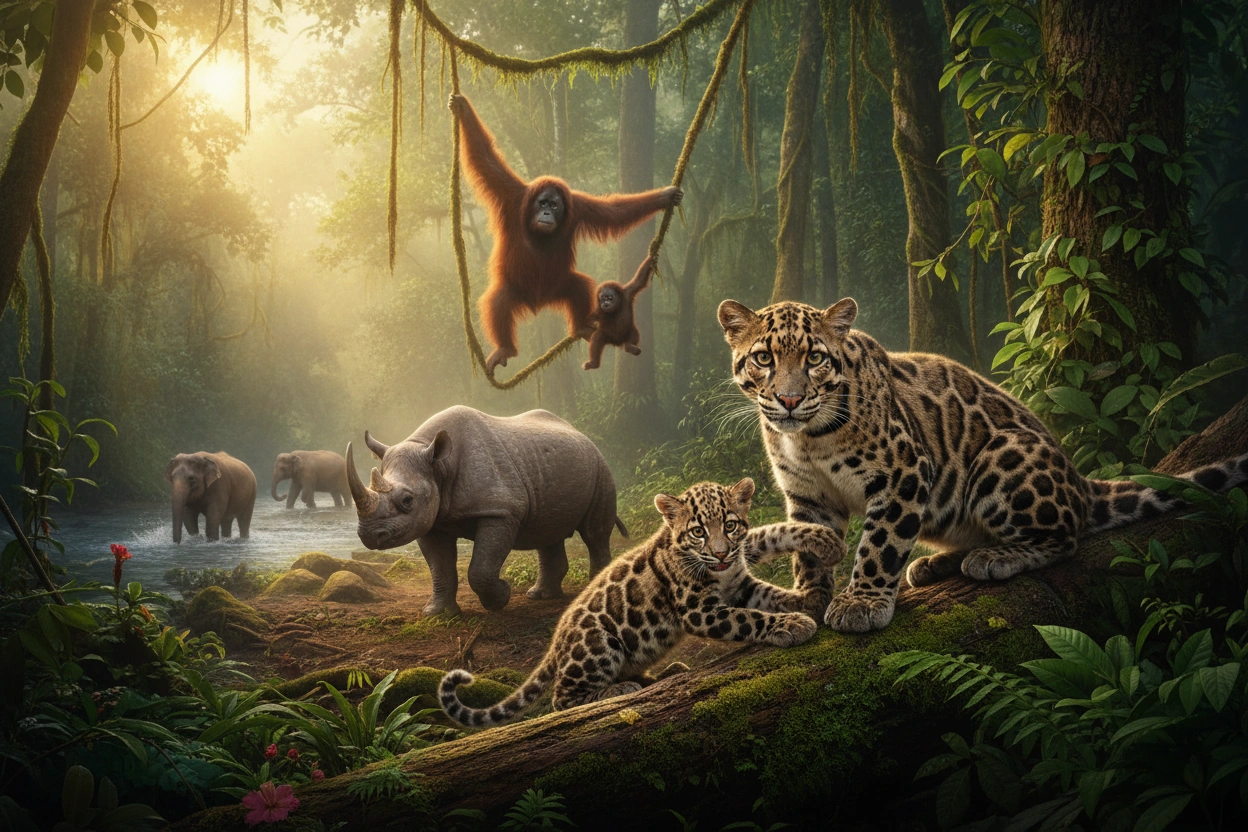
Understanding the most endangered species is crucial for prioritizing conservation efforts. Here are ten critically endangered animals that highlight the urgent need for action:
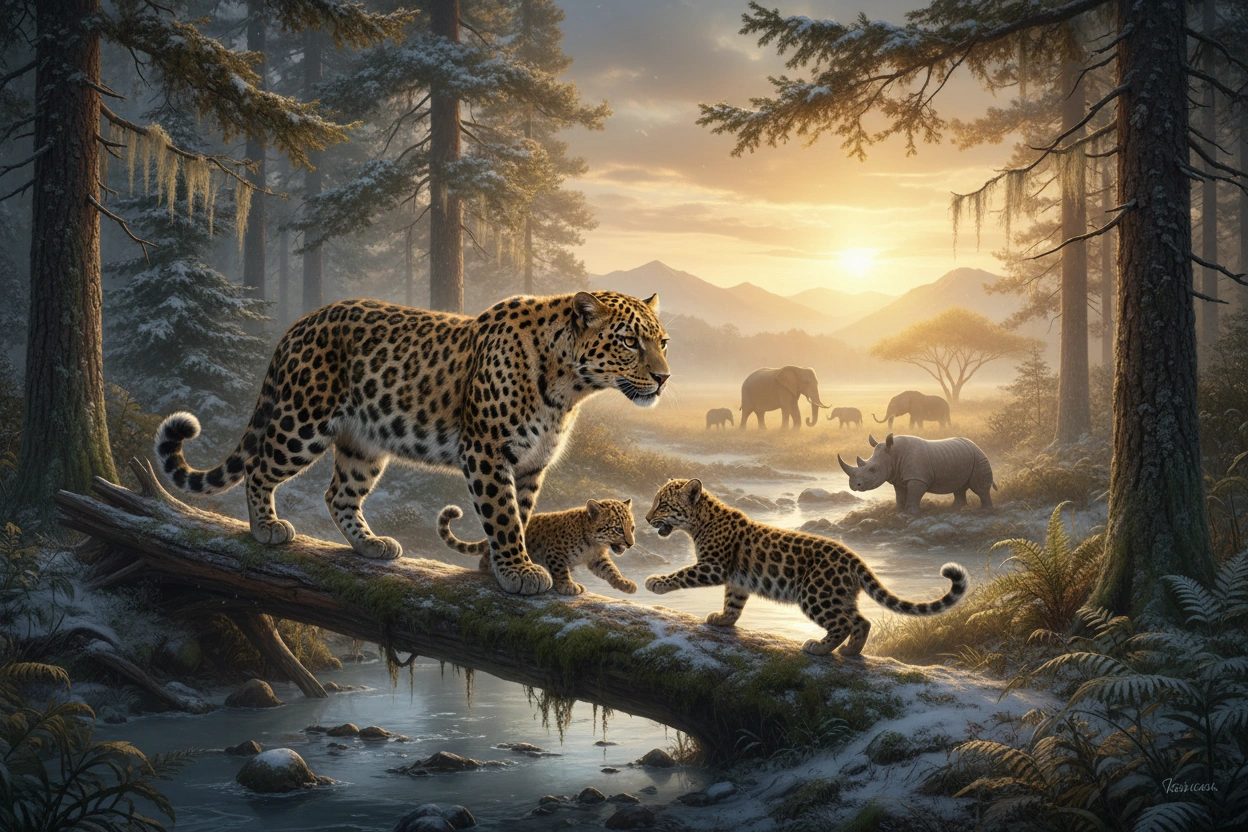
The Amur leopard is one of the rarest big cats in the world, with an estimated population of fewer than 100 individuals left in the wild. Habitat destruction, poaching, and prey depletion are the primary threats to its survival. Conservation efforts include anti-poaching initiatives and habitat protection in Russia and China.
The vaquita, a small porpoise native to the Gulf of California, is critically endangered, with only around 30 individuals remaining. The primary threat is illegal fishing practices that entangle and drown these marine mammals. Conservation efforts focus on enforcing fishing bans and promoting sustainable fishing practices.
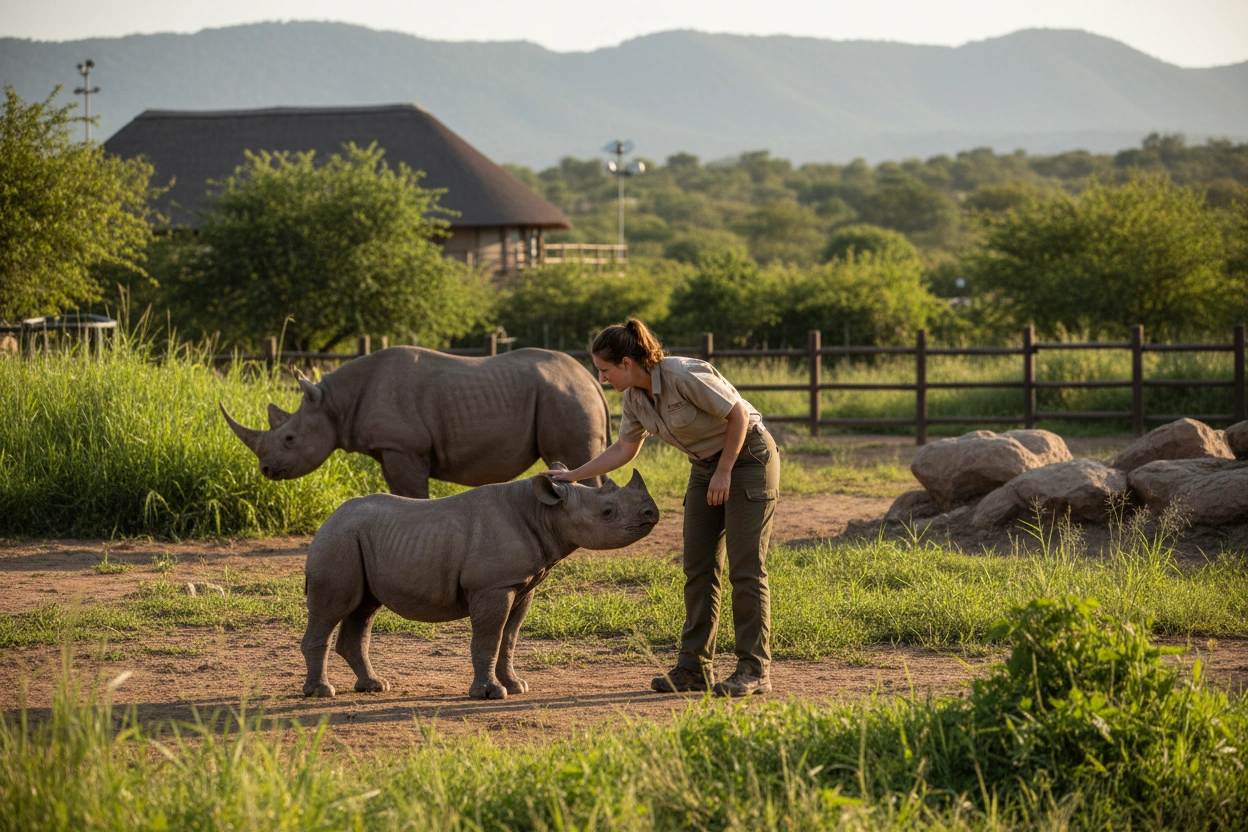
The Javan rhinoceros is one of the most endangered large mammals, with a population of about 76 individuals, all located in Ujung Kulon National Park in Indonesia. Habitat loss and poaching for their horns threaten their survival. Conservation strategies include habitat protection and the establishment of a second population in a different location.
Sumatra orangutans are critically endangered due to habitat loss from palm oil plantations and illegal logging. With approximately 14,000 individuals left, conservation efforts include habitat restoration and promoting sustainable palm oil practices. Awareness campaigns are crucial for reducing demand for products linked to deforestation.
The Sumatran tiger is the smallest subspecies of tiger and is critically endangered, with around 400 individuals remaining. Habitat destruction and poaching pose significant threats. Conservation efforts involve anti-poaching patrols and habitat restoration in Indonesia.
With only two known individuals remaining, the northern white rhinoceros is functionally extinct. Conservation efforts focus on advanced reproductive technologies, such as in vitro fertilization, to save the species. Ongoing research aims to create viable embryos using preserved genetic material.
The kakapo, a flightless parrot from New Zealand, is critically endangered with about 250 individuals remaining. Conservation efforts include predator control and breeding programs to increase the population. The kakapo recovery program has successfully increased numbers from just 50 individuals in the 1990s.
African wild dogs are known for their unique hunting strategies and social structure but are critically endangered due to habitat loss and conflicts with humans. With fewer than 6,000 individuals remaining, conservation efforts focus on habitat preservation and community engagement to reduce human-wildlife conflict.
Often referred to as the "Asian unicorn," the saola is one of the world's rarest mammals, with a population estimated to be in the low hundreds. Habitat destruction and poaching threaten this elusive species. Conservation efforts include establishing protected areas and monitoring populations through camera traps.
Once on the brink of extinction, the California condor has made a remarkable recovery, with around 500 individuals now in existence. Conservation efforts include captive breeding programs and reintroduction into the wild. Public education campaigns have also played a significant role in raising awareness about this majestic bird.
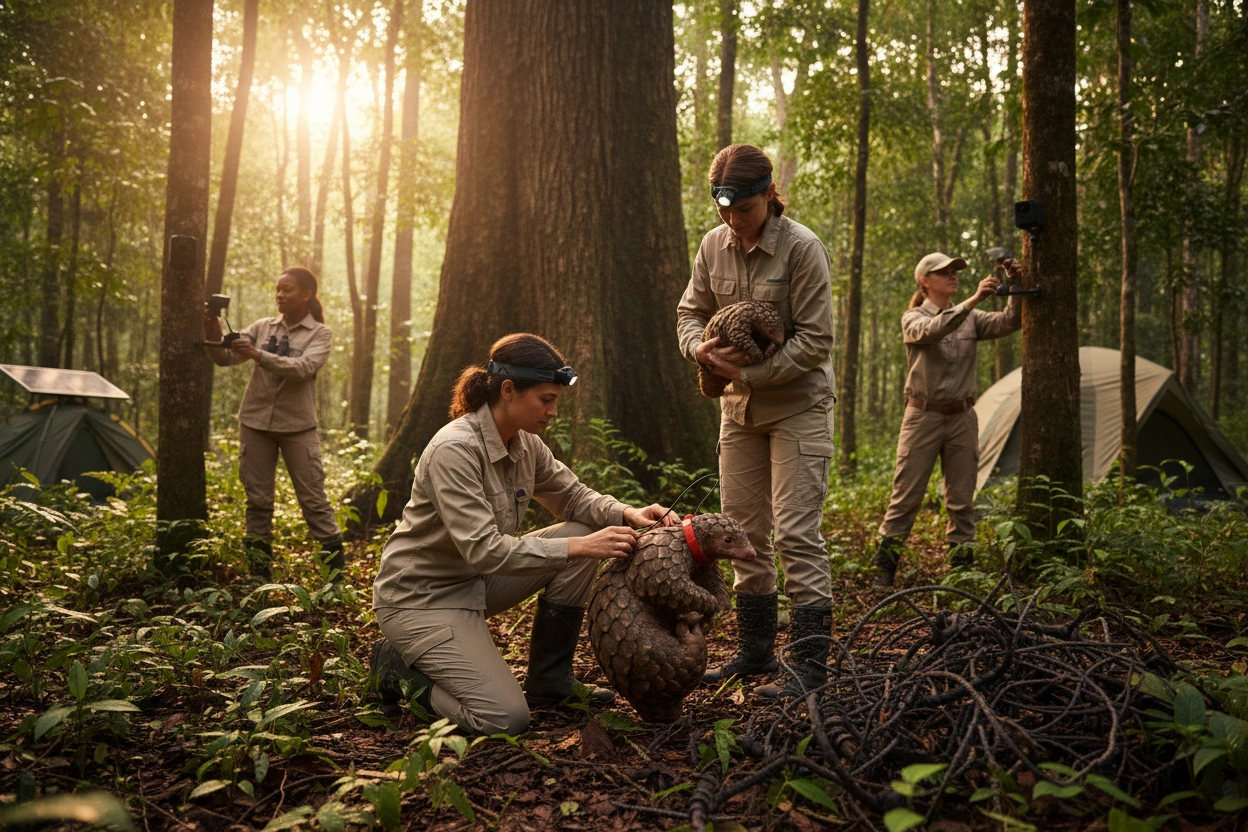
Habitat protection is one of the most critical aspects of conservation. Protecting existing habitats and restoring degraded areas is essential for the survival of endangered animals. Effective strategies include:
Legal protection is vital for the survival of endangered species. Key actions include:
Engaging local communities in conservation efforts is crucial for long-term success. Strategies include:
Ongoing research is essential for understanding the needs of endangered species and assessing the effectiveness of conservation efforts. Important actions include:
While the focus is often on endangered animals, conservation efforts also encompass the protection of habitats, ecosystems, and the overall biodiversity of our planet. Preserving plants and ecosystems is crucial for maintaining healthy environments that support all forms of life.
Many believe that conservation efforts require significant financial investment and yield minimal results. However, effective conservation can lead to substantial economic benefits through eco-tourism, sustainable resource management, and improved ecosystem services. Investing in conservation can save money in the long run by preventing the loss of biodiversity and the services ecosystems provide.
While extinction is a natural process, the current rate of species loss is unprecedented and primarily driven by human activities. It is essential to recognize that many species can be saved through targeted conservation efforts, and proactive measures can prevent further extinctions.
Numerous organizations are dedicated to the conservation of endangered animals. Some notable entities include:
These organizations play a crucial role in mobilizing resources, raising awareness, and implementing effective conservation strategies.
Every individual can contribute to conservation efforts in meaningful ways. Here are some actionable steps you can take:
To ensure the survival of endangered animals, it is crucial to empower future generations with knowledge and passion for conservation. Programs that engage youth in environmental education, such as outdoor activities, wildlife observation, and citizen science projects, can inspire a new generation of conservationists. Schools and community organizations can play a vital role in fostering a sense of stewardship toward nature.
As we have explored throughout this article, conservation efforts are vital for protecting endangered animals and their habitats. Organizations, governments, and individuals all play a role in this ongoing battle. By understanding the importance of biodiversity and actively participating in conservation efforts, we can create a sustainable future for both wildlife and humanity.
Banana Slug Club is committed to supporting these efforts and providing resources to help individuals engage in meaningful conservation actions. Whether you are looking to learn more about endangered species, participate in local conservation initiatives, or simply spread awareness, Banana Slug Club offers valuable insights and opportunities.
To join the fight for endangered animals and learn how you can make a difference, visit Banana Slug Club today. Together, we can create a brighter future for our planet and all its inhabitants.
Get free resources, early access to new features and updates.
No spam. Just fun educational emails!


.svg)
.svg)