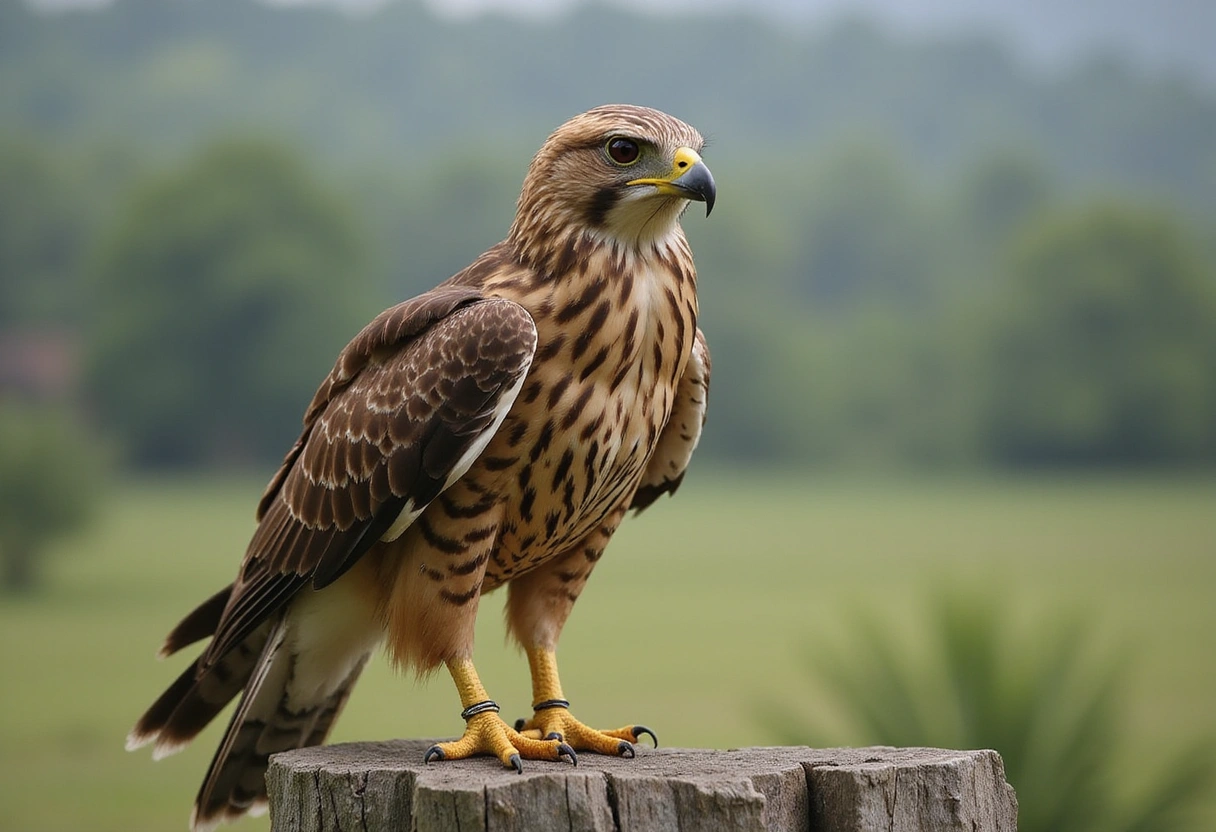
Birdwatching is a rewarding hobby that allows enthusiasts to connect with nature while observing the majestic beauty of various species. Among the most captivating subjects in the avian world are Birds of Prey, also known as raptors. These magnificent birds, which include eagles, hawks, falcons, and owls, are not only essential to their ecosystems but also awe-inspiring in their grace and hunting prowess. If you are passionate about observing these raptors in the wild, understanding the best birdwatching tours can significantly enhance your experience.
This article explores the top birdwatching tours designed for spotting Birds of Prey, alongside best practices for bird photography in the wild. Whether you are an experienced birdwatcher or a curious beginner, this guide will equip you with the knowledge to maximize your birdwatching adventures.
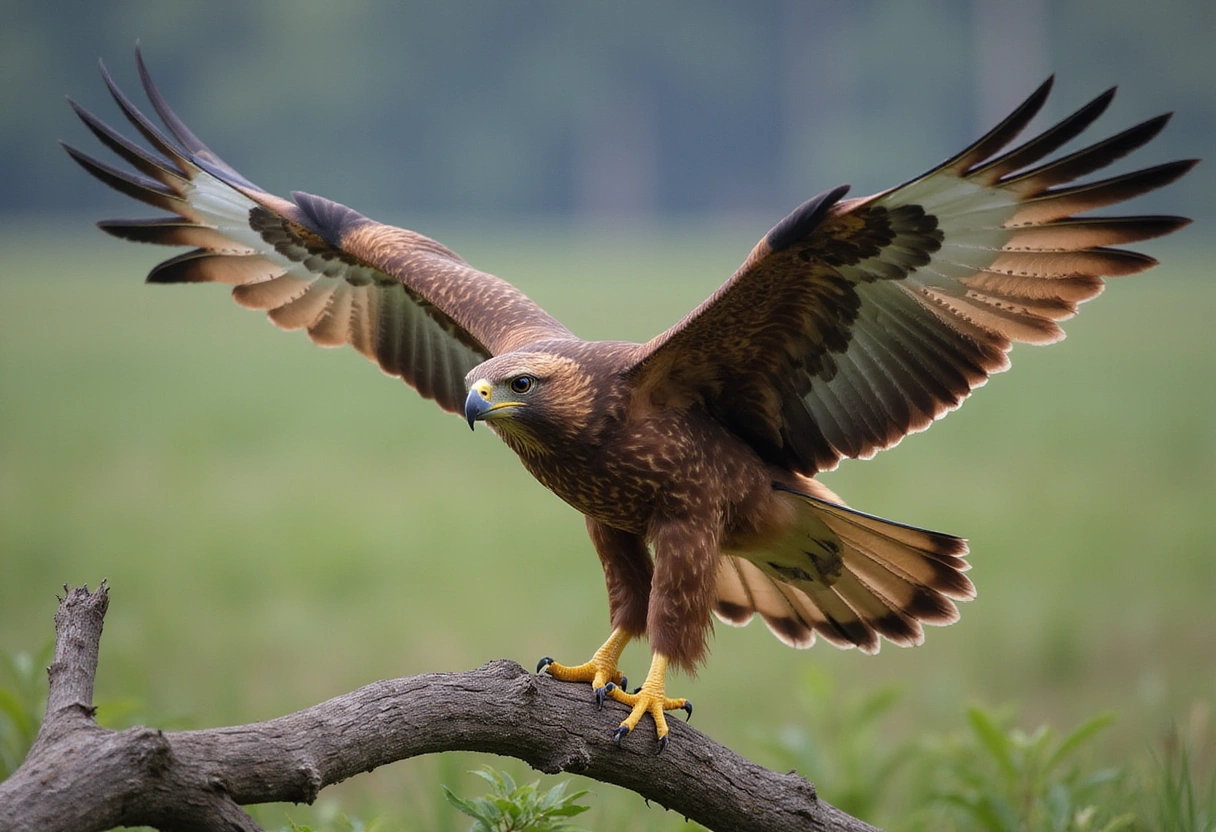
Birds of Prey are characterized by their keen eyesight, strong talons, and hooked beaks, which make them formidable hunters. These raptors are typically carnivorous and play a crucial role in controlling animal populations, thus maintaining ecological balance. Some of the most recognized Birds of Prey include:
Understanding the characteristics and behaviors of these raptors can enhance your birdwatching experience, as you will be better equipped to identify and appreciate them in their natural habitats.
As you embark on your birdwatching journey, it is essential to recognize the importance of conservation efforts aimed at protecting these remarkable creatures. Many Birds of Prey are threatened or endangered due to habitat loss, pollution, and climate change. By participating in birdwatching tours, you not only get to enjoy observing these birds but also contribute to their conservation through eco-friendly tourism practices.
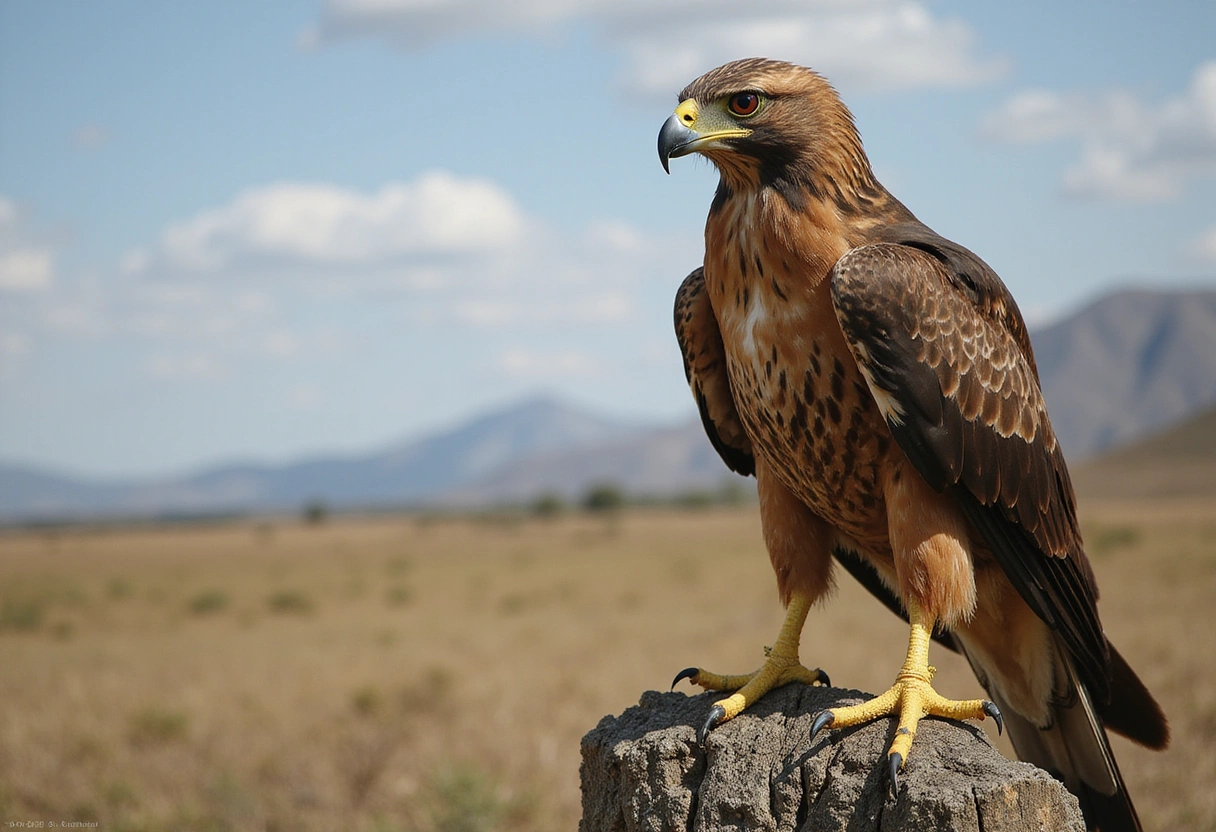
Several regions around the world are renowned for their opportunities to observe Birds of Prey in their natural habitats. Here are some of the top birdwatching tours that cater specifically to raptor enthusiasts:
The Arctic National Wildlife Refuge is a prime location for spotting various raptors, including the majestic Bald Eagle and the elusive Gyrfalcon. This pristine wilderness offers guided tours that take you deep into the refuge, where you can observe these birds in their natural habitats.
The Everglades is a unique ecosystem that is home to a variety of Birds of Prey, including the Osprey and the Red-shouldered Hawk. Birdwatching tours here often include airboat rides through the wetlands, providing a thrilling way to spot these raptors in flight.
The rugged landscapes of the Scottish Highlands are perfect for spotting raptors such as the Golden Eagle and the Hen Harrier. Guided tours in this region often include hikes through remote areas, where you can observe these magnificent birds in their natural environment.
The Great Plains are known for their vast open spaces, making them an ideal location for observing raptors like the Prairie Falcon and the Swainson's Hawk. Birdwatching tours in this region often include driving through scenic routes where you can spot raptors perched on fence posts or soaring overhead.
The Amazon is not just a treasure trove of biodiversity; it is also home to several raptor species, including the Harpy Eagle and the Black Hawk-Eagle. Birdwatching tours in the Amazon often combine boat trips and jungle hikes, offering a unique perspective on the region's avian inhabitants.
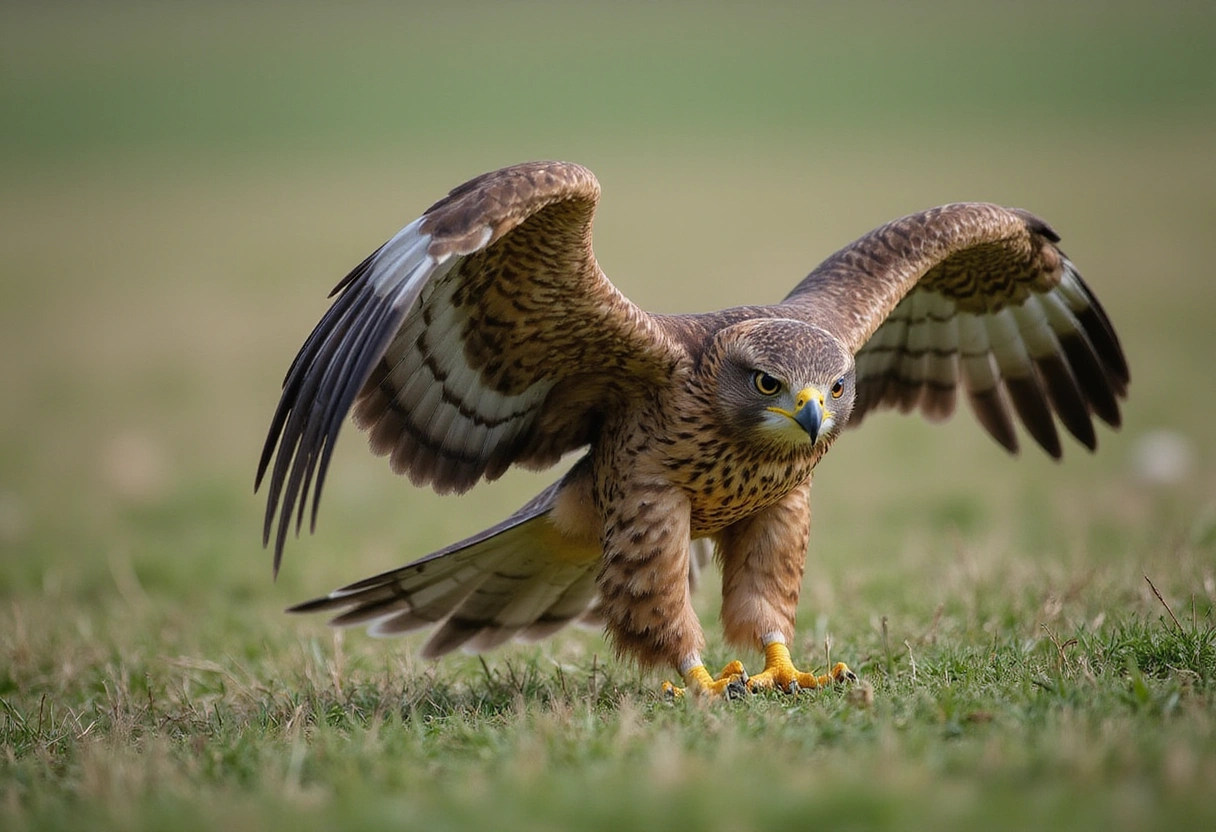
Capturing stunning images of Birds of Prey requires both skill and patience. Here are some best practices to enhance your bird photography experience while out in the wild.
Investing in the right photography equipment is crucial for capturing high-quality images of raptors. Consider the following:
Adjusting your camera settings can make a significant difference in the quality of your bird photographs. Key settings to focus on include:
Birdwatching and photography require patience. Here are some tips to maximize your chances of capturing the perfect shot:
Engaging in birdwatching can be immensely rewarding, but certain common mistakes can hinder your experience. Here are some pitfalls to avoid:
Many birdwatchers may inadvertently disturb raptors and their habitats. Always maintain a respectful distance, and avoid approaching nests or feeding areas. Using binoculars or a telephoto lens allows you to observe without encroaching on their space.
Each birdwatching location may have specific guidelines to protect wildlife. Familiarize yourself with local regulations and adhere to them to ensure a positive experience for both yourself and the birds.
Birds of Prey are part of complex ecosystems. Understanding the flora and fauna surrounding these raptors can enhance your appreciation and observation skills. Take time to learn about the interconnectedness of species in the areas you visit.
As you explore the world of Birds of Prey through birdwatching tours, it is crucial to understand the broader implications of your observations. Many organizations, such as the Banana Slug Club, are dedicated to promoting environmental education and conservation initiatives. By participating in birdwatching and photography, you contribute to these efforts while cultivating a deeper appreciation for the natural world.
Birdwatching offers a unique opportunity to connect with nature and understand the critical role that Birds of Prey play in their ecosystems. Your passion for observing these raptors can inspire others to join conservation efforts, fostering a community dedicated to protecting these magnificent creatures.
In conclusion, engaging with Birds of Prey through guided tours and photography not only enriches your experience but also supports conservation initiatives. The Banana Slug Club encourages nature enthusiasts, students, and children to learn more about the fascinating world of birds and their habitats. For more information on how you can get involved and deepen your understanding of nature, visit our website or contact us today. Together, we can make a difference in preserving the beauty of our natural world.
Get free resources, early access to new features and updates.
No spam. Just fun educational emails!


.svg)
.svg)