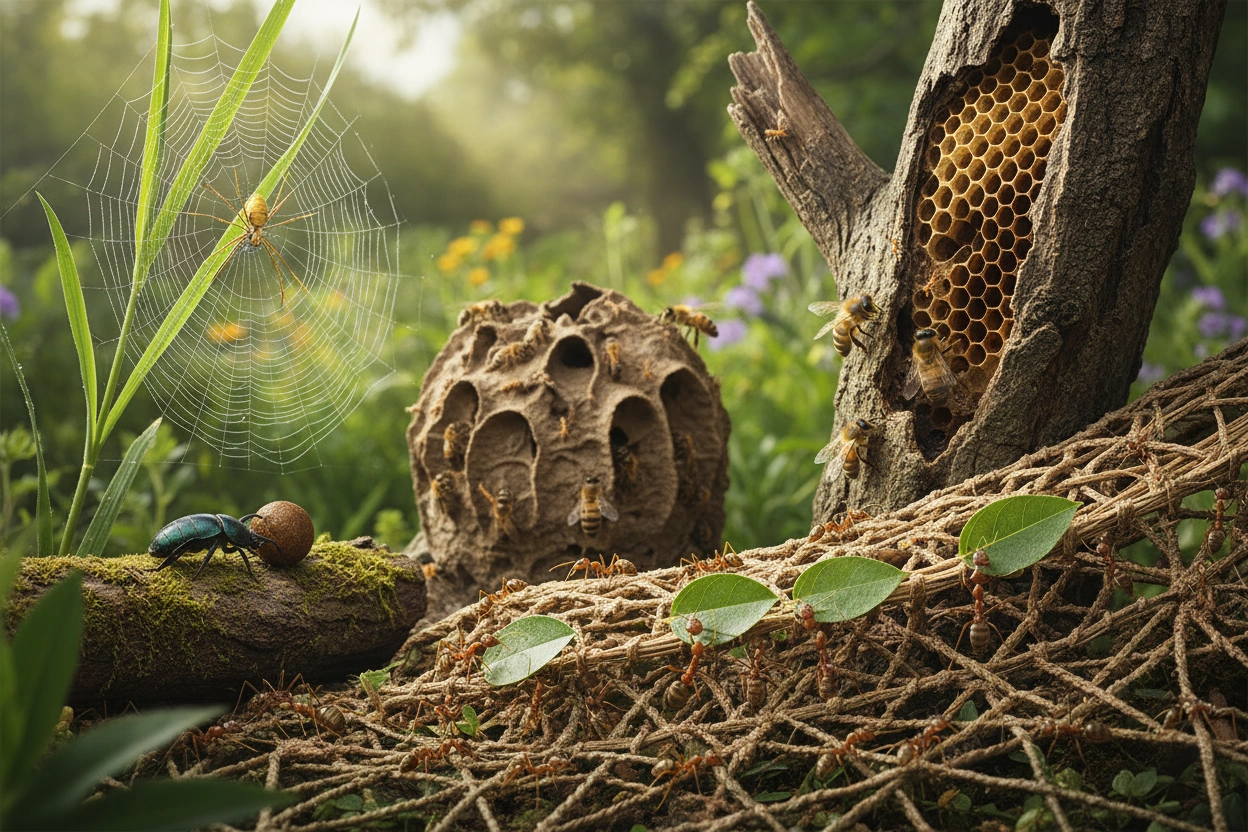
Birdwatching is an exhilarating way to connect with nature, and there’s perhaps no more thrilling pursuit than observing Birds of Prey in their natural habitat. Raptors, including eagles, hawks, and owls, exhibit remarkable behaviors and hunting skills that can fascinate enthusiasts of all ages. As we explore the best birdwatching tours for these magnificent creatures, we will also delve into their behaviors, habitats, and conservation efforts. This comprehensive guide aims to equip nature lovers, students, and curious minds with valuable insights and practical tips for experiencing the thrill of raptors in the wild.
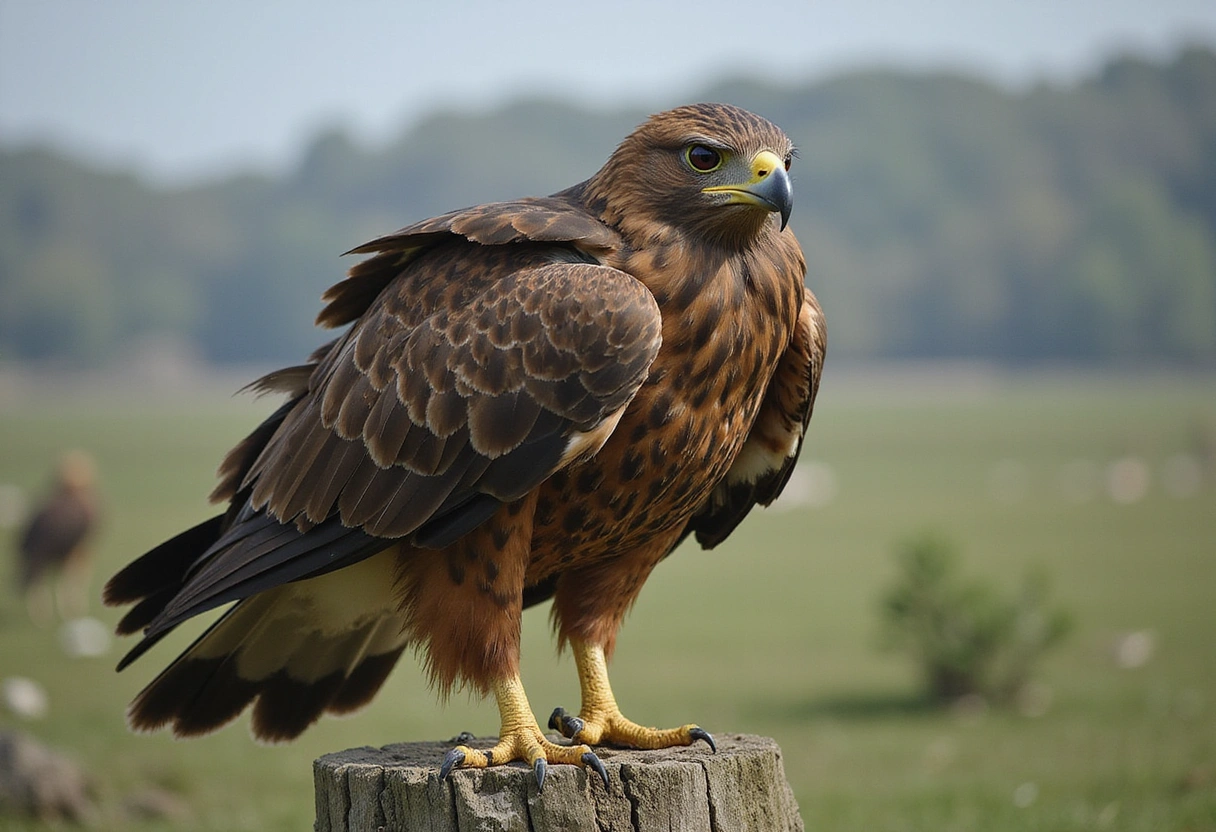
Raptors, commonly known as Birds of Prey, exhibit unique behaviors that are essential for their survival. Understanding these behaviors not only enhances the birdwatching experience but also fosters a deeper appreciation for their ecological roles.
Raptors employ various hunting strategies that vary by species and habitat. Some of the most common techniques include:
Each of these techniques showcases the adaptability and skill of raptors, making them fascinating subjects for observation.
Raptors typically exhibit diverse social structures. While many species are solitary outside of the breeding season, some, like the American Kestrel, may be seen in pairs or small groups during migration. Courtship behaviors can be elaborate, involving aerial displays, vocalizations, and gift-giving.
For example, male Bald Eagles often present fish to females as part of their courtship ritual, reinforcing pair bonds. Understanding these behaviors can enhance the birdwatching experience, allowing enthusiasts to appreciate the complexities of raptor life.
Nesting sites are critical for the survival of raptors, and their choice often reflects their hunting habits and environmental preferences. Many raptors build large nests in tall trees or cliffs, while others, like the Prairie Falcon, may choose to nest in abandoned buildings or on the ground.
Raptors are generally devoted parents. After laying eggs, both male and female often take turns incubating them. Once hatched, the chicks are fed a diet of freshly caught prey, demonstrating the parents’ hunting prowess. Observing these nesting behaviors can provide invaluable insights into the life cycles of these incredible birds.
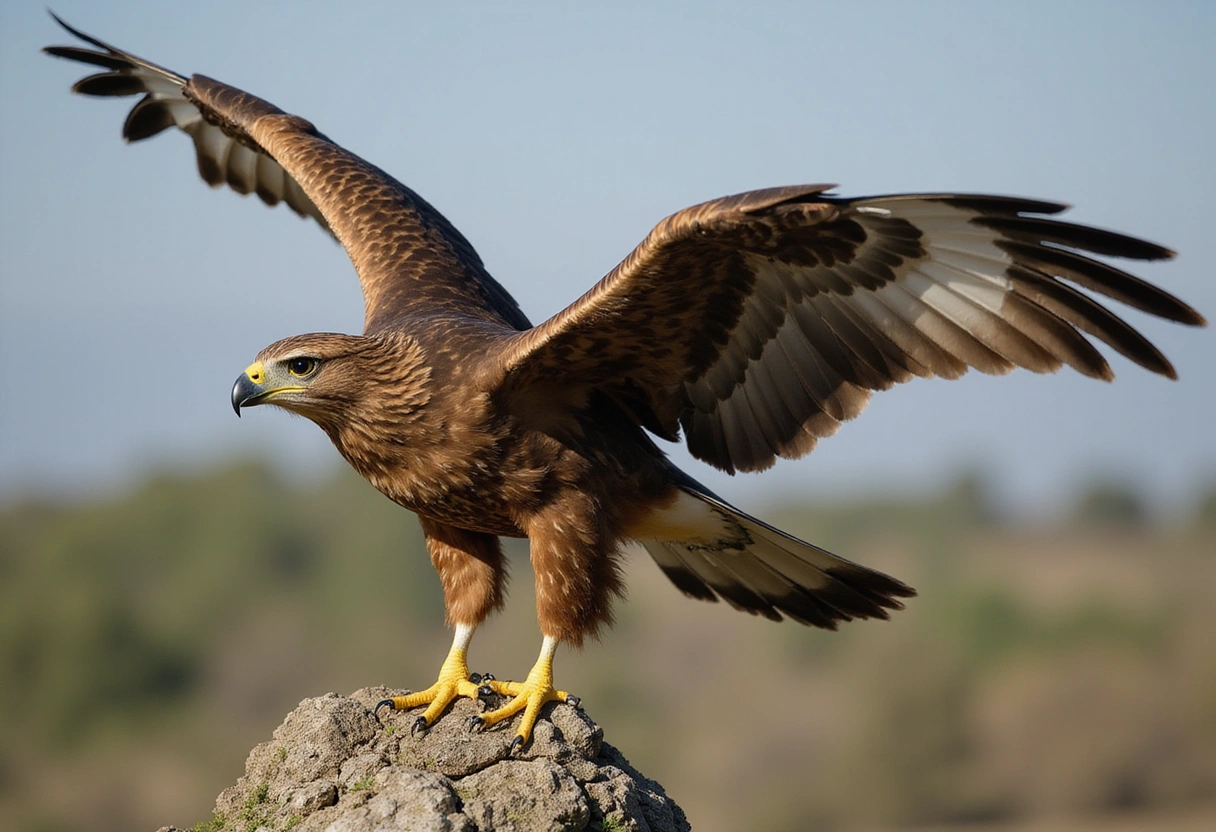
For those eager to witness raptors in the wild, several birdwatching tours stand out. Here are some of the best spots to observe these magnificent Birds of Prey:
Located in the Appalachian Mountains, Hawk Mountain Sanctuary is renowned for its raptor migration. Each fall, thousands of hawks, eagles, and falcons pass over the sanctuary, making it a prime location for birdwatchers.
This refuge is a haven for various wildlife, including an impressive array of raptors. The diverse habitats support both migratory and resident species.
Point Reyes offers a unique coastal ecosystem where birdwatchers can observe raptors against stunning ocean backdrops. The area is home to several species of hawks and owls.
The San Juan Islands are a fantastic destination for observing raptors in a diverse marine environment. Bald Eagles and Ospreys are commonly seen hunting along the shores.
The Everglades is home to a variety of raptors, including the rare Snail Kite. The park’s unique wetland ecosystem attracts numerous birdwatchers.
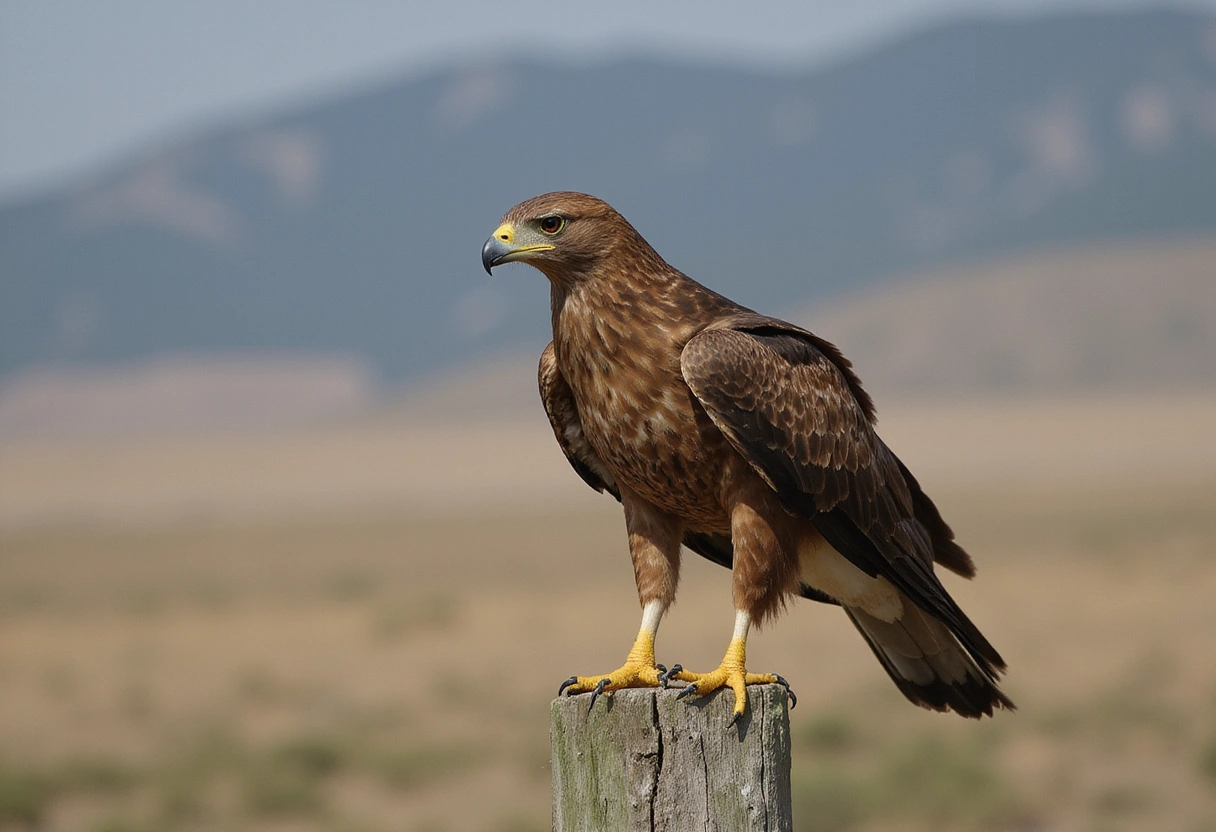
To maximize your birdwatching experience, consider the following tips:
Having the right gear can significantly enhance your raptor-watching experience. Here are essential items to consider:
Timing and location are critical for successful birdwatching. Raptors are often more active during certain times of the day:
Respecting wildlife is crucial. Always maintain a safe distance to avoid disturbing the birds. Use binoculars or a camera with a zoom lens to observe without encroaching on their space.
Joining a guided birdwatching tour can enhance your experience. Knowledgeable guides can provide insights into raptor behavior, habitats, and conservation efforts that you may not discover on your own.
Despite their popularity, there are several common misconceptions about raptors that can mislead new enthusiasts:
While raptors are skilled hunters, they are not inherently aggressive towards humans. Most species will avoid human interaction unless threatened. Understanding this can help alleviate fears and promote responsible birdwatching.
Many assume that raptors only prey on small mammals or birds. However, larger raptors like Golden Eagles are known to hunt larger prey, including deer fawns. Recognizing the dietary diversity among raptors can enhance appreciation for their ecological roles.
Not all raptors are migratory. While species like the Osprey migrate seasonally, others, such as the Red-tailed Hawk, may remain in their territories year-round, depending on food availability and environmental conditions.
Conservation efforts are crucial for the survival of raptors, many of which face threats from habitat loss, climate change, and human activity. Engaging with local conservation organizations can provide opportunities for involvement and education.
Engaging with the world of Birds of Prey can inspire a deeper appreciation for nature. As you embark on your birdwatching journey, remember to respect wildlife and the environments they inhabit. The thrill of witnessing raptors in their natural habitat can be a transformative experience, fostering a greater connection to the natural world.
Birdwatching, particularly for Birds of Prey, offers a unique opportunity to explore and learn about our natural world. At Banana Slug Club, we are dedicated to fostering a love for nature, science, and wildlife among nature enthusiasts, students, and young learners. Our resources and programs are designed to inspire curiosity and provide valuable insights into the behaviors and habitats of raptors.
Whether you are a seasoned birdwatcher or just beginning your journey, we invite you to explore our website for more information on educational resources, upcoming events, and how you can engage with the fascinating world of Birds of Prey. Join us in nurturing a passion for nature and wildlife, and help inspire the next generation of conservationists. Visit us today to learn more about how you can contribute to the preservation of our natural world.
Get free resources, early access to new features and updates.
No spam. Just fun educational emails!


.svg)
.svg)