
Birdwatching enthusiasts and nature lovers alike find immense joy in observing the majestic birds of prey soaring through the skies. These raptors, including eagles, hawks, falcons, and owls, are not only fascinating due to their predatory nature but also for their unique behaviors and ecological significance. In this article, we will explore some of the top birding hotspots around the world where you can observe these incredible species in their natural habitats. Additionally, we will delve into understanding the behavior of raptors, providing you with insights that will enhance your birdwatching experience.

Birds of prey are known for their keen eyesight, powerful talons, and impressive flight capabilities. These attributes not only make them formidable hunters but also captivating subjects for birdwatchers. Raptors play a critical role in maintaining the balance of ecosystems by controlling populations of small mammals and other prey species. Understanding their behavior can significantly enhance your observation experience.
Raptors exhibit a range of hunting strategies that are influenced by their physical adaptations and the environments they inhabit. Here are some key behaviors to observe:
Understanding these behaviors not only enriches your experience but also allows for better identification and appreciation of different raptor species.
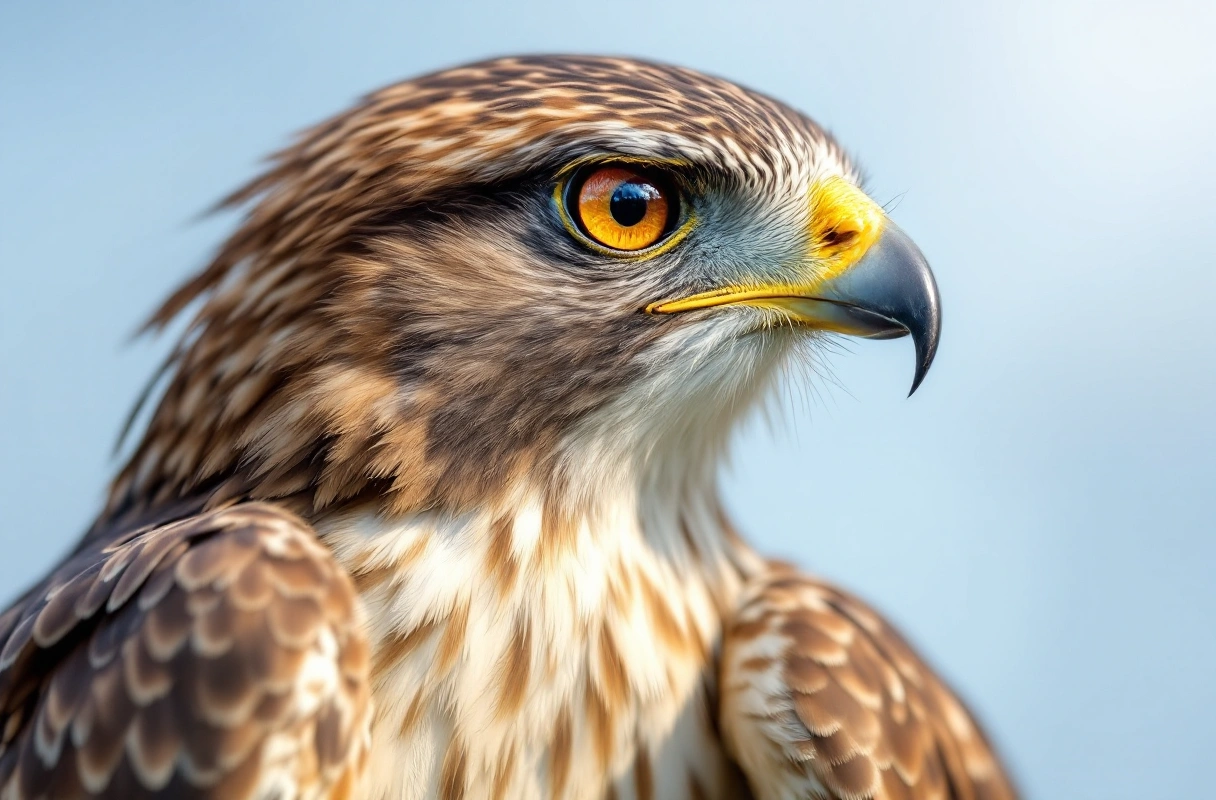
For birdwatchers eager to see birds of prey in the wild, certain locations stand out as premier destinations. Here is a list of the top hotspots globally renowned for raptor observation:
Hawk Mountain Sanctuary, Pennsylvania, USA
Bosque del Apache National Wildlife Refuge, New Mexico, USA
Cabo Rojo National Wildlife Refuge, Puerto Rico
Kruger National Park, South Africa
Lake Nakuru National Park, Kenya
These hotspots not only offer chances to see birds of prey but also provide educational resources and guided birdwatching tours, enhancing the overall experience.

To appreciate the beauty and complexity of raptors, it is essential to delve deeper into their behaviors and ecological roles. Here are some critical aspects of raptor behavior:
Raptors display a range of social behaviors, particularly during the breeding season. Many species are monogamous, forming long-term pair bonds. Observing their mating rituals can be particularly rewarding:
Many raptors are migratory, traveling vast distances between breeding and wintering grounds. Some notable migration patterns include:
The hunting dynamics of raptors are equally fascinating and can vary significantly among species. Here are some considerations:
By gaining insights into these behaviors, birdwatchers can enhance their observational skills and deepen their appreciation for these magnificent creatures.
Participating in birdwatching tours can significantly enhance your experience and increase your chances of observing birds of prey in the wild. Here are some essential tips to make the most of your birdwatching tours:
Choose the Right Season: Timing is crucial when planning your birdwatching tours. Many raptors migrate during specific seasons, so researching peak migration periods for your chosen location can lead to successful sightings.
Invest in Quality Binoculars: Good optics are essential for birdwatching. Investing in high-quality binoculars with a good field of view will enhance your ability to spot and identify raptors from a distance.
Learn the Calls and Sounds: Familiarizing yourself with the calls and sounds of raptors can be incredibly helpful. Many birdwatching tours will offer educational sessions on identifying birds by their vocalizations.
Be Patient and Respectful: Birdwatching requires patience. Respect the wildlife and maintain a safe distance to avoid disturbing their natural behaviors.
Join Guided Tours: Consider joining guided birdwatching tours led by experienced naturalists. They can provide valuable insights, share knowledge about local species, and enhance your overall experience.
By following these tips, you can maximize your chances of witnessing the beauty of birds of prey in their natural habitats.
Understanding the ecological role of raptors is essential for appreciating their importance in nature. As apex predators, they play a critical role in maintaining the balance of ecosystems. Here are some key points to consider:
Recognizing the significance of raptors can inspire conservation efforts and promote awareness of the challenges they face, such as habitat loss and climate change.
Birdwatching is more than just a hobby; it’s a journey into the wonders of nature. Observing birds of prey in their natural environments can be an exhilarating experience that fosters a deeper connection with wildlife. The Banana Slug Club is dedicated to supporting enthusiasts in their birdwatching adventures. Whether you are a seasoned birder or a novice, our resources and community can help you enhance your skills and knowledge about birds of prey.
By participating in our guided tours and educational programs, you can gain insights into the fascinating world of raptors while enjoying the beauty of nature.
Embrace the thrill of observing birds of prey and connect with like-minded individuals through the Banana Slug Club. Our community is passionate about promoting bird conservation and education, ensuring that future generations can enjoy the wonders of birdwatching.
Ready to embark on your birdwatching journey? Visit Banana Slug Club for more information on upcoming tours, resources, and events. Together, let's celebrate the beauty of birds of prey and the joy of birdwatching.
Get free resources, early access to new features and updates.
No spam. Just fun educational emails!


.svg)
.svg)