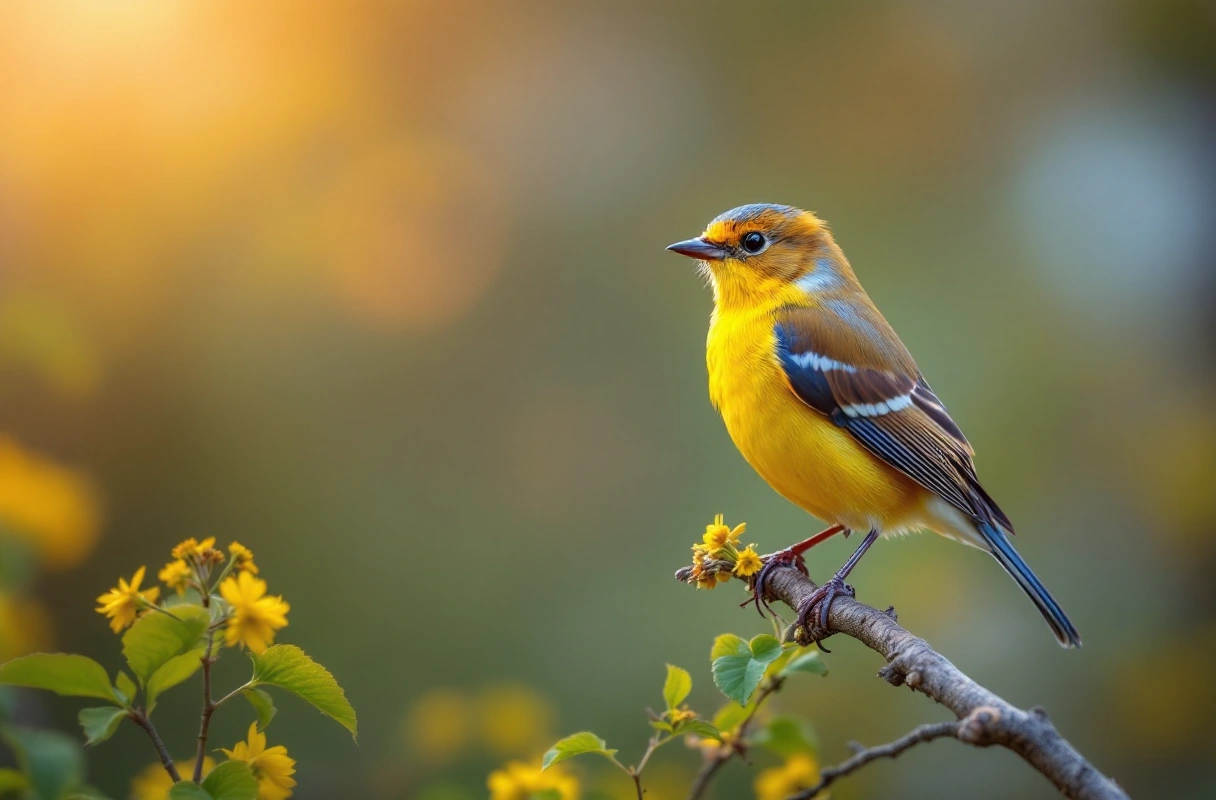
Birdwatching is a rewarding hobby that allows enthusiasts to connect with nature, appreciate biodiversity, and contribute to conservation efforts. Understanding bird facts is crucial for identifying species in your local area. With the right knowledge, you can enhance your birdwatching experience, help with conservation efforts, and even engage in citizen science initiatives. This article delves into essential bird facts, bird migration patterns, and the importance of bird conservation efforts in 2025.
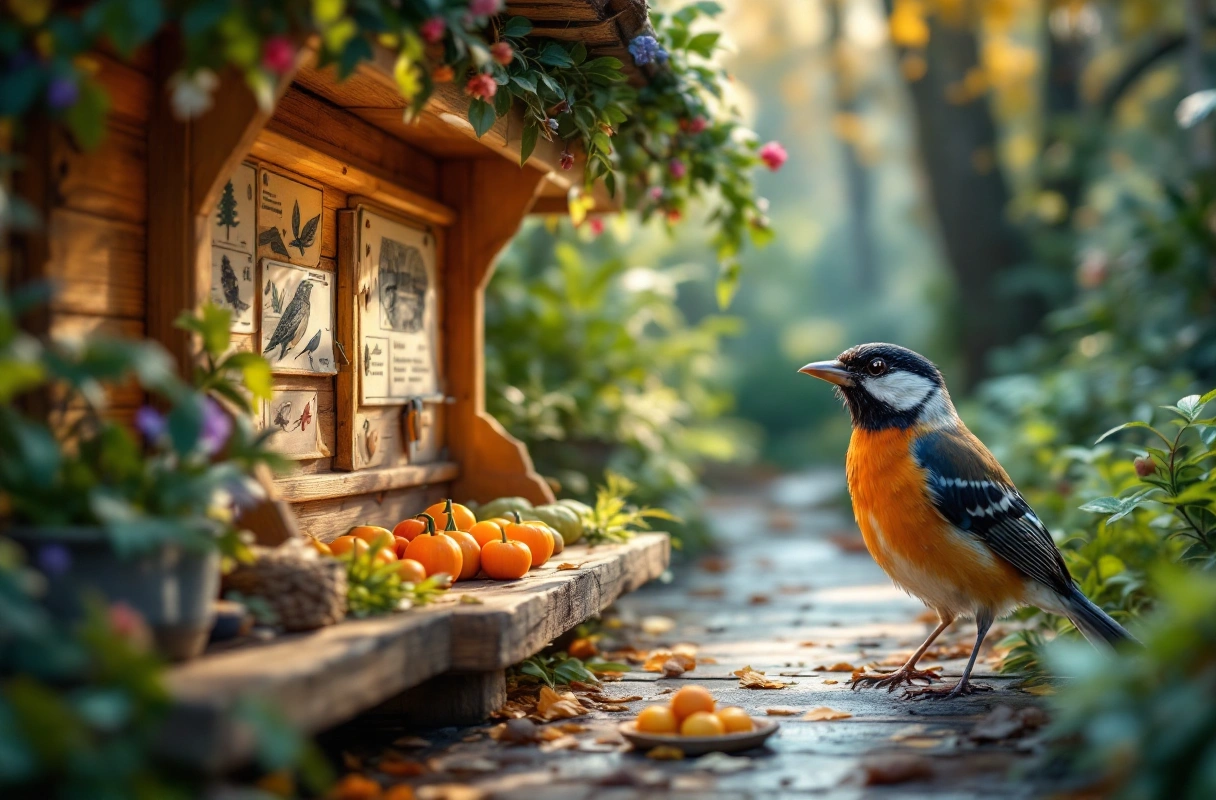
Bird identification begins with recognizing distinct features that differentiate species. Observers should focus on several key characteristics:
Size and Shape: The overall size and body shape can provide initial clues about the bird's identity. For example, raptors like eagles are larger and have broader wings compared to songbirds.
Coloration and Markings: Plumage varies widely among species. Noticing color patterns, such as stripes or spots, can help narrow down possibilities. Male and female birds often exhibit different coloration, which is known as sexual dimorphism.
Behavioral Traits: Birds exhibit unique behaviors, such as feeding habits, flight patterns, and vocalizations. For instance, woodpeckers are known for their drumming on trees, while sparrows often forage on the ground.
Modern birdwatchers benefit from a range of tools that enhance identification efforts:
Field Guides: Comprehensive field guides provide images and descriptions of birds, making them invaluable for on-the-spot identification. Guides often include range maps, seasonal variations, and habitat preferences.
Mobile Applications: Apps like Merlin Bird ID and iNaturalist offer users the ability to identify birds using photos or sound recordings. These tools leverage artificial intelligence to match user input with a database of known species.
Binoculars and Spotting Scopes: High-quality optics allow birdwatchers to observe details from a distance without disturbing the birds. A good pair of binoculars can significantly enhance your observation experience.
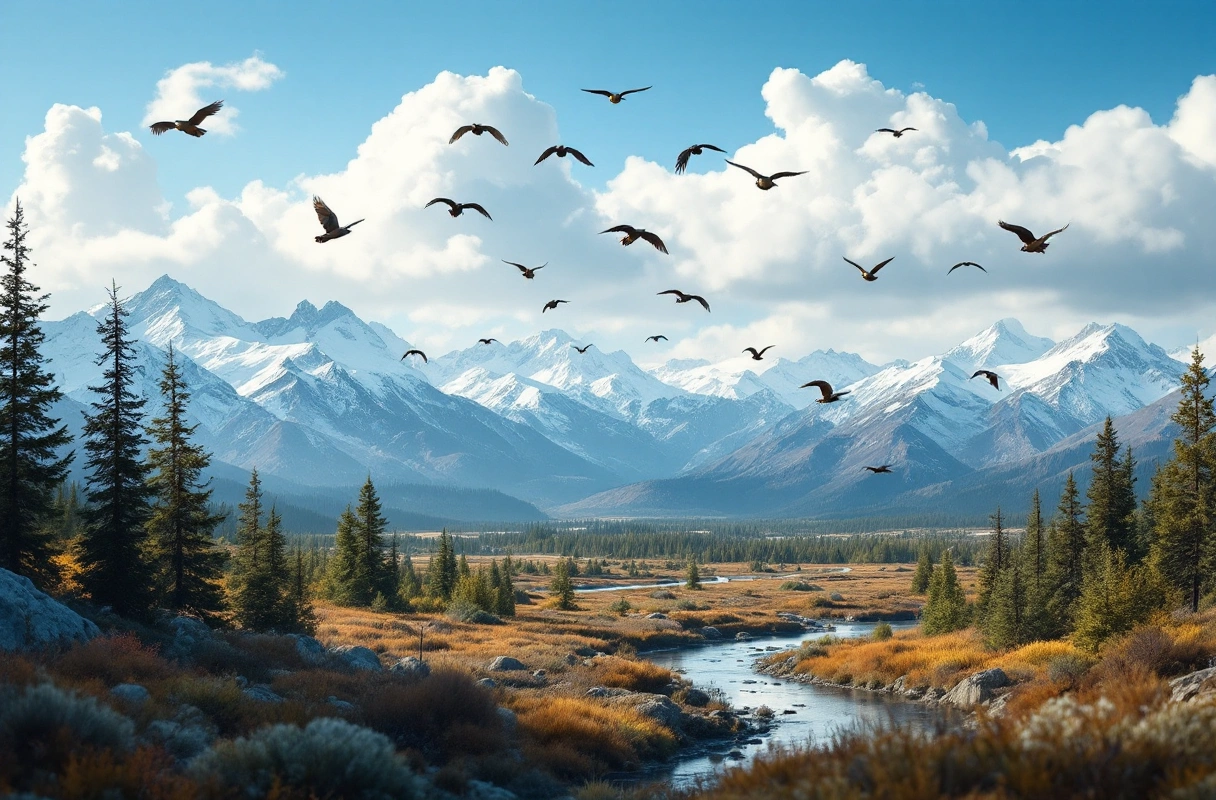
Bird migration is a fascinating phenomenon that involves the seasonal movement of birds from one region to another. This behavior is primarily driven by the need for food, breeding, and suitable climates. Migratory patterns can vary widely among species:
Long-Distance Migration: Some birds, such as the Arctic Tern, undertake extensive journeys spanning thousands of miles. These birds migrate between breeding grounds in the Arctic and wintering areas in the Antarctic.
Short-Distance Migration: Many species, such as American Robins, migrate shorter distances. They may move from northern breeding grounds to southern wintering areas but do not typically travel long distances.
Partial Migration: In some species, only a portion of the population migrates. For example, some Canada Geese may remain in their breeding grounds during winter if food is available.
Understanding migration patterns is essential for birdwatching. Observers can anticipate the arrival and departure of various species based on their migratory habits. Here are some key insights into bird migration:
Timing: Migration typically occurs in spring and fall. Spring migration is often marked by increased bird activity as they return to breeding grounds. Fall migration sees birds departing for warmer climates.
Weather Influence: Weather conditions significantly impact migration. Birds tend to migrate during favorable weather, often waiting for tailwinds to assist their journey.
Stopover Sites: Migratory birds often rely on stopover sites to rest and refuel. Recognizing these sites can enhance your chances of observing a diverse range of species.

Bird populations are under threat from various factors, including habitat loss, climate change, and pollution. According to the latest studies, approximately three billion birds have vanished from North America since 1970, highlighting the urgency of conservation efforts. Key challenges include:
Habitat Destruction: Urban development, agriculture, and deforestation have led to significant habitat loss. Protecting and restoring natural habitats is crucial for sustaining bird populations.
Climate Change: Shifts in climate patterns impact migration timings and breeding success. Birds may struggle to adapt to rapidly changing environments, leading to population declines.
Pollution: Pesticides and other pollutants harm bird health and reduce food availability. Efforts to promote organic farming and reduce chemical use are essential for protecting avian species.
In 2025, various conservation initiatives are being implemented to address these challenges. Here are some notable efforts:
Habitat Restoration Projects: Organizations are working to restore wetlands, forests, and grasslands to provide essential habitats for birds. These projects often involve community engagement and education.
Bird-Safe Practices: Advocacy for bird-safe practices, such as window collision prevention and reducing plastic waste, is crucial. Many conservation groups promote awareness and provide resources to help individuals protect local bird populations.
Citizen Science Programs: Engaging the public in citizen science initiatives can significantly contribute to bird conservation. Projects like the Christmas Bird Count and the Great Backyard Bird Count encourage individuals to report bird sightings, providing valuable data for researchers.
To maximize your birdwatching experience, consider the following steps:
Choose the Right Location: Research local parks, nature reserves, and wetlands known for bird activity. Websites like eBird can help you find popular birding hotspots.
Time Your Visit: Early mornings and late afternoons are often the best times for birdwatching. Birds are most active during these periods, increasing your chances of sightings.
Dress Appropriately: Wear comfortable clothing and sturdy footwear. Consider bringing layers, as temperatures can fluctuate throughout the day.
Improving your birdwatching skills involves practice and patience. Here are some strategies to consider:
Practice Observation: Spend time observing bird behavior and interactions. Noticing small details can help with identification and deepen your appreciation for avian life.
Join Local Birdwatching Groups: Connecting with other birdwatchers can enhance your learning experience. Local groups often organize outings, workshops, and educational sessions.
Keep a Bird Journal: Documenting your sightings can help reinforce your learning and track migration patterns over time. Include details such as location, date, weather conditions, and notable behaviors.
Understanding bird facts is not just about identification; it also plays a vital role in conservation efforts. By recognizing the importance of various species and their habitats, birdwatchers can become advocates for conservation. Engaging in local initiatives and supporting organizations dedicated to preserving avian populations can make a significant difference.
The Banana Slug Club is committed to promoting bird conservation and educating the community about the importance of protecting our feathered friends. By participating in local events and supporting conservation initiatives, you can contribute to preserving bird populations for future generations.
Birdwatching offers a unique opportunity to connect with nature while playing a role in conservation. Here are actionable steps you can take:
Support Local Conservation Groups: Contributing your time or resources to organizations focused on bird conservation can amplify your impact.
Advocate for Policy Changes: Stay informed about local and national policies affecting bird habitats. Advocacy can lead to meaningful changes that protect bird populations.
Educate Others: Share your knowledge of bird facts with friends, family, and your community. Raising awareness is a powerful tool in promoting conservation efforts.
Birdwatching is a fulfilling activity that not only enhances your appreciation for nature but also empowers you to contribute to vital conservation efforts. By understanding bird facts, you can identify species in your local area and help advocate for their protection. The Banana Slug Club encourages you to explore the world of birds and engage in initiatives that support their conservation.
For more information about birdwatching and how you can get involved, visit Banana Slug Club. Together, we can make a difference for our feathered friends and their habitats.
Get free resources, early access to new features and updates.
No spam. Just fun educational emails!


.svg)
.svg)