Birdwatching is more than just a hobby; it is a gateway to understanding our ecosystems and recognizing the fragility of species around us. As we delve into bird facts, we discover not only fascinating traits and behaviors of birds but also critical insights into the conservation of endangered species. With various bird species facing threats from habitat loss, climate change, and pollution, identifying and understanding these birds can foster a greater appreciation for their role in our environment. This article will explore essential bird facts, common bird behaviors, and the top ten fascinating bird migration patterns that you should know, all aimed at enhancing your awareness and engagement with local avian life.

Bird facts encompass a wide range of information about the anatomy, behavior, migration, and ecology of birds. Understanding these facts can significantly contribute to conservation efforts, especially for endangered species. By recognizing various bird species and their unique characteristics, individuals can play an essential role in their protection.
Knowledge of bird facts can help in several ways:
By familiarizing yourself with local bird facts, you become an advocate for the protection of these species, contributing to broader conservation efforts.
To identify birds effectively, it is crucial to understand common behaviors. Not all birds behave the same way, and recognizing these behaviors can enhance your birdwatching experience. Here are some typical behaviors to look for:
By paying attention to these behaviors, you can improve your identification skills and deepen your appreciation for the avian world around you.
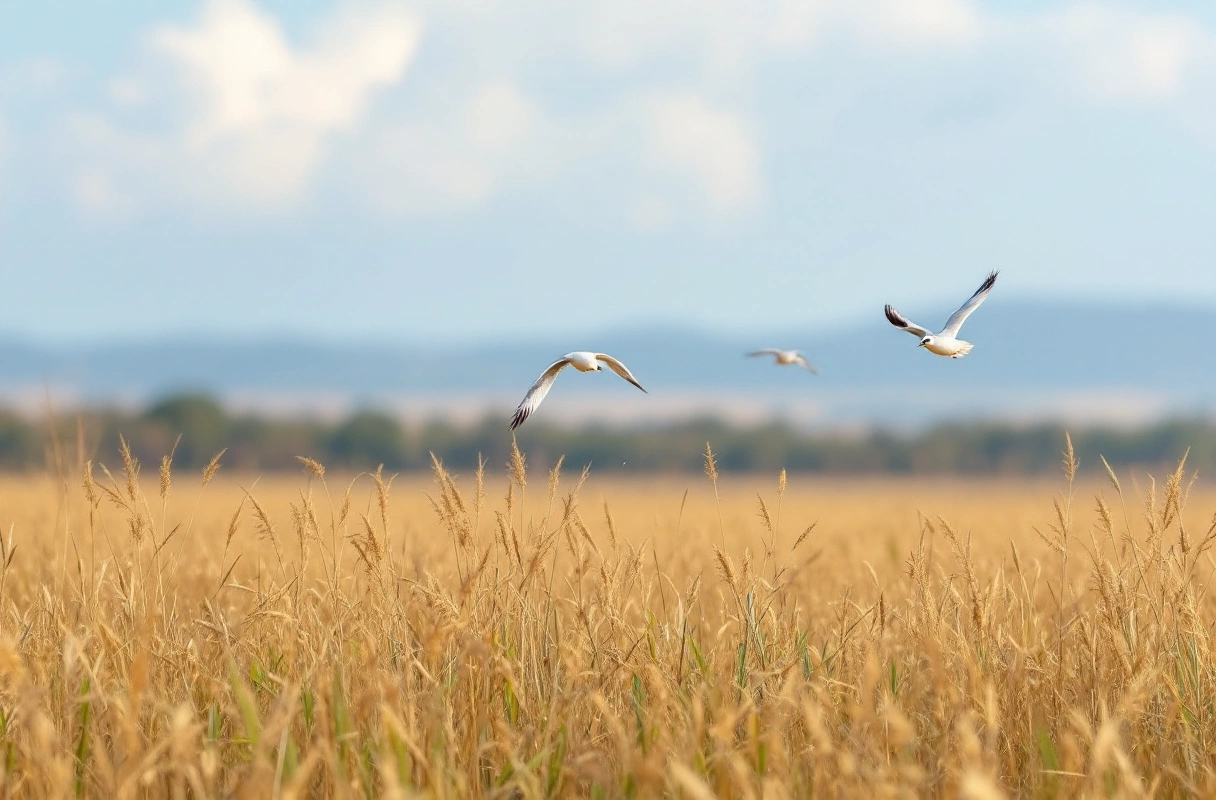
Migration is one of the most remarkable phenomena in the avian world. Many bird species travel thousands of miles each year to find suitable breeding grounds or escape harsh winter climates. Understanding these migration patterns can help you identify migratory birds in your area.
The Arctic Tern holds the record for the longest migration of any animal, traveling approximately 71,000 kilometers annually from its breeding grounds in the Arctic to wintering sites in Antarctica. This incredible journey exemplifies the lengths birds will go to survive.
Common Swifts are known for their remarkable flying abilities. They can spend almost their entire lives in the air, only landing to breed. Their migration from Europe to Africa is a testament to their resilience and adaptability.
The Bar-tailed Godwit is famous for its non-stop flight from Alaska to New Zealand, covering over 12,000 kilometers without resting. This bird's ability to store fat and endure long flights is a marvel of nature.
Indigo Buntings migrate from North America to Central America, using the stars for navigation. Their migration showcases how birds utilize natural cues for orientation, a fascinating aspect of bird behavior.
Some species of hummingbirds, such as the Ruby-throated Hummingbird, migrate between North America and Central America. Their ability to fly non-stop across the Gulf of Mexico is particularly impressive, highlighting their endurance.
Sandhill Cranes gather in large groups during migration, creating spectacular sights as they fly in V formations. This social behavior not only aids in navigation but also enhances safety during long flights.
Snowy Owls migrate south from the Arctic during winter months, often surprising birdwatchers in urban areas. Their striking appearance and behavior make them a favorite among bird enthusiasts.
Red Knots are shorebirds known for their remarkable feeding behavior during migration. They stop at key locations to refuel on horseshoe crab eggs, showcasing the interconnectedness of species and ecosystems.
The Blackpoll Warbler migrates from North America to South America, flying non-stop over the Atlantic Ocean. This journey demonstrates the bird's incredible stamina and navigational skills.
Swallow-tailed Kites migrate from North America to South America, often following specific routes that take advantage of thermal updrafts. Their graceful flight and aerial acrobatics are a joy to witness.
By learning about these migration patterns, you can enhance your birdwatching experience and contribute to conservation efforts by reporting sightings of migratory birds in your area.
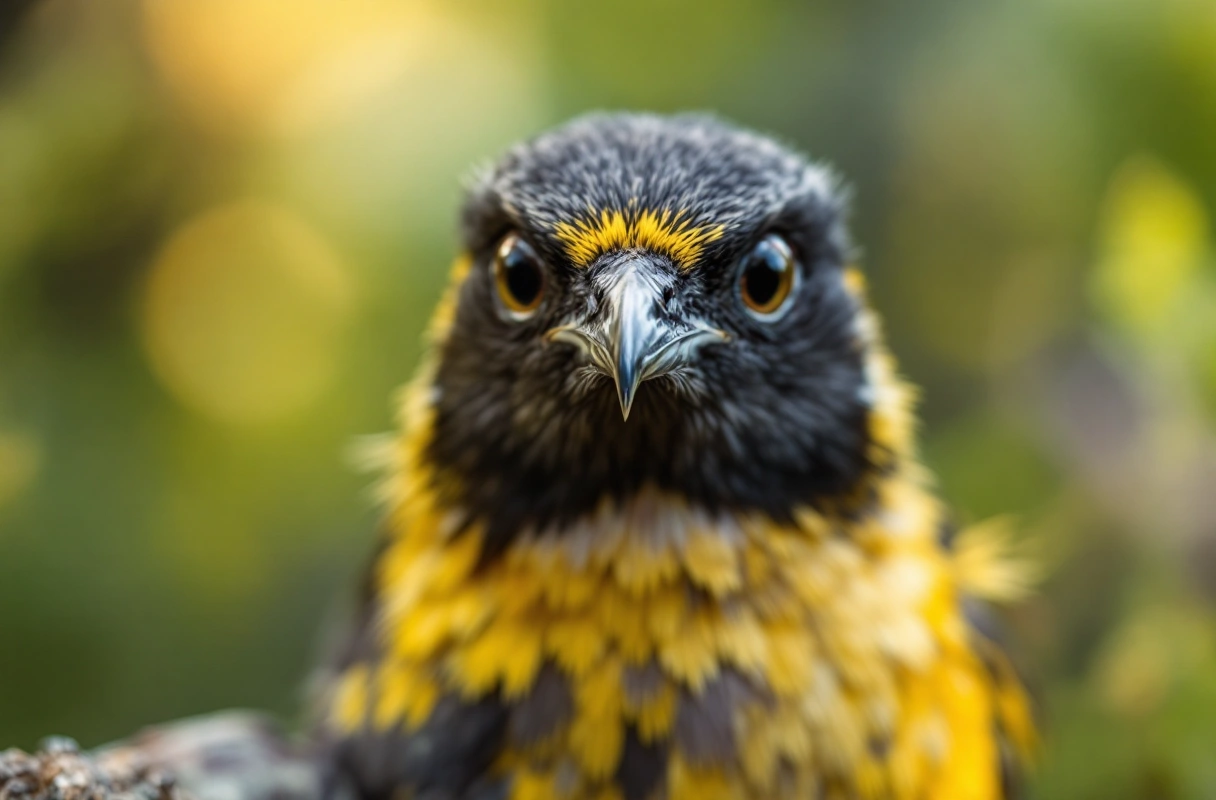
Identifying endangered bird species is crucial for several reasons. Many species are at risk due to habitat loss, climate change, and human activity. By recognizing these species, individuals can take steps to protect them and their habitats.
Here are some notable endangered bird species that you might encounter:
Identifying endangered birds involves observing specific characteristics such as plumage, size, and behavior. Here are some tips:
By taking these steps, you can contribute to the conservation of endangered bird species and help protect their habitats.
Understanding and engaging with bird facts can significantly impact conservation efforts. By recognizing the importance of birds in our ecosystems and the threats they face, individuals can become advocates for their protection.
Here are some actionable ways to engage with bird conservation:
By taking these steps, you can play an active role in protecting the birds in your area and contribute to broader conservation initiatives.
Understanding bird facts is essential for anyone interested in wildlife conservation. By identifying endangered species and recognizing their behaviors, you can make a meaningful impact on their preservation. The insights shared in this article not only enhance your birdwatching experience but also empower you to take action in your community.
Banana Slug Club is dedicated to providing resources and support for individuals looking to engage in conservation efforts. Whether you are a seasoned birdwatcher or just starting, we offer tools and information to help you connect with your local avian population.
For more information on how you can contribute to bird conservation, visit Banana Slug Club and explore our resources to help you make a difference. Together, we can ensure that future generations experience the beauty and diversity of our feathered friends.
Get free resources, early access to new features and updates.
No spam. Just fun educational emails!


.svg)
.svg)