Amphibians, a diverse group of cold-blooded vertebrates, play a crucial role in our ecosystems. They serve as indicators of environmental health and are essential for maintaining ecological balance. Among these fascinating creatures, salamanders stand out due to their unique adaptations, stunning appearances, and intriguing life cycles. In this article, we will explore the top ten salamander types, delving into their distinct traits and the importance of amphibian conservation efforts. Understanding these creatures not only fosters appreciation for biodiversity but also highlights the urgent need to protect their habitats.
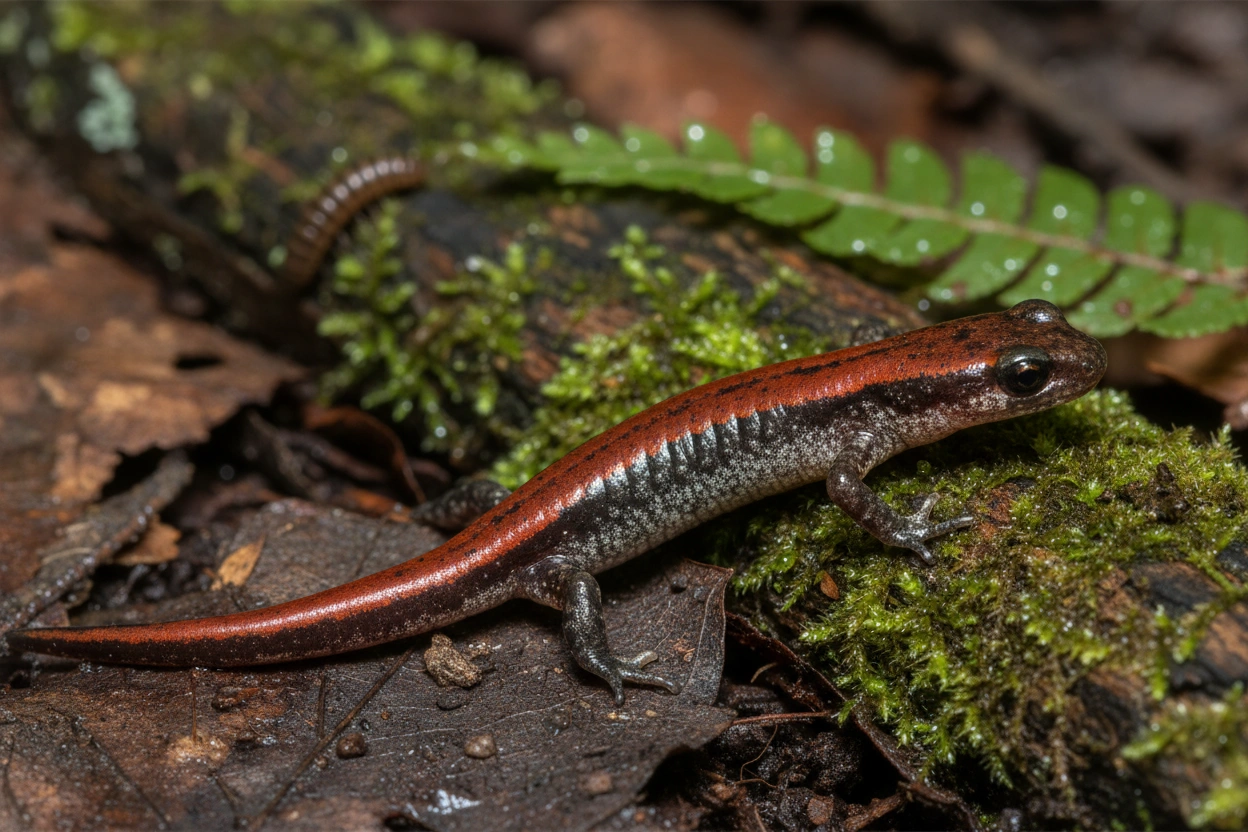
The Eastern Red-Backed Salamander is a small, terrestrial amphibian known for its striking coloration. This species exhibits two primary color morphs: one with a vibrant red stripe along its back and another that is entirely gray or brown. Measuring approximately 3 to 7 inches in length, this salamander is primarily found in moist, wooded areas across eastern North America.
Eastern Red-Backed Salamanders thrive in humid environments, often residing under logs, rocks, or leaf litter. They are secretive and primarily nocturnal, foraging for small invertebrates like insects and worms. Their ability to breathe through their skin makes them sensitive to environmental changes, highlighting their role as bioindicators.
Due to habitat loss and climate change, populations of Eastern Red-Backed Salamanders are under threat. Conservation efforts focus on preserving their forest habitats and promoting sustainable land-use practices to ensure their survival.

The Tiger Salamander is one of the largest salamander species in North America, known for its distinctive yellow or white spots against a dark background. Adult Tiger Salamanders can reach lengths of up to 10 inches and are primarily found in grasslands and open woodlands.
Tiger Salamanders have a fascinating life cycle that begins in temporary ponds where they breed. The larvae are aquatic and undergo metamorphosis, emerging as terrestrial adults. These salamanders are opportunistic feeders, consuming a wide range of prey, including insects, small mammals, and even other amphibians.
Habitat destruction due to urban development and agricultural practices poses significant threats to Tiger Salamanders. Conservation efforts include protecting breeding sites and promoting awareness about their ecological importance.

The Axolotl, often referred to as the Mexican walking fish, is a neotenic salamander known for its remarkable regenerative abilities. Unlike most salamanders, Axolotls retain their juvenile features throughout their lives, including external gills.
Axolotls can regenerate lost limbs, parts of their heart, and even sections of their brain. This exceptional regenerative capacity makes them a valuable subject for scientific research. They are primarily found in the canals of Xochimilco near Mexico City.
The Axolotl is critically endangered in the wild due to habitat loss, pollution, and invasive species. Conservation efforts are focused on habitat restoration and breeding programs to increase their numbers in captivity.
The Spotted Salamander is easily recognizable by its dark blue-black body adorned with yellow or white spots. This species typically grows up to 8 to 9 inches in length and is commonly found in deciduous forests across eastern North America.
Spotted Salamanders are known for their unique breeding behavior, which occurs in early spring when they migrate to temporary ponds to lay eggs. The eggs hatch into aquatic larvae, which eventually metamorphose into terrestrial adults. Their habitats are vital for maintaining healthy ecosystems as they help control insect populations.
Due to their reliance on specific breeding habitats, Spotted Salamanders are vulnerable to habitat destruction. Conservation initiatives focus on protecting breeding ponds and promoting awareness of their ecological role.
The Blue-Spotted Salamander is characterized by its striking blue spots and a dark, smooth body. Typically measuring around 4 to 7 inches, this species is primarily found in moist forests and wetlands in the northeastern United States and Canada.
These salamanders play a significant role in their ecosystems by controlling insect populations and serving as prey for larger animals. Their presence indicates a healthy environment, making them important bioindicators.
Threats to the Blue-Spotted Salamander include habitat loss and climate change. Conservation efforts focus on preserving wetland habitats and raising awareness about the importance of amphibian conservation.
The Marbled Salamander is notable for its striking black body adorned with white or gray marbling. This species is typically found in eastern North America and can grow up to 5 to 8 inches in length.
Marbled Salamanders have a unique breeding strategy, laying eggs in dry areas that become inundated with water during the rainy season. This adaptation allows them to exploit temporary ponds for reproduction. The larvae develop in these ponds before transitioning to terrestrial life.
Habitat degradation and loss of breeding sites pose significant threats to Marbled Salamanders. Conservation initiatives focus on protecting their breeding habitats and promoting sustainable land management practices.
The Northern Slimy Salamander is known for its distinctive slimy skin and unique coloration, which ranges from black to dark gray with white or yellow spots. Typically measuring 6 to 8 inches in length, this species is found in moist, wooded areas across the eastern United States.
These salamanders prefer habitats with ample leaf litter and decaying wood, which provide shelter and food sources. They are primarily nocturnal and feed on small invertebrates.
While the Northern Slimy Salamander is currently stable, habitat loss and pollution can impact local populations. Conservation efforts focus on habitat protection and monitoring population trends.
The California Tiger Salamander is a distinctive subspecies of the Tiger Salamander, recognized by its bold yellow or white spots on a dark background. This species is endemic to California and is classified as threatened.
California Tiger Salamanders primarily inhabit grasslands and low-elevation regions, breeding in seasonal ponds. Their reliance on these temporary habitats makes them particularly vulnerable to habitat loss.
Conservation initiatives for the California Tiger Salamander focus on protecting breeding sites and restoring habitats affected by urban development. Efforts also include public education to raise awareness about the importance of preserving this unique species.
The Pacific Giant Salamander is one of the largest salamanders in North America, reaching lengths of up to 14 inches. This species is typically found in the Pacific Northwest, inhabiting moist forests and streams.
Pacific Giant Salamanders have a complex life cycle, with aquatic larvae that metamorphose into terrestrial adults. They are voracious predators, feeding on a variety of small mammals, amphibians, and invertebrates.
Habitat destruction due to logging and urbanization poses significant threats to the Pacific Giant Salamander. Conservation efforts are focused on habitat protection and restoration, ensuring the survival of this impressive species.
The Red Salamander is easily identifiable by its vibrant red or orange coloration, often adorned with black spots. This species typically grows to 6 to 8 inches in length and is commonly found in the eastern United States, particularly in moist, wooded areas.
Red Salamanders prefer habitats near streams, swamps, or wetland areas, where they can find ample food sources and suitable breeding grounds. Their diet primarily consists of insects and other small invertebrates.
Although the Red Salamander is relatively stable, habitat loss and pollution can impact local populations. Conservation initiatives aim to protect wetland habitats and promote awareness of the importance of amphibian conservation.
Understanding the unique traits and challenges faced by these ten fascinating salamander types highlights the urgent need for amphibian conservation. Here are ten key conservation efforts that individuals and organizations can support to protect these vital species:
Habitat Preservation: Supporting initiatives that protect natural habitats is essential for the survival of amphibians. This includes advocating for the preservation of wetlands, forests, and other critical ecosystems.
Pollution Reduction: Reducing pollution in water bodies helps maintain healthy amphibian populations. This can be achieved through community clean-up efforts and supporting legislation aimed at reducing industrial waste.
Sustainable Land Use: Promoting sustainable agricultural and urban development practices ensures that amphibian habitats are not destroyed. This includes advocating for environmentally friendly practices among local businesses and farmers.
Education and Awareness: Raising awareness about the importance of amphibians and their role in ecosystems can inspire community action. Educational programs in schools and local organizations can help foster a love for these creatures.
Citizen Science Programs: Participating in citizen science initiatives allows individuals to contribute to amphibian research and monitoring efforts. These programs often involve tracking local populations and reporting sightings.
Supporting Research: Financially supporting research initiatives focused on amphibian conservation can lead to new insights and strategies for protecting these species.
Advocating for Legislation: Encouraging local and national governments to enact laws that protect amphibian habitats and regulate pollutants can have a significant impact on conservation efforts.
Creating Wildlife Corridors: Supporting the creation of wildlife corridors can help amphibians migrate safely between habitats, reducing the risk of population isolation.
Participating in Breeding Programs: Engaging with local conservation organizations to support breeding programs for endangered species can help boost population numbers.
Volunteering: Offering time and skills to local conservation organizations can make a tangible difference in amphibian protection efforts.
Amphibians, including the diverse types of salamanders discussed in this article, are critical to maintaining healthy ecosystems. They serve as indicators of environmental quality and play vital roles in food webs. As we learn more about these fascinating creatures and the challenges they face, it becomes clear that individual actions can contribute significantly to their conservation.
The Banana Slug Club is dedicated to promoting awareness and action for amphibian conservation. By joining forces with like-minded individuals and organizations, we can make a positive impact on the future of these vital species. Whether through education, advocacy, or direct conservation efforts, every action counts.
If you are passionate about amphibians and want to learn more about how you can get involved in conservation efforts, visit Banana Slug Club to discover resources and opportunities to make a difference. Together, we can help ensure that these remarkable creatures continue to thrive for generations to come.
Get free resources, early access to new features and updates.
No spam. Just fun educational emails!


.svg)
.svg)