Insects, the most diverse group of animals on Earth, play crucial roles in ecosystems, agriculture, and even human health. With over a million identified species, these creatures exhibit a vast array of adaptations that allow them to thrive in various environments. From their unique survival strategies to their intricate life cycles, studying insects not only enhances our understanding of biodiversity but also informs conservation efforts. This article explores ten of the most fascinating insect species, highlighting their extraordinary adaptations and the ecological significance they hold.
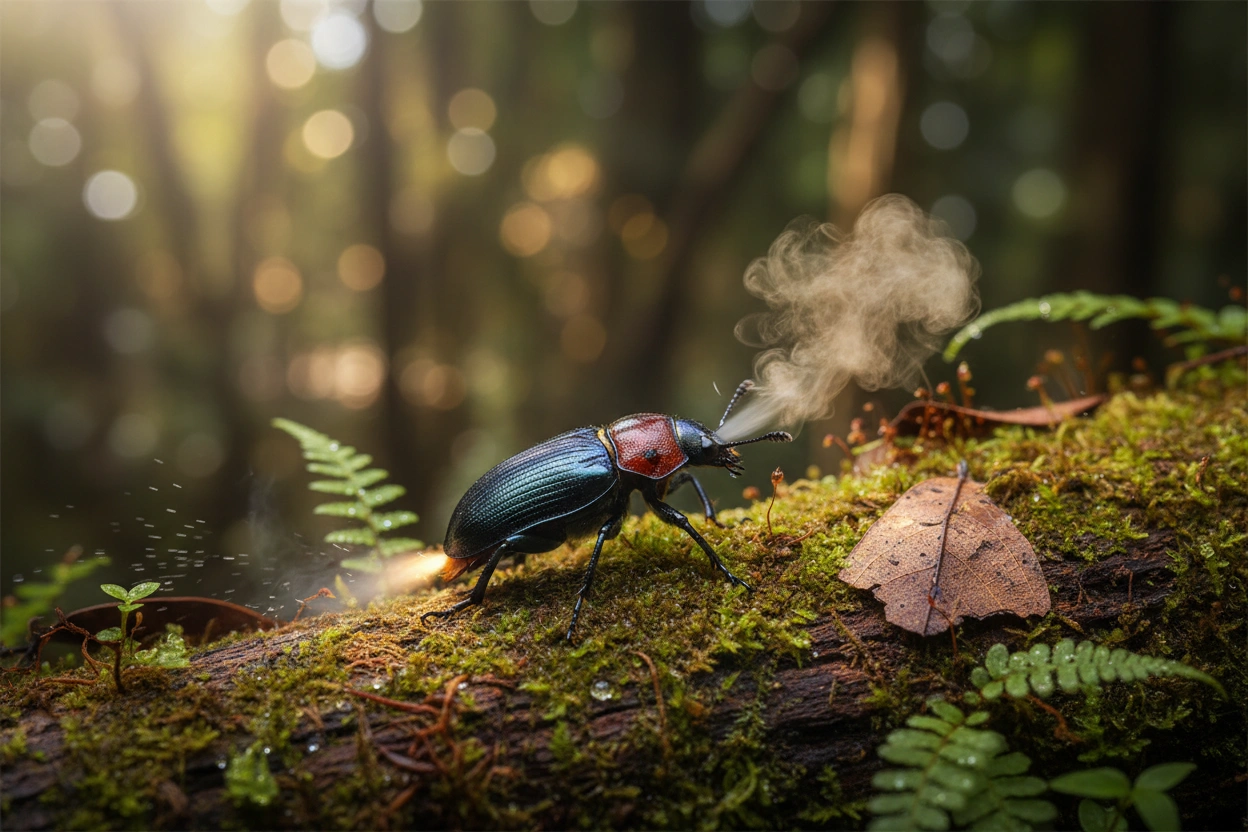
The bombardier beetle is renowned for its remarkable chemical defense mechanism. This beetle can eject a hot, noxious chemical spray at predators, reaching temperatures of up to 100 degrees Celsius. The process involves the rapid mixing of two chemicals stored separately within its abdomen, which react explosively when combined. This adaptation not only deters predators but also demonstrates an impressive evolutionary strategy for survival.
Beyond its defensive capabilities, the bombardier beetle plays an essential role in its ecosystem by aiding in the decomposition of organic matter. Its feeding habits contribute to nutrient cycling, making it a vital component of its habitat. Understanding the bombardier beetle's adaptations can inspire biomimicry in various fields, including robotics and materials science, showcasing the potential applications of nature-inspired designs.
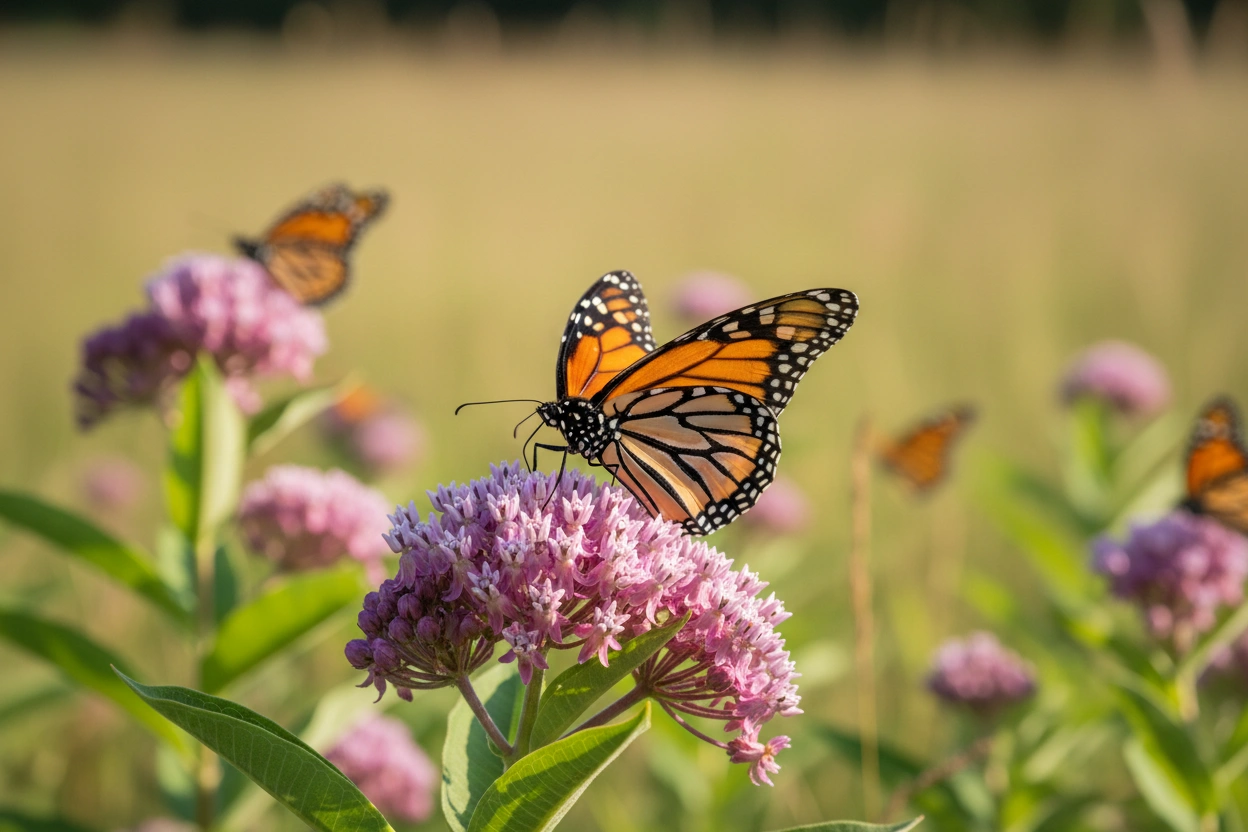
The monarch butterfly is famous for its incredible migration journey, traveling thousands of miles from North America to central Mexico. This species demonstrates remarkable navigational abilities, utilizing the Earth's magnetic field and the position of the sun to orient itself during migration. Monarchs can also sense changes in temperature and wind patterns, which help them optimize their flight paths.
The life cycle of the monarch butterfly is equally fascinating. It undergoes a complete metamorphosis, transitioning from egg to caterpillar, then to pupa, and finally to adult. During the caterpillar stage, they feed on milkweed, which makes them toxic to predators—a vital adaptation for survival. The striking orange and black coloration of adults serves as a warning to potential threats, reinforcing their unpalatable nature.

Leafcutter ants are a prime example of social insects, exhibiting highly organized colonies that can consist of millions of individuals. These ants engage in a unique behavior of cutting and transporting leaves back to their nests, where they cultivate a fungus for food. This mutualistic relationship between the ants and the fungus highlights their role in ecosystem dynamics.
The adaptations of leafcutter ants extend to their physical characteristics. Their strong mandibles are designed for cutting through tough plant material, while their pheromone communication system allows them to coordinate foraging efforts efficiently. This social structure and foraging strategy not only ensure the survival of the colony but also facilitate the health of the surrounding environment by aiding in plant decomposition.
The spotted lanternfly, originally from Asia, has become a significant invasive species in North America. Its striking appearance and ability to reproduce rapidly pose threats to local ecosystems and agriculture. The lanternfly feeds on the sap of various plants, weakening them and making them more susceptible to disease.
One of the most fascinating adaptations of the lanternfly is its specialized mouthparts, which allow it to pierce plant tissues and extract sap efficiently. This feeding behavior not only impacts the plants it targets but also alters the surrounding ecosystem by disrupting food webs. Understanding the lanternfly's adaptations is crucial for developing effective management strategies to mitigate its impact.
The goliath beetle holds the title for one of the largest insects in the world, with some species weighing over 100 grams. Their massive size is an adaptation that provides advantages in mating and competition for resources. Goliath beetles exhibit sexual dimorphism, with males often being larger and more colorful than females, attracting mates through their impressive stature.
These beetles undergo a complex life cycle, starting as larvae that feed on decaying plant matter. This diet not only supports their growth but also plays a role in nutrient recycling within their ecosystem. Adult goliath beetles primarily feed on fruits and tree sap, showcasing their adaptability in various habitats. Their size and dietary habits exemplify the diversity of insect adaptations across species.
The praying mantis is a master predator, equipped with exceptional hunting skills and adaptations that make it a formidable insect. Its triangular head and bulging eyes provide a wide field of vision, allowing it to spot prey with remarkable accuracy. The mantis's front legs are specially adapted for grasping, enabling it to capture and immobilize prey swiftly.
In addition to its predatory prowess, the praying mantis has evolved to blend seamlessly into its surroundings, enhancing its ability to ambush unsuspecting prey. This camouflage is a vital survival strategy, allowing it to evade both predators and human observation. The praying mantis serves as a reminder of the intricate relationships between predators and prey in natural ecosystems.
The orchid mantis is renowned for its extraordinary ability to mimic the appearance of orchid flowers. This adaptation allows it to attract pollinators, such as bees and butterflies, which inadvertently become prey. The orchid mantis's camouflage is so effective that it can remain undetected even by vigilant pollinators.
In addition to its physical mimicry, the orchid mantis exhibits specific behaviors that enhance its predatory success. By remaining motionless and swaying gently with the breeze, it further disguises itself as part of the flower, increasing the likelihood of capturing unsuspecting visitors. This fascinating example of mimicry and behavior illustrates the complexity of evolutionary adaptations in insects.
Fireflies, or lightning bugs, are famous for their bioluminescent properties. These insects produce light through a chemical reaction in specialized organs, primarily for mating purposes. The ability to emit light serves as a signal to attract potential mates, showcasing a remarkable adaptation for reproductive success.
Different species of fireflies have evolved unique light patterns and rhythms, allowing them to communicate effectively within their species. This form of communication exemplifies the intricate social behaviors of insects and highlights the importance of light as an evolutionary adaptation. Fireflies also serve as indicators of environmental health, making their study vital for understanding ecosystem dynamics.
Cicadas are known for their distinctive sounds and unique life cycles, which can span several years underground before emerging as adults. Some species, like the periodical cicadas, have life cycles that last 13 or 17 years, a phenomenon that baffles scientists and captivates the public. This prolonged development is an adaptation that helps them avoid predation by synchronizing their emergence with the life cycles of their predators.
The males produce their characteristic sounds through a process called stridulation, using specialized structures called tymbals. This sound serves to attract females and establish territory. The fascinating life cycle and vocal adaptations of cicadas highlight the intricate relationships between these insects and their environments, illustrating their unique place in the insect world.
Though not classified as insects, tardigrades are microscopic creatures often referred to as "water bears" and are among the most resilient organisms on Earth. They can survive extreme conditions, including extreme temperatures, radiation, and even the vacuum of space. This resilience is due to their ability to enter a cryptobiotic state, effectively suspending their metabolism.
Tardigrades play crucial roles in ecosystems, contributing to soil health and nutrient cycling. Their adaptations serve as a testament to the incredible diversity of life forms and the various strategies organisms employ to survive in harsh conditions. Understanding tardigrades can offer insights into the limits of life and the possibilities for life beyond Earth.
Insects are not merely fascinating creatures; they are integral to the health of ecosystems worldwide. Their unique adaptations allow them to thrive in diverse environments, contributing to pollination, decomposition, and nutrient cycling. Each species discussed in this article represents a remarkable example of nature's ingenuity, showcasing how insects adapt to survive and flourish.
Understanding insect species identification is vital for appreciating the roles these creatures play in our environment. By learning about the adaptations and behaviors of various insects, we can better appreciate their ecological significance and the need for conservation efforts. Engaging in citizen science projects, such as monitoring local insect populations, can help foster a deeper connection with nature and promote awareness of biodiversity.
As we delve into the captivating world of insects, it's essential to recognize the importance of conservation efforts aimed at protecting these remarkable species. Organizations like Banana Slug Club advocate for environmental education and conservation initiatives, helping individuals connect with the natural world. By understanding the unique adaptations of insects, we can appreciate their contributions to ecosystems and the need to protect their habitats.
Insects are not just fascinating entities; they are vital components of our ecosystems. The unique adaptations of the species highlighted in this article demonstrate the incredible diversity and complexity of life on Earth. By engaging with organizations like Banana Slug Club, you can further your understanding of these fascinating creatures and contribute to conservation efforts.
For more information on how you can get involved, contact Banana Slug Club. Your efforts can make a difference in preserving the incredible diversity of insect life for future generations.
Get free resources, early access to new features and updates.
No spam. Just fun educational emails!


.svg)
.svg)