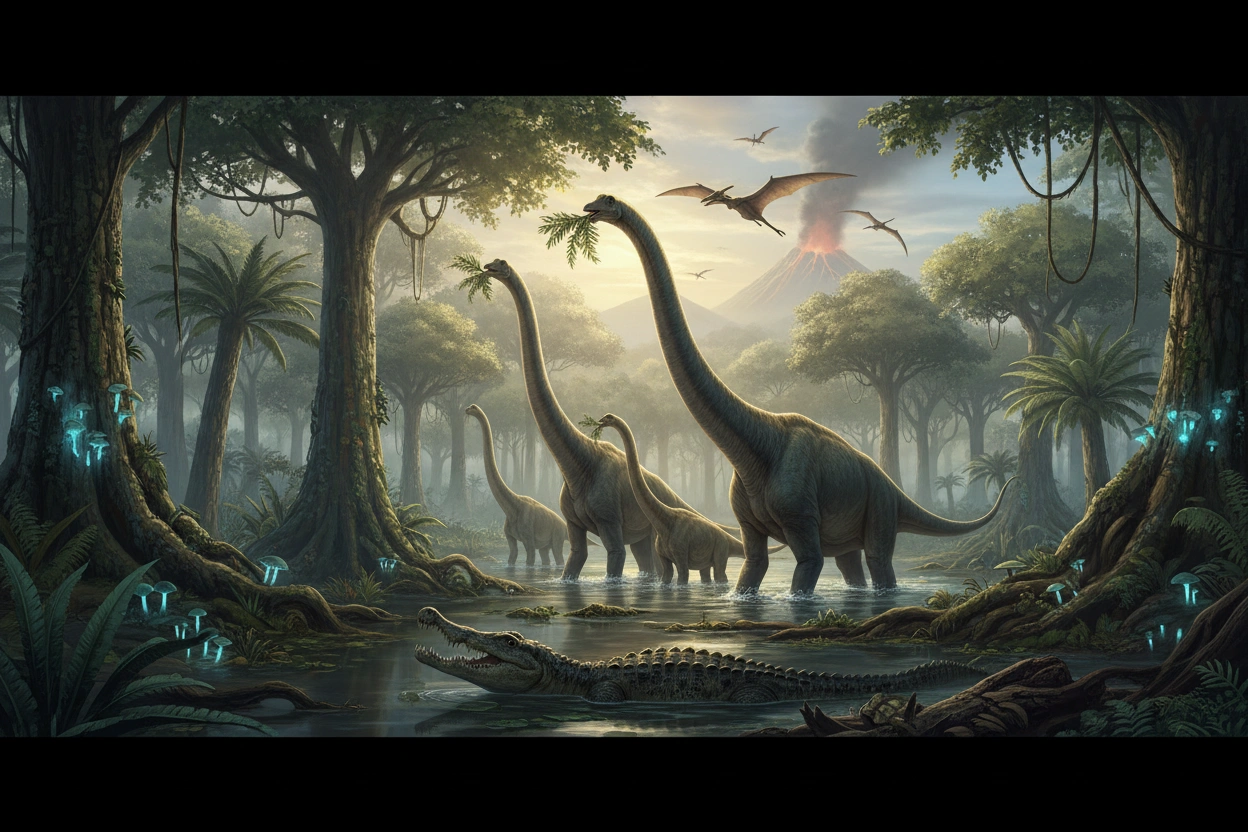
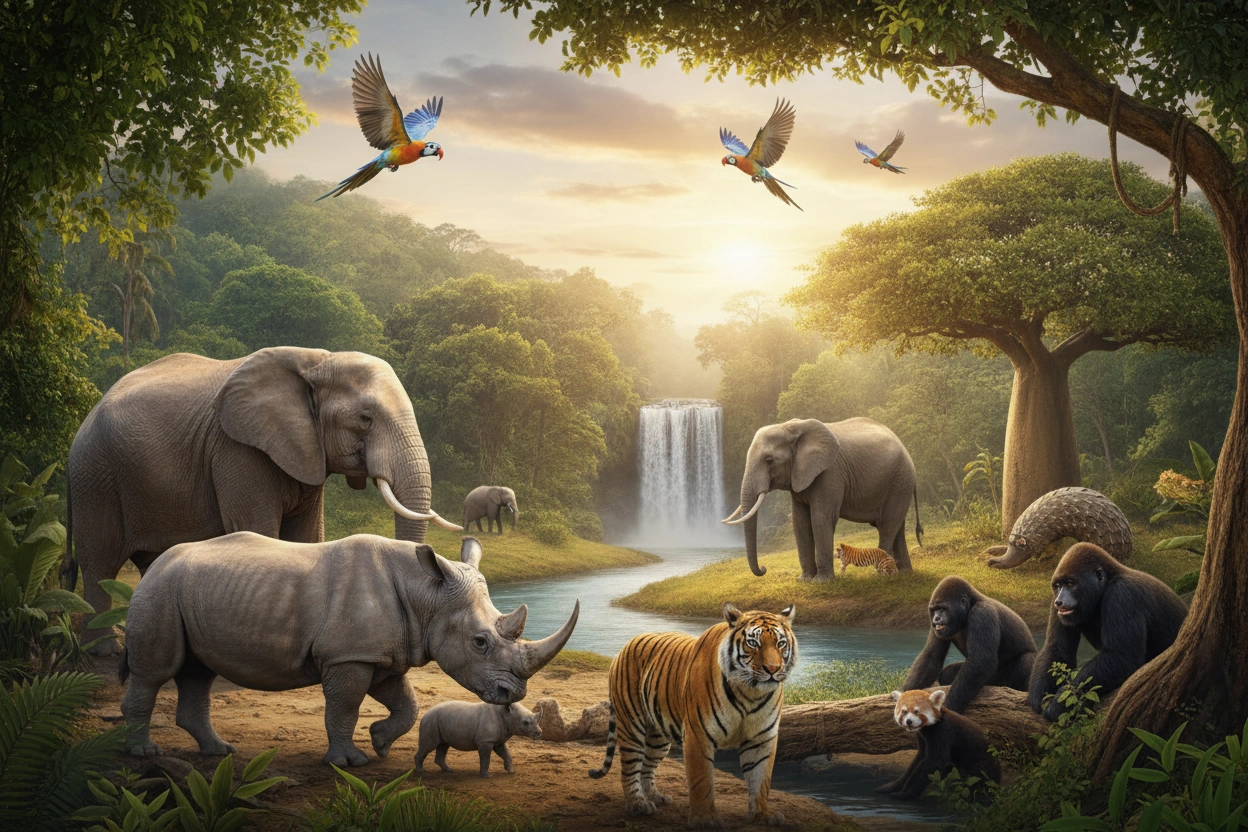
The world is home to a diverse array of species, each playing a critical role in maintaining the balance of ecosystems. However, many of these animals are facing the dire threat of extinction, making the topic of endangered animals more relevant than ever. As of 2026, various factors such as habitat loss, climate change, poaching, and pollution have significantly impacted animal populations worldwide. Understanding the plight of endangered species is crucial not only for their survival but also for the health of our planet.
In this article, we will explore the top ten endangered animals you need to know about, highlighting fascinating facts about each species and the importance of conservation efforts. By raising awareness about these animals, we can inspire action to protect them and their habitats.
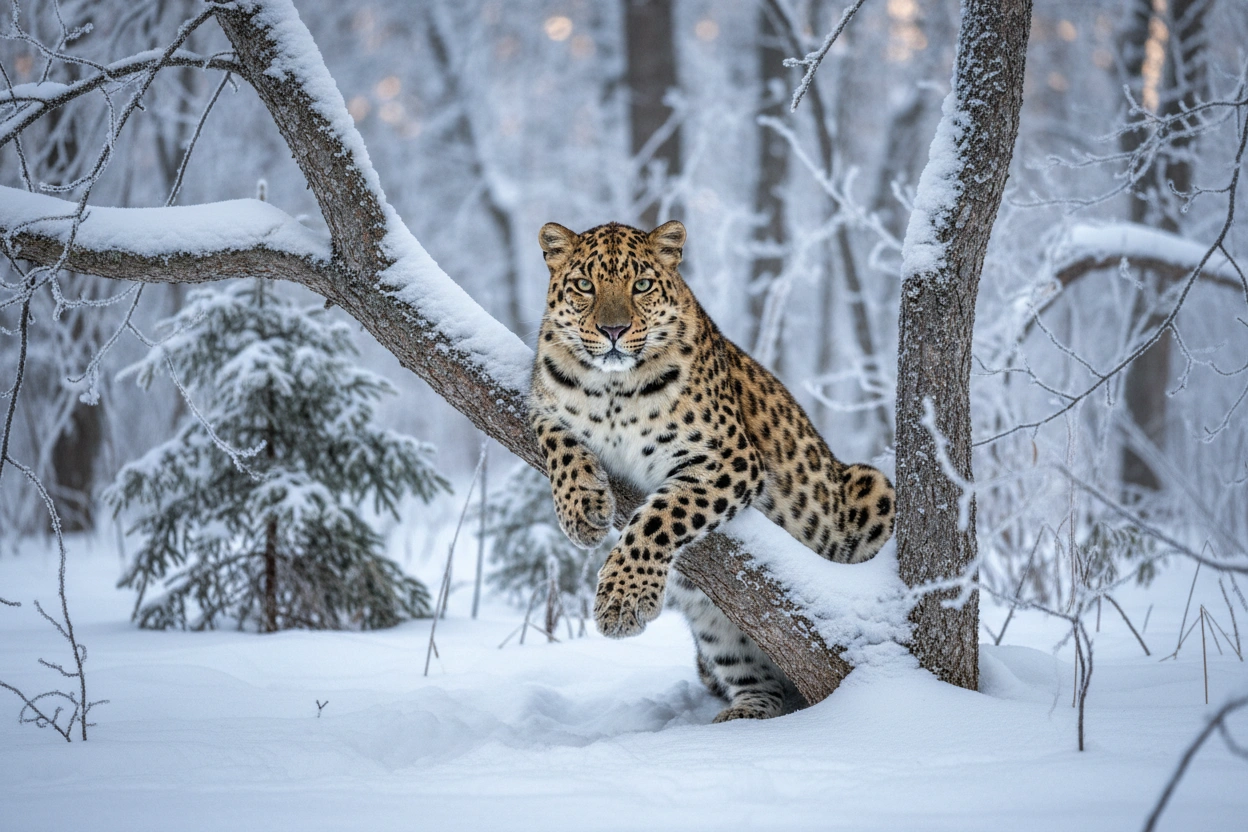
The Amur leopard, found primarily in the Russian Far East and northeastern China, is one of the world's rarest big cats. With an estimated population of fewer than 100 individuals in the wild, this majestic creature is classified as critically endangered. The primary threats to the Amur leopard include habitat destruction due to logging and development, poaching, and a decrease in prey availability.
The Amur leopard is known for its stunning coat, which features a unique pattern of rosettes and spots that provide excellent camouflage in its forested habitat. Conservation efforts are underway, including the establishment of protected areas like the Land of the Leopard National Park in Russia, which aims to preserve the remaining population and its habitat. Additionally, anti-poaching initiatives and community education programs are essential in ensuring the survival of this elusive feline.
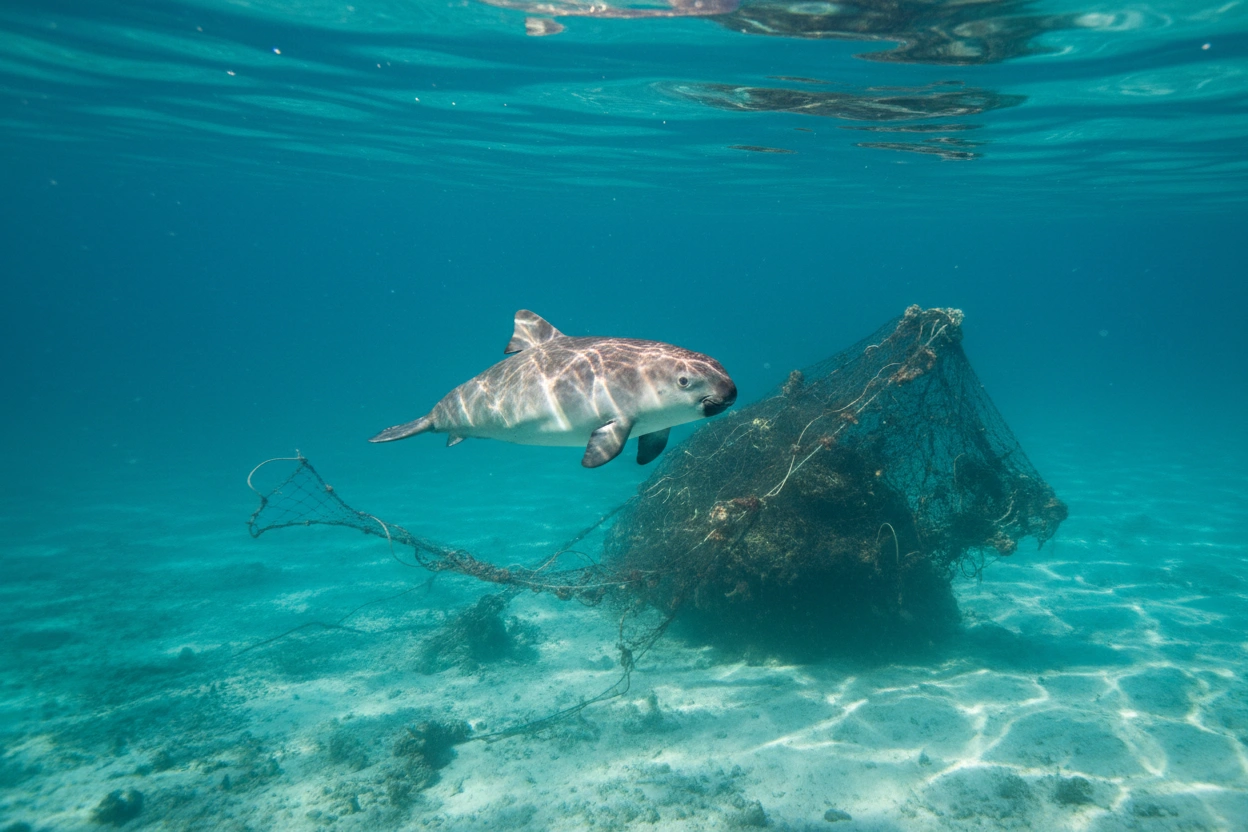
The vaquita, a small porpoise endemic to the northern part of the Gulf of California in Mexico, is on the brink of extinction, with estimates suggesting that only around 30 individuals remain. The primary threat to the vaquita is bycatch in illegal gillnets used for fishing another endangered species, the totoaba fish, whose swim bladders are highly valued in traditional Chinese medicine.
Efforts to save the vaquita have included banning gillnets in their habitat and increasing surveillance to enforce fishing regulations. Organizations are also working to raise awareness about the plight of the vaquita and promote sustainable fishing practices among local communities. Protecting the vaquita is not only crucial for biodiversity but also serves as a testament to the need for global cooperation in wildlife conservation.
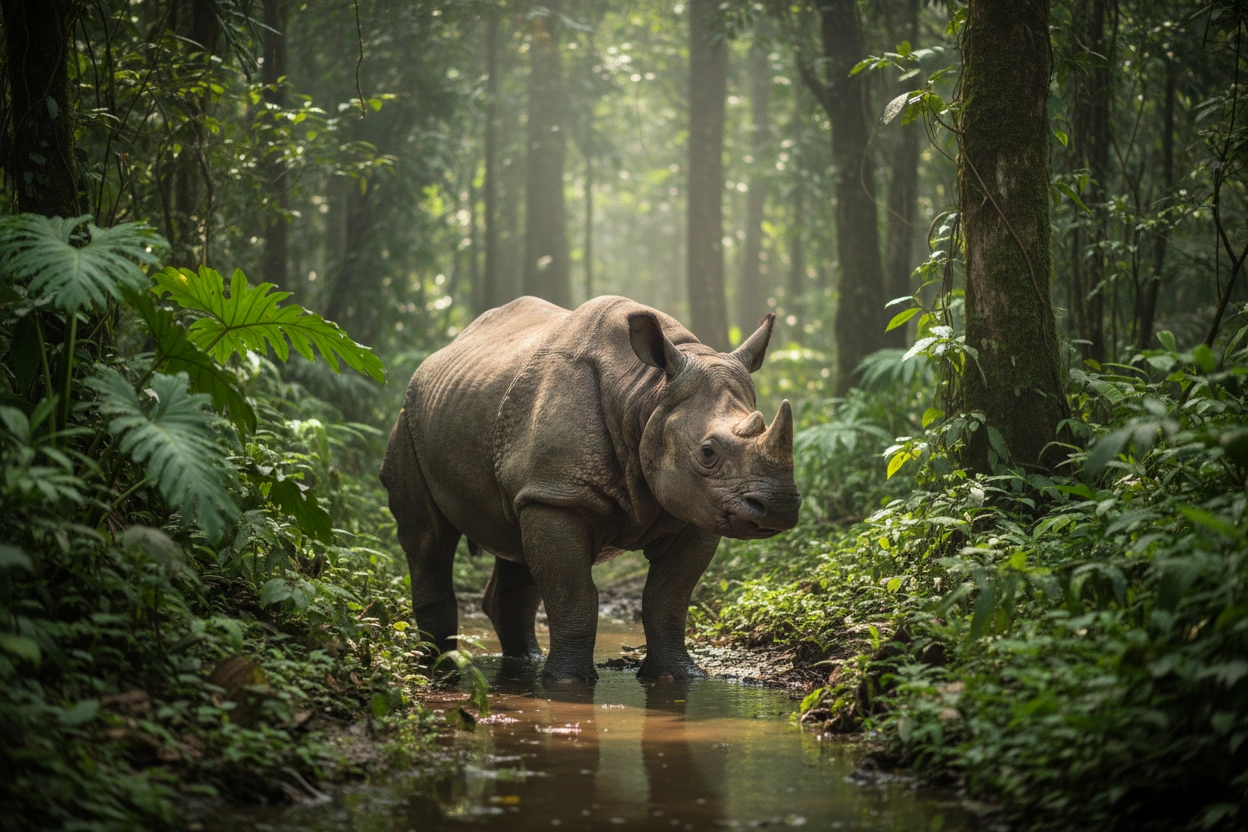
The Javan rhino is the most endangered of the five rhino species, with fewer than 80 individuals remaining, all of which are confined to Ujung Kulon National Park in Indonesia. This species is threatened by habitat loss due to agriculture and human encroachment, as well as poaching for its horn, despite the fact that its horn has no medicinal value.
Conservation efforts for the Javan rhino focus on habitat protection and monitoring the remaining population. The Indonesian government, along with various conservation organizations, is working to ensure that the park is protected from development and poaching. Additionally, creating awareness about the importance of the Javan rhino and its role in the ecosystem can foster community support for conservation initiatives.
The Sumatran orangutan, found only on the island of Sumatra in Indonesia, is critically endangered due to deforestation, illegal logging, and palm oil plantations encroaching on its habitat. With an estimated population of around 14,000 individuals, the Sumatran orangutan faces the risk of extinction within the next few decades if current trends continue.
Conservation efforts for the Sumatran orangutan involve habitat restoration, rehabilitation of orphaned orangutans, and community education to promote sustainable land use practices. Organizations are working to create wildlife corridors that connect fragmented habitats, allowing orangutans to thrive in their natural environment. Raising awareness about the impact of palm oil production on orangutans can also lead to more sustainable consumer choices.
Snow leopards inhabit the mountain ranges of Central and South Asia, including the Himalayas and the Tibetan Plateau. Classified as vulnerable, their population is estimated to be between 4,000 and 6,500 individuals, primarily threatened by poaching, habitat loss, and retaliatory killings by herders protecting livestock.
Conservation efforts for snow leopards focus on community engagement, anti-poaching patrols, and promoting sustainable livestock management practices. Programs that educate local communities about the ecological importance of snow leopards can help reduce human-wildlife conflict. Additionally, initiatives aimed at creating protected areas and wildlife corridors are essential for ensuring the survival of this iconic species.
The African wild dog, also known as the painted wolf, is one of the most endangered carnivores in Africa, with a population of around 6,000 individuals remaining in the wild. The primary threats to their survival include habitat fragmentation, human-wildlife conflict, and disease outbreaks, particularly from domestic animals.
Conservation efforts for African wild dogs involve habitat restoration, creating wildlife corridors, and community outreach programs to foster coexistence between humans and wildlife. Organizations are working to increase awareness about the ecological role of African wild dogs in maintaining healthy ecosystems and the importance of their conservation.
The northern white rhino is functionally extinct, with only two individuals remaining, both of which are female and reside in a protected sanctuary in Kenya. The primary cause of their decline was poaching for their horns, driven by demand in illegal markets. Conservation efforts for the northern white rhino now focus on advanced reproductive technologies, such as in vitro fertilization, to potentially increase the population.
Scientists and conservationists are working tirelessly to preserve the genetic material of the northern white rhino, with hopes of bringing this species back from the brink of extinction. This situation highlights the importance of conservation efforts and the need for global cooperation to address the challenges facing endangered animals.
The hawksbill turtle is critically endangered, primarily due to habitat loss, illegal trade of their beautiful shells, and entanglement in fishing gear. Hawksbill turtles play a vital role in maintaining the health of coral reefs by controlling sponge populations, which allows coral to thrive.
Conservation efforts focus on protecting nesting sites, reducing bycatch through the use of turtle excluder devices in fishing gear, and raising awareness about the importance of marine conservation. Collaborative efforts between governments, NGOs, and local communities are essential to ensure the survival of hawksbill turtles and the ecosystems they inhabit.
Pangolins are the most trafficked mammals in the world, primarily due to the demand for their scales in traditional medicine and their meat as a delicacy. All eight species of pangolins are threatened, with some classified as critically endangered. Habitat loss and poaching are the main drivers of their decline.
Conservation efforts for pangolins involve raising awareness about the illegal wildlife trade and implementing stronger legal protections. Educational programs aimed at local communities can help reduce the demand for pangolin products. Additionally, rehabilitation efforts for rescued pangolins are essential for their recovery and reintegration into the wild.
The red wolf, once widespread across the southeastern United States, is now critically endangered with only about 20 individuals remaining in the wild. The primary threats to the red wolf include habitat loss, hybridization with coyotes, and historical persecution.
Conservation efforts for the red wolf include captive breeding programs, habitat restoration, and public education campaigns to promote coexistence. The reintroduction of red wolves into their historic range is a critical step in their recovery, and ongoing monitoring is essential to ensure their survival. Raising awareness about the importance of red wolves in their ecosystems can help garner support for conservation initiatives.
The plight of endangered animals serves as a crucial reminder of the interconnectedness of all life on Earth. By protecting these species, we are not only preserving biodiversity but also ensuring the health of ecosystems that provide essential services to humanity. Conservation efforts require the collaboration of governments, organizations, and individuals to create a sustainable future for both wildlife and people.
Engaging communities and fostering a sense of stewardship for the environment is vital in the fight against extinction. By supporting conservation initiatives, advocating for sustainable practices, and raising awareness about the importance of endangered species, we can all play a role in protecting the planet's biodiversity.
Understanding the significance of endangered animals and the urgent need for conservation is essential for fostering a sustainable future. As we have explored in this article, the survival of these species depends on collective efforts to protect their habitats and combat the threats they face. Banana Slug Club is dedicated to promoting awareness and education about endangered animals and their ecosystems.
By getting involved with Banana Slug Club, you can contribute to conservation efforts and be part of a community that cares deeply about wildlife. Whether through volunteering, participating in educational programs, or supporting local initiatives, your actions can make a difference.
Visit Banana Slug Club today to learn more about how you can help protect endangered animals and contribute to a healthier planet. Together, we can create a brighter future for all living beings.
Get free resources, early access to new features and updates.
No spam. Just fun educational emails!


.svg)
.svg)