Amphibians are often overlooked in discussions about biodiversity and ecosystem health, yet they play an indispensable role in maintaining ecological balance. With more than 7,000 species worldwide, including frogs, toads, and salamanders, these creatures serve as both predators and prey within their habitats. Their unique physiology and life cycles make them vital indicators of environmental changes, showcasing the importance of amphibians. Understanding the importance of amphibians is crucial, especially as they face unprecedented threats from habitat loss, climate change, and disease.
In this article, we will explore the fascinating life cycles of amphibians, their ecological roles, and the characteristics that define various amphibian species. By delving into these topics, we aim to foster a deeper appreciation for these remarkable creatures and emphasize their critical contributions to the health of our planet.

Amphibians undergo a complex life cycle that typically includes distinct stages: eggs, larvae (tadpoles), and adults. This remarkable transformation, known as metamorphosis, is one of the defining characteristics of amphibians and sets them apart from other animal groups.
The life cycle of amphibians begins in water, where females lay eggs. Depending on the species, a single female can produce hundreds to thousands of eggs in a single reproductive cycle. For instance, the common frog (Rana temporaria) can lay up to 4,000 eggs in a single clutch. These eggs are often laid in clusters or strings, providing some protection against predators.
The eggs are encased in a gelatinous substance that helps to protect them from environmental hazards and desiccation. This stage is crucial as it allows the embryos to develop and grow in a relatively safe aquatic environment. During this phase, the embryos are vulnerable to various threats, including pollution and predation from fish and invertebrates.
Once the eggs hatch, the larvae emerge as tadpoles, marking the transition from an aquatic to a more complex life form. Tadpoles are primarily herbivorous, feeding on algae and plant matter, which allows them to grow rapidly. This stage can last several weeks to months, depending on environmental conditions and species.
During the larval stage, significant physiological changes begin. Tadpoles develop legs, absorb their tails, and undergo internal changes to prepare for life on land. For example, the American bullfrog (Lithobates catesbeianus) can take up to three years to fully metamorphose, while others may only take a few months. The duration of this stage is influenced by factors such as temperature, food availability, and habitat conditions.
After completing metamorphosis, amphibians emerge as adults, ready to inhabit terrestrial or semi-aquatic environments. Adult amphibians exhibit diverse characteristics, with many species showing remarkable adaptations for survival. For instance, toads have dry, warty skin that helps reduce water loss, while frogs typically have smooth, moist skin that facilitates respiration and hydration.
Adults play crucial roles in their ecosystems, acting as both predators and prey. They help control insect populations, with a single frog capable of consuming thousands of insects each year. Additionally, amphibians serve as a food source for various animals, including birds, snakes, and mammals, thereby contributing to the food web's stability.
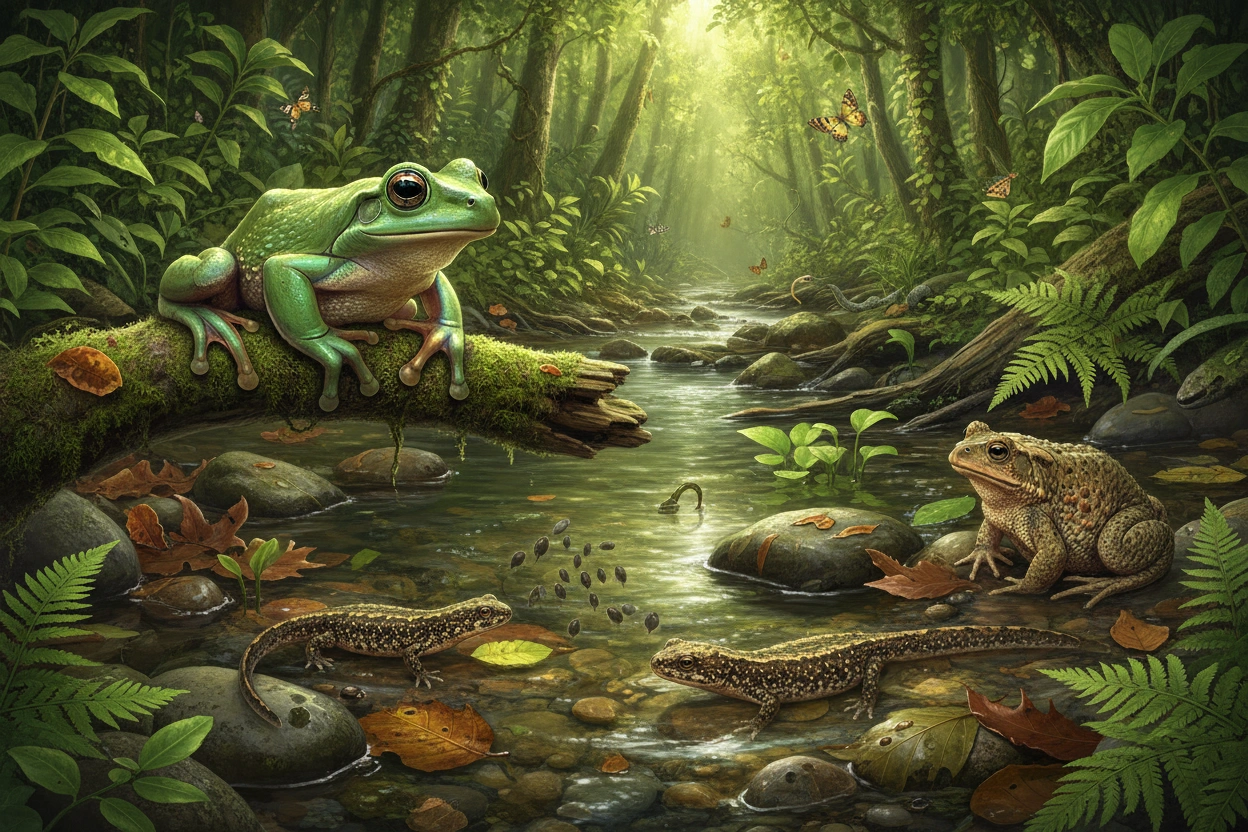
Amphibians are often referred to as "indicator species" due to their sensitivity to environmental changes. This characteristic makes them vital for assessing ecosystem health. Their presence or absence can provide valuable insights into the quality of habitats and the effects of pollution, climate change, and habitat destruction.
Amphibians contribute significantly to biodiversity, which is essential for resilient ecosystems. They occupy various niches, from aquatic to terrestrial environments, ensuring that ecological functions are fulfilled. As both predators and prey, they help maintain the balance of food webs.
The presence of amphibians also contributes to soil health. Their activities, such as burrowing and feeding, help aerate the soil and promote nutrient cycling. As they excrete waste, they return nutrients to the soil, enhancing its fertility and supporting plant growth. This interaction is crucial for maintaining healthy ecosystems, as plants form the foundation of food webs.
Amphibians are particularly susceptible to climate change, making them important indicators of environmental shifts. Their permeable skin makes them vulnerable to changes in temperature and humidity, and their reliance on both aquatic and terrestrial habitats means they are affected by alterations in both environments.
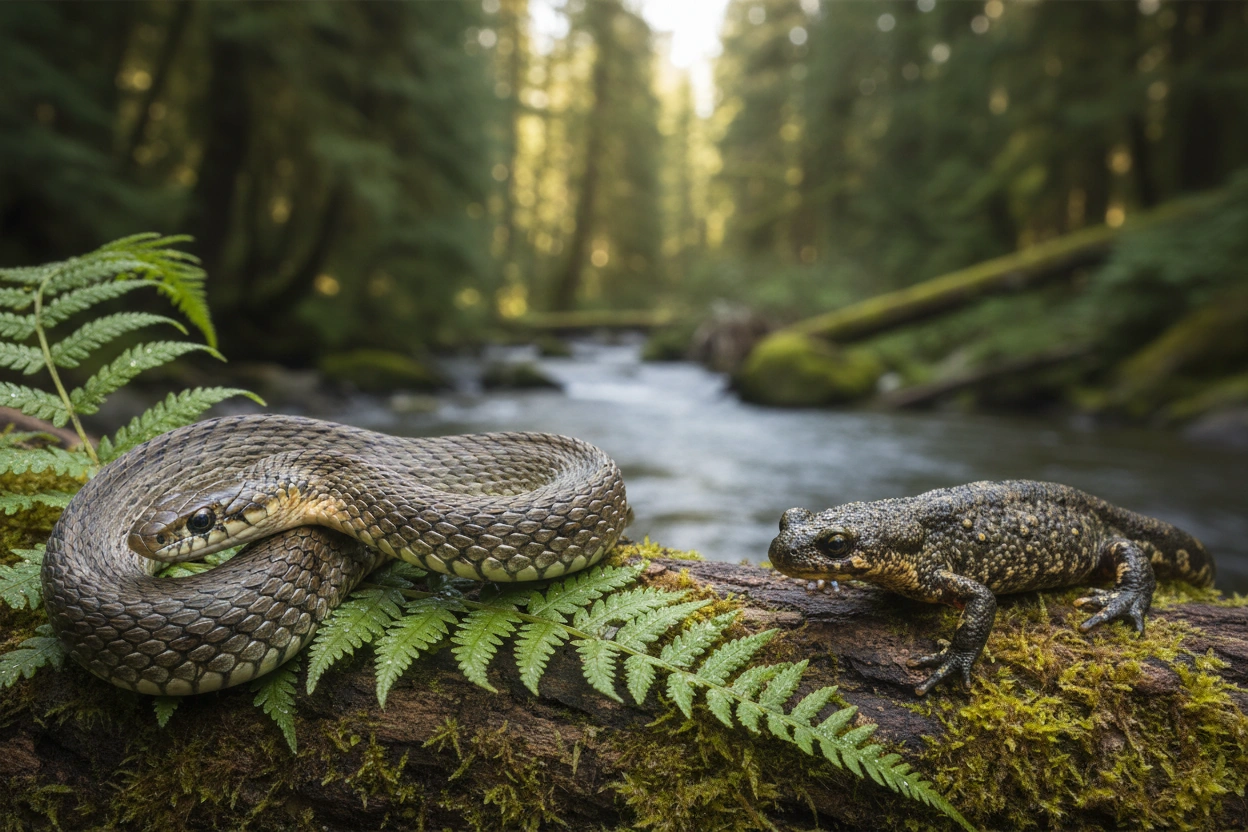
Despite their ecological importance, several misconceptions about amphibians persist. Addressing these misunderstandings is crucial for fostering a deeper appreciation for these creatures and their roles in ecosystems.
While many amphibians produce toxins as a defense mechanism, not all species are harmful to humans. For instance, the poison dart frog (Dendrobatidae) is known for its potent toxins, which indigenous people have historically used for hunting. However, most amphibians do not possess harmful substances and are harmless to humans.
Amphibians are often associated with water, but many species spend significant time on land. While they require moist environments for reproduction, adult amphibians can thrive in various terrestrial habitats, including forests, grasslands, and even deserts. Their adaptability allows them to occupy diverse ecological niches.
The reality is that many amphibian species are facing severe threats due to habitat loss, climate change, pollution, and disease. The global decline of amphibians is alarming, with over 40% of species experiencing population declines and nearly a third listed as threatened or endangered. Conservation efforts are essential to protect these vital creatures and their habitats.
Given their crucial role in ecosystems, it is essential to take steps to protect amphibians and their habitats. Here are several actionable strategies that individuals and communities can adopt:
Support Habitat Conservation
Engage in or support initiatives aimed at preserving wetlands, forests, and other natural habitats. These areas are critical for amphibian reproduction and survival.
Reduce Chemical Use
Minimize the use of pesticides and fertilizers in gardens and agricultural practices. Chemicals can run off into water bodies, harming amphibians and their larvae.
Create Amphibian-Friendly Spaces
Homeowners can create habitats that support amphibians by adding ponds, native plants, and avoiding chemical treatments. This encourages biodiversity and provides safe breeding grounds.
Participate in Citizen Science
Join local conservation groups or citizen science projects focused on monitoring amphibian populations. This helps gather valuable data for researchers and conservationists.
Educate Others
Raise awareness about the importance of amphibians and the threats they face. Education can inspire action and foster a community commitment to conservation.
By implementing these strategies, individuals can contribute to the protection of amphibians and the ecosystems they inhabit.
As we have explored, amphibians play an essential role in maintaining healthy ecosystems, serving as indicators of environmental health, and contributing to biodiversity. The decline of amphibian populations is a pressing issue that requires immediate attention and concerted conservation efforts.
The Banana Slug Club is dedicated to promoting awareness and action for the protection of amphibians and their habitats. By educating communities about the vital roles these creatures play and advocating for sustainable practices, we can work towards a healthier planet.
In conclusion, understanding the importance of amphibians in healthy ecosystems is crucial for fostering a more sustainable future. By protecting these remarkable creatures and their environments, we are not only preserving biodiversity but also ensuring the stability and resilience of our ecosystems.
For those interested in learning more about how to get involved in conservation efforts, contact Banana Slug Club for resources and opportunities to make a difference. Together, we can help safeguard the future of amphibians and the vital ecosystems they support.
Get free resources, early access to new features and updates.
No spam. Just fun educational emails!


.svg)
.svg)