Surprising Bird Facts About Migration and Seasonal Patterns
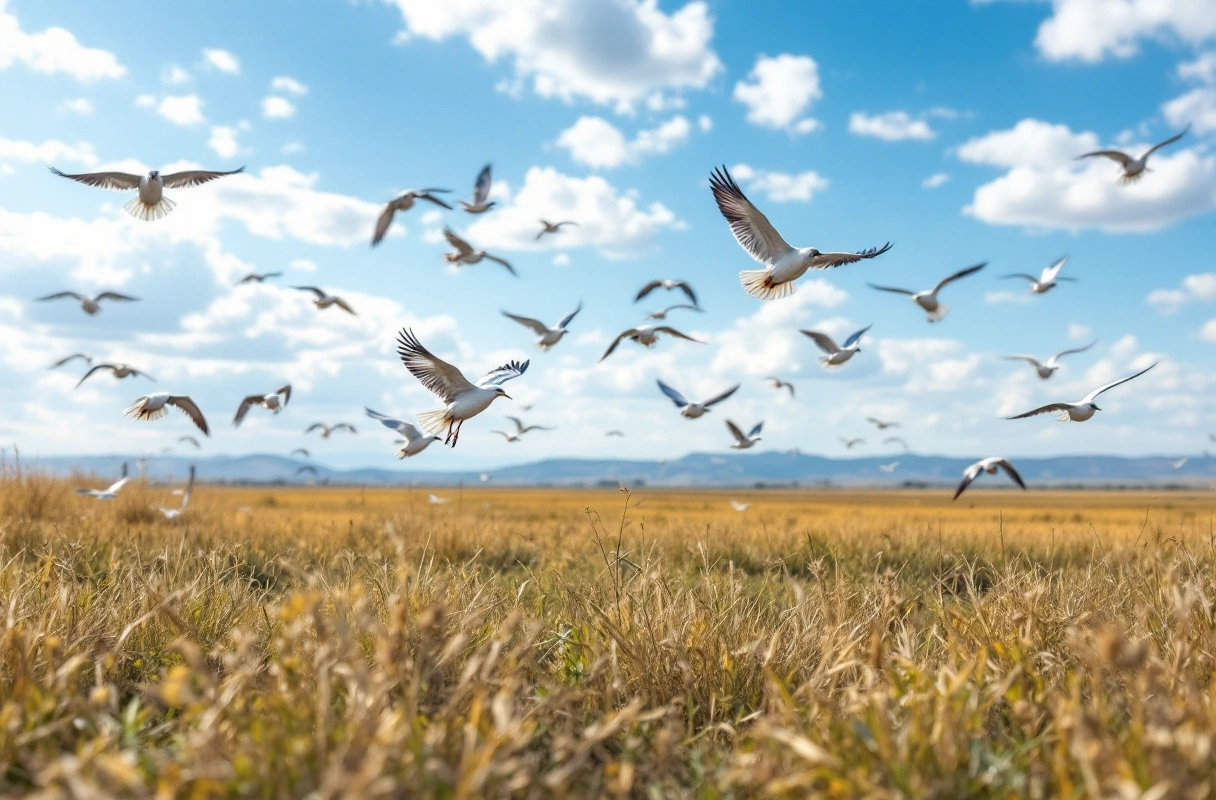
Bird migration is one of nature's most fascinating phenomena, captivating both ornithologists and casual bird watchers alike. Each year, millions of birds embark on epic journeys across the globe, driven by instinct, environmental changes, and the need to reproduce. Understanding the intricate patterns of bird migration not only enriches our appreciation of these creatures but also highlights the importance of preserving their habitats. This article delves into surprising bird facts about migration and seasonal patterns, focusing on the top ten fascinating bird migration patterns you should know.
The Importance of Migration
Migration serves several critical purposes for birds, primarily related to survival and reproduction. As seasons change, food availability fluctuates, and weather conditions can become inhospitable. Birds migrate to find suitable habitats where they can thrive, ensuring their survival and the continuation of their species. This seasonal movement is not just a random journey; it is a complex behavior shaped by various factors, including temperature, daylight length, and food sources.
Understanding these migration patterns reveals a lot about common bird behaviors and their adaptations. For instance, many species have developed specific routes and stopover points that are crucial for resting and refueling during long flights. Moreover, the study of migration patterns can also provide insights into broader ecological changes, such as climate change and habitat destruction.
Top 10 Fascinating Bird Migration Patterns You Should Know
The world of bird migration is filled with astonishing stories and incredible journeys. Here are ten captivating migration patterns that illustrate the resilience and adaptability of these avian travelers:
1. The Arctic Tern's Epic Journey
- The Arctic Tern holds the record for the longest migration of any bird species, traveling about 71,000 kilometers (44,000 miles) annually. This remarkable bird migrates from its breeding grounds in the Arctic to wintering areas in the Antarctic. This journey allows the tern to experience continuous summer, benefiting from abundant food resources.
2. The Monarch of the Skies: Bar-tailed Godwit
- Bar-tailed Godwits are known for their nonstop migration, flying approximately 12,000 kilometers (7,500 miles) from Alaska to New Zealand without stopping to rest. This extraordinary feat is made possible by their ability to store fat and utilize it efficiently, allowing them to cover vast distances in a single flight.
3. The Eastern/Western Flyway Phenomenon
- In North America, birds follow established migratory routes known as flyways. The Eastern and Western Flyways are two of the most significant, guiding millions of birds each year as they travel between breeding and wintering grounds. These pathways are crucial for the survival of many species, providing vital stopover sites for rest and nourishment.
4. The Fascinating Leap of the Ruby-throated Hummingbird
- The Ruby-throated Hummingbird is a small but mighty bird that migrates from North America to Central America, crossing the Gulf of Mexico in a single flight. This migration can span over 800 kilometers (500 miles) and is particularly remarkable given the bird's small size and weight.
5. The Intricate Timing of the Swallow
- Swallows are known for their precise migration timing, often returning to the same nesting sites in North America around the same time each year. This synchronicity is critical for their survival, ensuring they arrive when food sources are plentiful and conditions are favorable for breeding.
6. The Challenge of the Red Knot
- The Red Knot is a shorebird that faces significant challenges during migration. It travels from South America to the Arctic to breed, relying on key stopover sites, such as the Delaware Bay, to replenish its energy. The loss of these critical habitats poses a threat to the species and highlights the need for conservation efforts.
7. The Seasonal Patterns of the Snowy Owl
- Snowy Owls are unique among migratory birds, exhibiting irregular migration patterns based on food availability. In years of high lemming populations, these owls may migrate south in large numbers, while in lean years, they remain in their Arctic breeding grounds. This adaptability showcases their dependence on environmental conditions.
8. The Role of Geomagnetic Cues in Migration
- Many migratory birds, including species like the European Robin, navigate using geomagnetic cues. They can detect the Earth's magnetic field and use it to orient themselves during long migrations. This innate ability demonstrates the remarkable adaptations birds have developed for survival.
9. The Social Dynamics of the Barnacle Goose
- Barnacle Geese exhibit fascinating social dynamics during migration. They migrate in family groups, with young birds learning from their parents. This social structure is essential for teaching survival skills and ensuring the next generation can thrive during migration.
10. The Importance of Climate in Migration Patterns
- Climate change has significant implications for bird migration patterns. As temperatures rise and weather patterns shift, many species are altering their migration timings and routes. Understanding these changes is crucial for conservation efforts, as they can affect breeding success and survival rates.
Common Misconceptions About Bird Migration
Despite the wealth of knowledge about bird migration, several misconceptions persist. Addressing these can enhance our understanding and appreciation of these incredible journeys.
Misconception 1: All Birds Migrate South for the Winter
- While many bird species do migrate south to escape harsh winter conditions, not all birds follow this pattern. Some species, such as the American Black Duck, remain in their breeding habitats year-round, adapting to seasonal changes without migrating.
Misconception 2: Migration is Instinctual and Unchangeable
- Migration is indeed a behavior rooted in instinct, but it is also highly adaptable. Birds can change their migration routes and timing based on environmental factors, demonstrating their ability to respond to changing conditions.
Misconception 3: Migration is Dangerous and Unavoidable
- While migration does come with risks, such as predation and food scarcity, many birds have evolved strategies to mitigate these dangers. By traveling in flocks, resting at safe stopover sites, and timing their migrations based on weather patterns, birds enhance their chances of survival.
The Future of Bird Migration
As we look to the future, the study of bird migration will continue to play a crucial role in understanding ecological changes. Researchers are increasingly using technology, such as GPS tracking and satellite imagery, to monitor migration patterns and gather data on the effects of climate change.
Actionable Insights for Bird Enthusiasts
For those interested in bird watching and conservation, there are several ways to engage with and support migratory birds:
- Participate in citizen science projects to help track bird migrations and populations.
- Create bird-friendly habitats in your backyard by planting native species and providing food sources.
- Support conservation organizations working to protect critical migratory routes and habitats.
By taking these steps, bird enthusiasts can contribute to the well-being of migratory birds and ensure their survival for future generations.
The Intersection of Bird Facts and Conservation
Understanding bird migration and seasonal patterns is essential for appreciating the complexities of avian life. The insights gained from studying these behaviors can inform conservation efforts and highlight the ecological importance of these fascinating creatures.
At Banana Slug Club, we are dedicated to spreading awareness about bird facts and the ecological importance of these fascinating creatures. By learning about migration patterns and engaging with conservation initiatives, we can all play a part in protecting our feathered friends.
If you want to dive deeper into the world of birds and learn how to contribute to their conservation, visit our website or contact us for more information. Together, we can make a difference in the lives of migratory birds and foster a greater appreciation for their remarkable journeys.


.svg)
.svg)