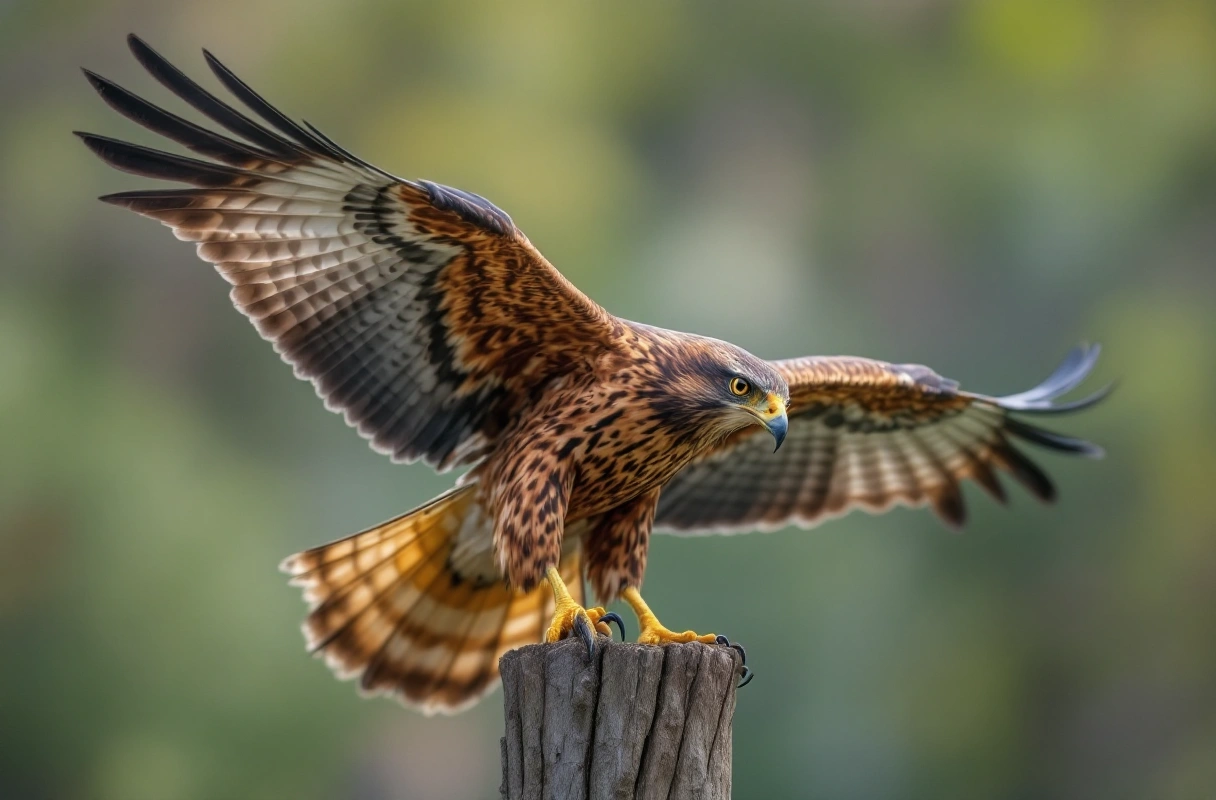
Birdwatching is an exhilarating hobby that connects enthusiasts with the beauty of nature. Among the most fascinating subjects for birdwatchers are birds of prey, often referred to as raptors. These majestic creatures, including hawks, eagles, and owls, are not only captivating to observe but also play a crucial role in our ecosystems. As of December 2025, understanding how to effectively spot these birds in the wild can enhance your birding experience and deepen your appreciation for wildlife.
Whether you are a seasoned birder or just starting out, this comprehensive guide will provide you with essential tips for spotting raptors in their natural habitats. Additionally, we will delve into their behaviors, habitats, and the best practices for birdwatching tours, ensuring you are well-equipped to witness these magnificent birds in action.
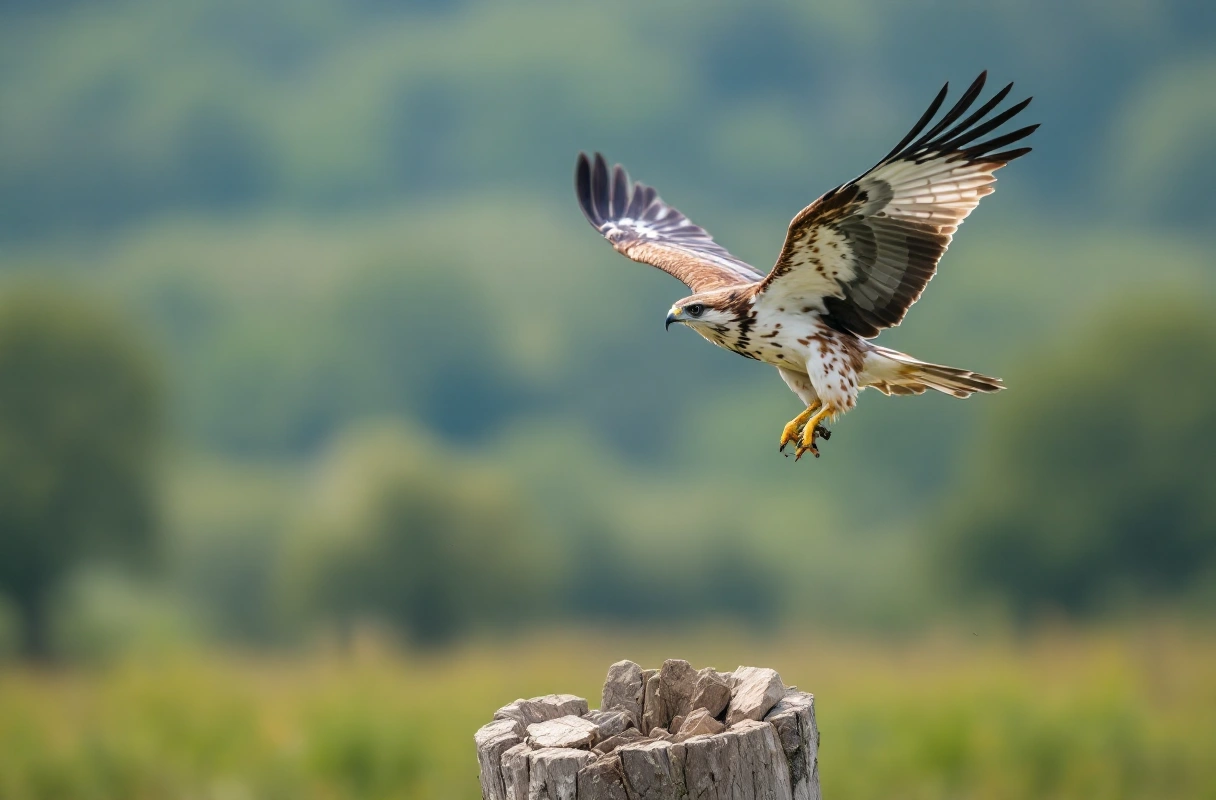
Birds of prey exhibit a range of hunting techniques that are fascinating to observe. Each species has adapted its hunting style to suit its environment and prey. For example, eagles often soar high above the ground, using their excellent eyesight to spot potential prey from a distance. Once identified, they can swoop down at incredible speeds, using their powerful talons to capture their meal.
Understanding these behaviors can significantly enhance your chances of spotting them. By knowing where to look and what to expect, you can position yourself strategically for the best viewing experience.
Many raptors are migratory, traveling long distances between breeding and wintering grounds. Being aware of these patterns can help birdwatchers plan their outings more effectively. For instance, in North America, many hawks migrate in large groups during the fall, making locations near mountain ridges prime spots for birdwatching.
By familiarizing yourself with the migration timelines of local raptor species, you can increase your chances of spotting them during your birdwatching tours.
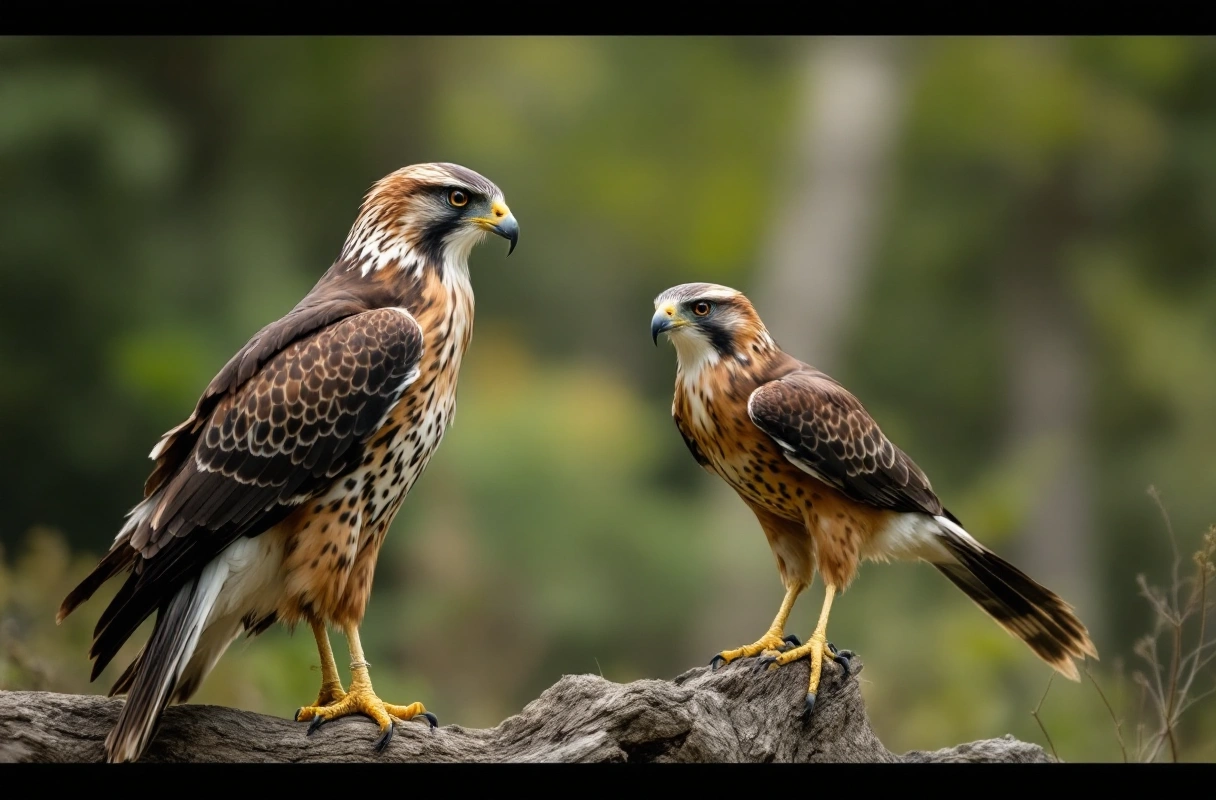
To effectively spot birds of prey, selecting the right location is crucial. Raptors often inhabit diverse environments, from open fields to dense forests. Here are some prime locations where you might find them:
Make sure to research local hotspots known for raptor sightings. Engaging with local birdwatching communities can also provide insights into the best locations and times for sightings.
Timing is everything when it comes to birdwatching. Raptors are generally more active during certain times of the day. Early morning and late afternoon are often the best times to see them as they hunt for food. During these hours, the lighting is also more favorable for photography and viewing.
Planning your birdwatching tours around these peak times can significantly enhance your chances of spotting birds of prey.
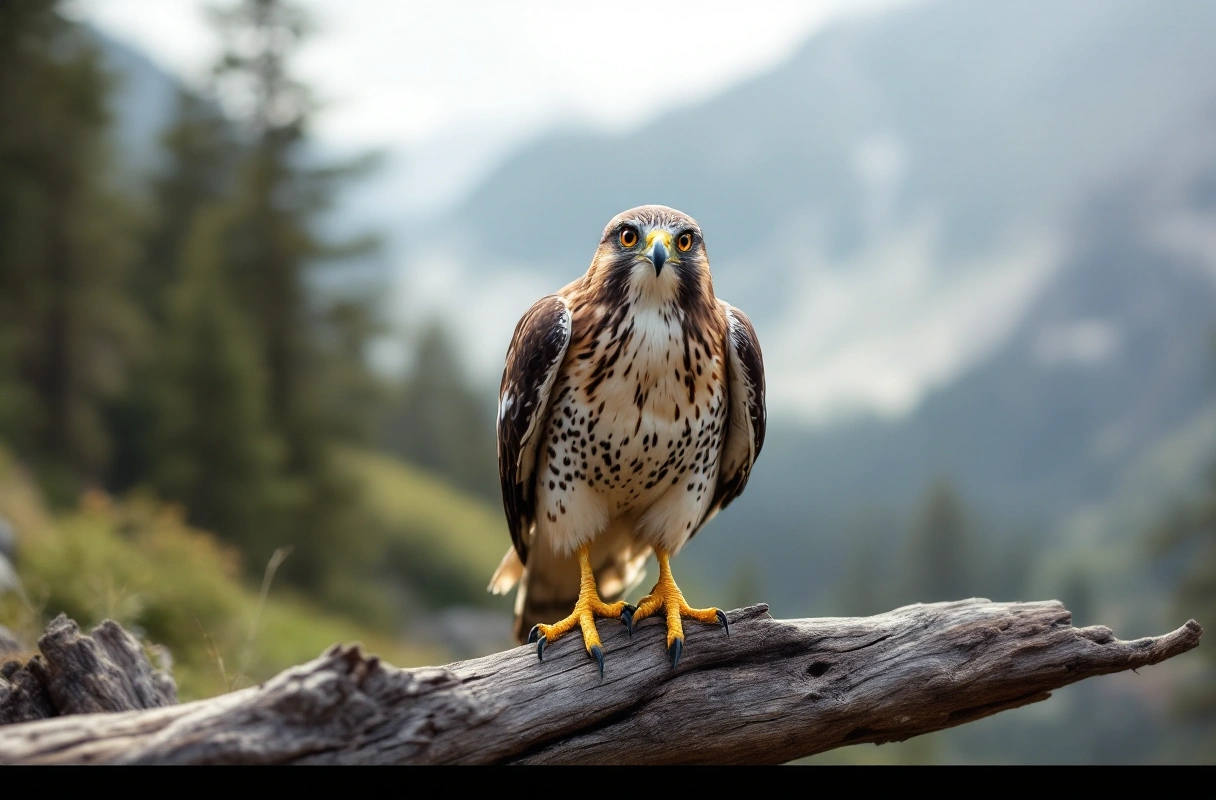
Having the right equipment can make a world of difference in your birdwatching experience. High-quality binoculars or spotting scopes are essential for observing raptors from a distance without disturbing them. When selecting binoculars, consider the following features:
Investing in a good pair of binoculars will enhance your ability to spot and identify various raptor species.
Field guides are invaluable for identifying birds of prey and understanding their behaviors. Many birdwatchers also use smartphone applications that provide real-time data on local bird sightings, calls, and behaviors. Some popular birding apps include:
Having these resources at your fingertips can help you make the most of your birdwatching tours.
One of the most common mistakes novice birdwatchers make is approaching raptors too closely. This can disturb their natural behaviors, causing them to flee or become agitated. Always maintain a respectful distance, using binoculars to observe rather than trying to get too close.
Understanding the raptor's habitat is crucial. Many birdwatchers focus solely on spotting the bird itself and overlook the signs of their presence. Look for clues such as feathers, droppings, or prey remains, which can indicate the presence of raptors nearby.
Keeping a birding journal is an excellent way to track your sightings and experiences. Many birdwatchers neglect to document their observations, which can enhance future outings. Include details such as:
By maintaining a record, you can identify patterns and improve your birdwatching strategies over time.
Participating in organized birdwatching tours can provide invaluable learning experiences. These tours often include knowledgeable guides who can share insights into raptor behaviors and habitats. Additionally, group outings foster community engagement and support for conservation efforts.
Understanding the importance of conservation is vital for the future of birds of prey. Many species are threatened due to habitat loss, pollution, and hunting. Engaging in conservation efforts, such as habitat restoration and advocacy, can help protect these magnificent birds.
As you embark on your journey to spot raptors in the wild, remember that understanding their behavior and habitat is key to enhancing your birdwatching experience. The thrill of witnessing these incredible birds of prey in their natural environment is unmatched. The techniques and insights provided in this guide will help you become a more skilled observer and a passionate advocate for raptor conservation.
If you're looking to deepen your connection with nature and learn more about the fascinating world of birds of prey, consider joining the Banana Slug Club. We offer a variety of resources, events, and community engagement opportunities for birding enthusiasts.
Visit Banana Slug Club to explore more about birdwatching tours and how you can participate in protecting raptors and their habitats. Together, we can ensure these magnificent creatures thrive for generations to come.
Get free resources, early access to new features and updates.
No spam. Just fun educational emails!


.svg)
.svg)