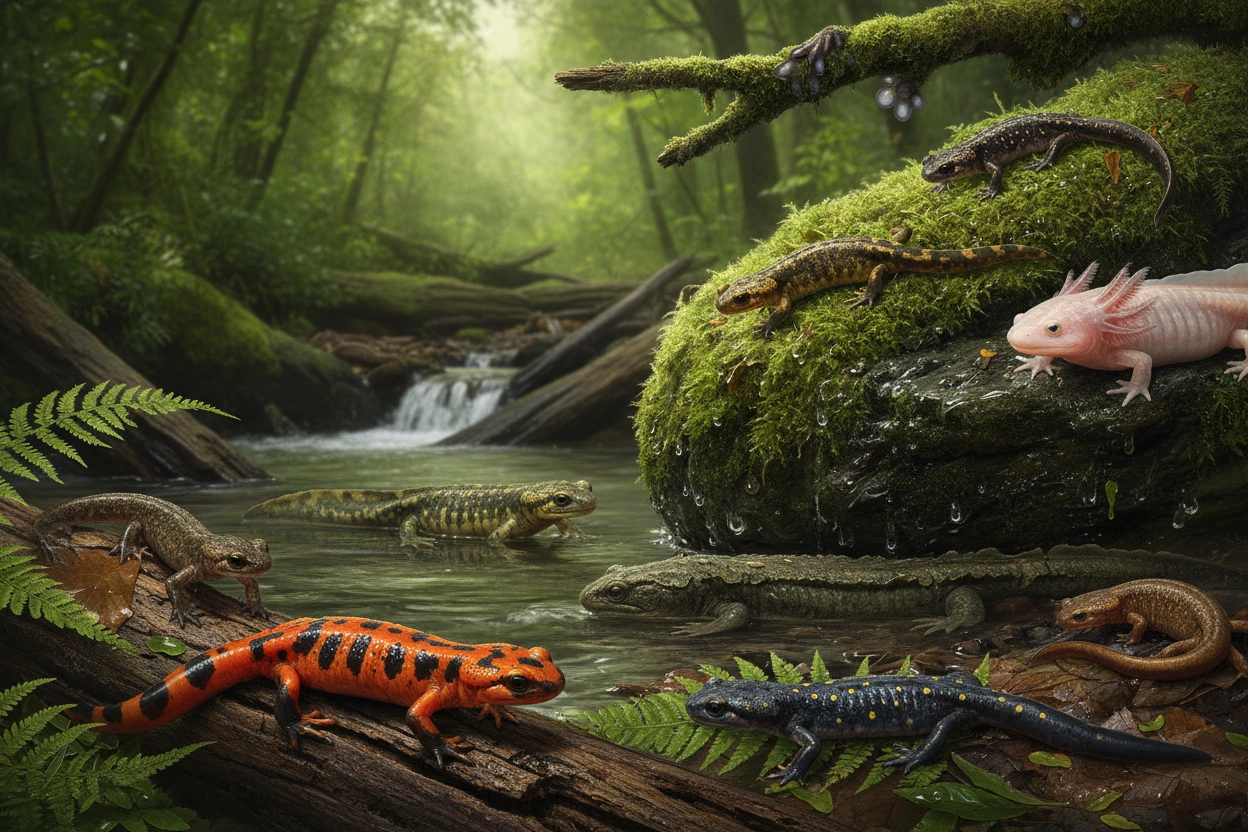
Amphibians, a unique and fascinating class of animals, play a crucial role in our ecosystems. Among them, salamanders are particularly intriguing due to their diverse forms, behaviors, and habitats. With over 700 species worldwide, these amphibians are found in various environments, from moist forests to arid grasslands. This article will explore the different types of salamanders, their habitats, and the pressing need for amphibian conservation efforts. As we delve into this topic, we will also highlight the top ten conservation initiatives that aim to protect these remarkable creatures.
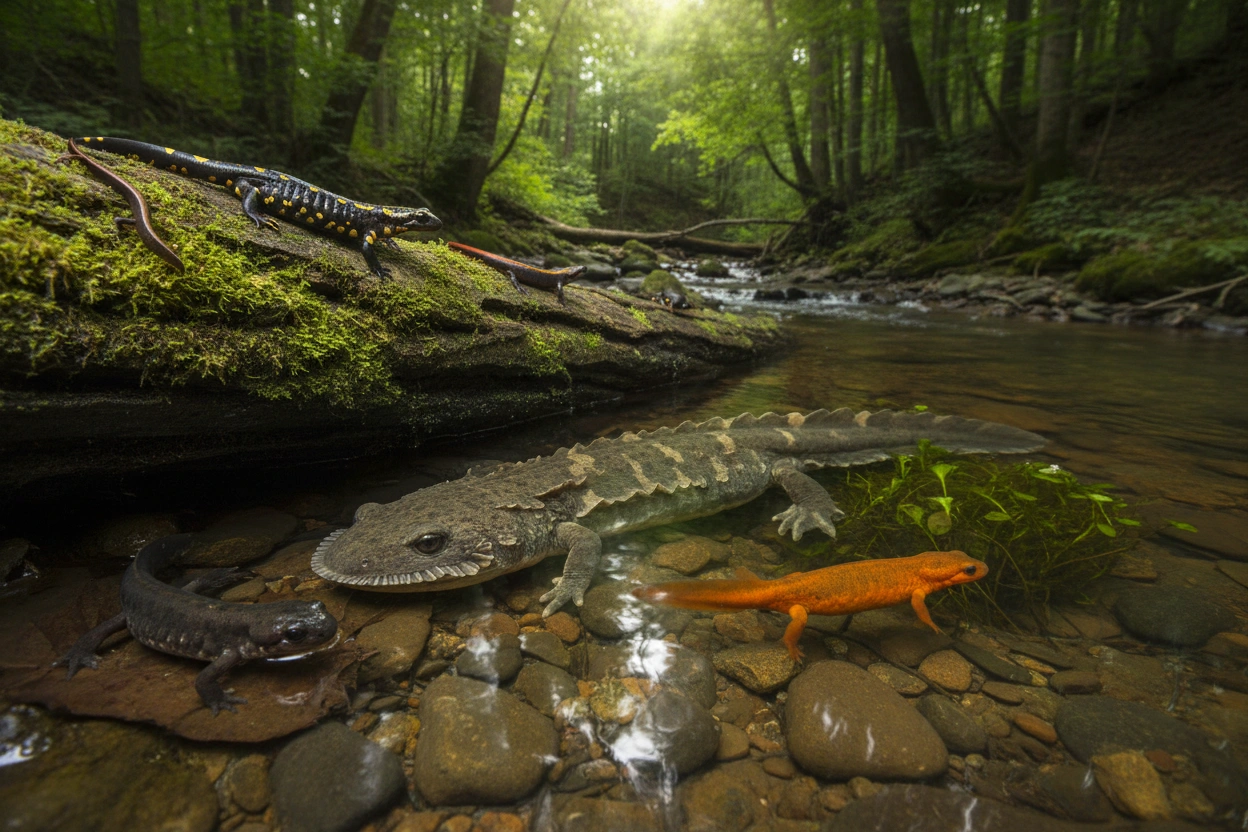
Salamanders belong to the order Urodela, which is characterized by their elongated bodies, smooth skin, and a distinct tail. They are often confused with lizards; however, unlike reptiles, salamanders possess moist skin that allows them to absorb water and breathe through their skin. This respiratory adaptation makes them particularly sensitive to environmental changes, emphasizing the importance of their conservation.
Plethodontidae (Lungless Salamanders): These salamanders are known for their unique respiratory adaptation, as they lack lungs and breathe entirely through their skin and the lining of their mouth. Common examples include the Eastern Red-backed Salamander and the Northern Slimy Salamander.
Ambystomatidae (Mole Salamanders): Typically found in North America, these salamanders are recognized for their stout bodies and robust limbs. The Axolotl, a notable member of this family, is renowned for its regenerative abilities.
Salamandridae (True Salamanders and Newts): This family includes some of the most recognizable salamanders, such as the Eastern Newt and the Fire Salamander. They are often characterized by their bright colors, which serve as warning signals to predators.
Hynobiidae (Asian Salamanders): Found primarily in East Asia, these salamanders are less studied than their North American relatives. The Japanese Giant Salamander is one of the largest in the world and is a symbol of biodiversity in its native habitat.
Cryptobranchidae (Giant Salamanders): This family includes some of the largest amphibians on the planet, such as the Chinese Giant Salamander and the Japanese Giant Salamander. These creatures are primarily aquatic and are known for their impressive size and longevity.
Salamanders inhabit a wide range of environments, each supporting different species' unique life cycles and behaviors. The most common habitats include:
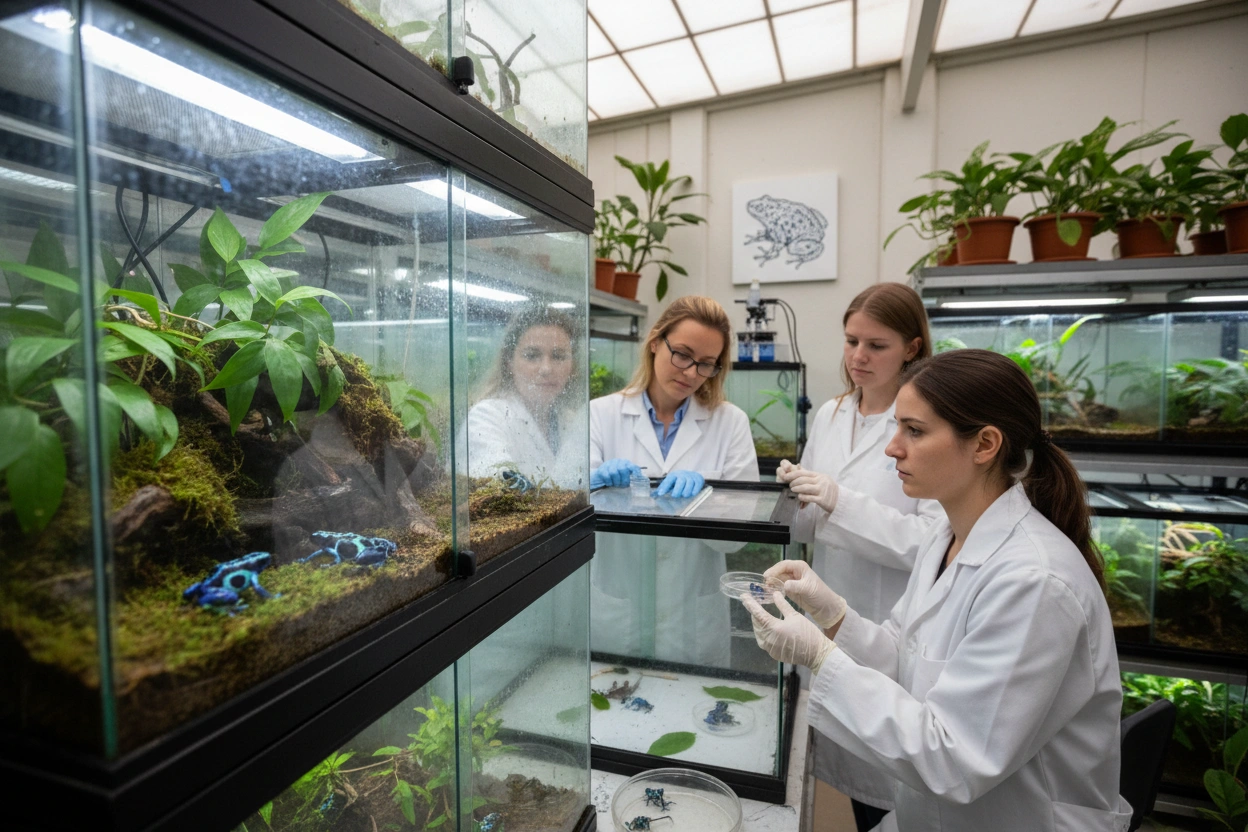
Amphibians are facing a global crisis due to habitat destruction, climate change, pollution, and disease. Effective conservation efforts are crucial to ensure their survival. Below are ten notable initiatives aimed at preserving amphibian populations and their habitats.
Habitat Restoration Projects: Restoring wetlands and forests can significantly enhance amphibian populations by providing essential breeding and foraging grounds.
Captive Breeding Programs: Institutions like the San Diego Zoo and the Amphibian Ark are working to breed endangered species in captivity, with the goal of reintroducing them into their natural habitats.
Disease Monitoring and Management: Efforts to combat chytridiomycosis, a deadly fungal disease affecting amphibians, are crucial. Research into treatments and vaccines is ongoing.
Public Awareness Campaigns: Educating the public about the importance of amphibians and their roles in ecosystems can foster community support for conservation initiatives.
Legislation and Protection: Advocating for stronger environmental laws and protections for critical habitats is essential in safeguarding amphibian populations.
Citizen Science Programs: Engaging citizens in monitoring amphibian populations can provide valuable data for researchers and promote community involvement in conservation.
Research Funding: Supporting scientific research on amphibian biology, ecology, and conservation strategies can lead to innovative solutions for their protection.
Climate Change Mitigation: Addressing climate change through sustainable practices and policies is vital for protecting amphibian habitats from rising temperatures and altered precipitation patterns.
Pollution Control Initiatives: Reducing pollution from agricultural runoff and industrial waste can improve water quality in amphibian habitats, promoting healthier ecosystems.
Collaborative International Efforts: Global partnerships, such as the Amphibian Conservation Action Plan, unite various stakeholders to create comprehensive strategies for amphibian conservation worldwide.
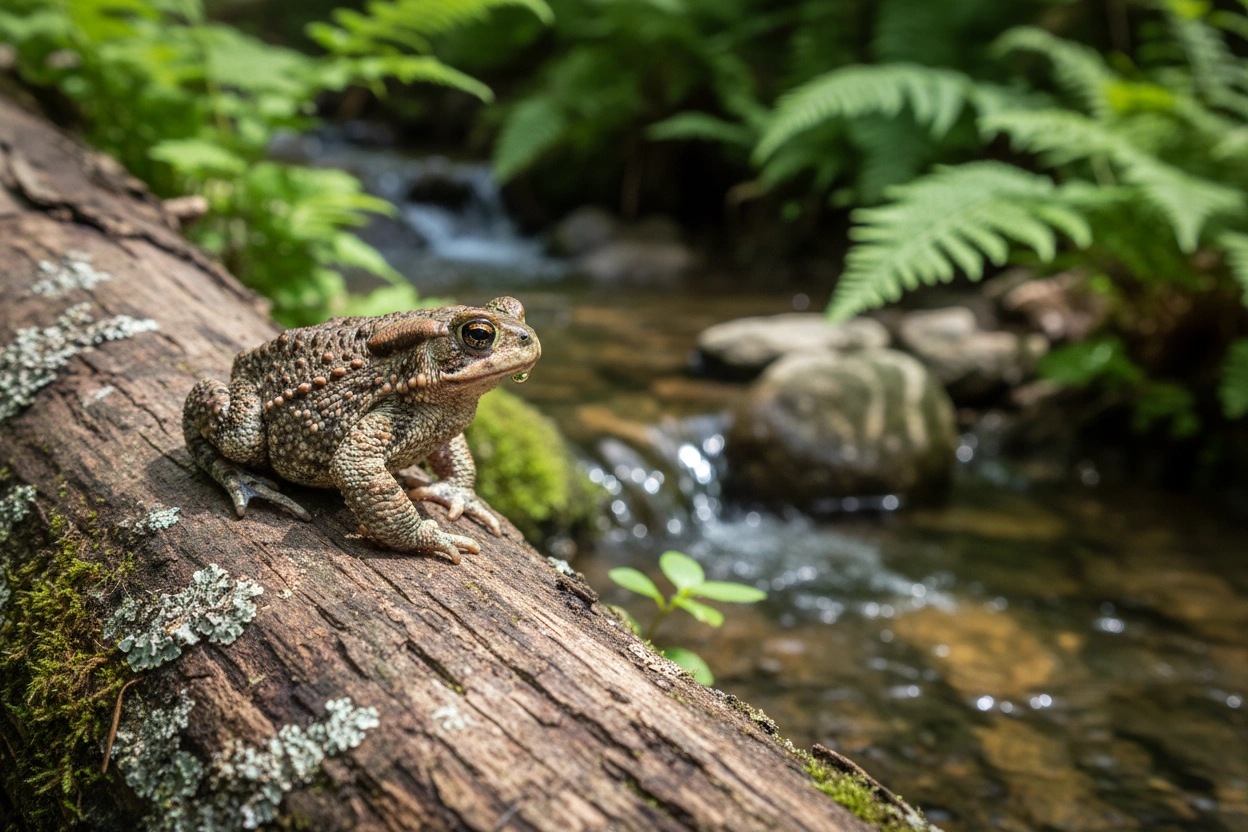
Despite their ecological importance, misconceptions about amphibians persist. Understanding these can help promote better conservation practices.
While some amphibians possess toxins as a defense mechanism, not all species are poisonous. For example, many common frogs and salamanders are entirely harmless to humans. Educating the public about which species are safe can help reduce unnecessary fear and promote appreciation for these creatures.
Amphibians play a critical role in food webs, acting as both predators and prey. They help control insect populations and serve as indicators of environmental health. Their decline can signal broader ecological issues, underscoring their importance in maintaining balanced ecosystems.
Although some amphibians are adaptable, they are highly sensitive to environmental changes. Habitat destruction, pollution, and climate change can significantly impact their survival. Recognizing their specific habitat needs is crucial for effective conservation.
Engaging in amphibian conservation can be rewarding and impactful. Here are some practical steps individuals can take to support these efforts:
Create a Wildlife-Friendly Garden: Incorporate native plants and create water features to provide habitat for local amphibians.
Participate in Local Clean-Up Events: Reducing pollution in local waterways can improve conditions for amphibian populations.
Educate Others: Share knowledge about amphibians and their conservation needs with friends, family, and community members.
Support Conservation Organizations: Donate to or volunteer with organizations focused on amphibian conservation and habitat protection.
Advocate for Sustainable Practices: Encourage local businesses and policymakers to adopt environmentally friendly practices that protect amphibian habitats.
The Banana Slug Club is dedicated to fostering a deeper understanding of the importance of amphibians and their ecosystems. By providing educational resources and engaging community programs, the club helps raise awareness about the pressing challenges amphibians face today.
Readers interested in learning more about amphibians and how to get involved in conservation efforts can turn to the Banana Slug Club for resources and guidance. The club provides information on local amphibian species, conservation programs, and ways to actively participate in protecting these vital creatures.
By joining the Banana Slug Club, you can connect with like-minded individuals passionate about amphibian conservation and be part of a movement dedicated to preserving biodiversity for future generations.
To learn more about how you can contribute to amphibian conservation efforts, visit the Banana Slug Club's website. Together, we can make a difference in protecting these remarkable amphibians and their habitats.
Get free resources, early access to new features and updates.
No spam. Just fun educational emails!


.svg)
.svg)